
Every once in a while, a headline stops me in my tracks.
Recently, I saw Dr. Denise Faustman back in the news discussing promising results from her Type 1 diabetes research using the BCG vaccine. Reading those headlines immediately took me back to a chapter of my childhood that shaped my life in ways I didn’t fully appreciate until I was an adult.
When I saw Dr. Faustman back in the headlines, I realized I had never shared this part of my diabetes journey—a journey that took my family to Boston six times and gave us something every person living with Type 1 diabetes holds onto: hope.
Beginning in May 2007, my family traveled from Louisiana to Boston so I could participate in Dr. Faustman’s research at Massachusetts General Hospital. At the time, I had no idea that the blood I donated would become part of research that researchers would continue to build on for nearly two decades.
I wasn’t thinking about clinical trials or groundbreaking research.
I was just a kid going on another trip with my family.
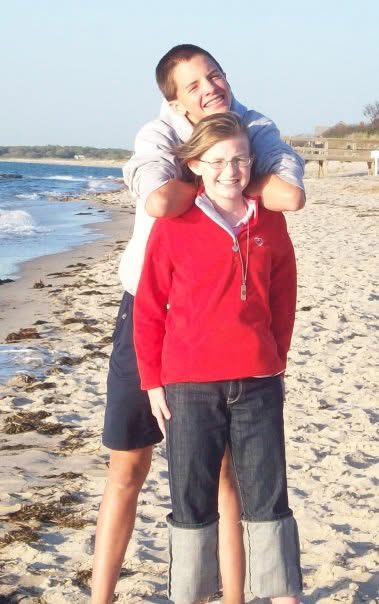
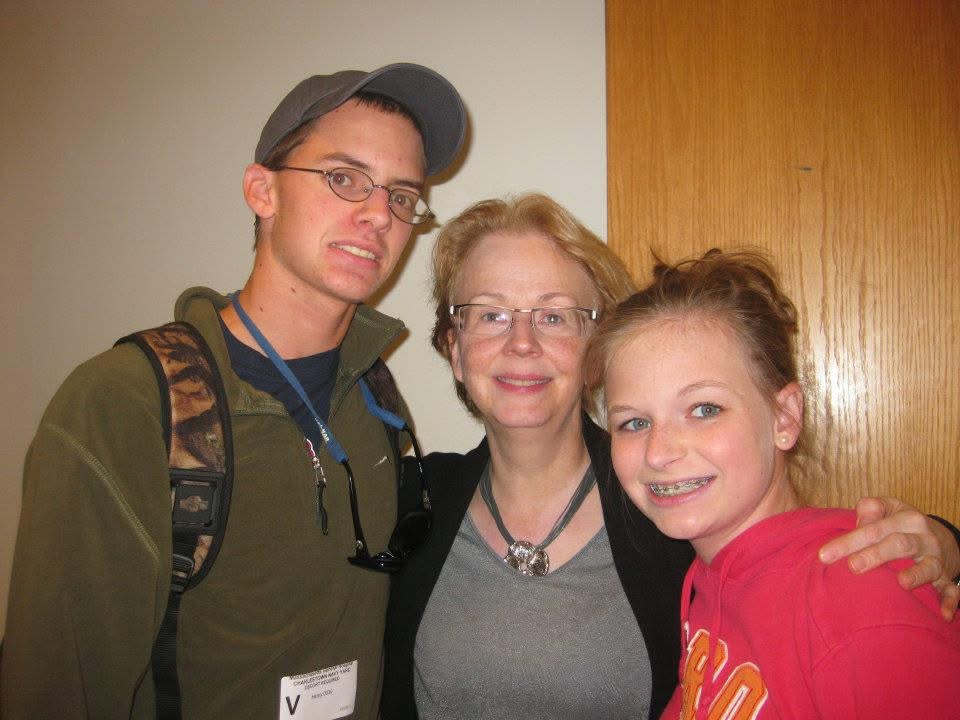
Every visit looked a little different, but one thing stayed the same. It was always my mom, my dad, my younger brother, and me. On our very first trip, my cousin Jeanne and Aunt Janis came with us too, making the experience even more special.
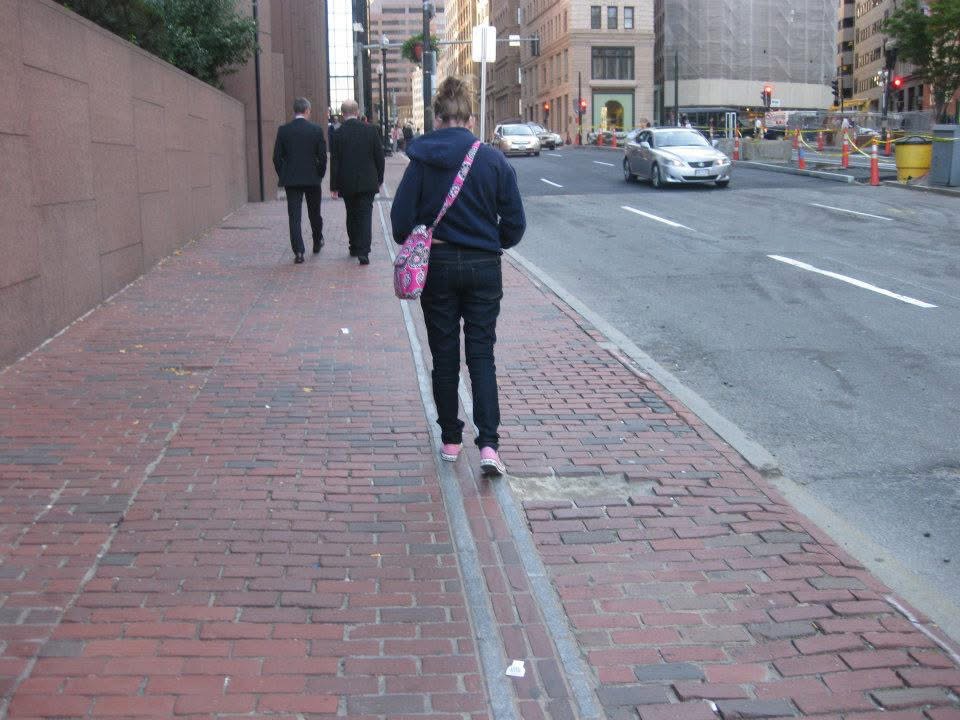
During the week, we spent our mornings at Massachusetts General Hospital. Once my appointments were finished, we became tourists. We explored the streets of Boston, wandered through Quincy Market, enjoyed amazing seafood, and soaked in everything the city had to offer. When our schedule allowed, we’d spend the weekend exploring Cape Cod before heading home.
Looking back, my parents did something incredible.
They refused to let these become “hospital trips.”
Instead, they became family adventures.
Of course, there was one part of every trip that I wasn’t exactly excited about…
Giving blood.
Lots of blood.
I still remember our very first visit when they explained that I would need to have blood drawn for four or five days in a row.
I panicked.
When they came in to draw my blood, I looked at them and politely said, “No, thank you.”
Needless to say…that wasn’t an option.
The next day, the research team came prepared. They brought in a yoga mat and a paper towel roll for me to lie on, had me turn my head the other direction, and before I knew it, it was over.
From that day forward, I had my routine.
Every time we returned to Boston, they already knew exactly how to help me. They’d have my little setup ready, I’d go first thing in the morning, get my blood work over with, and then we’d spend the rest of the day exploring Boston with my family.
There was also one pretty great incentive.
Every time I successfully gave blood, my aunt would hand me $50 to go shopping afterward.
As a kid, that was more than enough motivation.
Looking back now, it wasn’t the shopping that made those trips unforgettable.
I knew my family was beside me every step of the way.
Between 2007 and 2011, we made six trips to Boston:
- May 2007
- June 2007
- May 2008
- June 2009
- June 2010
- September 2011
By the time we returned for our final trip in 2011, Boston had started to feel familiar. One of my favorite memories from that visit was finally getting to spend time with a friend I had met years earlier at diabetes camp. Although we had stayed in touch over the years, she was living in the Boston area at the time, so while I wasn’t participating in the clinical trial, we were able to explore the city together, catch up in person, and make new memories.
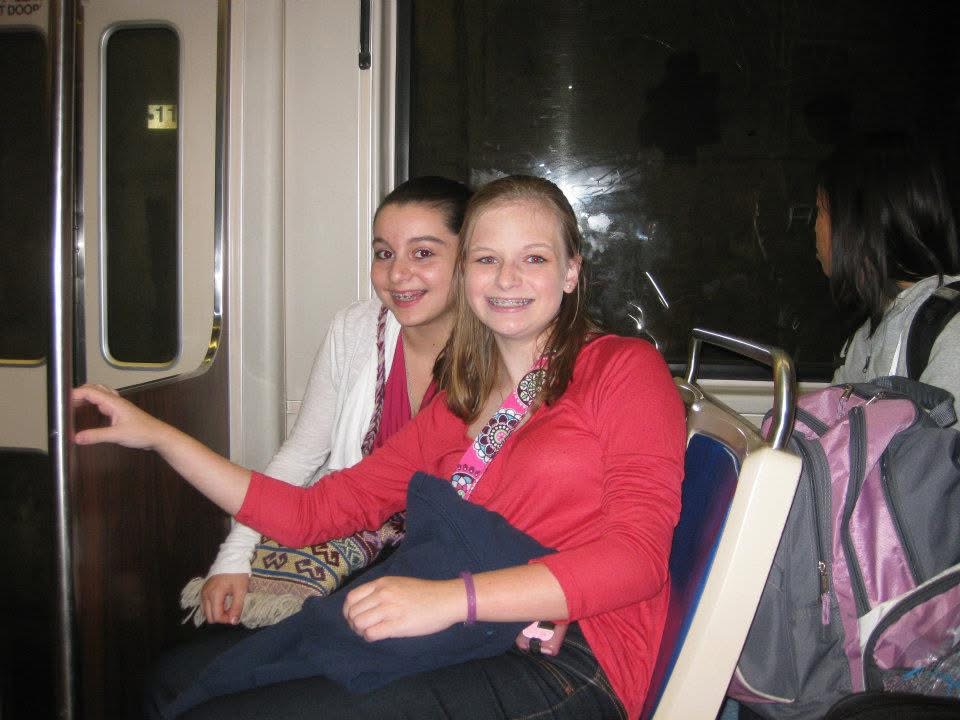
Looking back, that memory means even more to me now. Type 1 diabetes has introduced me to some incredible people throughout my life, and Boston became the place where two different parts of my journey came together—my lifelong diabetes camp friendships and my participation in research that had the potential to change the future for people living with Type 1 diabetes.
As I got older, I finally began to understand why those trips mattered so much.
Dr. Faustman’s team was studying how the immune system behaves in people living with Type 1 diabetes. They measured tumor necrosis factor (TNF), a protein that helps regulate the immune system, as well as the autoimmune T cells that mistakenly attack the insulin-producing beta cells in the pancreas.
One of the most important discoveries from her research was that the autoimmune attack doesn’t simply stop after diagnosis—it continues for years. At the same time, our bodies continue to try to produce new beta cells, but those cells are often destroyed by the ongoing autoimmune process.
Her research explored whether the century-old BCG vaccine could help retrain the immune system by increasing TNF levels. Through years of blood samples from participants like me and so many others, researchers were able to better understand the immune response, develop important laboratory tests, and continue advancing the field.
As a child, I didn’t understand any of that.
I was thinking about spending my $50, seeing what adventure we’d go on next, and getting my blood draw over with so I could enjoy Boston.
Today, I see those trips through a completely different lens.
Every tube of blood represented hope.
Hope that maybe one day children diagnosed with Type 1 diabetes would have more treatment options—or perhaps one day, not have to live with this disease at all.
The recent news about Dr. Faustman’s work doesn’t mean we’ve found a cure. There is still much more research to be done, and that’s an important distinction. But seeing these promising results reminded me that scientific breakthroughs don’t happen overnight.
They happen because researchers dedicate decades to asking difficult questions.
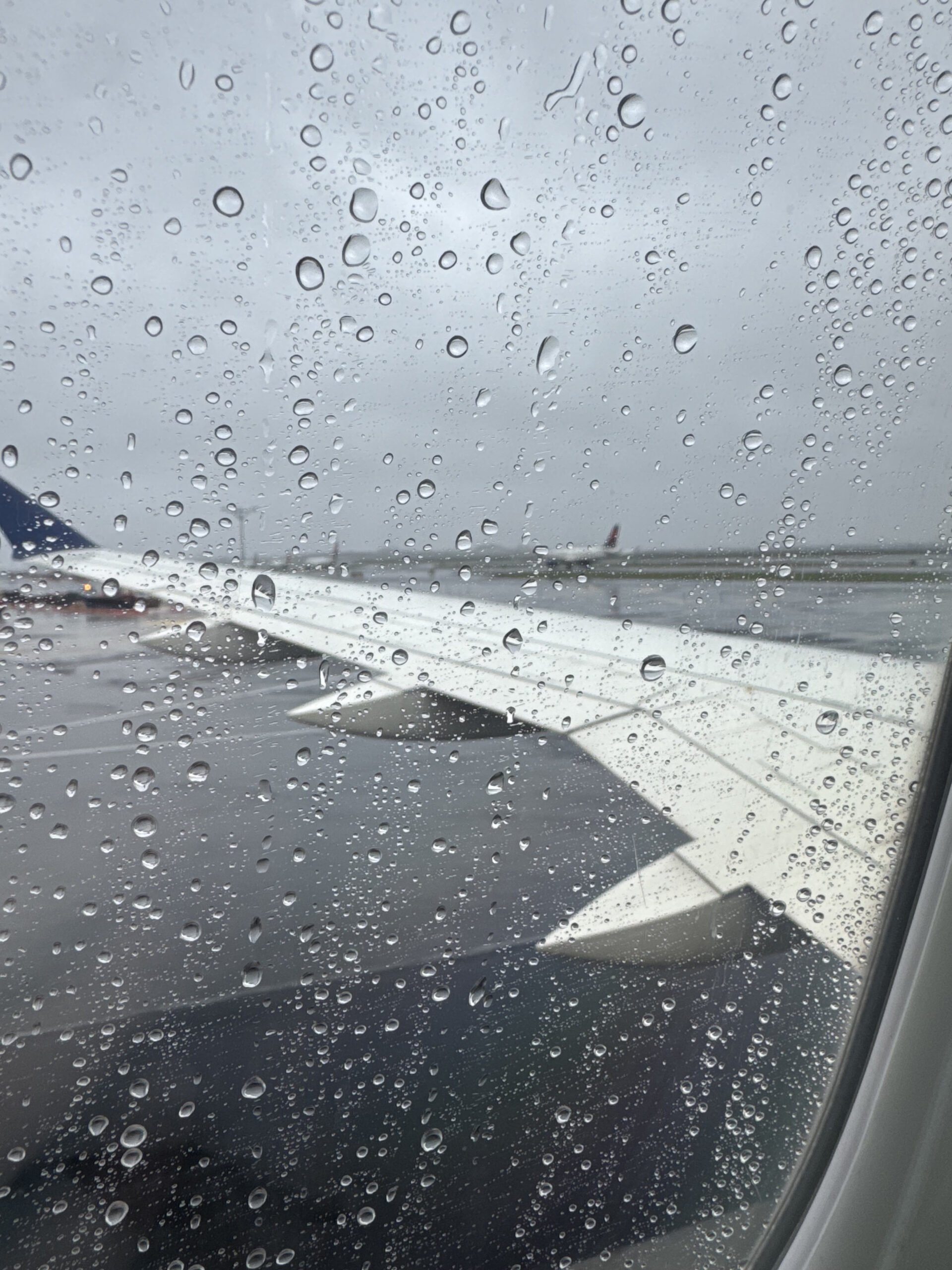
They happen because families are willing to board airplanes, spend days in hospitals, and say yes to participating in research.
They happen because children find the courage to come back the next day after saying, “No, thank you.”
And they happen because thousands of people living with Type 1 diabetes choose to be part of something bigger than themselves.
When I think about Boston today, I don’t just think about Massachusetts General Hospital.
I think about walking through Quincy Market with my family.
I think about spending weekends exploring Cape Cod.
I think about reconnecting with a friend from Camp Sweeney.
I think about my aunt handing me $50 after another successful blood draw.
Most of all, I think about how grateful I am that my parents said “yes” to every one of those trips. They gave me more than the opportunity to participate in research—they gave me incredible family memories, lifelong friendships, and the chance to contribute, in some small way, to something much bigger than myself.
I don’t know what the future holds for BCG research.
None of us does.
But if even one tube of my blood helped move Type 1 diabetes research one step closer to helping future generations, then every single trip to Boston was worth it.
Harriet’s Diabetes Travel Notes
Destination: Boston, Massachusetts
Years Traveled: 2007–2011
Purpose: Participating in Dr. Denise Faustman’s Type 1 diabetes research at Massachusetts General Hospital.
Favorite Memories: Exploring Boston with my family, weekends in Cape Cod, reconnecting with a friend from diabetes camp, and my aunt rewarding every successful blood draw with a $50 shopping trip.
Biggest Takeaway: As a child, I thought I was simply traveling to another doctor’s appointment. Looking back, I realize I was witnessing history in the making. Those trips taught me that hope isn’t built in a single breakthrough—it grows from years of dedication, thousands of volunteers, and families willing to keep showing up.
Dr. Faustman Lab: https://faustmanlab.org/
Dr. Faustman in CBS News: https://www.cbsnews.com/boston/video/tuberculosis-vaccine-used-to-treat-type-1-diabetes-shows-promising-results-in-clinical-trial/
Camp Sweeney: https://campsweeney.org/