





When you’re first diagnosed with diabetes, one of the biggest questions is often:
“How do I know how many carbs are in my food?”
Carb counting can feel overwhelming at first, but it gets easier with practice. Understanding carbohydrates is one of the most important tools for managing blood sugar, especially if you take insulin.
Here are a few simple tips to get you started.
What are carbohydrates?
Carbohydrates (or “carbs”) are the nutrient that has the biggest impact on your blood sugar. They’re found in foods like:
- Bread
- Pasta
- Rice
- Potatoes
- Fruit
- Milk and yogurt
- Cereal
- Crackers
- Desserts
- Sugary drinks
Not every food contains carbohydrates. Foods like plain meat, eggs, cheese, oils, and most non-starchy vegetables contain very few or no carbs.
Step 1: Read the Nutrition Facts Label
The first place to look is the Nutrition Facts label.
Pay attention to:
- Serving Size – Everything on the label is based on this amount.
- Total Carbohydrate – This is the number you’ll use when counting carbs.
For example:
Serving Size: 1 slice of bread
Total Carbohydrates: 18 grams
If you eat:
- 1 slice = 18 grams of carbs
- 2 slices = 36 grams of carbs
Always make sure you’re counting the amount you actually eat—not just the serving size on the package.
Step 2: Measure Your Portions
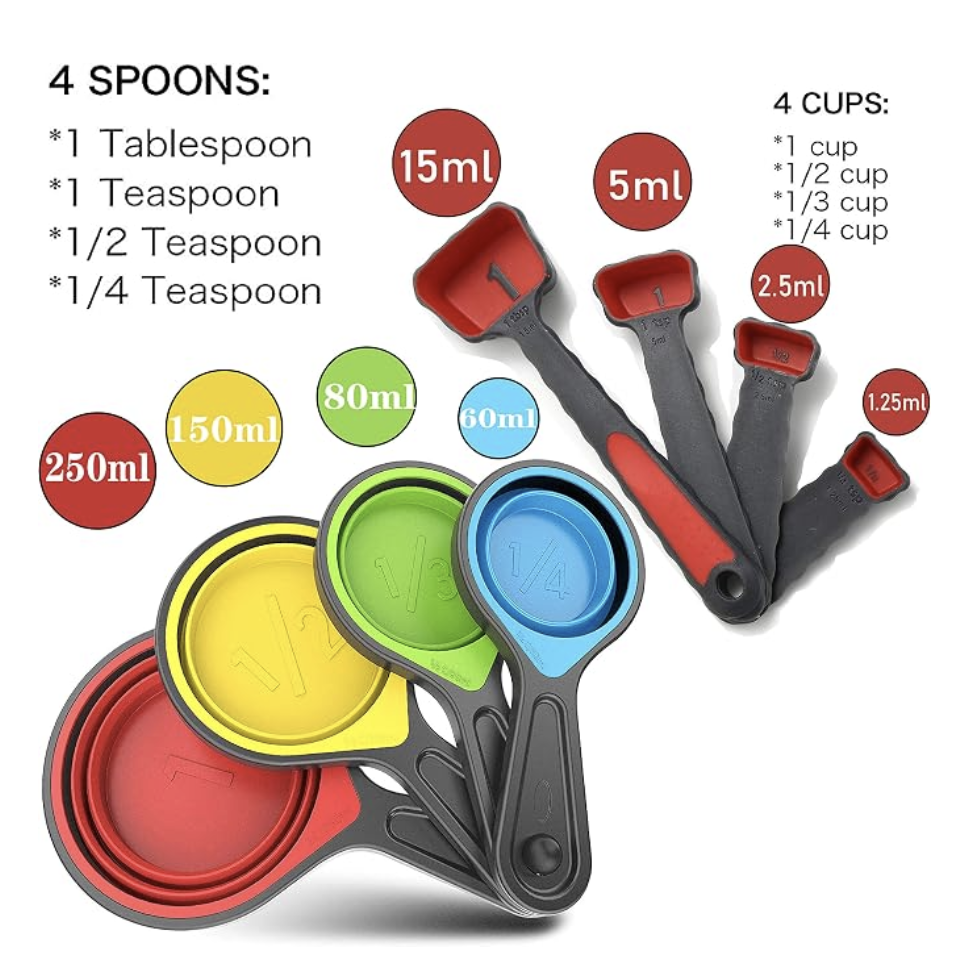
Until you become familiar with portion sizes, measuring cups or a food scale can make a huge difference.
You might be surprised to learn that what looks like one serving is often much larger.
The more you measure now, the better you’ll become at estimating portions later.
Growing up with Type 1 diabetes, my mom even carried a collapsible measuring cup in my diabetes bag. It may sound unusual now, but before smartphones and nutrition apps, it was one of our most valuable tools. If we ordered pasta, cereal, rice, or another carbohydrate-rich food, she could quickly measure out a serving so we could estimate the carbohydrates as accurately as possible. Looking back, I didn’t realize how much that simple measuring cup was teaching me. It wasn’t just about measuring food—it was helping me learn portion sizes and build confidence in carb counting that I still use today.
Step 3: Learn Common Carb Counts
Over time, you’ll start to remember the carb counts of foods you eat regularly.
One of the very first carb counts I ever memorized was a medium banana: 25 grams of carbohydrates.
To this day, I can still hear my mom saying, “A banana is 25 carbs.”
It became one of those numbers that stuck with me as I was learning how to manage my diabetes. Before long, I started memorizing the carb counts of other foods I ate regularly, too.
Examples include:
- One medium banana: about 25 grams
- One medium apple: about 25 grams
- One slice of bread: 15–20 grams (varies by brand)
- One cup of cooked pasta: about 40–45 grams
- One cup of milk: about 12 grams
- One small tortilla: about 15 grams
The more familiar you become with your favorite foods, the more confident you’ll feel when it’s time to count carbs and dose insulin.
Step 4: Use Helpful Apps
Apps can make carb counting much easier, especially when you’re eating out or trying something new.
Many people find it helpful to use apps that allow you to search foods, scan barcodes, or browse restaurant nutrition information.
Step 5: Don’t Be Afraid to Ask Questions
Learning to count carbs doesn’t happen overnight.
Even after living with Type 1 diabetes for years, I still double-check nutrition labels, restaurant information, or serving sizes when I’m unsure.
That’s completely normal.
Remember…
Carb counting isn’t about being perfect.
It’s about making the best estimate you can with the information you have.
Every meal is another opportunity to learn, and with time, carb counting becomes second nature.
Give yourself grace as you learn. Every person living with diabetes started exactly where you are now.
Harriet’s Tip 💙
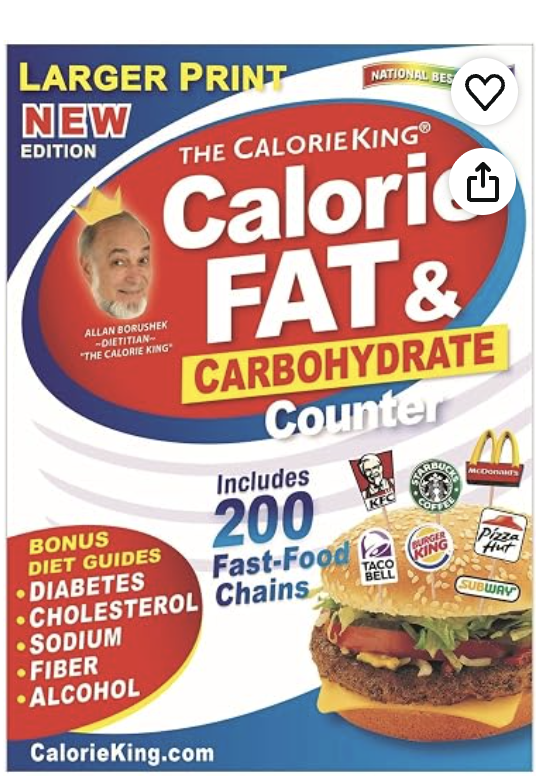
One of my favorite memories from growing up with Type 1 diabetes is that my mom carried a CalorieKing book everywhere we went. Back then, in the early 2000s, smartphone apps didn’t exist, so that little yellow book was our go-to resource whenever we ate at a restaurant or tried something new. If we weren’t sure how many carbs were in a meal, she would pull out the book and look it up right there at the table.
Today, we’re incredibly fortunate to have smartphone apps that can instantly look up carb counts, scan barcodes, and even estimate nutrition at restaurants. Whether you’re using CalorieKing, MyFitnessPal, Cronometer, or another carb-counting app, these tools can make carb counting much less overwhelming—especially when you’re newly diagnosed.
Technology has changed dramatically over the years, but the goal remains the same: making the best estimate you can so you can confidently manage your diabetes. And if you’re ever unsure, don’t be afraid to double-check. I still look up carb counts today, even after living with Type 1 diabetes for more than 25 years.
Looking back, I’m so grateful for the time and effort my mom put into helping me learn these skills. Those simple tools—a CalorieKing book and a collapsible measuring cup—helped build the confidence I have today. They remind me that while technology has made diabetes management easier, preparation and education will always be the most important tools we carry.