



Traveling with Diabetes: Practical Tips for Safe and Confident Adventures in 2026
Estimated reading time: 8 minutes
- Prepare thoroughly: Meet with your healthcare provider and organize supplies.
- Navigating travel: Get tips for air travel, car rentals, and international journeys.
- Manage meals: Embrace local cuisines while maintaining blood sugar control.
- Stay safe: Use a daily checklist for diabetes supplies and medical needs.
- Connect with others: Join diabetes communities for support while traveling.
Table of Contents
- Preparing for Your Trip: Laying the Foundation for Diabetes Travel Safety
- Navigating Airports, Car Rentals, and Overseas Journeys with Diabetes
- Healthy Meal Planning and Managing Blood Sugar While Abroad
- Medication Storage and Tech Essentials: The Savvy Traveler’s Guide
- Coping with Common Challenges: Real-World Diabetes Travel Tips
- Exploring the World: Destination Highlights and Inspiration
- Staying Safe and Confident: Your On-The-Go Checklist
- Community and Support: You’re Never Alone When Traveling with Diabetes
- Final Thoughts: Embrace the Adventure
Preparing for Your Trip: Laying the Foundation for Diabetes Travel Safety
The most successful diabetes-friendly trips begin long before you hit the road or board your flight. Preparation is your best defense against the unexpected.
- Meet with Your Healthcare Provider: Schedule an appointment to discuss your travel plans. Ask your doctor for advice on adjusting insulin doses for changes in time zones, activity levels, or climate. Don’t forget to secure extra prescriptions in case you lose your supplies.
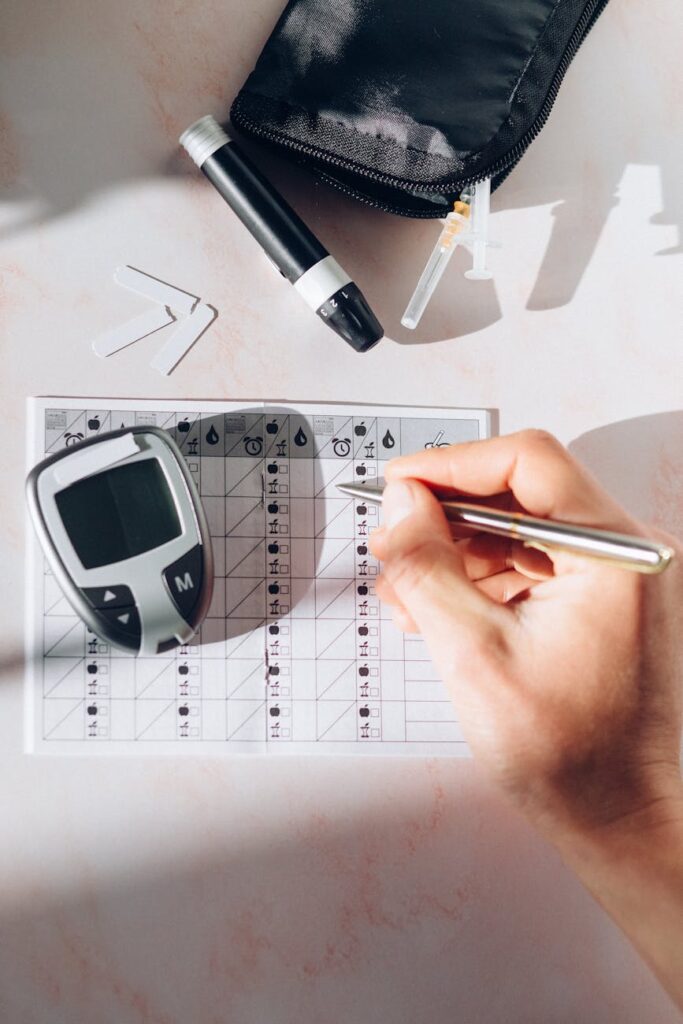
- Collect and Organize Diabetes Supplies:
- Pack at least double the amount of medications, test strips, insulin, and other supplies you’d typically use during your trip, split between two bags.
- Request a doctor’s note and prescription documentation—these make passing through security and pharmacy visits abroad far easier.
- Store a clear list of emergency contacts.
- Gather Medical Identification: Carry a medical ID bracelet or card stating your diabetic status, medications, and emergency information in local and English languages.
- Plan a Medication Storage Strategy:
- Invest in a reliable insulated travel case for insulin, as many climates can damage temperature-sensitive medications (look for tips on top travel gear at The Diabetic Travel Guide).
- Research whether accommodations have refrigerators, or consider travel coolers for days on the move.
Navigating Airports, Car Rentals, and Overseas Journeys with Diabetes
Air Travel: Smooth Security Checks and In-Flight Management
Airports can be daunting—especially for travelers managing diabetes.
- Inform security staff early that you’re traveling with diabetes supplies, including needles and patches.
- Separate your supplies into clearly labeled containers, and keep snacks or glucose tabs handy for quick access.
- The TSA allows medical devices and supplies in carry-on bags; have your documentation ready.
- During flights, keep your diabetes medications with you in the cabin (checked luggage may be subject to extreme temperatures and loss).
- Drink water throughout your journey—airplane cabins often cause dehydration, which can affect blood sugar.
Renting Cars and Exploring by Road
Renting a car gives you freedom and flexibility—essential for diabetes management on the go.
- When choosing among the best car rentals in France or elsewhere, select companies with reliable customer support and flexible pickup/drop-off options.
- Pack a small cooler in your car for fresh snacks and insulin storage.
- Plan regular rest stops to check blood sugar and stretch your legs to offset long periods of sitting.
International Travel Fundamentals
- Understand how to call emergency services at your destination.
- Translate keywords (“I’m diabetic,” “sugar,” “insulin,” “emergency”) into the local language—helpful resources can be downloaded to your smartphone.
- Double-check travel insurance to ensure diabetes-specific emergencies are covered.
Healthy Meal Planning and Managing Blood Sugar While Abroad
Embracing Local Cuisines Without Sacrificing Control
Excited to sample tapas in Barcelona, enjoy French pastries, or dive into Scottish fare? Exploring new foods is an adventure in itself but requires mindfulness.
- Research food culture ahead of time. Review local menus online and note carbohydrate counts for common foods (for example, Google’s Translate app helps decipher ingredients in foreign languages).
- Pack portable snacks such as nuts, granola bars, or glucose tablets for unpredictable meal times or limited options.
- Consider choosing accommodation with a kitchen or kitchenette (like villas in Croatia or private rentals in Bali) to balance eating out with familiar meals.
Avoiding Blood Sugar Highs and Lows
- Stick to a routine as much as possible: test your blood sugar before and after meals, and keep a food diary during your trip.
- When sightseeing—such as exploring Barcelona’s top attractions or trekking through the Fairy Glen in Scotland—bring extra snacks and a portable glucose meter.
- Communicate with your travel companions so they can support you if a hypo or hyperglycemic emergency arises.
Medication Storage and Tech Essentials: The Savvy Traveler’s Guide
Keeping Insulin and Supplies Safe
Diabetes medications are sensitive to temperature and light.
- Store insulin between 36°F–46°F (2°C–8°C). Use travel coolers, Frio packs, or insulated cases during flights and long days exploring.
- Never expose insulin to freezing temperatures.
- Many hotels and rentals now provide mini-fridges—confirm this ahead of time.
Tech for Diabetic Travelers: Laptops and Medical Devices
Being able to communicate with healthcare providers and keep digital records is a game-changer.
- Choose from the best travel laptops, favoring lightweight, long-battery models for emergency access to telehealth, downloads of prescriptions, and storing travel documents.
- Keep a backup charger or power bank for glucose meters, continuous glucose monitors (CGMs), and phones.
Coping with Common Challenges: Real-World Diabetes Travel Tips
Jet Lag, New Time Zones, and Routine Disruption
- When crossing time zones, gradually shift your medication schedule a few days before departure.
- Communicate with your doctor to fine-tune your insulin plan for different meal and activity times.
- Upon arrival, set reminders to test your blood sugar, especially when symptoms don’t match previous experiences due to jet lag.
Sex, Intimacy, and Diabetes on the Road
Managing diabetes doesn’t take a vacation—neither do our relationships. Drawing insights from personal stories, acknowledge that new climates, stress, and different foods can all influence glucose levels, which in turn can affect intimacy and energy levels.
- Talk openly with your partner about blood glucose fluctuations and any concerns.
- Pack supplies for comfortable monitoring and quick corrections as needed.
- Remember that confidence and communication are key, and prioritize self-care even when itinerary changes tempt you to push your limits.
Exploring the World: Destination Highlights and Inspiration
Diabetic-Friendly Destinations
Whether you’re eager to soak in the history of Scotland’s Glenfinnan Viaduct, wander Nicaragua’s vibrant streets, or sip espresso in Paris, the possibilities are endless. When selecting a destination:
- Review transportation options (such as getting around Nicaragua), noting accessible clinics and pharmacies.
- Prioritize places with reliable medical care and grocery stores.
- Think about accommodations with amenities for storing or preparing food—villas with pools in Croatia or Bali offer luxury and flexibility, perfect for balancing rest and social activities.
Daily Itineraries with Diabetes in Mind
- Structure your days to include downtime for rest and testing glucose levels.
- Plan main activities around typical meal times, allowing you to keep to your regular eating schedule as closely as possible.
- Pack activity-friendly medical kits—slim wallets, snack bags, and lightweight meters.
Staying Safe and Confident: Your On-The-Go Checklist
Before heading out each day, run through this mental checklist:
- Do I have enough snacks and water?
- Are my diabetes supplies and emergency kit in my day bag?
- Have I communicated my needs to my travel partners?
- Do I know the nearest medical facility and how to access help?
- Did I test my blood sugar before setting out?
Community and Support: You’re Never Alone When Traveling with Diabetes
Travel may feel isolating at times, but thousands of people with diabetes take to the skies, highways, and railways every day. Connecting with local diabetic support groups, joining communities online, and sharing your experiences can make a world of difference.
Visit The Diabetic Travel Guide About Us to discover our mission and join our growing network of diabetes travelers, caregivers, and supporters. Our resources cover every step of the journey, offering detailed guides, first-hand stories, and the latest diabetes travel tips so you’re always prepared and never alone.
Final Thoughts: Embrace the Adventure
Traveling with diabetes requires extra planning but is deeply rewarding—offering the chance to experience new places, foods, and cultures. By taking the right precautions, staying organized, and reaching out for support, you can transform challenges into opportunities for adventure and discovery.
Ready to explore with confidence? Dive deeper into our extensive collection of travel tips, destination guides, and support resources at The Diabetic Travel Guide. Whether you’re planning a weekend getaway or a journey around the world, your adventure starts with confidence, preparation, and community.
Take the first step—visit The Diabetic Travel Guide and unlock a world that’s ready for you. Safe and happy travels!