




Traveling with Diabetes: Smart Strategies for Safe Adventures in 2026
Estimated reading time: 8 minutes
- Traveling with diabetes is achievable with the right preparation.
- Key steps include consulting your healthcare team, packing essentials, and understanding local resources.
- Manage blood sugar effectively during flights and while exploring.
- Develop a backup plan for emergencies and unexpected situations.
- Join a supportive community to share experiences and tips.
Table of Contents
- Why Traveling with Diabetes Requires Specialized Planning
- Preparing for Your Trip: Key Steps to Take Before You Go
- Navigating Transportation: Flights, Car Rentals, and Local Journeys
- Staying Healthy in New Destinations: Blood Sugar, Food, and Activity
- Staying Cool: Medication Storage and Temperature Concerns
- Special Considerations: Sex and Relationships on the Road
- Tackling Common Travel Challenges for Diabetic Travelers (and How to Overcome Them)
- Building Confidence for Every Journey: What Sets The Diabetic Travel Guide Apart
- Frequently Asked Questions: Diabetic Traveler Edition
- Your Next Step: Plan Your Diabetes-Confident Adventure Today!
Why Traveling with Diabetes Requires Specialized Planning
Traveling with diabetes means being mindful of unique needs that may not apply to others. Time zone changes, unfamiliar foods, unexpected delays, new climates, and increased physical activity can all affect your blood sugar and insulin needs. With research-backed solutions, you can navigate these hurdles smoothly and enjoy every moment of your trip.
The Diabetic Travel Guide is committed to empowering travelers like you to travel safely, happily, and to make adventure accessible to all people living with diabetes. Our practical advice is built on trusted medical sources, real-life experiences, and decades of travel know-how.
Preparing for Your Trip: Key Steps to Take Before You Go
1. See Your Healthcare Team
Start your travel preparations by talking with your doctor or diabetes educator. Let them know your travel dates, destinations, and itinerary details. They can:
- Review your diabetes management plan.
- Adjust your medications if you’ll cross time zones.
- Provide a letter for airport and border security, outlining your medical supplies and insulin needs.
- Prescribe extra medications, test strips, and glucagon if necessary.
Tip: Start this process at least one month in advance to allow time for paperwork and prescription refills.
2. Pack Smart—And Always Over-Prepare
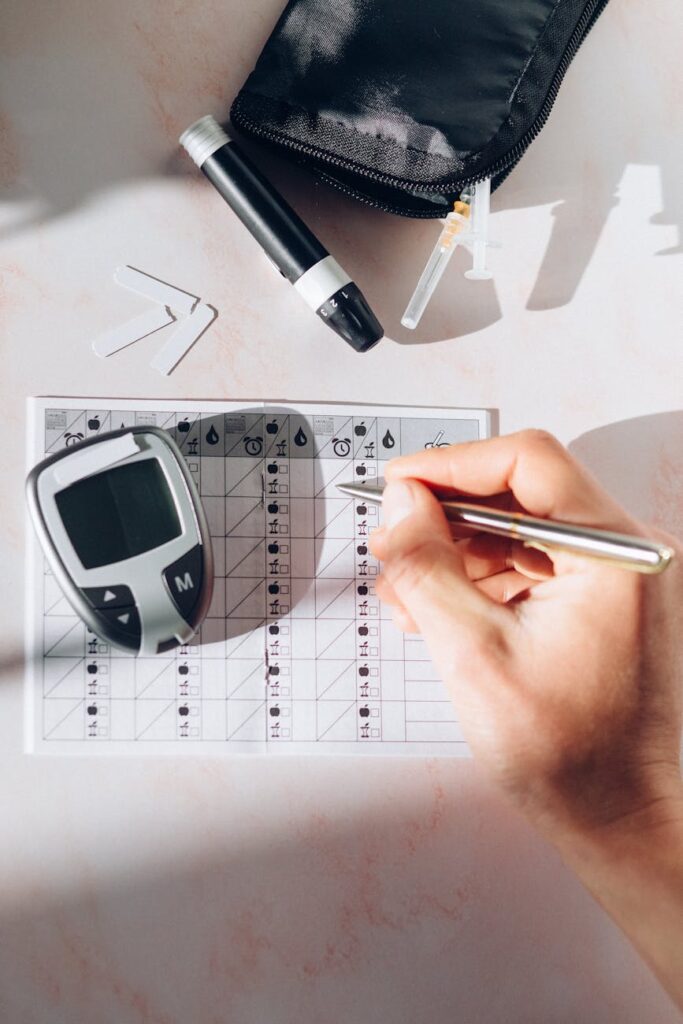
When it comes to traveling with diabetes, over-packing medical supplies is best. Make a checklist to ensure you have:
- Extra insulin or oral medication (double your usual amount)
- Blood glucose meter, extra batteries, and test strips
- CGM (continuous glucose monitor) and/or pump supplies
- Insulin pens/syringes and lancets, as appropriate
- Fast-acting glucose (like gels, tablets, or juice boxes)
- Glucagon emergency kit
- A doctor’s letter and written prescriptions (hard copy and digital)
- Sharps container (portable or crush-proof)
- Snacks for treating lows or to fill gaps during transit delays
Travel tip: Split your supplies between carry-on and checked luggage in case bags are delayed or lost. Keep essentials (insulin, test strips, glucose treatments) in your carry-on at all times.
3. Research Local Resources
Before you travel, know where the nearest hospitals and pharmacies are at every stop. Save their addresses and phone numbers on your phone (both offline and online).
- Apps like Google Maps or offline navigation can be invaluable in a pinch.
- Check insurance coverage and consider travel insurance that covers diabetes management, medical emergencies, and medication replacement abroad.
Navigating Transportation: Flights, Car Rentals, and Local Journeys
Air Travel with Diabetes
Preparing for Airport Security
Airport security can be stressful, especially with injectable medications, pumps, and glucose supplies. Here’s how to travel confidently:
- Arrive early and have your doctor’s letter ready.
- Keep all medical supplies in their original packaging.
- Inform security staff about your diabetes (they are trained to help).
- If using an insulin pump or CGM, ask about alternate screening procedures to avoid x-ray or disconnecting devices.
For more detailed advice, TSA and equivalent agencies in Europe and Asia offer traveler-specific diabetes information online.
Managing Blood Sugar in the Air
Long flights, interrupted meal times, and inactivity can play havoc with glucose levels.
- Test your blood sugar more often during flights.
- Set reminders to move and stretch hourly.
- If you get up often to use the restroom, it’s a great opportunity to keep your blood moving.
- Order special diabetic-friendly meals with airlines ahead of time if available, but always assume meals may be late—bring snacks just in case.
- Adjust insulin or medications only if advised by your doctor, especially when crossing time zones.
Renting Cars in France—or Exploring by Road Anywhere
Road trips give flexibility but require careful meal and medication management. Use trusted resources like the 10 Best Car Rentals in France in 2026 to secure reliable transportation, which allows you to:
- Stop for regular blood sugar checks and snack breaks.
- Store medications properly using car coolers or insulated bags (never leave insulin in a hot car).
- Plan routes with nearby supermarkets and pharmacies for emergency supplies.
Whether exploring the countryside of Scotland, enjoying a Mediterranean villa, or getting around cities like Barcelona, self-driven travel lets you maintain your own schedule—a huge plus for diabetes management.
Staying Healthy in New Destinations: Blood Sugar, Food, and Activity
Managing Activity and Blood Sugar in Active Itineraries
Sightseeing, hiking, and city walking tours (think your 2 day Barcelona itinerary) can mean more steps than you realize.
- Always check blood sugar before, during, and after activity.
- Carry a small backpack with low snacks, water, glucometer, and emergency info.
- Clave others——pace yourself—rest as needed and pay attention to the signs of lows (shakiness, sweating, confusion).
Eating Well while Traveling with Diabetes
Trying new foods is a travel highlight, but unfamiliar dishes can make carb counting challenging. Here’s how to manage:
- Learn a few food phrases in the local language to find out what’s in each dish.
- Use your phone’s carb-counting app or take photos of meals to review with a dietitian when you return.
- If staying at a villa or private apartment (such as those in Bali or Croatia), cook some of your own meals—a great way to control ingredients and portions.
- When eating out, choose grilled, baked, or steamed dishes, avoid extra sauces, and ask for dressings on the side.
Pro-tip: Stop by local grocery stores to pick up fresh fruits, whole grains, yogurt, and nuts—perfect for snacks or on-the-go breakfasts.
Staying Cool: Medication Storage and Temperature Concerns
Extreme temperatures can impact your medication—especially insulin, which loses effectiveness if it’s too hot or frozen.
On the road: Use an insulated medication travel bag with ice packs or gel packs (but not directly against the insulin).
Utilize fridges in hotel rooms or portable coolers in cars or during long journeys (see travel tips for getting around Nicaragua).
In hot climates: Never leave medications in sunlight or a hot vehicle.
Store your supplies in a shaded area of your bag, and replace ice packs as needed.
In cold climates: Protect medicines from freezing by keeping them close to your body inside an inner pocket.
Regularly check your medications for discoloration or particles; if in doubt, replace them at local pharmacies.
Special Considerations: Sex and Relationships on the Road
Travel often means shared experiences with a partner, and intimacy is part of many journeys. As highlighted in “Sex and Diabetes: From Her Point of View”, open communication about diabetes can help both partners feel comfortable and safe, even during new adventures.
- Pack enough supplies for both daily management and emergencies.
- Tell your partner how to respond if you have a low blood sugar episode, especially if you use a CGM with remote alerts.
- If using devices like an insulin pump, jointly plan how to manage them during busy days or while sharing accommodations.
Traveling brings couples closer together and offers the chance to learn more about how diabetes impacts your relationship—both at home and abroad. Respecting each other’s needs and planning ahead makes every journey smoother.
Tackling Common Travel Challenges for Diabetic Travelers (and How to Overcome Them)
1. Time Zone Changes
Crossing time zones can disrupt medication schedules and meal routines.
- Plan medication adjustments with your healthcare provider before you leave.
- Use phone alarms to remind you of medication times or blood glucose checks in your “home time zone” and shift gradually as you adjust.
2. Unexpected Delays
Transit strikes, traffic jams, missed connections, or lost luggage—any traveler can encounter them, but for those living with diabetes, these challenges carry higher stakes.
- Always keep extra fast-acting carbs and water handy.
- Pack an “emergency kit” in your carry-on: back-up insulin pens, oral medications, pen needles, a spare meter, and two days’ worth of snacks.
- If you have dietary requirements, do some research in advance about airport, train station, or ferry port food options.
3. Language Barriers
Explaining your diabetes to medical staff, restaurant servers, or fellow travelers can be daunting if you don’t speak the language.
- Carry diabetes translation cards (printable from many diabetes organizations online).
- Learn a few key phrases, such as “I have diabetes,” “I need sugar urgently,” or “Is there sugar in this food?” in the local language.
- Store emergency contacts and insurance information on your phone (and on a paper card).
4. Medical Emergencies Abroad
No one wants to think about it, but preparedness brings peace of mind.
- Have a backup plan: Know the location of the nearest hospital and pharmacy.
- Wear a medical ID bracelet or necklace at all times.
- Travel with someone who knows how to help in a diabetes emergency, or teach a guide or travel companion basic steps before your trip starts.
Building Confidence for Every Journey: What Sets The Diabetic Travel Guide Apart
The Diabetic Travel Guide is more than a collection of tips—it’s a community of explorers, supported by experts and fellow travelers who know what it’s like to balance health needs while making memories around the globe. As seen in our About Us statement, we’re driven by the belief that everyone with diabetes deserves to explore the world, armed with practical tools and supportive advice.
Our resources provide:
- Detailed city and country guides for diabetic travelers
- Stories from real-life diabetic adventurers
- Packing lists, sample meal plans, travel checklists, and downloadable tools
- Community forums and Q&A with diabetes experts and travel pros
We are constantly updating our guides to match the latest travel and health guidance for 2026 and beyond.
Frequently Asked Questions: Diabetic Traveler Edition
Q: Can I bring insulin, pumps, or CGMs through airport security?
A: Absolutely. With proper documentation (doctor’s letter and prescriptions), you’ll encounter minimal issues. Always alert TSA or security staff about your supplies before the screening process.
Q: What if my insulin or medications are lost, stolen, or damaged?
A: Carry a backup partial supply in another bag, and keep digital and paper copies of your prescriptions. Research nearby pharmacies and hospitals before you leave home.
Q: What’s the best way to stick to my meal plan when I don’t know what’s in restaurant food?
A: Choose simple, less-processed menu options and use translation tools to ask about ingredients. When unsure, estimate carbs on the higher side and monitor your response.
Q: Do I need travel insurance?
A: Yes, ideally a policy that covers pre-existing conditions and emergency medical needs related to diabetes.
Your Next Step: Plan Your Diabetes-Confident Adventure Today!
Traveling with diabetes is not just possible—it’s empowering. Every journey you take arms you with fresh memories, greater confidence, and a deeper sense of independence.
Don’t let diabetes define your travel boundaries. With proper planning, the right support, and the flexible, research-backed tips found here, you can roam with confidence—no matter your diagnosis, destination, or travel style.
Ready to dive deeper? Explore city guides, packing checklists, real traveler stories, expert Q&A, and downloadable tools at The Diabetic Travel Guide. Subscribe for our latest updates and join a growing community built to make every adventure safe, seamless, and joyful for travelers with diabetes.
Pack your bag, chart your path—the world is waiting, and you’re 100% ready!