




Traveling with Diabetes: Expert Tips for Safety, Confidence, and Adventure
Estimated Reading Time: 8 minutes
- Planning ahead is crucial to manage diabetes effectively while traveling.
- Monitor your blood sugar levels frequently to adjust for new experiences.
- Pack extra diabetic supplies to avoid disruptions.
- Tackle airport security and international travel challenges with preparedness.
- Enjoy local cuisines while maintaining blood sugar stability.
Table of Contents
- Why Planning Matters: Diabetic Travel Tips for Every Journey
- Essential Pre-Trip Preparation for Safe Travel with Diabetes
- Blood Sugar Management on the Move
- Medication Storage: Keeping Insulin Safe and Potent
- Airport Security and International Travel: Navigating with Confidence
- Eating Well: Meal Planning and Local Cuisine
- Addressing Common Travel Challenges for Diabetics
- Special Considerations: Relationships and Health on the Road
- Reliable Resources to Support Your Diabetic Travels
- Put Your Plan in Motion: Quick Action Steps Before Your Next Trip
- Your Journey Awaits—Don’t Let Diabetes Hold You Back
Why Planning Matters: Diabetic Travel Tips for Every Journey
Travel introduces exciting changes—new foods, different time zones, and unique physical activities. But these changes can also require thoughtful preparation when traveling with diabetes. By planning ahead, you can reduce stress, manage blood glucose effectively, and focus on making wonderful memories.
Here’s what proactive travel planning looks like for diabetics:
- Knowing your destination’s climate, cuisine, and healthcare services
- Learning local language basics for emergencies (like “I have diabetes”)
- Preparing your diabetes medications and supplies for your entire trip—plus extras
- Having a backup plan for unexpected events, such as delayed flights or lost luggage
Essential Pre-Trip Preparation for Safe Travel with Diabetes
Preparation begins before you pack your bags or book that dream hotel. Let’s break it down:
1. Medical Consultations and Documentation
- See your doctor before leaving. This ensures your diabetes is well-controlled and that you have a travel health letter describing your diagnosis, medications, and supplies for airport security or emergencies.
- Request extra prescriptions for insulin, oral medications, and test strips.
- Obtain a travel insurance policy that covers diabetes-related issues, especially if visiting remote areas.
2. Packing Diabetic Supplies Smartly
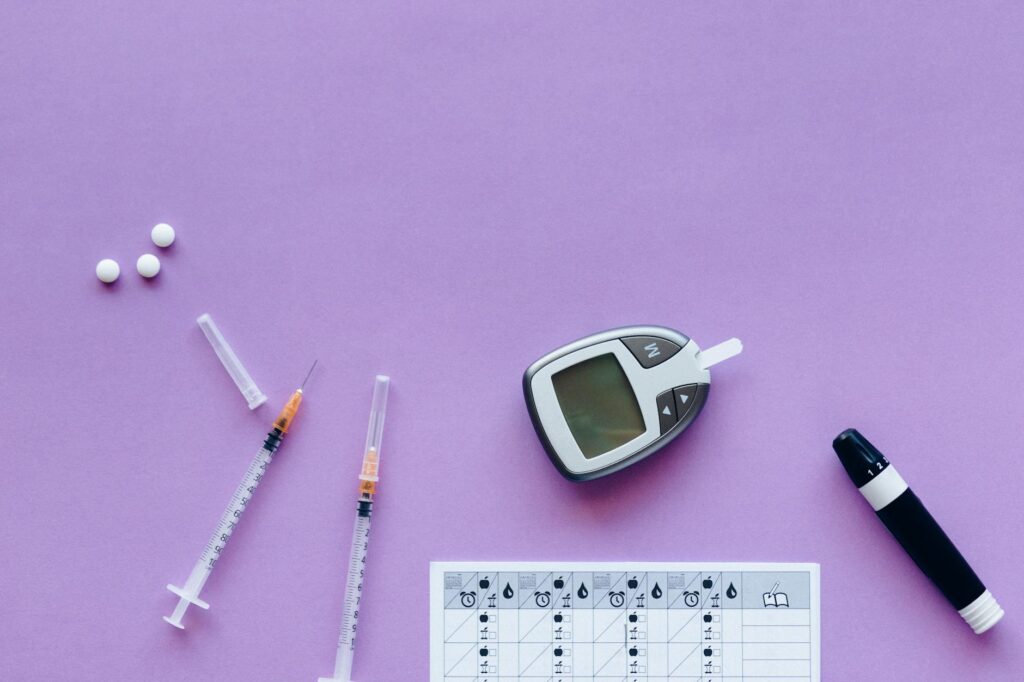
- Bring double the supplies you think you’ll use—including insulin, syringes, pens, blood glucose meters, continuous glucose monitors (CGM), testing strips, and hypo supplies like glucose tablets.
- Carry your supplies in your hand luggage. Checked bags can be lost, delayed, or exposed to extreme temperatures that could damage insulin.
- Use clearly labeled, sturdy containers and a small cooler or insulated bag for temperature-sensitive items.
3. Research Local Accommodations and Activities
- Consider diabetes-friendly stays, such as self-catering villas in Croatia or private pool villas in Bali, which offer kitchen facilities and greater control over meals.
- Check access to refrigerators for insulin storage.
- Plan your itinerary to accommodate rest breaks and blood sugar checks—for example, breaking up a busy 2-day Barcelona exploration.
Blood Sugar Management on the Move
Travel routines can cause fluctuations in blood sugar levels. Time zone changes, new foods, and irregular schedules all play a role.
Key strategies:
- Monitor your glucose more frequently—at least several times a day, especially on long flights or after unfamiliar meals.
- Adjust medication timing for different time zones or late-night dinners.
- Keep quick-access hypo treatments (like glucose gel) in every bag or pocket. Never pack all your supplies in one place!
- When driving—such as renting a car in France or road-tripping in Scotland—schedule regular stops for blood glucose monitoring and stretching.
Medication Storage: Keeping Insulin Safe and Potent
Temperature extremes can spoil insulin and some oral medications. But solutions are simple:
- Use a medical-grade cooler with cold packs for long travel days.
- For daily excursions, insulated cases or cooling pouches work well.
- Never store insulin in checked luggage, the glove compartment, or direct sunlight.
- Confirm your hotel or accommodation (such as villas or apartments) has a mini-fridge before booking.
Pro Tip: If visiting tropical climates like Bali, pack extra cooling materials and check supplies daily. Read more on how to keep meds cool while on the move at The Diabetic Travel Guide.
Airport Security and International Travel: Navigating with Confidence
Traveling through airports and crossing borders brings special challenges for people with diabetes, but awareness is your best tool.
At Airport Security
- Inform security staff you’re carrying diabetes supplies and, if possible, present your doctor’s letter.
- Medications, syringes, and glucose meters are allowed through most airport screenings but must be clearly labeled.
- Continuous glucose monitors, insulin pumps, and other medical devices should NOT go through X-ray or full-body scanners. Request a hand inspection.
- For international trips, carry documentation in both English and the destination’s main language.
Crossing Borders
- Some countries have restrictions on bringing in needles or drugs—research rules in advance.
- When traveling to non-English speaking locations—like France or Nicaragua—have translated diabetes info cards with key phrases and healthcare contacts.
Eating Well: Meal Planning and Local Cuisine
Food is a highlight of every adventure, from Scottish pub classics to Spanish tapas and Nicaraguan street fare. Here’s how to savor local cuisine while keeping blood sugars stable:
- Research common foods at your destination—identify healthy choices before you arrive.
- If staying somewhere with a kitchen (like a Croatia or Bali villa), buy fresh produce and local ingredients to prepare balanced meals.
- Carry snacks (nuts, granola bars, fresh fruit) for situations where safe food options may be limited.
- Mental calculate carbohydrate counts as you try new dishes. Don’t be afraid to ask for ingredient lists or modifications.
Remember: Your goal is to enjoy food and maintain your well-being.
Addressing Common Travel Challenges for Diabetics
Even with the best plans, you may face bumps along the road. Here’s how to prepare for—and overcome—the most common diabetes travel obstacles:
1. Jet Lag and Time Zone Changes
- Adjust insulin and medication times slowly; set alarms or use travel apps to help.
- Upon arrival, stick to local time for meals and medications as soon as possible.
2. Lost or Damaged Supplies
- Pack extra supplies in multiple bags and with your travel companions.
- Identify local pharmacies and hospitals near your accommodations—know how to ask for your medications in the local language.
3. Physical Activity Swings
- Sightseeing can be surprisingly active! Monitor and adjust your insulin or medication to prevent low blood sugar when walking, biking, or hiking (such as at the Fairy Glen in Scotland).
- Always have carbohydrates handy during active excursions.
4. Illnesses and Medical Emergencies
- Research the location of clinics, hospitals, and English-speaking doctors before departure.
- Carry a medical ID and ensure your travel insurance covers diabetes emergencies.
Special Considerations: Relationships and Health on the Road
It’s important to acknowledge the personal aspects of living and traveling with diabetes, especially regarding relationships and intimacy. According to Diabetes Health’s Type 1: Sex and Diabetes: From Her Point of View, managing diabetes with a partner requires open communication, understanding, and planning.
- Discuss your needs with your travel companion, especially regarding activity levels, meal timing, and emergency responses.
- Normalize conversations about how you feel and when you need to rest or check your blood sugar.
- If intimacy is affected by blood sugar swings or physical symptoms, communicate openly and adapt your plans to what feels safe and comfortable for both of you.
Traveling together, while looking after your health, can strengthen relationships through shared problem-solving and mutual support.
Reliable Resources to Support Your Diabetic Travels
At The Diabetic Travel Guide, our mission is to equip you with accurate, up-to-date, and accessible advice for every stage of your journey. Our resources, guides, and community insights cover:
- Safe ways to manage diabetes on planes, trains, cruises, and road trips
- Expert packing lists and insurance tips
- Food guides by country and region
- Language templates for medical emergencies
- Personal stories from travelers just like you
By drawing on experiences from destinations around the globe—like France, Spain, Scotland, Bali, Croatia, and Nicaragua—you’ll get real-world insight into traveling with diabetes anywhere in the world.
Put Your Plan in Motion: Quick Action Steps Before Your Next Trip
- Schedule a pre-travel appointment with your diabetes care team.
- Create a packing checklist and gather twice the usual number of medications, supplies, and hypo treatments.
- Download key medical and translation documents to your phone or print copies.
- Browse The Diabetic Travel Guide’s website for destination-specific advice and downloadable resources.
- Connect with our community on social media and share your travel stories or questions—we’re stronger together!
Your Journey Awaits—Don’t Let Diabetes Hold You Back
With the right diabetic travel tips, preparation, and a confident mindset, traveling with diabetes transforms from a worry into an opportunity for discovery, growth, and joy. Safe travel for diabetics is not only possible—it’s your right.
So, where will you go next? Will you stroll through the magical lands of Scotland, bask in the sun beside a Balinese pool, road trip through the French countryside, or savor the flavors of Spain? Start planning today, knowing that you have all the tools and support you need.
Ready to go further?
Explore more guides, packing lists, real-life stories, and expert diabetic travel tips at The Diabetic Travel Guide. Your adventure—safely and confidently—starts here.