



Traveling with Diabetes: Practical Safety Tips, Confident Adventures, and Empowered Experiences
Estimated Reading Time: 7 minutes
- Empowered preparation is key to safe travel.
- Consult healthcare providers before your trip.
- Research medical resources at your destination.
- Be proactive about managing blood sugar levels.
- Don’t travel without a plan for medication and supplies.
Table of Contents
- Understanding the Foundations: Diabetes and Safe Travel
- Essential Diabetes Travel Safety Tips for Adventurers
- Overcoming Common Diabetes Travel Challenges
- Real-World Inspiration: From Mountains to Mediterranean Beaches
- Planning Road Trips, Rentals, and Alternative Transportation
- Specialized Considerations: Sex, Relationships, and Diabetes on the Road
- Digital Essentials: Technology for Diabetes Travel
- Confidence and Community: You’re Not Alone
- Your Next Step: Explore, Learn, and Share
Understanding the Foundations: Diabetes and Safe Travel
Travel introduces disruptions—time zones, unexpected meals, busy itineraries, and unfamiliar climates. For people managing diabetes, these changes can impact blood sugar, medication schedules, and overall well-being. However, with careful planning and the right tools, you can enjoy a broad spectrum of destinations, from the ancient castles of Scotland to the private villas of Bali, safely and confidently.
Our years of experience connecting with travelers (and experts in diabetes care) have shown us that knowledge, preparation, and a positive outlook truly make a difference. Let’s break down what you need to know and do.
Essential Diabetes Travel Safety Tips for Adventurers
1. Pre-Travel Preparation: The First Step to Confidence
- Consult your doctor: Schedule a pre-trip visit. Review your destination (considerations like altitude, climate, or local foods), update any prescriptions, and ask for a comprehensive travel letter explaining your diabetes, medications, and supplies for border officials.
- Research your destination’s medical resources: Find nearby hospitals, clinics, and pharmacies. Not every destination’s facilities are the same—Barcelona’s central hospitals may differ from rural clinics in Nicaragua.
- Gather documentation: Carry medical ID, international insurance (some plans specify coverage for chronic conditions), and a list of generic drug names in case you need refills.
2. Packing for Success: Diabetes Essentials Checklist
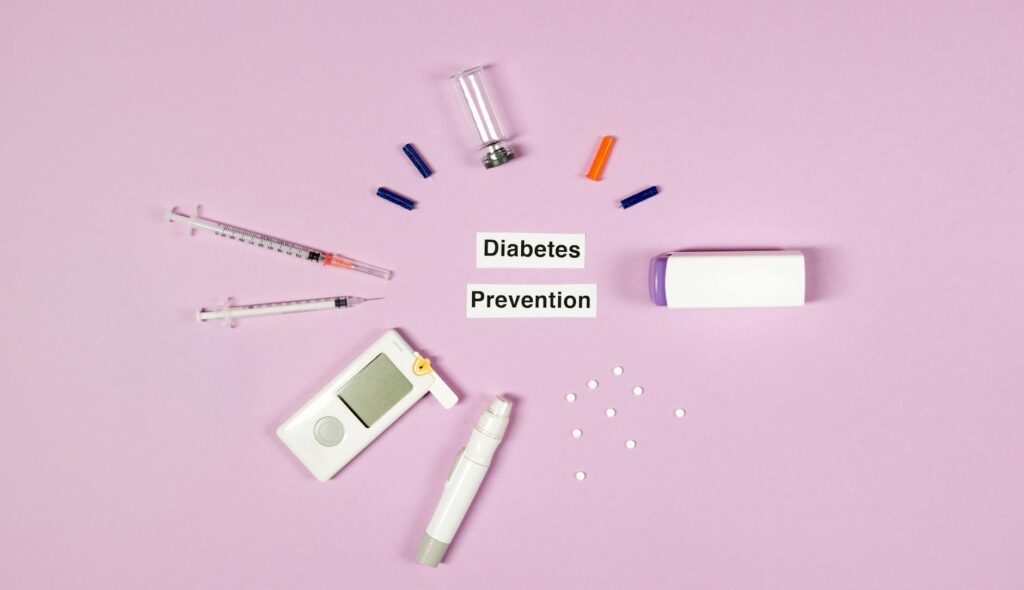
- Supplies, supplies, supplies: Bring at least double your usual medications, test strips, sensors, and syringes. Unexpected delays or travel mishaps can happen.
- Carry-on only for lifesaving supplies: Always keep insulin and other diabetes supplies with you. Never check them in your hold luggage.
- Temperature control: Insulin and many CGM (Continuous Glucose Monitor) sensors are temperature-sensitive. Portable cooler packs are great for hot climates like Bali, while insulated pouches protect from the cold during a Scottish winter.
- Snacks and fast-acting glucose: Hypoglycemia can strike without warning, especially with increased activity or changes in mealtimes. Carry glucose tablets or gels, as well as easy, low-GI snacks like nuts and granola.
- Local foods and carb counting: Research local foods and typical restaurant menus—understanding portion sizes and carb-content will help you keep your insulin on track.
3. Navigating Airports, Security, and International Borders
- Medical documentation at the ready: Keep doctor’s letters, prescriptions, and airline-approved notes in your hand luggage.
- Communicate: Greet security staff with a clear, calm explanation of your diabetes devices. TSA and most international security agencies are accustomed to insulin pumps, glucose monitors, and syringes—but transparency reduces stress.
- Time zone adjustments: Crossing time zones can disrupt insulin schedules. Work with your diabetes care team to adjust your timing, especially during long-haul flights.
- Store medication properly in-flight: Cabin temperatures are more stable than the hold; use insulated pouches and avoid placing insulin near ice packs, which can freeze it.
4. On the Ground: Managing Routine in Exotic Locations
- Accommodate activity levels: Sightseeing in Barcelona, hiking the Isle of Skye, or swimming in a Croatian villa pool all mean increased activity—which may lower your blood sugar. Monitor levels more frequently.
- Sample local cuisine wisely: Mediterranean, French, or Balinese cuisine is delicious. Be adventurous, but maintain awareness of sugar content, portion sizes, and unfamiliar ingredients.
- Hydrate and watch your health: Travel often means heat, sun, and exertion. Stay hydrated—and remember, dehydration can raise blood sugar.
Overcoming Common Diabetes Travel Challenges
Managing Blood Sugar Highs and Lows
Travel can be unpredictable. Missed meals, changed routines, and unfamiliar foods can easily send blood sugar readings off-balance. Be proactive:
- Test more frequently: Changes in activity, meal timing, and excitement can all affect your numbers.
- Have quick-action carbs handy: Glucose gel, candy, or juice boxes fit easily in a day bag.
- Educate your travel companions: Make sure those you travel with know the basics of recognizing and helping with hypoglycemia.
Medication Storage and Temperature Control
From Parisian summers to Scottish winters, diabetes medication can be at risk from extreme temperatures. As covered in the “10 Best Car Rentals in France” guide, planning where and how you store your supplies (in the car, hotel, or daypack) matters:
- Portable coolers/insulated pouches: Small investments that bring peace of mind.
- Never leave medication in a parked car: Temperatures inside cars can spike or plummet rapidly.
- Check hotel amenities: Confirm that your accommodation has a mini-fridge or safe storage if needed.
Meal Planning on the Go
Balance flexibility with preparation. Pack familiar snacks for flight or bus rides. While destination guides (such as the “2 Day Barcelona Itinerary”) provide great tips on local food, it’s smart to research carbohydrate counts for regional specialties and keep a small notebook or phone app handy to track your intake.
Airport and Border Security
International travel means clearing customs—sometimes more challenging for people carrying syringes, pumps, or unexpected snacks. According to travel experts:
- Arrive early: Allowing time for additional screening avoids unnecessary stress.
- Be ready to explain: Briefly, simply, and confidently.
- Know your rights: Many countries protect travelers’ rights to carry medical supplies, with supporting documentation.
Real-World Inspiration: From Mountains to Mediterranean Beaches
With careful planning, the world is yours to explore safely. Here are just a few travel experiences from our community:
- Scottish Highlands and Glenfinnan Viaduct: Whether hiking the Fairy Glen or riding the Jacobite Steam Train, increased activity means a closer watch on blood sugar—and a chance to enjoy the adventure with peace of mind.
- Croatian Villas and Bali Poolside Retreats: Hot climates require extra vigilance for medication storage and hydration. Many resorts accommodate medical needs if you reach out ahead of time.
- Barcelona’s Bustling Streets: The Mediterranean diet can be diabetes-friendly, with fresh fish, olive oil, and local produce. Still, portion sizes and festive treats like churros require quick math and quick action!
Planning Road Trips, Rentals, and Alternative Transportation
Many adventurous travelers rent cars or use public transport, from French chateaux road trips to exploring Nicaragua. Tips from “10 Best Car Rentals in France in 2026” and the Nicaragua transport guide include:
- Keep supplies in easy reach: Airline rules apply—never pack insulin in the trunk or cargo area.
- Plan pit stops: Mark locations of pharmacies, supermarkets, and rest stops for snack breaks and glucose checks.
- Consider rental insurance: Some policies offer emergency travel assistance, helpful in case of mishaps or sudden health needs.
Specialized Considerations: Sex, Relationships, and Diabetes on the Road
Traveling with a partner? According to “Sex and Diabetes: From Her Point of View,” relationships require open communication about needs and changes in routine, especially on the road.
- Discuss your condition: Let your travel companion(s) know what to do in an emergency.
- Plan intimacy around blood sugar: Long days and active itineraries can lower blood sugar and impact mood. Keep glucose nearby and be open about your limits.
- Self-compassion: It’s normal to feel anxious or frustrated by changes in blood sugar or routine. Planning and honest conversations with loved ones help reduce stress.
Digital Essentials: Technology for Diabetes Travel
As outlined in “12 Best Travel Laptops” and by tech-savvy globetrotters, smart technology can make travel easier and safer:
- Use diabetes apps: Track your readings, medication, and meals.
- Cloud backups: Safeguard your medical files and prescriptions for easy access anywhere.
- Wireless chargers and battery packs: Keep glucometers, pumps, and phones powered on long travel days.
Confidence and Community: You’re Not Alone
Living with diabetes should never mean missing out on the trip of a lifetime. With proper research, planning, and support, you can travel safely and confidently almost anywhere. Community stories—whether road tripping in France, enjoying tapas in Barcelona, or hiking Scottish glens—prove it’s possible.
Remember, each journey teaches you new tricks and builds your self-assurance. The Diabetic Travel Guide exists so you never have to travel alone; our community is always here to answer questions, share stories, and support your next adventure.
Your Next Step: Explore, Learn, and Share
At The Diabetic Travel Guide, we offer resources designed specifically for travelers with diabetes—including destination guides, expert articles, and tools for every step of your journey. Ready to plan your next adventure with confidence?
Visit our website, explore our real-world guide library, and join our supportive community. Your journey is waiting—travel safely, travel smart, and never let diabetes limit your wanderlust.
Explore more diabetes travel tips, download handy checklists, and connect with other travelers like you at The Diabetic Travel Guide.
Your safe, confident, and empowered journey begins here. Happy travels!
FAQ
- Can I travel internationally with diabetes?
- What should I pack for traveling with diabetes?
- How do I manage hypoglycemia while traveling?
- What are some technology tips for diabetes travel?
Can I travel internationally with diabetes?
Yes, you can travel internationally with diabetes by preparing adequately—consult your healthcare provider, arrange necessary documentation, and research your destination.
What should I pack for traveling with diabetes?
Be sure to pack at least double your usual medications, testing supplies, snacks, and any necessary medical documentation. Keep these essentials in your carry-on bag.
How do I manage hypoglycemia while traveling?
Always have quick-acting carbohydrates like glucose tablets or juice on hand. Monitor your blood sugar more frequently, especially with increased activity.
What are some technology tips for diabetes travel?
Use apps to track your diabetes management, back up medical documents in the cloud, and ensure you have portable chargers for your devices.