



Traveling With Diabetes – Your 2026 Guide to Safe, Confident Adventures
Estimated Reading Time: 7 minutes
- Preparation is key for safe and enjoyable travel with diabetes.
- Know your essentials: Insulin storage, snacks, and medical documentation.
- Manage blood sugar levels by monitoring and adjusting to new schedules.
- Stay informed about local healthcare access and emergency contacts.
- Foster relationships and emotional wellness during your travels.
Table of Contents
- Why Safe Diabetes Travel Matters – And How The Diabetic Travel Guide Can Help
- Preparation Is Power: Building Your Diabetes Travel Toolkit
- Getting There: Navigating Airports, Security, and International Boundaries
- Blood Sugar on the Move – Smart Strategies for Travel Success
- Eating Well Abroad: Tasty Meals and Confident Choices
- Storing and Managing Insulin and Medications Safely
- Overcoming Common Diabetes Travel Challenges
- Wellness, Relationships, and Diabetes: The Overlooked Part of Travel
- Inspiring Itineraries: Diabetes-Friendly Destinations
- The Diabetic Travel Guide: Your Trusted Resource
- Take the First Step to Confident, Safe Diabetes Travel Today!
Why Safe Diabetes Travel Matters – And How The Diabetic Travel Guide Can Help
Travel brings excitement, discovery, and—if you have diabetes—a unique set of considerations. People with type 1 or type 2 diabetes, caregivers, and health-conscious travelers often have questions:
- How do I manage my blood sugar on the road?
- What do I need to pack?
- How do I handle medication storage in unfamiliar climates?
- Are airport security checks a hassle?
- What about eating out, time zone changes, or language differences?
The good news: with smart preparation and the right resources, all these challenges are completely manageable. We’ll draw on trusted research from Diabetes Health, DreamBigTravelFar, and our own growing community to offer insights and practical strategies. Whether your destination is France, Barcelona, Scotland, or beyond, let’s get you packed and ready for your best trip yet.
Preparation Is Power: Building Your Diabetes Travel Toolkit
Before you set foot on a plane, train, or rental car, the most important step is preparation. By planning ahead, you’ll be ready for the joys and surprises that come with travel.
Your Diabetes Packing List—Don’t Leave Home Without These!
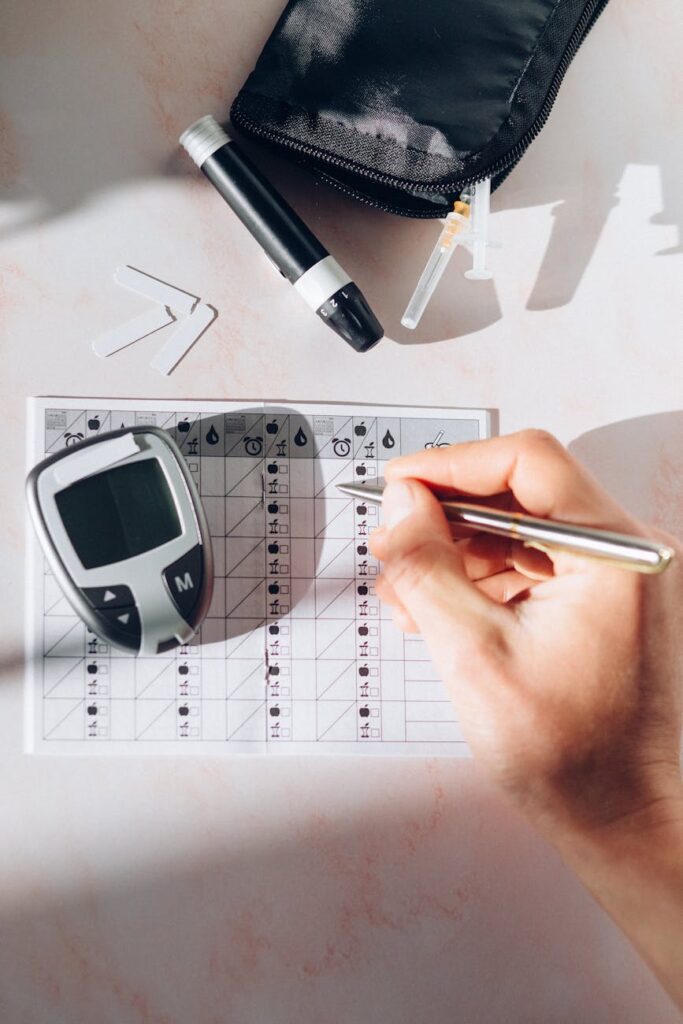
- Extra medication and supplies: Always pack more insulin, oral meds, and testing supplies than you think you’ll need. Three to five days’ extra is ideal. Store medication in its original packaging, with clear labels.
- A cool bag or mini fridge: Use a medical-grade cooler for insulin if your travels take you to hot destinations like Bali or southern France. Many pharmacies and online stores offer portable, rechargeable solutions.
- Sharps containers: Small sharps disposal boxes can be purchased at pharmacies or online—essential for safe needle disposal on the go.
- Glucose tablets/gels and snacks: Quick-digesting carbs are lifesavers if your blood sugar dips. Granola bars, dried fruit, or glucose packets fit easily into any bag.
- Medical ID: Wear a bracelet or carry a card stating that you have diabetes—this helps in emergencies, especially where there’s a language barrier.
- Backup medical documentation: Keep a signed letter from your doctor explaining your diagnosis, medication, and devices, along with current prescriptions.
Pro Tip: A compact, travel-friendly laptop is invaluable for researching food options, translating medical terms, and safely storing important documents (as suggested in the 12 Best Travel Laptops You Can Buy in 2026).
Getting There: Navigating Airports, Security, and International Boundaries
Airports and security checks can be intimidating, but with some knowledge, you’ll move through them smoothly.
Security Screening with Diabetes Supplies
- Declare your supplies: Inform security personnel upfront that you have diabetes and are carrying medications or devices. Most staff worldwide are familiar with medical needs.
- Insulin pumps and CGMs: These can usually pass through metal detectors, but avoid X-ray machines unless manufacturer guidelines say otherwise. Hand-carry any important supplies to avoid loss or mishandling in checked luggage.
- Translation cards: When traveling internationally, consider printing or downloading a translated card (in French, Spanish, etc.) explaining you have diabetes and carry syringes, test strips, or a pump.
Long-Haul Flights – Comfort and Control
- Set reminders: It’s easy to fall asleep or lose track of time. Set phone alarms for blood sugar checks or medication.
- Stay hydrated: Air travel is dehydrating; water helps keep blood sugar steady.
- Move around: Walk the aisles or do seated stretches to prevent blood clots and promote circulation.
Blood Sugar on the Move – Smart Strategies for Travel Success
Changes in your daily routine—time zones, activity levels, and food choices—can all affect blood sugar control. Here’s how to adapt.
Adjusting to New Schedules
- Consult your healthcare provider: Before travel, particularly to distant time zones, discuss how to adjust your medication schedule. Most people can gradually adapt; current guidance from leading diabetes clinics recommend incremental changes before you depart.
- Monitor frequently: Check your blood sugar more often in the first days of your trip—especially if you’re more active or trying new foods.
- Don’t skip meals: Tour adventures and sightseeing can disrupt routines. Carry snacks and listen to your body.
Inspired by the “Sex and Diabetes: From Her Point of View” article: Emotional wellness plays a big part in blood sugar stability—nurture your mind as well as your body, and talk openly with your travel partners about your needs.
Eating Well Abroad: Tasty Meals and Confident Choices
Sampling local flavors is an amazing part of travel—but new cuisines can be nerve-wracking for those mindful of their blood sugar.
Tips for Eating Out with Diabetes
- Do your homework: Research eateries ahead of time. Use tools like Google Translate or phrasebooks to communicate food allergies or preferences.
- Portion control: European or Asian servings may differ from home—start small, especially with carb-heavy dishes.
- Smart swaps: Choose grilled meats, salads, and vegetables whenever possible. Limit heavy sauces, fried foods, or sugary drinks.
- Pack backup options: For days touring the Glenfinnan Viaduct or the Isle of Skye’s Fairy Glen, whole fruit, nuts, and protein bars can fill the gap between meals.
Special Note: Local Experiences Call for Flexibility
Embrace new foods with curiosity but avoid feeling pressured to finish everything. If you’re unsure, ask about ingredients (“Is this made with sugar?” in the local language). And remember, travel is about pleasure—not perfection.
Storing and Managing Insulin and Medications Safely
Hot or cold climates can impact insulin, pills, and sensors.
Keeping Medications Temperature-Safe
- Hot destinations (Bali, Croatia): Use cooling packs or a mini portable fridge. Keep insulin out of direct sun—never leave it in a parked car!
- Cold travel (Scotland, Northern Europe): Carry insulin close to your body under warm clothing to prevent freezing.
- Hotel stays: Many hotels provide mini-fridges; if not, request a refrigerator for your medication or use a room-cooling device.
Road Trips and Car Rentals
- France and beyond: When renting a car (see the 10 Best Car Rentals in France in 2026), bring a small cooler—many companies allow you to plug in small appliances during your rental.
- Rest stops: Stash snacks and supplies in an insulated lunch bag to prevent unexpected food shortages.
Overcoming Common Diabetes Travel Challenges
Every traveler faces obstacles, but with diabetes, preparation leads to resilience.
Language Barriers
- Medical translation apps: Download one before departure; Google Translate is free and works offline if downloaded in advance.
- Essential phrases: Learn how to say “I have diabetes,” “I need sugar,” and “Where is the nearest pharmacy?” in the local language.
Unpredictable Schedules and Activity
- Spontaneity is great, but set boundaries: If your travel group wants to hike the Fairy Glen at sunrise, let them know you may need a breakfast or snack break.
- Use technology: Smartwatches, continuous glucose monitors (CGMs), and travel-friendly glucose meters make keeping tabs on your health easier wherever you are.
Accessing Medical Help Abroad
- Know nearby hospitals or clinics: Keep a list of medical centers near your hotel or major sightseeing stops.
- Emergency contacts: Program the local emergency number and the nearest embassy into your phone.
Wellness, Relationships, and Diabetes: The Overlooked Part of Travel
A journey isn’t just about places—it’s about people, including your travel companions and, importantly, yourself.
Emotions and Intimacy on the Go
Drawing from “Sex and Diabetes: From Her Point of View,” it’s clear that your emotional and relational needs matter. Stress, fatigue, and blood sugar swings can impact mood, intimacy, or connection with your travel partner. Here’s how to stay close and communicative:
- Check in with loved ones: Share how you’re feeling, especially if your energy or mood changes.
- Plan privacy and rest: If traveling with a partner, build in downtime together—even on a busy itinerary.
- Practice self-compassion: Travel brings joy, but also new stress—acknowledge your efforts and celebrate each success.
Inspiring Itineraries: Diabetes-Friendly Destinations
Interested in safe, engaging places tailored to your needs? Here are some diabetic travel highlights:
- Barcelona: The Ultimate 2 Day Barcelona Itinerary balances outdoor sightseeing with plenty of rest stops and healthy Mediterranean cuisine, perfect for blood sugar management.
- Scotland: With the 20 Best Places to Visit In Scotland, you’ll find cooler climates, active adventures, and accessible clinics for peace of mind.
- France and Croatia: From villa stays with pools to easy road trips, many regions offer relaxing environments with healthy food and good medical infrastructure.
- Bali and Nicaragua: Exotic but affordable, these locales require high-level preparation (especially regarding water, food safety, and medication storage)—but are totally possible for prepared travelers.
The Diabetic Travel Guide: Your Trusted Resource
At The Diabetic Travel Guide, we’re on your side—from the first spark of wanderlust to your safe return home. Our team, composed of experts and passionate travelers with diabetes, offers:
- Step-by-step resources: Practical packing lists, medication guides, and destination reports.
- Real-world stories: Inspiration and reassurance from others who’ve journeyed before you.
- Free downloads and tools: From translation cards to printable checklists.
- Community and support: Connect with others traveling with diabetes via our website, blog, and social media.
Take the First Step to Confident, Safe Diabetes Travel Today!
Your best trip ever is within reach—every journey starts with good information, a positive mindset, and a bit of planning. Whether you’re heading to the beaches of Bali, the streets of Barcelona, or the wilds of Scotland, we’re here for every step. Download our latest checklists, explore detailed destination guides, and become part of our supportive community at The Diabetic Travel Guide.
Ready to travel safely with diabetes? Visit The Diabetic Travel Guide to discover more tips, stories, and travel resources tailored just for you. Sign up for our newsletter and start your journey today!
FAQs
Q: Is it safe to travel with diabetes?
A: Yes, with proper preparation and management, you can travel safely with diabetes.
Q: What should I pack for diabetes management while traveling?
A: Essential items include extra medications, a portable cooler, glucose snacks, and a medical ID.
Q: How do I handle blood sugar monitoring in different time zones?
A: Consult with your healthcare provider before travel to adjust your medication schedule as necessary.
Q: What can I do in case of a medical emergency abroad?
A: Know the local emergency numbers and the nearest medical facilities at your destination.
Q: How can I find diabetes-friendly restaurants while traveling?
A: Research ahead of time and use translation apps or phrasebooks to communicate your dietary needs.