



Traveling Safely with Diabetes: Expert Strategies for Adventure, Confidence, and Well-Being
Estimated Reading Time: 7 minutes
- Learn vital preparation steps for traveling safely with diabetes.
- Discover practical tips for managing blood sugar on the go.
- Understand airport security procedures for medical supplies.
- Find strategies to handle common travel challenges.
- Empower yourself with confidence to embrace every adventure.
Table of Contents
- Before You Go: Preparation is Everything
- Smart Packing: What to Bring and How to Organize
- On the Move: Managing Blood Sugar and Medications While Traveling
- Getting Through Airport Security and Traveling with Diabetes Equipment
- Traveling in Comfort: Car Rentals, Accommodations, and Local Movement
- Tackling Common Travel Challenges for People with Diabetes
- Safety, Confidence, and Enjoyment: Making Your Diabetes Travel Experience Exceptional
- Call to Action: Discover More with The Diabetic Travel Guide
Before You Go: Preparation is Everything
- Gather Your Medical Essentials: Packing sufficient medication, testing supplies, and backup devices is crucial. As advised by experienced travelers in the diabetes community, always bring more than you think you’ll need—double the supply for an extended trip whenever possible.
- Keep Critical Information Accessible: Note your prescriptions, your diabetes regimen, the contact details of your healthcare team, and any allergies or health conditions.
- Get a Doctor’s Note: Particularly for air travel, a signed letter stating your diabetes diagnosis and listing your medications, syringes, glucometers, and other supplies can smooth the process at airport security.
- Check International Requirements: Different countries have varying rules for importing medication, especially insulin or devices containing sharps. Research local pharmaceutical laws ahead of time.
- Travel Insurance: Opt for coverage that includes your diabetes needs. Declare your condition and medications upfront—being transparent saves trouble in emergencies.
Smart Packing: What to Bring and How to Organize
Organizing your diabetes supplies helps you travel confidently by ensuring everything is easy to access. Some best practices include:
- Use a Dedicated Diabetes Travel Bag: Choose an insulated, well-organized carry-on for your diabetes supplies.
- Pack Small, Frequent Snacks: Nuts, glucose tablets, granola bars, and dried fruit are ideal for managing blood sugar dips without relying on unpredictable airport or roadside options.
- Protect Insulin: Keep insulin cool but don’t let it freeze. Frio cooling wallets and medical-grade thermal pouches are highly recommended for maintaining the right temperature.
- Split Supplies: Store some supplies in different bags or with travel companions in case of loss or theft.
On the Move: Managing Blood Sugar and Medications While Traveling
One of the main concerns while traveling with diabetes is maintaining stable blood glucose levels in unfamiliar environments—new foods, time zones, activities, and even stress levels can all impact your body.
Time Zone Transitions and Medication Scheduling
- Adjust Gradually: Prior to departure, slowly shift your medication schedule closer to your destination’s time zone, especially for longer trips.
- Consult Your Healthcare Provider: Seek specific guidance for adjusting insulin doses or oral medications.
- Set Alerts: Use your smartphone to set reminders for medication and blood sugar checks according to local time.
Monitoring Blood Sugar
- Increase the Frequency of Checks: Monitor before and after meals, physical activity, and any long journeys.
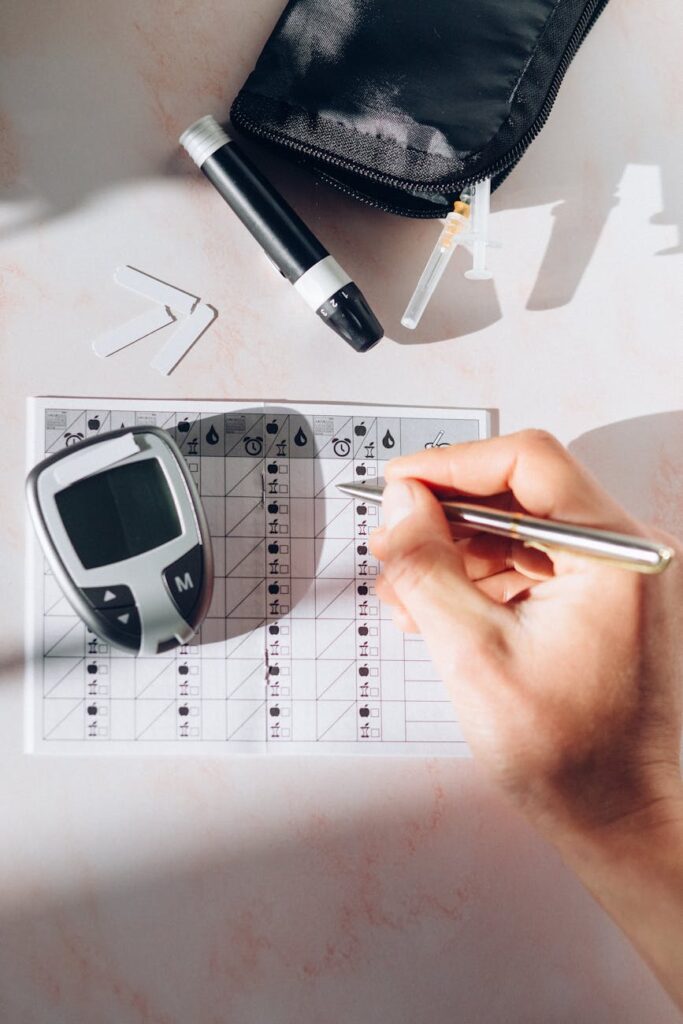
- Record Your Readings: Keeping a log—whether paper or digital—helps spot patterns and head off potential issues.
- Educate Your Travel Companions: Make sure someone in your group knows how to help in the event of hypoglycemia or hyperglycemia.
Coping with Activity and Dietary Changes
- Plan Activity Wisely: Whether hiking Scotland’s Fairy Glen or strolling Barcelona’s bustling streets, factor in activity-related changes in insulin sensitivity.
- Research Local Cuisines: Know what dishes are carb-heavy and ask how food is prepared. Don’t hesitate to request modifications.
- Prepare for Spontaneity: With reliable snacks on hand, you maintain control if meal options are limited or delayed.
Getting Through Airport Security and Traveling with Diabetes Equipment
Going through airport security is a common source of anxiety for people with diabetes. But with careful planning, it can be a smooth, even empowering experience.
Communicate Clearly
- Inform Security Officers: Proactively notify agents that you live with diabetes and are carrying medical supplies.
- Display Documentation: Show your doctor’s note and, if possible, travel-size prescriptions or pharmacy labels.
- Know Your Rights: Per the TSA and international guidelines, insulin pumps, glucose meters, and supplies are allowed on flights. Request hand-inspection for insulin pumps or CGM devices if you prefer to avoid X-rays.
Carry-on is Key
- Never Check Essential Supplies: Lost luggage can mean major health risks. All medication and supplies should be in your carry-on bag.
- Stay Calm: Security agents are trained for these situations. Being calm and organized will help the process go more smoothly.
Traveling in Comfort: Car Rentals, Accommodations, and Local Movement
Your mode of transportation and accommodation choices can impact your diabetes care more than you might expect.
Picking the Right Car Rental in Europe
When road-tripping in destinations like France or Scotland, car rentals offer flexibility. According to the 10 Best Car Rentals in France in 2026, comparison shopping for agencies and vehicle sizes can secure the best deal and comfort for storing crucial supplies, snacks, and cooling bags for insulin.
- Choose Cars with Ample Storage: Ensure you have space for your supplies, cooling devices, and snack bags.
- Confirm GPS Availability: Helps you locate pharmacies and clinics if needed.
- Understand Your Rental’s Insurance: Ensure it covers health emergencies and roadside support.
Where to Stay: Diabetes-Friendly Accommodations
- Prioritize Refrigeration: Many villas, private stays, and hotels provide in-room refrigerators on request—vital for safely storing insulin.
- Seek Kitchen Access: Villas in Croatia or Bali and apartment rentals make it easier to prepare your own meals and control carbs.
- Location Matters: Stay near supermarkets, clinics, or pharmacies when possible.
Getting Around Locally
- Public Transit: Metro, buses, and regional trains can be great, but be aware of peak hours and bring extra snacks for delays.
- Walking Tours and Excursions: Pack a blood glucose meter, sugar, and water in your daypack for hikes or longer sightseeing adventures like the Glenfinnan Viaduct or Fairy Glen.
- Backup Power: A compact power bank helps keep your phone and digital diabetes devices charged.
Tackling Common Travel Challenges for People with Diabetes
Every traveler with diabetes faces hurdles—from meal unpredictability to device malfunctions or emotional stress. Here’s how to overcome the most frequent obstacles:
Unpredictable Meals
- Snack Like a Pro: Small, carb-controlled options keep your blood sugar stable when meal times are irregular.
- Dine Smart: Ask restaurants about ingredients or preparation methods. Don’t be shy about requesting sugar-free or low-carb alternatives.
- Utilize Local Markets: Stock up on familiar staples in local supermarkets for breakfast or snacks.
Medication and Device Issues
- Know Where to Buy: Research pharmacy chains at your destination for ease in replenishing supplies.
- Device Compatibility: Adapters for Europe or Asia are vital if your monitor or insulin pump is rechargeable.
- Local Support: The Diabetic Travel Guide’s resources and about us page offer contact info for support networks worldwide.
Stress, Fatigue, and Emotional Well-Being
- Build in Rest Time: Avoid jam-packed itineraries. Give your body time to rest and recover, especially after night flights or long drives.
- Communicate Needs to Companions: Share your schedule and signals for low or high blood sugar.
- Relationship Considerations: Travel can bring up emotional or intimate concerns, as shared in Sex and Diabetes: From Her Point of View. Being open and honest with your companion about your condition helps foster confidence and intimacy during your trip.
Safety, Confidence, and Enjoyment: Making Your Diabetes Travel Experience Exceptional
Confidence comes from preparation. Here’s our quick checklist to instill peace of mind on every journey:
- Stay Connected: Download Diabetes Apps: Track glucose, doses, and meals easily on the go.
- Notify Your Embassy: For extended trips, registering with your country’s embassy can be helpful if medical emergencies arise.
- Emergency Planning: Wear Medical ID: Medical bracelets or tags provide peace of mind if you’re ever unable to speak for yourself.
- Know Emergency Numbers: Program local emergency contacts and The Diabetic Travel Guide’s support hotline into your phone before setting out.
- Enjoy the Moment: Document Your Journey: Take photos, keep a journal, and celebrate your successes as a confident, empowered diabetic traveler.
- Practice Self-Compassion: If you face setbacks or your blood sugar isn’t perfect, remember you are resilient and capable.
Call to Action: Discover More with The Diabetic Travel Guide
Whether you’re dreaming of Paris, planning a weekend in Barcelona, or wandering through Bali, diabetes doesn’t have to hold you back. With informed preparation, practical diabetes travel tips, and support from The Diabetic Travel Guide, you can travel safely with diabetes and make every journey a rewarding adventure.
For more resources, expert advice, and downloadable diabetes travel checklists, visit The Diabetic Travel Guide. Sign up for our newsletter to get the latest tips, destination guides, and real-life stories from successful diabetic travelers who are seizing the world with confidence.
You have the power to journey boldly—where will your next destination be? Safe travels from your friends at The Diabetic Travel Guide!