



How to Travel Safely with Diabetes: Proven Tips for Confident Diabetic Travelers
Estimated reading time: 8 minutes
- Preparation is key: Create a comprehensive packing list.
- Blood sugar management: Know your triggers and stay proactive with medication.
- Navigating travel logistics: Smart medication storage and airport security tips.
- Feel confident dining out: Manage meals and research food options.
- Build emotional resilience: Communicate your needs to travel companions.
Table of Contents:
Planning Ahead: The Foundation of Confident Diabetes Travel
Blood Sugar Management On The Move
Medication Storage, Airport Security, and International Travel
Managing Meals and Dining Out
Getting Around Safely: Cars, Tours, and Local Transport
Emotional and Relationship Wellbeing on the Road
Overcoming Common Travel Challenges for Diabetics
Building Confidence for Your Diabetes Journey
Explore More: Your Support Community Is Waiting
Planning Ahead: The Foundation of Confident Diabetes Travel
Preparation is the secret to stress-free travel with diabetes. When you build smart habits and anticipate your needs, you minimize surprises and maximize your freedom to explore.
- Create a Comprehensive Diabetes Packing List:
- Medical necessities: Bring twice as much insulin, testing supplies, and medication as you think you’ll need. This acts as your safety net in case of delays.
- Cooling and storage: Insulin, GLP-1 medications, and some diabetes tech must be kept within safe temperature ranges. Invest in a travel-friendly pharmaceutical cooler or insulated pouch, especially for summer in Bali or while road-tripping in France (10 Best Car Rentals in France).
- Written prescriptions: Always have paper copies of your prescriptions and a letter from your healthcare provider explaining your need for supplies, especially if you’re traveling internationally or navigating airport security.
- Low snacks: Pack plenty of quick-acting carbohydrates like glucose tablets, gels, or individually packaged fruit snacks so you’re always ready for a low, whether you’re hiking the Fairy Glen on the Isle of Skye or racing for a train in Barcelona.
- Do Your Destination Research:
- Medical care: Look up local hospitals, clinics, and pharmacies in your destination. Keep a list in your phone and in writing.
- Language barriers: Know how to say “I have diabetes” in the local language, or download translation apps to your travel laptop (12 Best Travel Laptops).
- Time zones: Changing time zones can disrupt your medication schedule. Consult your healthcare provider to plan medication timing adjustments, especially with insulin.
Blood Sugar Management On The Move
Maintaining stable blood sugar during travel requires a combination of vigilance and flexibility. Unpredictable meal times, increased activity, and the excitement of new places can all impact your glucose control.
- Know Your Triggers and Set Reminders:
- Monitor frequently: Changes in routine—early flights, new foods, more walking—may trigger blood glucose swings. Make use of CGMs or keep your meter accessible.
- Set reminders: Use phone alarms to remind yourself to test, inject, or take oral meds. New surroundings can distract even the most diligent traveler.
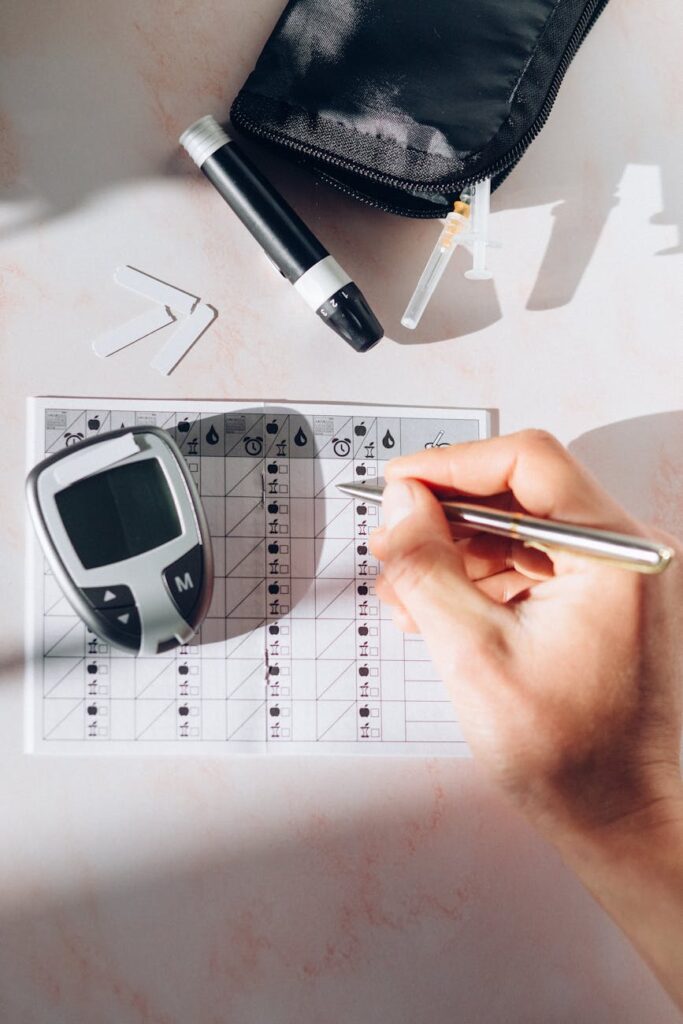
- Logbook or app: Jot down results, meal times, and changes to your normal activity. This helps you notice patterns and adapt if something feels off.
- Stay Proactive with Activity and Meals:
- Movement: Walking tours in Scotland (20 Best Places To Visit In Scotland) or cycling through Barcelona (Ultimate 2 Day Barcelona Itinerary) means more exercise—know how to adjust insulin or snacks.
- Meals: Research local cuisine ahead of time. If carbohydrate counting is part of your plan, familiarize yourself with typical dishes or bring a carb-counting app to estimate on the go.
Medication Storage, Airport Security, and International Travel
Airports and border crossings can make any traveler nervous, but diabetic travelers face extra layers of planning to keep their medications safe and accessible.
- Smart Medication Storage for Every Journey:
- Temperature control: Insulin and some injectable meds are temperature-sensitive. For all-day excursions, pack Frio or MedAngel coolers; for longer stays, call your accommodation in advance to confirm fridge access (16 Best Croatia Villas With A Pool).
- In your carry-on: Always keep all medications, meters, batteries, and snacks in your cabin bag, not checked luggage.
- Navigating Airport Security Like A Pro:
- Be upfront: Clearly tell TSA or international security staff you have diabetes and are carrying medical supplies. Present your doctor’s letter and prescriptions if asked.
- X-rays & pumps: Insulin pumps, CGMs, and some meters may be damaged by X-ray or full-body scanners. Ask for a hand search or pat-down.
- Plan extra time: Security checks can add time to your journey. Arrive earlier than you normally would to avoid feeling rushed.
- Safe Travels Across Borders:
- Medication legality: Some countries restrict certain diabetes medications and devices. Check rules at embassies or government websites.
- International health insurance: Carry proof of insurance and ensure your policy covers pre-existing conditions and emergencies. This is crucial for peace of mind wherever you roam.
Managing Meals and Dining Out
New flavors and dishes are among travel’s greatest highlights, but they can also create anxiety for diabetes management. Research and planning make all the difference.
- Enjoying Local Cuisine Without Compromising Safety:
- Scout ahead: Research food options at your destination. Many restaurants publish menus online. In countries like France or Spain, local “plat du jour” or tapas may have unknown ingredients; don’t hesitate to ask about sugar or starch content.
- Portion control: If you’re unsure about carb content, start with smaller servings and monitor your blood sugar or CGM closely to gauge your body’s response.
- Eat on schedule: Try to stick to your regular meal routine, adjusting as necessary for sightseeing or tours. Carrying low snacks ensures you never risk a low if lunch runs late.
- Self-catering Solutions:
- Book accommodations with kitchens: This is easy in destination villas or Airbnbs, and lets you prepare reliable meals when needed.
- Local grocery stores: Explore local supermarkets for fresh produce, lean protein, and low-carb snacks. Stock your accommodation for breakfasts or emergency meals.
Getting Around Safely: Cars, Tours, and Local Transport
Navigating unfamiliar cities, public transportation, or rental cars adds another layer to your travel adventure.
- Smart Transit Planning for Diabetic Travelers:
- Choose the right car rental: In France, several trustworthy options offer GPS and flexible pick-up. Choose automatic cars if you need to focus on glucose symptoms, or select a rental close to your hotel to avoid lengthy walks with heavy luggage (10 Best Car Rentals in France).
- Know your route: Download offline maps to your phone or laptop for backup in spots with poor signal (especially important in rural Scotland or Nicaragua).
- Transit delays: Always carry spare snacks, water, and medication in your daypack. Bus or train delays are beyond your control, but preparedness puts safety in your hands.
Emotional and Relationship Wellbeing on the Road
Travel can present unique emotional and relationship challenges for people with diabetes and their loved ones, especially in unfamiliar environments. Being open with travel companions about your needs fosters understanding and safety.
- Communication: The Cornerstone of Confident Travel:
- Educate your travel partners: Let friends, family, or travel buddies know about your medications, what to do in an emergency, and how to spot signs of low or high blood sugar.
- Romantic travel: Discuss how diabetes may impact aspects like energy levels or schedule changes, as shared in Diabetes Health Type 1: Sex and Diabetes: From Her Point of View. Emotional support goes a long way toward creating a positive travel experience for everyone.
- Self-kindness: Travel days don’t always go perfectly. Advocate for your needs and take time to rest, hydrate, and reset, just as you would at home.
Overcoming Common Travel Challenges for Diabetics
Every traveler with diabetes encounters obstacles from time to time, but preparation and knowledge can neutralize most issues before they become problems.
- Flight Delays and Lost Luggage: Always keep all diabetes supplies and snacks with you in the cabin. If your checked bag goes missing, you won’t be at risk.
- Time Zone Changes: For big time shifts—such as traveling from the U.S. to Europe—plan medication adjustments with your healthcare team. Keep a written schedule to prevent accidental missed or doubled doses.
- Language Barriers and Emergencies: Carry medical identification (bracelet or card). Also, use your travel laptop or smartphone to keep critical phrases and contact information handy.
- Weather Extremes: Hot climates (Bali, Spain) can spoil insulin or accelerate dehydration, while cold (Scotland in winter) can affect blood sugar. Plan accordingly with insulated or temperature-controlled storage.
Building Confidence for Your Diabetes Journey
At The Diabetic Travel Guide, we believe that diabetes should never stand in the way of your sense of adventure. Our mission is to empower travelers living with diabetes and their loved ones to see the world safely, confidently, and joyfully.
- Quick-Start Tips for Immediate Confidence:
- Pack double of anything medical.
- Alert airlines and hotels about your medical needs in advance.
- Research medical facilities before you go.
- Set alarms as reminders for medication and blood sugar checks.
- Carry a printed summary of your treatment plan and ICE (“in case of emergency”) contacts.
If you feel overwhelmed, remember: millions of people with diabetes see the world every year. Each trip builds your travel toolkit, increases your confidence, and expands your horizons.
Explore More: Your Support Community Is Waiting
Traveling with diabetes is an adventure, not a burden. Whether you’re planning your first trip or are a seasoned explorer, The Diabetic Travel Guide is your trusted resource for in-depth advice, destination insights, and a supportive community that knows exactly what you’re navigating.
- Ready to plan your next adventure?
- Visit The Diabetic Travel Guide for detailed travel tips, destination guides tailored to diabetic travelers, packing checklists, and inspiring traveler stories.
- Download our comprehensive pre-travel checklist and connect with others in our online community.
- Sign up for our newsletter for the latest research, real-world advice, and practical tools straight to your inbox.
You deserve to see the world—without limits or anxiety. Let The Diabetic Travel Guide be your companion for every step, mile, and memory. Safe travels!