



How to Travel Safely With Diabetes: Expert Tips for Confident, Healthy Adventures
Estimated Reading Time: 8 minutes
- Planning is essential: Prepare a dedicated packing list and research health resources at your destination.
- Meal management: Know local cuisine and pack appropriate snacks.
- Emergency readiness: Have medical IDs and understand local health services.
- Stay active: Integrate exercise into your travel routine for better blood sugar control.
- Community support: Connect with fellow travelers for shared experiences and tips.
Table of Contents
- Why Traveling With Diabetes Requires a Different Approach
- Common Travel Challenges for People With Diabetes
- Advanced Planning: The Foundation of Safe Diabetes Travel
- Airport & Security: Navigating With Confidence
- Meal Planning on the Road: Savvy Strategies
- Staying Active and Healthy During Travel
- Managing Diabetes During Intimate Moments
- Protecting Your Tech and Medical Devices
- Emergency Planning: Be Ready For the Unexpected
- The Power of Community: You’re Not Alone!
- Recap: Top Diabetes Travel Tips for Safe, Confident Journeys
- Your Next Step: Empower Your Travels With The Diabetic Travel Guide
Why Traveling With Diabetes Requires a Different Approach
Let’s get it out in the open: traveling with diabetes means planning a bit more than the average traveler. Whether you have type 1 or type 2 diabetes, your daily routine affects your health—and when you change time zones, pack medications, or try new foods, your body responds. That’s why diabetes travel tips are essential for anyone who wants to manage their health, lower stress, and avoid surprises far from home.
But here’s the good news: with the right preparation and information, your diabetes doesn’t have to hold you back from exploring the world. Many travelers, including those highlighted in trusted sources, have proven you can live boldly and manage diabetes effectively on the go.
Common Travel Challenges for People With Diabetes
Before diving into practical tips, it helps to recognize the most common obstacles travelers with diabetes face:
- Managing blood sugar during long flights or road trips
- Ensuring insulin and medications remain at the right temperature
- Clearing airport security with diabetes devices or supplies
- Adjusting to new meal schedules, foods, and cuisines
- Contingency planning for lost supplies or medical emergencies
- Maintaining privacy or comfort with diabetes management in unfamiliar locations
Each challenge can be met with proactive planning and support. At The Diabetic Travel Guide, we’re here to help you navigate every step.
Advanced Planning: The Foundation of Safe Diabetes Travel
Preparation is empowerment. That’s the philosophy behind every diabetes travel success story. Here’s your step-by-step checklist for safe, smooth travels:
1. Create a Dedicated Diabetes Packing List
Packing for travel with diabetes means more than tossing in your glucometer and insulin. Download or print a customized packing list tailored to your medication, devices, snacks, and backup supplies. Essentials include:
- Blood glucose monitor & extra test strips
- Enough insulin/pills for the trip + extra supply (plan for delays)
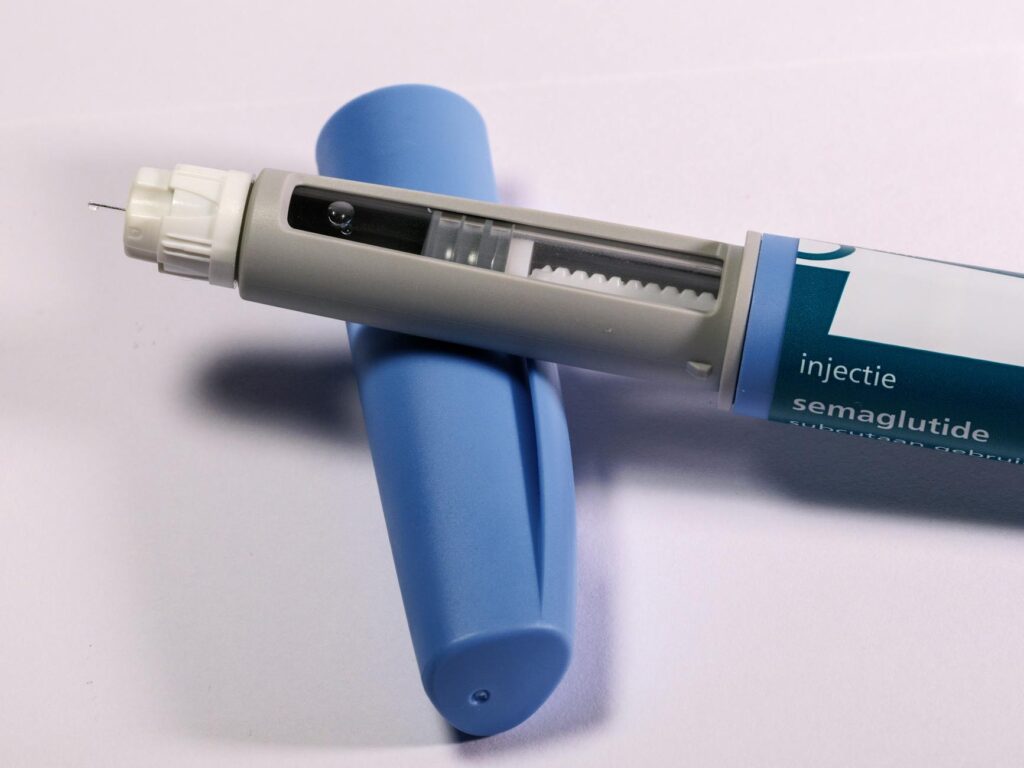
- Insulin pens, syringes, pumps, or continuous glucose monitor (CGM) components
- Cooling packs or insulated medication cases
- Snacks for hypo/hyperglycemia (think granola bars, glucose tablets, dried fruit)
- Medical alert jewelry or ID
- Copies of prescriptions and a letter from your healthcare provider
Pro travel tip: Pack all essential diabetes supplies in your carry-on bag, not checked luggage!
2. Plan for Medication Safety
If you’re traveling to a warm country or embarking on a summer road trip, protecting your medication from temperature extremes is crucial. Insulin, for instance, loses potency if it gets too hot or freezes. Invest in:
- Medication cooling cases or travel fridges (perfect for car rentals in France or visiting remote locations like the Isle of Skye)
- Cooling gel packs (for use during long-haul flights where baggage holds aren’t temperature controlled)
If you’ll be driving yourself (check out tips for finding the best car rentals in France), make sure your vehicle has working AC, and bring an insulated container for your medication.
3. Know Your Destinations’ Health Resources
Whether you’re spending two days in Barcelona or a week exploring the best places to visit in Scotland, research where you can access pharmacies and hospitals. Save key information locally on your device or in a travel notes app.
- Find out if your health insurance (or a travel health plan) covers you at your destination.
- Learn some key phrases in the local language regarding diabetes, medications, and emergencies.
- Locate pharmacies and clinics near your accommodation.
4. Adjust Your Routine Thoughtfully
Time zone changes affect your schedule—and can impact when you’ll need to eat or take medication.
- Talk to your healthcare provider before departure about adjusting your insulin schedule if crossing time zones.
- Use alarms (available on most smartphones and travel laptops) to remind you about medication or checking blood sugar.
Expert tip: If you use a smart glucose monitor, make sure your travel laptop or phone is compatible, and bring charging cables or adapters.
Airport & Security: Navigating With Confidence
Airports can make even the most seasoned traveler’s heart race—but with diabetes, the stakes feel higher. Here’s how to move through security stress-free:
- Inform TSA or security agents that you’re carrying diabetes supplies (keep everything together in a clear pouch with documentation).
- Insulin pumps and CGMs are generally fine for security scans, but you may request a manual pat-down instead of going through scanners.
- Food and gel packs for medical reasons are permitted—tell agents if you’re carrying cooling gel packs for insulin.
- Pack snacks! Hypoglycemia can strike during flight delays. Always keep snacks in your carry-on.
- Bring extra supplies—flights and luggage can be unpredictable.
For more on this, check out the About Us page at The Diabetic Travel Guide, where we outline additional airport and legal tips for global travelers with diabetes.
Meal Planning on the Road: Savvy Strategies
Travel is all about experiencing new flavors. However, changing up meal patterns, accessing unfamiliar menus, and trying foreign cuisines can make blood glucose management tricky. Here’s your diabetes-friendly meal planning strategy:
- Research local cuisine before you go. For example, Barcelona’s famous tapas may be carb-heavy, while Bali offers plenty of fresh vegetables and grilled seafood.
- Pack travel-friendly snacks that are portion-controlled and stable (nuts, low-sugar granola bars, jerky).
- Download translation apps or print cards that explain your diabetes needs if you have food allergies or need to clarify carb counts in another language.
- Don’t skip meals. Arrange activities to allow for regular eating—just like at home.
- Monitor your blood sugar more frequently, especially after unfamiliar foods.
Staying Active and Healthy During Travel
Just because you’re traveling doesn’t mean exercise should stop. In fact, staying active helps with blood sugar management and mood:
- Take walking tours, even if it’s just to see major attractions like the Glenfinnan Viaduct in Scotland.
- Opt for guided hikes (with proper snacks and water packed) in beautiful areas like Fairy Glen in the Isle of Skye.
- If you’re staying at a private villa or a resort, take advantage of on-site pools for light exercise.
Whenever you increase activity, check your blood sugar before and after—new environments sometimes mean new physical demands on your body.
Managing Diabetes During Intimate Moments
Travel often means time away with loved ones, and intimacy is a part of many journeys. People with diabetes can have concerns about managing glucose and feeling comfortable. Insights from the Sex and Diabetes: From Her Point of View article highlight:
- Communication is key with your partner—discuss your needs and any worries openly.
- Monitor your blood sugar before planning intimate activities.
- Carry hypo treatments nearby (even in the bedside table) in case of sudden lows.
- Remember: confidence and preparation go hand-in-hand!
Protecting Your Tech and Medical Devices
Technology makes diabetes management easier but adds to your packing checklist:
- Always carry spare batteries, charging cables, and plug converters if you’re traveling internationally.
- Protect devices (like blood glucose monitors, insulin pumps, or travel laptops) with waterproof pouches, especially at beach resorts or villas with pools (see tips for Croatia and Bali).
- Store digital versions of medical documents and insurance on your laptop or phone.
Emergency Planning: Be Ready For the Unexpected
Emergencies can happen—having a plan gives you peace of mind.
- Always wear medical ID tags or bracelets.
- Carry an emergency card in the local language stating you have diabetes and listing your medications.
- Understand the local emergency number and how to ask for medical help.
- Know where hospitals or clinics are located, especially in remote destinations like the Fairy Glen or Glenfinnan Viaduct in Scotland.
- Keep a backup supply of medication in a separate bag, in case your primary bag is lost or stolen.
The Power of Community: You’re Not Alone!
Every trip is a new learning experience, and the diabetes travel community is full of supportive, adventurous people who’ve been right where you are. Stories shared by travelers and experts—like those on The Diabetic Travel Guide—remind us that challenges are manageable, and help is available every step of the way.
Recap: Top Diabetes Travel Tips for Safe, Confident Journeys
- Make and double-check your diabetes packing list before every trip.
- Protect your medications from temperature changes using cooling cases or insulated bags.
- Keep all supplies in your carry-on and bring extra everything.
- Get a doctor’s note and copies of prescriptions for security and overseas emergencies.
- Learn about health resources at your destination and keep key information handy.
- Monitor your blood sugar more frequently when trying new foods or changing time zones.
- Communicate your needs—with travel partners, restaurant staff, and healthcare professionals.
- Always have healthy snacks and glucose tablets on hand, especially for long treks and transit days.
- Stay connected with your care team, especially if you start feeling unwell or notice patterns in your readings.
- Enjoy yourself—confidently! Preparation is the key to freedom and fun.
Your Next Step: Empower Your Travels With The Diabetic Travel Guide
At The Diabetic Travel Guide, we believe that diabetes should never stand in the way of your adventures. Our mission is to blend expert advice with practical solutions, giving you the information and confidence needed to explore the globe. Whether you’re a newly-diagnosed traveler, a supportive caregiver, or an experienced health-conscious explorer, our resources are designed for you.
Ready for even more tips, checklists, and stories from the road? Visit The Diabetic Travel Guide to discover guides, tools, and a welcoming community. You’re never alone on your travels—and we’re honored to be part of your journey to safe, confident, healthy adventures.
Safe travels—and see you on the road!