



Travel Planning for Diabetics: Proven Tips for Safe, Enjoyable, and Confident Adventures
Estimated Reading Time: 8 minutes
- Preparation is key to ensuring a smooth travel experience.
- Proactive management of blood sugar and medications is crucial.
- Open communication about your needs enhances emotional well-being.
- Choosing the right destinations can make travel easier.
Table of Contents
- Introduction: Why Specialized Travel Planning Matters for Diabetics
- Smart Pre-Trip Preparation: The Diabetic Traveler’s Checklist
- Navigating Transportation: Air, Road, and International Travel Considerations
- Keeping Your Blood Sugar Stable Away from Home
- Medication and Insulin Storage—No Surprises, No Stress
- Food Freedom: Meal Planning and Eating Out Safely
- Managing Security, Language Barriers, and Local Laws
- Emotional Well-Being, Relationships, and Confidence
- Top Destinations and Safe Picks for Diabetic Travelers
- Final Thoughts & Your Next Steps
Why Travel Planning for Diabetics Is Different (and Why You Deserve It)
Travel planning for diabetics isn’t about restriction—it’s about freedom through preparation. Diabetes presents unique needs and challenges: fluctuating activity levels, unfamiliar foods, potential language barriers with healthcare, and variations in time zones can all throw your usual routine off balance. According to recent insights from Diabetes Health and trusted travel resources, people with diabetes who thoughtfully plan their adventures are more likely to return home happy, healthy, and energized.
Common travel hurdles for diabetics include:
- Access to medications and reliable refrigeration
- Navigating airport security with insulin or pumps
- Adapting meals, snacks, and dining schedules
- Managing stress, sleep changes, and relationships
Let’s dive into actionable advice so you can travel the world with diabetes—prepared, secure, and joyful.
Smart Pre-Trip Preparation: The Diabetic Traveler’s Checklist
Every great trip starts with preparation. Your advance planning will determine how smooth and worry-free your journey will be.
Essential Preparation Steps:
- Visit Your Healthcare Team:
Schedule a check-up at least a month out. Discuss your itinerary, get backup prescriptions, and ask for a letter describing your diabetes diagnosis and your medical supplies in detail. This letter can be invaluable at airport security or border crossings. - Check Travel Insurance:
Make sure your policy covers pre-existing conditions, replacements of medicines and equipment, and emergency medical evacuation. - Research Climate & Local Healthcare:
Review weather patterns (which can affect insulin), hospital proximity, and emergency numbers at your destination. - Backup Supplies:
Carry at least double the insulin, oral medication, and diabetes supplies you think you’ll need. Divide them into separate bags in case one becomes lost or delayed.
Travel Documents Checklist:
- Medical ID and emergency contact information
- Prescriptions (in original packaging, if possible)
- Doctor’s letter for customs/security
- List of medications and doses
- Travel insurance policy
Want a printable checklist? Visit our Resource Library for free downloads.
Navigating Transportation: Air, Road, and International Travel
Whether you’re planning a scenic drive through the French countryside or flying across time zones, transportation choices and transitions are big factors in diabetes management.
Air Travel Wisdom:
- Carry-on, Not Checked:
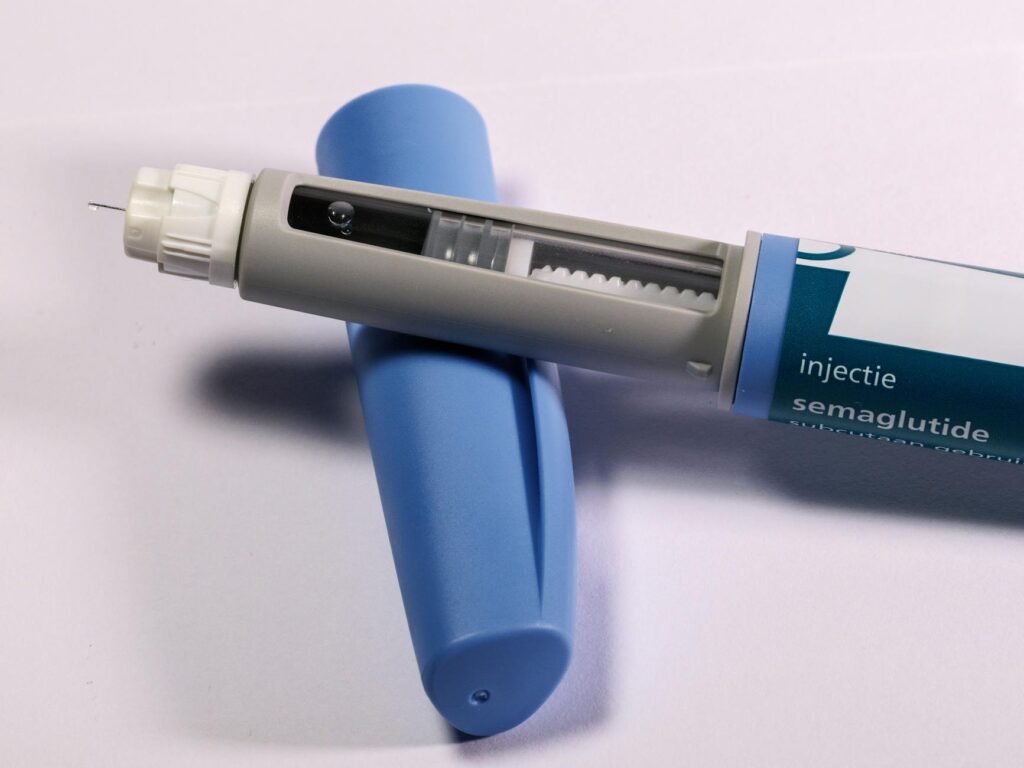
Always keep medication, snacks, and glucose sources in your hand luggage. (Extreme cold or heat in the cargo hold can harm insulin.) - TSA Regulations:
Inform the security officer in advance you have diabetes. The letter from your doctor will explain why you are carrying supplies like syringes or pumps. Know your rights—insulin and diabetes devices are allowed but may require extra screening. - Timing Your Medication:
Jet lag, time changes, and new routines may mean adjusting basal insulin doses or your eating schedule. Ask your care team in advance for a dosing plan across time zones.
Road and Rail Trips:
The flexibility of a rental car in places like France allows for frequent stops, which is ideal for checking blood sugar and having snacks on hand. Keep a kit in the car with water, glucagon, snacks, and spare supplies.
International Essentials:
- Language Prep:
Learn local words for “diabetes,” “sugar,” “hospital,” and “hypoglycemia.” There are many free translation apps and downloadable diabetic cards in multiple languages. - Plan for Out-of-Reach Areas:
In rural or remote destinations, research the nearest pharmacy and consider bringing a portable, battery-operated cooler for insulin.
Maintaining Stable Blood Sugar Levels on the Go
Unexpected activities, meals, or stress can cause blood sugars to swing. Keeping your glucose stable is essential to feeling your best—and enjoying every moment.
Actionable Tips:
- Always Have Quick Carbs:
Pack glucose tablets, gels, or juice boxes in every bag and pocket, especially during excursions. - Frequent Self-Checks:
Test your blood sugar before, during, and after flights, excursions, or physical activity. - Stay Hydrated:
Keep water handy to help prevent dehydration, which can cause high blood sugar. - Prepare for Unpredictable Schedules:
If you’re skipping meals or delaying dinner, adjust your insulin or snack plans as needed.
Pro-tip: Keep a written record or use a diabetes tracking app.
Medication and Insulin Storage—No Surprises, No Stress
Protecting your meds—especially insulin—is more challenging on the road. Here’s how you can ensure medication stays safe and effective:
- Temperature Control:
Insulin should be kept cool but not frozen. Invest in an insulated cooling pouch or small medical-grade travel cooler. - Avoid Direct Sun and Extreme Temperatures:
Carry your supplies in your personal bag, never in a car trunk. - Check Expiry Dates:
Pack extra and rotate your supply. - Consider a Separate Fridge:
If staying in a vacation villa, request a fridge for your exclusive use.
Extra Assurance: Take photos of your medication batch numbers and keep digital or printed documentation.
Food Freedom: Meal Planning and Eating Out with Diabetes
Food is part of the travel experience! Eateries, picnics, and hotel buffets can be enjoyed safely with the right mindset and tactics:
Key Strategies:
- Research Menus in Advance:
Use apps and online resources to preview menus at restaurants. - Pack Emergency Snacks:
Bring diabetic-friendly snacks—protein bars, mixed nuts, fruit, or cheese. - Communicate Dietary Needs Clearly:
Use language cards or translation apps to articulate needs. - Stick with the Plate Method:
Half non-starchy vegetables, a quarter lean protein, and a quarter whole grains. - Watch Alcohol Intake:
Always consume with food, and monitor carefully.
Dining Abroad Tip: Request “no bread, please” or “no sugar” to avoid unexpected carbs.
Managing Security, Language Barriers, and Local Health Laws
Traveling with diabetes often requires extra advocacy. Here’s how to manage:
- Security Lines:
Remain calm; airport staff are familiar with medical equipment. - Documentation in Local Language:
Carry key phrases in the local language especially critical in emergencies. - Medication Laws:
Double-check local laws ahead of travel and always carry meds in original packaging.
Pro-tip: Download local maps offline and save the location of the nearest hospitals or pharmacies.
Emotional Well-Being, Relationships, and Confidence on the Road
Travel’s a journey for your body and your mind. Staying emotionally resilient and confident is just as important as physical health.
How to Stay Strong and Connected:
- Share Your Plan:
Let your partner or travel companion know what blood sugar lows feel like for you. - Practice Self-Care:
Allow for breaks, downtime, and moments of solitude to recharge. - Be Gentle with Yourself:
Enjoy the experiences, knowing that needing an extra snack or break is okay. - Talk About Intimacy & Changing Routines:
Communicate openly about how diabetes may affect your mood, energy, and plans.
Top Destinations and Safe Picks for Diabetic Travelers
The world is yours to explore! Some destinations cater especially well to wellness-focused travelers.
Best Travel Picks for 2026:
- France:
Well-equipped pharmacies, excellent healthcare. - Spain:
Barcelona’s accessible attractions and healthy Mediterranean cuisine. - Scotland:
Safe urban areas and easy access to medical care. - Croatia & Bali:
Relaxing villa stays where you control your food and routine!
Bonus: The Diabetic Travel Guide provides current, destination-specific advice to help you choose your next adventure.
Final Thoughts & Next Steps: Your Confident, Healthy Adventure Starts Now
Traveling safely and confidently with diabetes is not only possible—it’s your right. With each trip, you’ll discover more about yourself and the world, growing healthier, more knowledgeable, and more empowered along the way.
To Review:
- Preparation is everything: stock up, research, and communicate.
- Keep your supplies (and snacks!) handy at all times.
- Be proactive at airports and in unfamiliar medical systems.
- Check out accessible, diabetes-friendly destinations.
- Practice compassion with yourself and openness with loved ones.
Ready to Plan?
For more travel tips, destination guides, printable checklists, and support from a vibrant community of diabetic travelers, visit The Diabetic Travel Guide today. Subscribe to our newsletter, share your travel questions, and join a worldwide family dedicated to adventurous, healthy living.
Bon voyage—with diabetes, the world is still wide open to you!
FAQ Section
Q: How can I ensure my insulin stays at the right temperature while traveling?
A: Use insulated cooling pouches or small medical-grade travel coolers for insulin.
Q: What should I do if my medication is lost during my trip?
A: Have a photocopy of your prescriptions and carry the batch numbers for quick replacement.
Q: How can I find diabetic-friendly food when traveling?
A: Research menus in advance and always carry your own snacks as backup.
Q: What should I discuss with my healthcare team before I travel?
A: Discuss your travel plans, ask about necessary adjustments to medications, and request a letter for security screening.
Q: Are there travel apps specifically for diabetics?
A: Yes, there are several apps designed to track blood sugar levels, meal planning, and even locate nearby pharmacies.