




Safe and Confident Diabetes Travel: Practical Tips for People with Diabetes on the Move
Estimated reading time: 7 minutes
- Plan Ahead: A checklist is vital for traveling with diabetes.
- Transportation Tips: Smart choices can alleviate stress on the road.
- International Considerations: Adapting to new environments is key.
- Meal Planning: Finding diabetes-friendly food enhances the experience.
- Stay Prepared: Overcoming challenges helps maintain confidence.
Table of Contents
- Diabetes Travel Planning: Start with Peace of Mind
- Navigating Transportation: Car Rentals, Planes, and More
- International Travel: Considerations Beyond Borders
- Meal Planning and Eating Out: Delicious, Diabetic-Friendly Choices
- Medication and Supply Storage: Keep It Cool, Keep It Safe
- Overcoming Unexpected Challenges
- Destination Highlights: Diabetes-Friendly Adventures
- Smart Packing for Diabetic Travelers
- Building Confidence: You’re in Control
- Ready to Take Off? Your Journey Starts Here
Diabetes Travel Planning: Start with Peace of Mind
Planning is the cornerstone of safe and enjoyable travel with diabetes. With the right approach, you’ll minimize unexpected challenges and maximize your confidence. According to our friends at The Diabetic Travel Guide, successful diabetes travel begins long before takeoff:
Checklist Before You Go:
- Medical Consultation: Always schedule a check-up before an extended trip. Discuss your itinerary and make sure your prescriptions and vaccinations are up to date.
- Travel Letter: Request a signed letter from your doctor describing your diagnosis, treatment regimen, and a list of medications/devices you use. This helps when dealing with airport security and customs (especially when carrying injectable meds or insulin pumps).
- Prescription Refills: Pack at least twice as much medication and testing supplies as you anticipate needing. Delays and detours happen – be prepared!
Pro Tip: Research local diabetes resources at your destination. Many European cities like Barcelona and Paris have reputable pharmacies with English-speaking staff who can help in a pinch.
Navigating Transportation: Car Rentals, Planes, and More
Getting from point A to B presents specific challenges if you’re managing diabetes, but it’s all manageable with smart planning. For example, renting a car in a destination like France gives you greater flexibility for storage, meal breaks, and emergency stops—important for anyone monitoring their blood sugar closely.
Based on the “10 Best Car Rentals in France in 2026” guide:
- Choose Reliable Brands: Opt for established rental agencies (Hertz, Europcar, Enterprise) that provide clear policies and flexible booking options. This can make it easier to adapt if your travel dates shift due to diabetes-related needs.
- Storage in Rental Cars: Car travel lets you keep a cooler for insulin and snacks within reach. Ensure your rental agreement allows for this, especially if using ice packs or cooling bags.
- Plan Your Routes: Use apps or GPS to locate rest stops, pharmacies, and supermarkets along your journey. Especially in rural areas, pre-planning bathroom and snack stops can help prevent blood sugar dips or spikes.
For Air Travel:
- Carry-On is King: Always store your essential diabetes supplies in your carry-on bag. Luggage delays or lost bags shouldn’t jeopardize your supply of insulin, glucose meters, or medications.
- Airport Security: Alert TSA or security staff about your diabetes gear (insulin pumps, syringes, continuous glucose monitors). Keeping your supplies in original packaging and providing your doctor’s note makes the process smoother. Don’t assume all security officers are familiar with diabetes technology—be ready to explain calmly and confidently.
- Stay Hydrated and Snack Smart: Airplane air is dehydrating and can upset your routine. Pack your own snacks and water, and avoid relying solely on airplane meals (which may be high carb or unpredictable). Trail mix, nuts, granola bars, or glucose tablets are must-haves.
International Travel: Considerations Beyond Borders
Expanding your adventures to international destinations like Spain, Scotland, or Bali? Travel across time zones, languages, and cultures means added variables for managing diabetes. Here’s how to handle the transition smoothly:
Adapting to New Time Zones
- Insulin Timing: Crossing time zones can affect your insulin schedule. Speak with your healthcare provider in advance about adjusting dosages. Always maintain a record of the last times you took your insulin and when your next dose is scheduled.
- Meal Timing: Try to keep meal times as regular as possible, but be flexible. Pack portable snacks and consider booking accommodations (like villas or apartments) with a kitchen for more control.
Overcoming Language Barriers
- Carry a diabetes translation card in the local language(s) stating your medical needs. Online tools and printable templates are widely available.
- Learn basic phrases like “I have diabetes” or “sugar/insulin emergency” in the local language of your destination.
Healthcare Access and Safety
- Research the locations of local clinics, hospitals, and pharmacies (especially crucial in countries like Nicaragua or in remote parts of Scotland).
- Check your health insurance coverage abroad. Consider purchasing travel insurance that covers pre-existing conditions.
- Carry an internationally recognized medical ID bracelet or necklace.
Meal Planning and Eating Out: Delicious, Diabetic-Friendly Choices
Food is one of travel’s greatest pleasures, but also a potential danger zone for people with diabetes. The key is balance, flexibility, and a bit of research:
Eating Out Safely
- Research Menus in Advance: Use apps and travel blogs to scout diabetes-friendly restaurants (many places in Europe offer carbohydrate information).
- Portion Control: European, Asian, and Latin American portions may differ from what you’re used to. Eating smaller meals more often can help regulate blood sugar.
- Watch Out for Hidden Sugars: Bread, sauces, and local snacks may be higher in sugar and carbs. When in doubt, ask for sauces on the side or skip the dessert.
- Local Markets: Use local grocery markets to stock up on fruits, veggies, cheese, and snacks you know are diabetes-friendly. This also saves money and keeps you feeling your best.
Medication and Supply Storage: Keep It Cool, Keep It Safe
Proper medication storage is crucial for effective diabetes management on the road:
- Temperature Control: Insulin and some oral medications can degrade if exposed to high temperatures. Use insulated pouches, cooling cases, or mini-fridges (which are standard in many European and Asian hotels and rental villas).
- Backup Supplies: Divide your supplies between bags so you’re protected if one goes missing.
- Customs and Security: Always carry meds in original packaging with your prescription label attached. Security staff in airports or border crossings are more likely to approve items if they’re clearly labeled.
Overcoming Unexpected Challenges
No matter how well you prepare, unexpected challenges—like delayed flights, dietary surprises, or even changes in your physical routine—can arise. The Diabetic Travel Guide shares these proven strategies for overcoming common obstacles:
1. Delays and Detours
- Always pack quick-acting carbs (like glucose tablets or juice boxes) in several easily accessible spots.
- Notify airline staff or travel companions if you need help during long delays or if you feel unwell.
2. New Physical Routines (Walking Tours, Hikes, Etc.)
- Sightseeing—whether that’s the hills of Barcelona or the mystical Fairy Glen on the Isle of Skye—often means more walking than usual. Monitor your blood sugar more frequently since increased activity can affect your insulin needs.
- Carry blister pads and foot care products in case of extra walking; foot health is paramount for travelers with diabetes.
3. Intimacy and Personal Relationships
- Travel can bring up questions about intimacy, especially when managing a condition like type 1 diabetes. According to the “Sex and Diabetes: From Her Point of View” article, open communication with your partner about your health needs—like blood sugar checks or timing intimate moments to avoid lows—can make for a more enjoyable and worry-free experience, no matter your destination.
4. Tech and Connectivity for Peace of Mind
- Consider investing in a reliable travel laptop (see “12 Best Travel Laptops You Can Buy in 2026”) for telehealth appointments, tracking glucose online, or accessing digital prescriptions abroad.
- Stay connected with friends and family via travel apps and health-alert features. Knowing help is just a click away adds an extra layer of safety.
Destination Highlights: Diabetes-Friendly Adventures
Traveling with diabetes doesn’t mean missing out on top destinations! Here are some ideas inspired by leading travel guides:
- France: Enjoy the autonomy of self-guided trips with a rental car, visiting top sights at your own pace. Local markets offer fresh produce, cheese, and breads—ideal for customizing your meals and snacks.
- Barcelona: With its vibrant tap water and fresh fruit stands, Spain’s big cities are perfect for diabetes-friendly street food. Plan walking tours around scheduled meals or snack stops.
- Scotland: Exploring rural beauty like the Isle of Skye or the Glenfinnan Viaduct brings longer stretches between amenities. Carry extra supplies, enjoy picnic lunches, and use local guides to locate medical facilities.
- Bali or Croatia: Many private villas come equipped with a kitchen and fridge—perfect for managing your dietary needs and storing medication, while enjoying the luxury of a pool and privacy for self-care routines.
Smart Packing for Diabetic Travelers
Effective packing forms the backbone of diabetes-safe travel. Use this checklist for peace of mind:
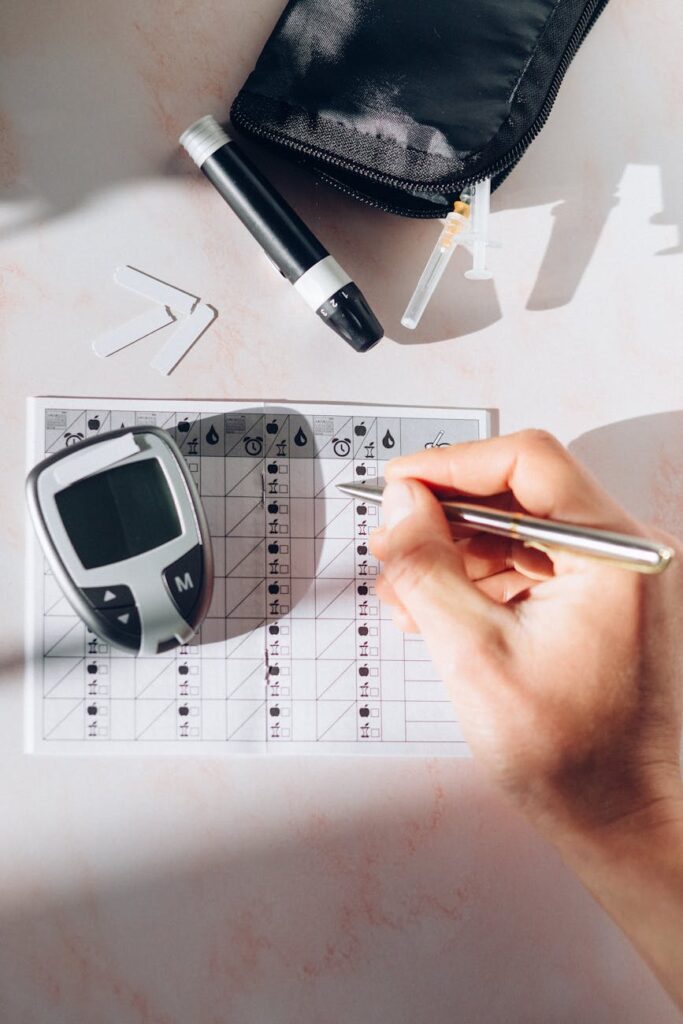
- All diabetes medications and spare supplies (plus double)
- Blood glucose monitor + backup
- CGM or insulin pump (and charging supplies, if needed)
- Travel snacks and glucose tablets
- Cooling pouches or mini-fridge for insulin (if needed)
- Medical letter and emergency info card in the local language
- Medical ID bracelet or necklace
- Comfortable walking shoes and foot care kit
- Travel insurance documents (with diabetes coverage highlighted)
- List of local emergency contacts or clinics at destination
Building Confidence: You’re in Control
Traveling with diabetes is not only possible—it’s deeply rewarding. Each destination, from the cobblestone streets of France to Bali’s villa hideaways, becomes more accessible with thoughtful preparation and confident management. The Diabetic Travel Guide is rooted in the mission to empower, educate, and support travelers with diabetes—so you can see the world with safety, style, and peace of mind.
Ready to Take Off? Your Journey Starts Here
Whether you’re trip-planning for beautiful Scotland, the hills of Barcelona, or just want diabetes-tested tips for your next big adventure, remember: with the right knowledge and preparation, the world is yours to explore.
For more diabetes travel tips, detailed destination guides, and up-to-date diabetes-friendly travel news, visit The Diabetic Travel Guide. Sign up for our free newsletter and gain immediate access to expert advice, packing lists, and real-life stories from fellow diabetic travelers who are making their dreams a reality.
Bon voyage—safe travels and happy adventuring from The Diabetic Travel Guide!
FAQs
- What should I pack for diabetes-related travel?
- How can I manage insulin during travel?
- What if I have a diabetes emergency while traveling?
- Are there diabetes resources available worldwide?