



Smart Travel Tips for Diabetics: How to Journey Safely, Confidently, and Inspired
Estimated reading time: 8 minutes
Key Takeaways
- Preparation is essential for safe traveling with diabetes.
- Understanding local cuisines can help manage your meal plans.
- Stay connected with health resources while traveling abroad.
- Communication and flexibility can enhance your travel experience.
Table of Contents
- Why Smart Planning Matters for Diabetic Travelers
- Packing With Purpose: Creating a Diabetic Travel Checklist
- Stress-Free Airport Security for Diabetic Travelers
- Managing Blood Sugars on the Move
- Keeping Medication Safe and Ready—Wherever You Are
- Navigating International Destinations with Diabetes
- Addressing Personal and Emotional Wellness on the Road
- Technology Tools for Diabetic Travelers
- Overcoming Common Travel Challenges for People with Diabetes
- Inspiring Itineraries: Diabetic-Friendly Destinations and Activities
- Your Diabetic Travel Planning Checklist—Ready to Use
- Confidence, Safety, and Community—Your Passport to Amazing Experiences
Why Smart Planning Matters for Diabetic Travelers
Travel opens up a world of adventure, but it also comes with hurdles for people managing diabetes. Changes in activity, time zones, foods, and stress can all affect blood sugar levels. Concerns about access to healthy meals, medication storage, and even intimate wellness—especially highlighted in deeply personal experiences like Sex and Diabetes: From Her Point of View—can make trips feel overwhelming. But expert research and traveler stories tell us: with the right strategies, diabetes doesn’t limit your ability to have safe, confident adventures.
The Diabetic Travel Guide draws from years of personal stories, the latest scientific findings, and hands-on travel advice. Our goal is simple: provide you with reliable, compassionate, and easy-to-apply guidance for every step of your journey.
Packing With Purpose: Creating a Diabetic Travel Checklist
Before departure, a solid packing plan is your strongest ally. Here’s what to include in your diabetes-friendly travel kit:
Medical Essentials
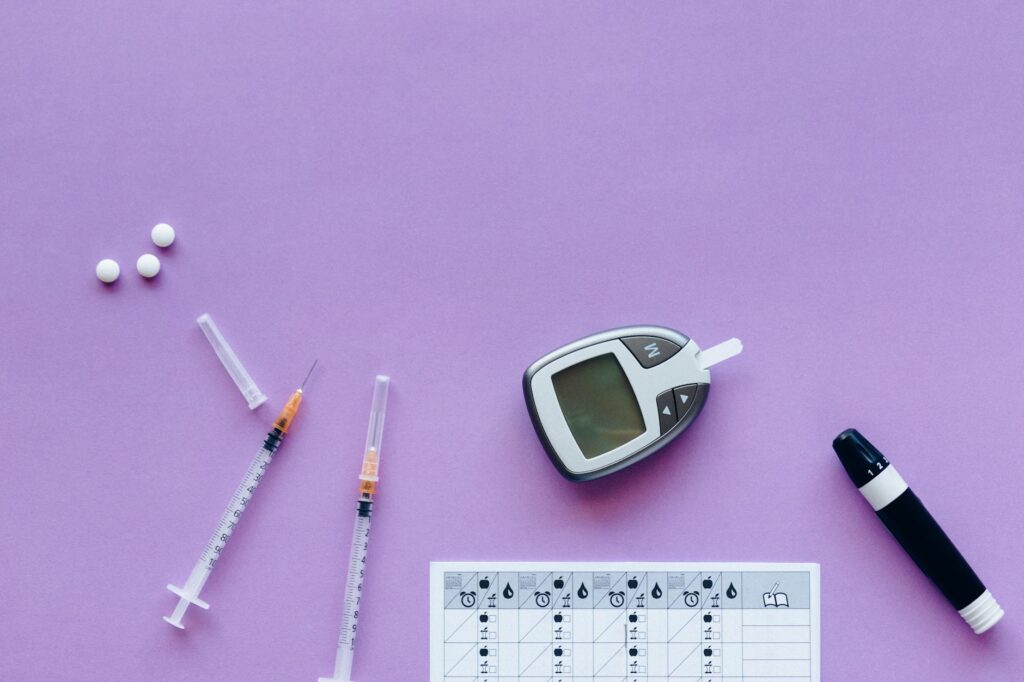
- Extra medication and supplies. Bring double what you’d normally use to cover possible delays.
- Insulin and oral medications. Keep these in original packaging, with prescriptions and doctor’s notes for airport security or customs.
- Sugar sources for hypoglycemia (low blood sugar). Carry quick-acting glucose tabs or gels, along with snacks (like granola bars or crackers).
- Blood glucose monitor, test strips, and batteries/charger.
- Continuous Glucose Monitor (CGM) or insulin pump supplies. If you use one, don’t forget backups.
- Sharps container and alcohol wipes.
Documentation
- Letter from your doctor. This should describe your treatment plan and why you may need supplies and devices.
- List of medications and dosages.
- Travel insurance details. Include health coverage specifics, especially for international trips.
Additional Items
- Medical alert bracelet or necklace. This can provide crucial information in an emergency.
- Reusable water bottle. Staying hydrated helps manage blood sugars on the go.
- Healthy snacks. Pack nuts, whole grain crackers, or dried fruit (if appropriate for you).
Stress-Free Airport Security for Diabetic Travelers
Going through airport security with diabetes can be nerve-wracking, mainly if you worry about keeping your medications cool or explaining devices. Here’s how to breeze through:
- Keep Supplies Accessible: Store all diabetes supplies in your carry-on bag. Temperature changes in checked luggage can ruin insulin and devices.
- Inform Security: Alert security officers that you have medical supplies and may be carrying a CGM or insulin pump. Show your doctor’s letter if needed.
- Stay Calm: TSA and airport security are trained for medical needs. Ask for a manual inspection of devices if necessary—or request a private screening.
- Bring a Cooling Case: For trips involving long flights or layovers, an insulated bag or cooling case preserves insulin safely.
Quick tip: Most insulins and test strips, while relatively stable, don’t like temperature extremes. Aim for cool, not frozen.
Managing Blood Sugars on the Move
Travel disrupts routines—and that’s part of the thrill! But changes in time zones, activity, food, and stress can make blood sugar management a real balancing act.
Time Zone Tricks
- Plan Insulin Doses: For long-haul flights, ask your diabetes care team for a dose schedule that adjusts with time changes.
- Set Alarms: Use your phone for reminders to check blood sugar levels or take medications in your destination’s time zone.
Staying Active Safely
- Monitor Often: Increased sightseeing and walking can lower blood sugars. Check often, especially during full days out.
- Keep Quick Sugar Handy: Always have a fast-acting glucose option on you—whether you’re hiking the Isle of Skye or climbing to see the Sagrada Familia in Barcelona.
Eating Abroad
- Research Local Cuisine: Familiarize yourself with typical meals at your destination. For instance, traditional French or Spanish cuisines can be healthy and delicious—when carefully chosen.
- Adjust Carbs on the Go: Don’t hesitate to ask restaurant staff about ingredients, portion sizes, and alternatives.
- Bring Snacks: Not everywhere serves food quickly, and unfamiliar options might not fit your meal plan. Snacks are your friend!
Keeping Medication Safe and Ready—Wherever You Are
How you store insulin—or other diabetes medications—is just as important on vacation as at home.
Safe Storage
- Never Check Insulin: Luggage holds can freeze or overheat. Always keep medication in a carry-on.
- Use Cooling Cases: Especially during summer or in tropical destinations, cooling cases are essential for keeping insulin at a safe temperature.
- Backup Plan: Map out local pharmacies and hospitals at your destination, just in case.
Renting Cars with Diabetes in Mind
If you’re renting a car (like one of these best car rentals in France), make sure you have climate control to keep supplies stable while driving. Having your own vehicle also means you can easily pack snacks and stop for breaks to test or eat.
Navigating International Destinations with Diabetes
Traveling abroad offers rich rewards—and some unique challenges. Here are tips for handling international trips as a diabetic traveler:
- Research Healthcare in Advance: Learn how to locate hospitals and pharmacies. Download translation apps or carry cards that translate your diabetes needs into the local language.
- Know the Laws: Some countries have strict rules on bringing syringes or medications. Carry your prescriptions and doctor’s notes, and check embassy recommendations before you fly.
- Alert Your Travel Companions: Make sure friends or family know your emergency plan and can recognize signs of low or high blood sugar.
Insider tip: On trips to destinations like Scotland or Croatia, having a villa or apartment with a kitchen means you can prepare healthy meals and stick to your routine.
Addressing Personal and Emotional Wellness on the Road
Travel isn’t just about logistics—it’s about joy, connection, and adventure. Yet for many, concerns like intimacy or relationships can add a new layer to diabetes management.
The personal perspective from Diabetes Health shares something vital: “Diabetes is a part of my life, but it doesn’t have to hold me back from experiencing love, partnership, or the world.”
- Open Communication: Whether traveling with a partner or friends, be honest about how you’re feeling, physically and emotionally.
- Rest and Recharge: Travel can be tiring, especially with fluctuating blood sugars. Build breaks into your schedule, choose relaxing destinations, and plan downtime.
- Stay Flexible: Even if things don’t go perfectly, remember—every experience teaches you something about yourself, your body, and the world.
Technology Tools for Diabetic Travelers
Today’s travelers have powerful digital allies. Consider these technology tips:
- Travel Apps: Use apps to track blood sugars, set medication reminders, and locate emergency care.
- Travel Laptops/Tablets: If you’re working or planning remotely (see the best travel laptops for 2026), bring devices that support your tracking and communication needs.
- Translation Apps: Translate medical info or food questions instantly.
Overcoming Common Travel Challenges for People with Diabetes
Let’s tackle the top hurdles—and strategies to solve them:
1. Unexpected Delays or Lost Supplies
Solution: Always carry extra medications and supplies in your hand luggage. Know how to get replacements at your destination.
2. Unpredictable Meals or Missed Food
Solution: Have portable snacks; don’t rely solely on airport or restaurant schedules.
3. Difficulty Explaining Needs in Another Language
Solution: Carry a medical alert card with details in both English and the local language, and download health translation apps.
4. Packing Light Versus Being Prepared
Solution: Prioritize essentials, but use organizational pouches (and car rentals with good trunk space!) to keep everything organized.
5. Feeling Isolated or Overwhelmed
Solution: Connect with local diabetes support communities online, or tap into guides/resources like those on The Diabetic Travel Guide for reassurance and shared wisdom.
Inspiring Itineraries: Diabetic-Friendly Destinations and Activities
Exploring new places is about creating memories, not limits. Consider these trip ideas highlighted by trusted travel experts:
- Barcelona: Blend sightseeing with healthy Mediterranean meals—use the Barcelona itinerary for inspiration and time for rest or glucose checks.
- Scotland & the Isle of Skye: Trek the Fairy Glen or marvel at the Glenfinnan Viaduct. Stay in scenic spots with access to kitchens and outdoor activities—perfect for mindful eating and movement.
- France or Croatia: Rent a car for flexibility, and choose villas or apartments to have a home base and healthy meal options.
Always choose journeys that excite you while still fitting your unique health needs.
Your Diabetic Travel Planning Checklist—Ready to Use
- Consult your healthcare professional before departure.
- Prepare a personalized checklist for medications, supplies, snacks, and documents.
- Research your destination’s healthcare, dietary options, and emergency services.
- Book diabetic-friendly accommodations—consider kitchens, refrigeration, and fridge/freezer access for medications.
- Communicate needs to fellow travelers/support network.
- Set reminders and learn the local language for essential medical phrases.
- Stay flexible—embrace travel’s spontaneity, challenges, and joys.
Confidence, Safety, and Community—Your Passport to Amazing Experiences
Living with diabetes should never mean putting your travel dreams aside. With thoughtful preparation, trusted resources, and the right support, you can travel safely, confidently, and full of excitement—whether you’re navigating city tours, country drives, or quiet moments by the pool.
The Diabetic Travel Guide stands with you at every journey’s start, offering expert guidance, free resources, and a growing community who loves to see the world—and to support one another—no matter the miles or challenges ahead.
Ready for more tips and inspiration? Browse more comprehensive resources, stories, and travel hacks at The Diabetic Travel Guide. And remember: wherever you’re heading, you’ve got this—and we’ve got you every step of the way. Safe travels!
Frequently Asked Questions (FAQ)
1. What should I pack for travel with diabetes?
Essentials include extra medication, snacks, a blood glucose monitor, and documentation from your doctor.
2. How do I manage blood sugar while traveling?
Stay active, monitor your levels regularly, research local cuisines, and always have quick-acting sugar available.
3. Can I travel internationally with diabetes?
Yes, but research healthcare options, laws, and carry relevant documents to ensure a smooth travel experience.
4. How do I communicate my needs abroad?
Use translation apps or carry medical alert cards in the local language to communicate your needs to healthcare professionals.
5. What support resources are available for diabetic travelers?
Online communities, travel guides like The Diabetic Travel Guide, and local diabetes organizations can offer valuable support.