



Smart Travel Planning with Diabetes: Proven Strategies for Safe and Carefree Adventures
Estimated reading time: 8 minutes
- Empowerment through planning. Proper preparations lead to enjoyable travels.
- Pack smart. Don’t forget your diabetes essentials.
- Stay informed. Know your rights at airports and in restaurants.
- Proactive meal choices. Navigate new cuisines with confidence.
- Emergency preparedness. Always have a plan in place.
Table of Contents
- Why Smart Travel Planning Matters for Diabetic Travelers
- Pack with Purpose: Diabetes Travel Essentials
- Master Airport and Security Procedures: Insider Tips for Diabetics
- Diabetic Meal Planning on the Road: Savor the Adventure, Skip the Surprises
- Travelers’ Top Challenges (And How to Overcome Them!)
- Women’s Wellness and Intimate Health While Traveling
- Building Confidence: Technology, Communication, and Staying Connected
- Real Destinations, Real Insights: Diabetic Traveler Highlights
- Safety First: Emergency Preparedness for Diabetic Travelers
- Confidence Starts with Self-Care
- Ready to Explore More? The Diabetic Travel Guide Is Your Trusted Partner
Why Smart Travel Planning Matters for Diabetic Travelers
When you have diabetes, travel is a chance for adventure—not anxiety. Proper preparation means you’re not just reacting to challenges, but preventing them. Planning ahead lets you maintain steady blood glucose levels, avoid medical emergencies, and fully embrace the rich experiences travel brings. Our mission at The Diabetic Travel Guide is to empower you, your loved ones, and fellow health-minded travelers with knowledge, support, and inspiration—wherever you roam.
Pack with Purpose: Diabetes Travel Essentials
A successful trip starts in your suitcase. Here’s what all diabetic travelers should consider packing, based on best research and our practical, road-tested expertise:
Medications & Supplies: Double Up
- Bring twice what you need. Unexpected delays can happen, and access to medication abroad isn’t always guaranteed.
- Keep insulin, pens, or pumps accessible. Always store in your carry-on, never in checked luggage.
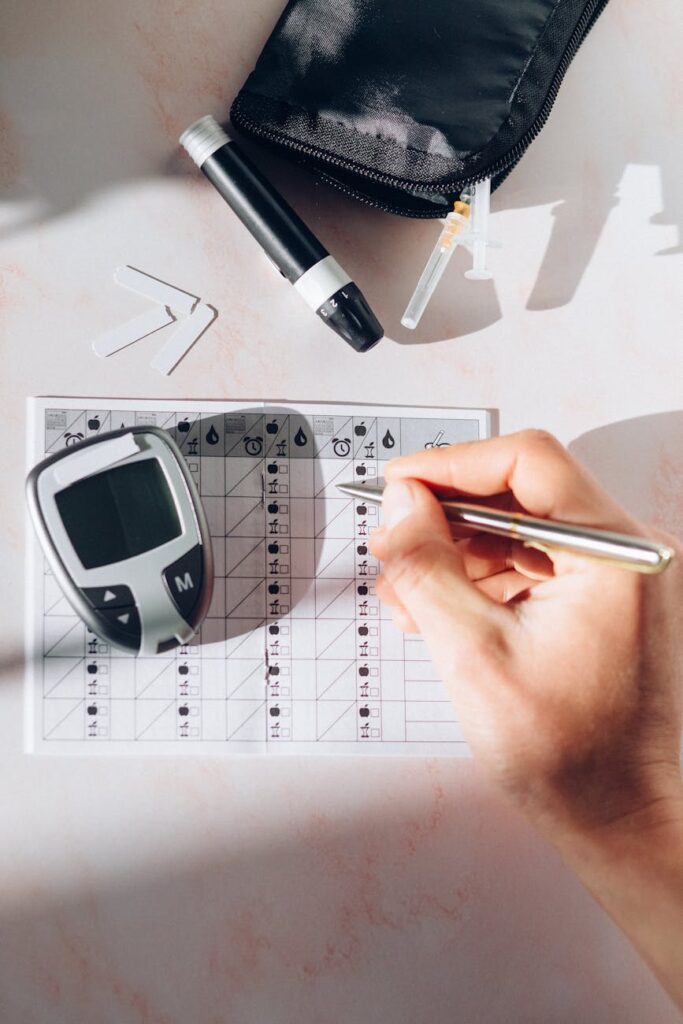
- Pack extra test strips, CGM sensors, lancets, and batteries. Technology failures are rare but planning for them gives peace of mind.
- Don’t forget your prescriptions. Written in generic terms and your home language—helpful if a refill is needed.
Glucose Management on the Go
- Pack fast-acting glucose (gels, tablets, juice boxes). Hypoglycemia can strike with increased activity or meal changes.
- Carry snacks. Nut butters, whole grain crackers, or trail mix handle hunger in transit.
- Travel water bottle. Stay hydrated to keep blood sugar steady—especially in warmer climates or at high altitude.
Medical Documentation
- A doctor’s letter explaining your diabetes, medications, and devices (important for airports/security).
- Medical identification (bracelet, necklace, or wallet card) with up-to-date details.
Storage Tips
- Insulin must stay cool. Use cooling bags or insulated travel cases (consider battery-powered options for longer trips).
- Never expose supplies to extreme temperatures. Rental cars, hotel rooms, and day packs may all face heat or cold—know your solutions.
Master Airport and Security Procedures: Insider Tips for Diabetics
Navigating airports isn’t just about beating the lines—it’s about maintaining your health. Here are tried-and-true strategies to sail through security, based on research and feedback from countless diabetic travelers:
- Declare your supplies at security: Airport staff usually encounter diabetic travelers daily. Present your letter and your supplies confidently.
- Wear your continuous glucose monitor (CGM) or insulin pump: Most can safely pass through regular or handheld scanners, but avoid full-body X-rays as advised by device manufacturers.
- Ask for a hand inspection: If you have doubts, request a manual check of supplies or devices. Stay calm—this is your right.
- Pack snacks separately: Security may ask about gels or liquids; separating these can speed things up.
If you’re renting a car at your destination (like in France—check this guide), keep your diabetes kit in a personal bag for easy access and climate control in the vehicle.
Diabetic Meal Planning on the Road: Savor the Adventure, Skip the Surprises
Thriving on unfamiliar cuisine is part of the joy of travel—but for diabetics, a proactive approach prevents blood sugar spikes or crashes.
International Eating, Local Challenges
- Research local cuisine ahead of time: Understand carb counts, common ingredients, and meal customs (e.g., late dinners in Spain; heavier lunches in France).
- Build a basic vocabulary list: Translate words for “sugar,” “bread,” “low-carb,” or “I have diabetes” into your destination’s language.
- Download offline menus or food-tracking apps: Great for navigation where internet is spotty.
Make Smart Choices
- Balance carbs with fiber, protein, and fat. Walk the city by day, enjoy tapas by night—but keep portions and balanced plates in mind.
- Plan for snacks between unknown meal gaps. Long stretches between meals can sneak up during tours (like your 2-day itinerary in Barcelona), so have healthy options on hand.
Special Dietary Needs
- Inform restaurants or hotels ahead of time. Many are used to dietary requests and can help you avoid surprises.
- Consider apartment or villa stays. Having access to a kitchen (see top villa picks in Croatia or Bali) means you control ingredients and meal timing.
Travelers’ Top Challenges (And How to Overcome Them!)
Here are common hurdles many diabetics face while exploring—and our expert guidance to overcome them confidently:
1. Blood Sugars Running Wild
Why it happens: Different sleep schedules, physical activities, and unfamiliar foods.
Solutions:
- Test frequently—especially after flights, big meals, or unusual activities.
- Stick to familiar routines wherever possible (same breakfast or test times).
- Adjust insulin or meds as needed, with guidance from your healthcare provider.
2. Medication Storage Snafus
Why it happens: Hotel fridge failure, heat in the car, or incorrect supplies.
Solutions:
- Invest in portable, reliable insulin coolers.
- Use “do not disturb” signs to prevent minibar tampering.
- Split supplies into multiple bags for redundancy.
3. Language Barriers in Healthcare
Why it happens: Needing urgent care or a pharmacy refill in a foreign country.
Solutions:
- Carry a written note in the native language about your diabetes.
- Know where the nearest hospital or 24-hour pharmacy is—check this before arrival.
- Apps like Google Translate or medical translation cards/T1D alert bracelets are invaluable.
4. Eating Out, Feeling Left Out
Why it happens: Uncertainty over menu ingredients, fear of high carbs.
Solutions:
- Discuss your needs upfront; many servers know “diabetic-friendly” options.
- Choose grilled, roasted, or steamed options over fried or breaded.
- Treat yourself, but balance meals with greens, lean proteins, or nuts.
5. Jet Lag and Circadian Rhythm Shifts
Why it happens: Flight across time zones can disrupt medication schedules.
Solutions:
- Adjust doses gradually (ask your endocrinologist how).
- Monitor closely after landing; don’t be afraid to take things easy the first day.
Women’s Wellness and Intimate Health While Traveling
It’s important to remember that diabetes can affect all aspects of health—even intimacy and comfort during travel. This insight from Diabetes Health explores management challenges for women, such as yeast infections and glycemic control fluctuations. Preparation, self-advocacy, and open conversation with your partner or healthcare provider can help you address any issue—from routine to the deeply personal.
Tips for women:
- Pack comfort items—lubricants, gentle hygiene products, and all prescription meds.
- Don’t hesitate to discuss travel plans with your OB/GYN or endocrinologist.
- Communicate with your partner—be open about your needs and feelings.
Building Confidence: Technology, Communication, and Staying Connected
Leverage Tech (Smartly)
- Travel laptops and portable chargers help you manage health records, telemedicine visits, or connect with online support (see top recommendations).
- Keep devices charged. Power banks are a must, especially where outlets are scarce.
- Use phone reminders. Schedule medication, blood glucose checks, or meal breaks—especially in busy sightseeing schedules.
Stay Connected
- Share your itinerary and diabetes action plan with a friend or travel partner.
- Register at your embassy if you’re traveling internationally for extra security.
- Keep emergency numbers and your healthcare team’s contact info easily accessible.
Real Destinations, Real Insights: Diabetic Traveler Highlights
- France: Renting a car (tips here)? Plan stops near supermarkets for healthy snacks and keep insulin refrigerated in travel coolers.
- Barcelona: Late mealtimes are the norm. Pack snacks! The 2-day itinerary helps you map food stops and rest breaks.
- Scotland: Outdoor adventures to Glenfinnan Viaduct or the Isle of Skye (see guides) mean more exercise: monitor blood sugar to avoid surprise lows.
- Central America: Getting around Nicaragua is safe and budget-friendly—research clinics in advance for peace of mind.
- Villa Living: In places like Croatia, Bali, or elsewhere, private villas with kitchens mean you control what goes into your food.
Safety First: Emergency Preparedness for Diabetic Travelers
- Create an emergency kit: Include medical ID, extra supplies, snacks, a copy of your diabetes action plan, and contact info of local healthcare facilities.
- Know the symptoms of high/low blood sugar. Teach travel companions what to look for and what to do.
- Store important medical data on your phone or a USB drive. Essential if you become separated from your bag.
Confidence Starts with Self-Care
Travel with diabetes is a powerful way to learn about your health, discover new capabilities, and build confidence. It’s about celebrating what you can do, not fearing what you can’t. Each journey becomes easier—and more rewarding—as you master new skills.
Remember: No one knows your body, your diabetes, or your needs better than you. Preparation, communication, and self-advocacy are your greatest travel companions.
Ready to Explore More? The Diabetic Travel Guide Is Your Trusted Partner
The world is filled with adventure, discovery, and incredible moments waiting for you. The Diabetic Travel Guide offers step-by-step support, research-backed resources, travel stories, and a community of experts and passionate travelers just like you. Wherever your next journey takes you, we’re here—helping you plan, pack, and thrive every step of the way.
Want more tips, destination guides, and trusted advice tailored to living—and loving—the travel life with diabetes?
You’re not just managing diabetes on the road—you’re owning the journey. Let’s make every trip healthy, happy, and absolutely unforgettable!