


Traveling with Diabetes: Expert Planning Tips, Safety Advice, and Confidence on the Road
Estimated reading time: 8 minutes
- Preparation is key: Essentials include medications, monitoring tools, and documentation.
- Meal planning: Pack healthy snacks and research local cuisine to manage blood sugar effectively.
- Stay informed: Know airport security protocols and international regulations regarding diabetes supplies.
- Overcome challenges: Have strategies ready for delayed meals, lost supplies, and language barriers.
- Empower yourself: Utilize tech tools and connect with a community for support.
Table of Contents
- Confidence Through Preparation: Building Your Diabetes Travel Checklist
- How to Store Diabetes Medications and Insulin on the Move
- Managing Blood Sugar on the Go: Meal Planning and Monitoring
- Navigating Airport, Train, and International Security with Diabetes
- Overcoming Common Travel Challenges for Diabetics
- Special Considerations: Traveling with Diabetes for Women
- Staying Active and Inspired: Safe Recreational Travel with Diabetes
- Smart Tech on the Road: Laptops, Apps, and Devices for Diabetic Travelers
- Real Stories: Discovering the Joy of Traveling With Diabetes
- Your Next Adventure Awaits! Explore More with The Diabetic Travel Guide
Confidence Through Preparation: Building Your Diabetes Travel Checklist
Preparation is the cornerstone of successful and safe travel with diabetes, and having a reliable checklist can make all the difference. When crafting your diabetes travel plan, focus on these essentials:
1. Gather and Organize Supplies
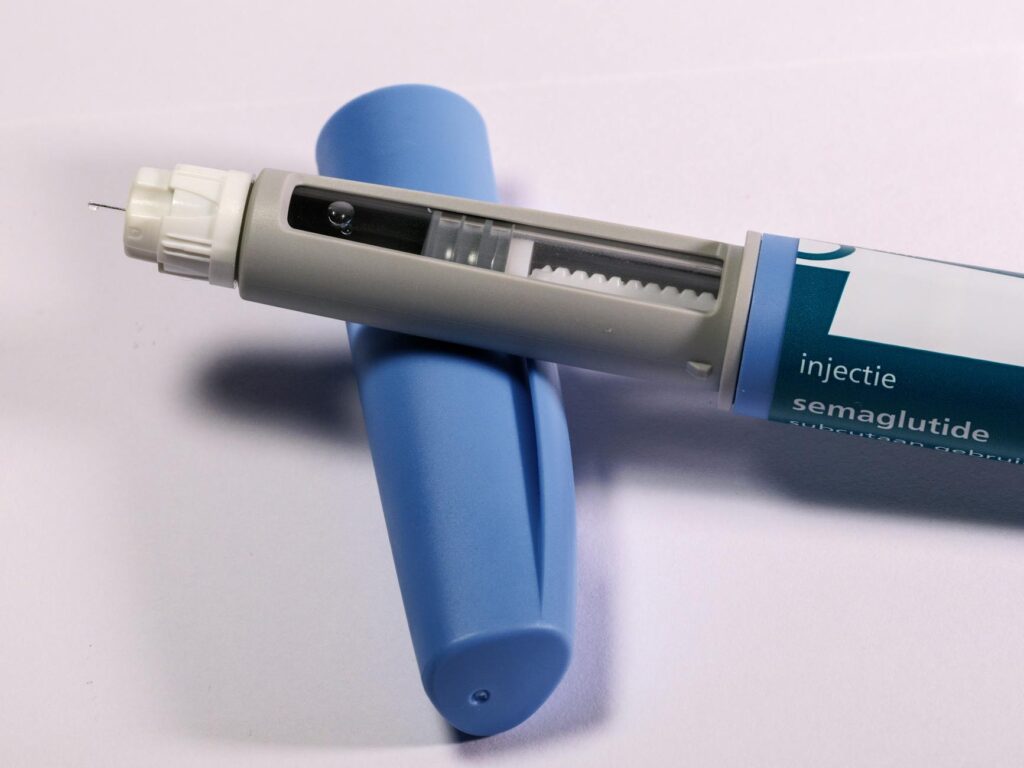
- Medications & Insulin: Pack extra doses (at least double what you’d normally use for the planned trip length) to cover emergencies and delays.
- Blood Sugar Monitoring Tools: Bring your preferred glucometer, continuous glucose monitor (CGM), and adequate test strips and sensors.
- Sharps Disposal: A small, approved sharps container for safe needle disposal.
- Backup Power Supplies: For any electronic diabetes management devices, pack extra batteries or portable chargers—especially useful for extended excursions or places with limited access to power.
2. Documentation and Emergency Information
- Medical Alert Identification: Always wear a diabetes medical ID.
- Travel Letter from Your Doctor: A signed letter explaining your need for diabetes supplies can smooth out security processes.
- Insurance and Prescription Copies: Keep digital and paper copies of your prescriptions and insurance details handy.
How to Store Diabetes Medications and Insulin on the Move
Temperature fluctuations during travel pose a challenge for medication storage. Insulin and some oral medications must be kept within a specific temperature range to remain effective.
Practical Storage Tips:
- Insulated Bags and Travel Fridges: Use insulated pouches to maintain a stable temperature for insulin. Check if a fridge is available for medicine storage.
- Avoid Direct Sunlight: Never leave medications in a parked car or direct sunlight.
- Plan for Airport Security: Carry insulin and medications in your hand luggage, clearly labeled. Inform TSA or international security of your medical needs.
For more information on medication and insulin storage tips while traveling, visit the resources section on The Diabetic Travel Guide.
Managing Blood Sugar on the Go: Meal Planning and Monitoring
Travel can mean changes in meal times, new foods, and irregular activity—each of which can disrupt your diabetes management routine. Planning ahead gives you flexibility.
Travel Meal Planning Advice
- Pack Healthy Snacks: Carry quick sources of carbs for hypo prevention.
- Plan Meals Around Activities: Consider how increased activity can lower your blood sugar.
- Research Local Cuisine: Learn about diabetic-friendly options and meal modifications.
- Portable Coolers: Use compact coolers for fresh snacks.
Monitoring on the Move
- Set Alarms: Use your phone to set reminders for blood sugar testing.
- Stay Hydrated: Carry bottled water, especially in hot climates.
Navigating Airport, Train, and International Security with Diabetes
Airports and international travel introduce unique steps for travelers managing diabetes, but a few actionable strategies can help you breeze through security with confidence.
- Separate Your Supplies: Keep all medications in a separate, accessible bag.
- Alert Security Staff: Inform security personnel of your diabetic supplies.
- Know International Regulations: Verify the legal status of your medications at your destination.
- Time Zone Considerations: Plan for insulin dosing when crossing time zones.
Explore our expert airport and international travel tips for people with diabetes for more precise advice.
Overcoming Common Travel Challenges for Diabetics
Travel may bring unexpected events, but with savvy strategies, you can confidently handle any bumps along the road.
1. Delayed or Missed Meals
Long airport lines or late-night city arrivals can make meal timing unpredictable.
How to Overcome:
- Carry meal replacement bars or shelf-stable snacks.
- Have a list of 24-hour cafes or grocery stores.
2. Lost or Stolen Supplies
Lost luggage or a stolen backpack doesn’t have to lead to disaster.
How to Overcome:
- Split your supplies between carry-on and checked bags.
- Store a set of essential supplies with a companion.
- Save local emergency numbers in your phone.
3. Activity Level Changes
Changing activity levels can impact your diabetes management.
How to Overcome:
- Monitor your blood sugar before, during, and after increased activity.
- Adjust medication or snacks as needed.
4. Language Barriers and Communicating Special Needs
Communication may be a challenge in non-English-speaking places.
How to Overcome:
- Prepare a diabetes needs translation card.
- Carry a printed version alongside your phone.
Special Considerations: Traveling with Diabetes for Women
Diabetes affects daily life—and travel—in unique ways for everyone. For women, navigating diabetes presents additional complexities.
Tips for Women Traveling with Diabetes:
- Bring menstrual/comfort supplies, as periods can affect blood sugar.
- Communicate your needs with partners and friends.
- Don’t hesitate to pause for self-care when needed.
Staying Active and Inspired: Safe Recreational Travel with Diabetes
Whether you plan to explore various destinations, keep these movement tips in mind:
- Pack Suitable Footwear: Well-fitted shoes help prevent blisters.
- Carry a Mini First-Aid Kit: Quick access to these can prevent minor issues.
- Hydrate Often: Staying hydrated supports stable blood sugar.
Smart Tech on the Road: Laptops, Apps, and Devices for Diabetic Travelers
Travel tech has evolved, giving diabetic travelers new ways to manage health and logistics.
Must-Have Digital Tools:
- Health Tracking Apps: Log your blood sugar and medications.
- Translation Apps: Ease communication in non-English-speaking destinations.
- Telemedicine Access: Connect with your healthcare provider if issues arise.
Real Stories: Discovering the Joy of Traveling With Diabetes
At The Diabetic Travel Guide, we believe in sharing real journeys. Our founder’s experiences and community spotlights show that—with the right preparation—safe travel is within your reach.
Whether you’re cruising through the French countryside or soaking up the culture of Barcelona, you have a global community cheering you on.
Your Next Adventure Awaits! Explore More with The Diabetic Travel Guide
You deserve to travel safely and confidently with diabetes. At The Diabetic Travel Guide, we offer a wealth of resources, tips, and inspiration to make your next journey as smooth as possible.
- Browse our guides: Prepare for diabetic travel, medication storage, meal planning.
- Connect with our community: Share experiences and ask questions.
- Download printable resources: Get travel checklists and food guides.
Travel doesn’t have to be stressful— with the right planning, you can explore the world on your terms. Head to The Diabetic Travel Guide to access everything you need for your most confident diabetic journey yet.
Safe travels—and see you on the road!
FAQ
- What should I pack for traveling with diabetes?
- How do I store my insulin while traveling?
- What should I do if my meal schedule is interrupted?
- How can I communicate my needs in a foreign country?