



Diabetes Travel Tips: How to Explore the World Safely and Confidently with Diabetes
Estimated Reading Time: 6 minutes
- Preparation Empowers Confidence: Bring more supplies than you think you’ll need and keep them accessible at all times.
- Plan for the Unexpected: From time zone changes to lost luggage, a little extra planning prevents travel disruptions.
- Advocate for Yourself: Inform airline and hotel staff about your needs. Never hesitate to ask for food, help, or accommodations.
- Monitor Health Closely: New environments, foods, and routines can all change your insulin needs. Stay proactive.
- Embrace Adventure Safely: With knowledge and backup plans, you can enjoy even the most exotic locations and experiences confidently.
Table of Contents
- Why Diabetic Travel Preparation Matters
- Smart Packing: What Every Diabetic Traveler Needs
- On the Move: Navigating Transportation with Diabetes
- Food, Dining, and Blood Sugar Management Abroad
- Staying Safe and Confident: Managing Diabetes and Health in New Environments
- Overcoming Common Diabetic Travel Challenges
- Technology: Travel Gadgets that Make Life Easier
- Choosing Your Accommodation and Getting Around
- Confidence Through Connection: The Diabetic Travel Guide Community
- Your Adventure Awaits—Let Us Help You Travel Confidently with Diabetes!
Why Diabetic Travel Preparation Matters
Whether you have type 1 or type 2 diabetes, travel presents unique challenges: altered meal schedules, time zone changes, unfamiliar foods, and unexpected activities. Being prepared isn’t about expecting problems; it’s about building confidence to handle anything that comes your way.
From storing insulin at the right temperature, packing medical supplies, finding healthy foods in new places, or making your way through airport security—all travelers living with diabetes benefit from a strong game plan. Safe and confident diabetes travel tips offer reassurance, ensuring your health is protected while you create unforgettable memories.
Smart Packing: What Every Diabetic Traveler Needs
Before you set out, consider what goes into your diabetes-friendly packing list. The right supplies aren’t just a comfort; they’re your first line of safety. Here’s what to include:
Medications and Supplies
- Bring extra: Always pack at least double the medication and supplies you’d need for your trip. Delays or lost luggage happen.
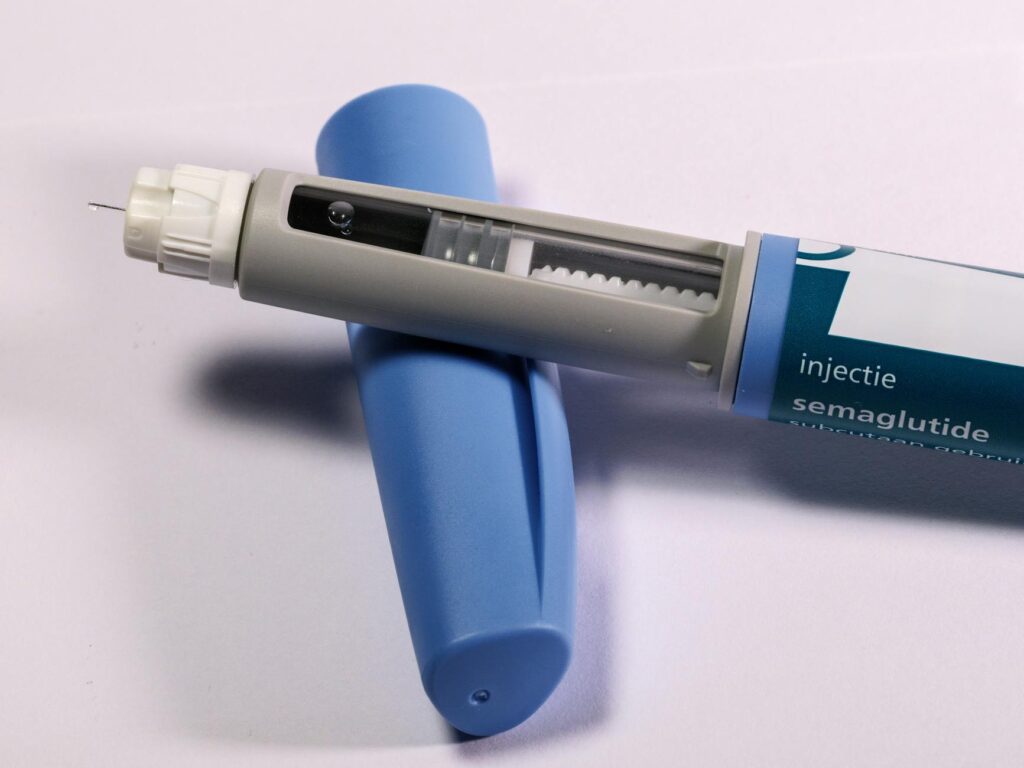
- Carry-on first: Keep all diabetes supplies (insulin, syringes, pens, lancets, meters, continuous glucose monitors—CGMs—and test strips) in your carry-on, not checked luggage.
- Temperature protection: Insulin and some diabetes meds lose effectiveness in extreme heat or cold. Use specialized cooling cases and insulated pouches, especially if you’ll be outdoors or in hot climates (reference).
- Documentation: Carry copies of your prescriptions and a letter from your healthcare provider describing your need for diabetes supplies and devices. This is crucial for both airport security and emergencies abroad.
Snacks and Low Supplies
- Bring a variety of easily accessible, fast-acting carbs (glucose tablets, juice boxes, granola bars) for hypoglycemia.
- High-protein or high-fiber snacks (nuts, protein bars) help bridge long gaps between meals.
Technology and Tools
- Spare batteries, charger cables, and a backup glucose meter—especially for longer trips.
- Alcohol swabs for clean testing on the go.
- A list of emergency contacts and local hospitals at your destination.
On the Move: Navigating Transportation with Diabetes
Air Travel and Airport Security
Navigating airport security can be stressful, but preparation goes a long way. TSA (and most international security agencies) allow diabetes supplies, but you may be subject to additional screening. Here’s how to make it smooth:
- Label everything: Keep all medication in original packaging, with visible labels.
- Be upfront: Inform agents about your diabetes devices and supplies before screening.
- Protect your pumps/CGMs: Some insulin pumps and CGMs can be affected by x-ray machines or full-body scanners. Always check your device manufacturer’s guidelines and notify security staff (source).
- Time zone management: Adjust medication times to suit your new schedule. Set alarms for reminders, and check with your diabetes care team about safe timing for insulin if you’re crossing multiple zones.
Cars, Trains, and Buses
If your journey includes road trips or overnight trains:
- Always keep supplies within reach.
- Store insulin in a cooler or insulated bag; never leave it in a hot car or under direct sun.
- Plan for regular meal breaks and time to test your blood sugar along the way.
When renting a car, such as in France or Scotland—based on research on “10 Best Car Rentals in France”—choose companies with reliable customer service and flexible pick-up options. This ensures you can get your supplies quickly if delayed, reducing stress.
Food, Dining, and Blood Sugar Management Abroad
Eating Well, Anywhere
From Barcelona tapas tours to Croatian villa stays with private pools, travel can mean new foods and unpredictable meal times. However, safe and confident diabetes travel tips include mindful eating practices:
- Research menus ahead: Use online reviews, like in the “2 Day Barcelona Itinerary,” to scout restaurants that offer healthy, carb-counted options. Don’t be shy about contacting venues regarding menu details.
- Portable carbs: Always have your own snack stash. In many countries, shops may close early, or meal times may differ from home.
- Grocery stores over restaurants: Especially for longer stays, choose accommodations with small kitchens. This lets you prepare at least some meals, which is crucial for blood sugar stability.
Hydration and Alcohol
- Stay hydrated, especially in hot or humid destinations.
- If choosing to drink alcohol, do so with food and monitor for delayed hypoglycemia, an increased risk for those using insulin.
Monitoring Blood Glucose
Check your levels more often when you’re active, exploring new places, or have an unusual schedule. Extended walks through Scottish castles or long hikes on the Isle of Skye (see “How to Visit the Fairy Glen”) can cause your blood sugar to drop more quickly.
Staying Safe and Confident: Managing Diabetes and Health in New Environments
International Travel: Getting Care When You Need It
Don’t let the “what-ifs” keep you from exploring. Preparation and local knowledge are key:
- Travel insurance: Always purchase a robust policy that covers pre-existing conditions, medication replacement, and emergency evacuation.
- Know your surroundings: Upon arrival, locate the nearest pharmacy, hospital, or clinic—especially if you’re staying off the beaten path (such as villas in Croatia or Bali).
- Language tips: Learn basic diabetes-related phrases in the local language or carry a translation card explaining your condition and medication needs.
- Emergency contacts: Have a list of contacts saved in your phone and on paper.
Intimacy, Relationships, and Diabetes Management Travel
Travel can offer an opportunity to reconnect with loved ones and experience intimacy in new places. However, as noted in “Sex and Diabetes: From Her Point of View,” individuals living with diabetes—especially women—may experience unique worries related to low blood sugar or self-consciousness with devices. Here’s how to feel comfortable while maintaining health:
- Communicate openly with your partner about diabetes management.
- Pack any special needs for intimacy (extra devices, hypo treatments, lubrication).
- Remember, taking care of yourself first helps you relax and fully enjoy every moment.
Overcoming Common Diabetic Travel Challenges
Even with planning, diabetic travelers may face:
Lost Luggage or Supplies
- Solution: Keep essentials in your carry-on. For checked items, place a list in your bag describing your diabetes and medications in case airport staff need to help reunite you.
Unpredictable Meals or Delays
- Solution: Never rely solely on airplane, train, or hotel food. Travel with meal substitutes and monitor signs of low blood sugar frequently.
Jet Lag and Schedule Disruption
- Solution: Discuss insulin or medication adjustment strategies with your healthcare team before departure. Record all changes in a travel health diary.
Temperature Extremes
- Solution: Whether visiting warm Bali villas (“22 Best Private Pool Villas In Bali”) or hiking the Scottish Highlands (“20 Best Places To Visit In Scotland”), safeguard your insulin and test strips from heat and cold. Use temperature-stable pouches and store medications in shaded, insulated bags.
Mental Health and Fatigue
Travel can be tiring and sometimes stressful, which can impact blood sugar stability. Prioritize rest and relaxation in your itinerary, and give yourself grace!
Technology: Travel Gadgets that Make Life Easier
Modern travel is easier than ever with the right tech. Here’s what to consider as a diabetic traveler:
Best Travel Laptops & Digital Tools
A lightweight laptop lets you research local pharmacies, store digital copies of medical documents, or join virtual check-ins with your healthcare provider. (Explore “12 Best Travel Laptops You Can Buy In 2026.”)
- A simple medical app or cloud-based storage for prescriptions and emergency contacts can be invaluable.
- Use health tracking apps to log blood glucose, meals, and medications on the road.
Choosing Your Accommodation and Getting Around
- Opt for accommodations with refrigerators, such as rental villas, apartments, or hotels—vital for insulin users (“16 Best Croatia Villas With A Pool,” “22 Best Private Pool Villas In Bali”).
- When traveling around places like Nicaragua, look for transport that lets you take breaks when needed. Flexibility can reduce travel stress and keep your schedule diabetes-friendly.
Confidence Through Connection: The Diabetic Travel Guide Community
Traveling with diabetes doesn’t have to be lonely or worrisome. At The Diabetic Travel Guide, we believe connection and shared knowledge build confidence for every journey. Our resources are curated from medical experts, real-life travelers, and trusted health publications, designed to meet you wherever your next adventure takes you.
Find community forums, printable packing lists, destination-specific meal guides, and FAQs about traveling with insulin pumps, CGMs, medications, or dietary needs at The Diabetic Travel Guide.
Your Adventure Awaits—Let Us Help You Travel Confidently with Diabetes!
Travel is for everyone—including you. With the right preparation and resources from The Diabetic Travel Guide, diabetes doesn’t stand in the way of breathtaking experiences, deep connection, and authentic adventure.
Ready for your next trip? Explore our extensive library of diabetic travel tips, packing lists, travel-tested recipes, and expert advice at The Diabetic Travel Guide. Sign up for our newsletter to get regular updates and join a welcoming community of travelers dedicated to empowerment, health, and the thrill of discovery.
Safe travels and happy exploring—your journey truly begins here!
FAQ Section
- What should I pack for a diabetic travel trip?
- How do I handle airport security with diabetes supplies?
- How can I eat healthy while traveling abroad?
- What to do if I lose my diabetes supplies while traveling?
- Do I need travel insurance if I have diabetes?