



Traveling with Diabetes: Essential Safety, Planning, and Confidence Tips for Diabetic Travelers
Estimated reading time: 7 minutes
- Effective travel planning ensures safety and enjoyment for diabetic travelers.
- Key strategies address medication management, meal planning, and emotional wellness.
- Preparation aids in handling diabetes-related challenges while traveling.
- Technology tools can enhance the travel experience for those with diabetes.
- Community knowledge and support can ease the travel process.
Table of Contents
- Why Thoughtful Travel Planning is Vital for Diabetics
- Top Travel Challenges for People with Diabetes—And How to Overcome Them
- Essential Packing Strategies for Diabetes Travelers
- Handling Medications and Devices: Practical Guidance for On-the-Go
- Navigating International Destinations: Diabetes-Related Considerations
- Technology Tools for the Modern Diabetes Traveler
- Staying Confident, Safe, and Healthy Abroad
- Your Questions, Answered: Common Concerns for Diabetic Travelers
- Final Encouragement—and Next Steps
Why Thoughtful Travel Planning is Vital for Diabetics
Living with diabetes means that every journey requires more than simply packing a bag and booking tickets. Ample preparation can make or break a trip: it ensures your blood sugar stays in check, you have access to the right foods and medications, and surprises (like lost luggage or unfamiliar meals) don’t derail your adventure. The Diabetic Travel Guide is built on the belief that everyone deserves to see the world safely and comfortably, equipped with knowledge and strategies to tackle common and unexpected challenges.
Top Travel Challenges for People with Diabetes—And How to Overcome Them
1. Blood Sugar Management on the Move
Unfamiliar schedules, excitement, new foods, and time zone changes can all disrupt your usual diabetes management routine. Fluctuations in activity levels—like hiking in Scotland or sightseeing around Barcelona—sometimes mean your body needs more or less insulin or medication than usual.
What You Can Do:
- Track your blood sugar more frequently, especially during and after long walks, sightseeing, or changes in time zones.
- Carry fast-acting glucose options at all times (tablets, sugary snacks, juice boxes).
- Set alarms for regular glucose checks, particularly after meals or during periods of increased activity.
- Communicate your needs: Let travel companions know about your diabetes, how to spot signs of high/low blood sugar, and what to do in an emergency.
2. Storing and Transporting Insulin and Supplies
Safely storing diabetes medication and supplies is one of the top diabetes travel tips. Insulin can lose its potency if exposed to extreme temperatures—especially in destinations with hot climates, like Bali or southern France.
What You Can Do:
- Use insulated travel cases or chilled bags for insulin, and never put it in checked luggage—it can freeze in the cargo hold.
- Bring backup supplies: Pack insulin, syringes, pens, test strips, and batteries in your carry-on. Bring twice what you think you need.
- Store gear smartly: When staying at accommodations such as Croatia’s villa rentals, check that fridges are available or request them at hotels in advance.
- Keep a prescription copy: In case you lose your supplies, a doctor’s note and prescription (in English and, if possible, the local language) are invaluable.
3. Airport Security and Transportation
From TSA checks to train stations in Nicaragua, navigating security with diabetes supplies can be daunting. Syringes, insulin vials, pumps, and glucose gels sometimes spark questions from staff unfamiliar with diabetes.
What You Can Do:
- Prepare a diabetes travel letter: A document from your healthcare provider listing your condition and necessary supplies.
- Pre-pack all medical items together for easy access and to show security staff.
- Research local laws and airline regulations regarding diabetes medications.
- Politely explain: Most security officers will accommodate with the right documents and explanation.
4. Meal Planning and Managing Food Choices Abroad
Traveling introduces dietary unpredictability—especially if you’re in a region with unfamiliar foods, such as street markets in Barcelona or small-town restaurants in rural France.
What You Can Do:
- Pack familiar snacks for times when carb counts are unclear.
- Learn food terms: Know translations for “sugar,” “starch,” and other important dietary words.
- Ask questions or see menus online before you dine out, so you can identify diabetic-friendly options.
- Request substitutions: Most places are happy to adapt meals for dietary needs when asked politely.
5. Staying Active Without Overdoing It
You want to enjoy every moment, but new activities—like walking the Glenfinnan Viaduct or exploring on a bike—can trigger unexpected lows.
What You Can Do:
- Pace yourself: Include breaks, keep hydrated, and always carry a snack.
- Monitor your levels before, during, and after activity.
- Tell your group: If you’re joining a tour or adventure, let guides or companions know you may need extra stops.
6. Emotional Wellbeing, Relationships, and Sex
Managing diabetes isn’t just physical—it can affect your relationships, too. Travel can be romantic and exciting, but diabetes sometimes adds a layer of stress, especially when it impacts intimacy or your partner’s plans.
Practical Tip:
- Communicate openly with your travel partner. If you’re worried about how diabetes might affect intimacy, share your feelings and plan for times when you’re both relaxed and comfortable.
- Be gentle with yourself: Travelling should be fun, not a source of extra stress. If things don’t go as planned, know that you’re not alone in facing such challenges. Read more insights from “Sex and Diabetes: From Her Point of View” to hear others’ stories.
Essential Packing Strategies for Diabetes Travelers
When it comes to diabetes travel tips, smart packing is your first defense against travel trouble. Here’s a checklist to set you up for success:
Diabetes Packing Checklist
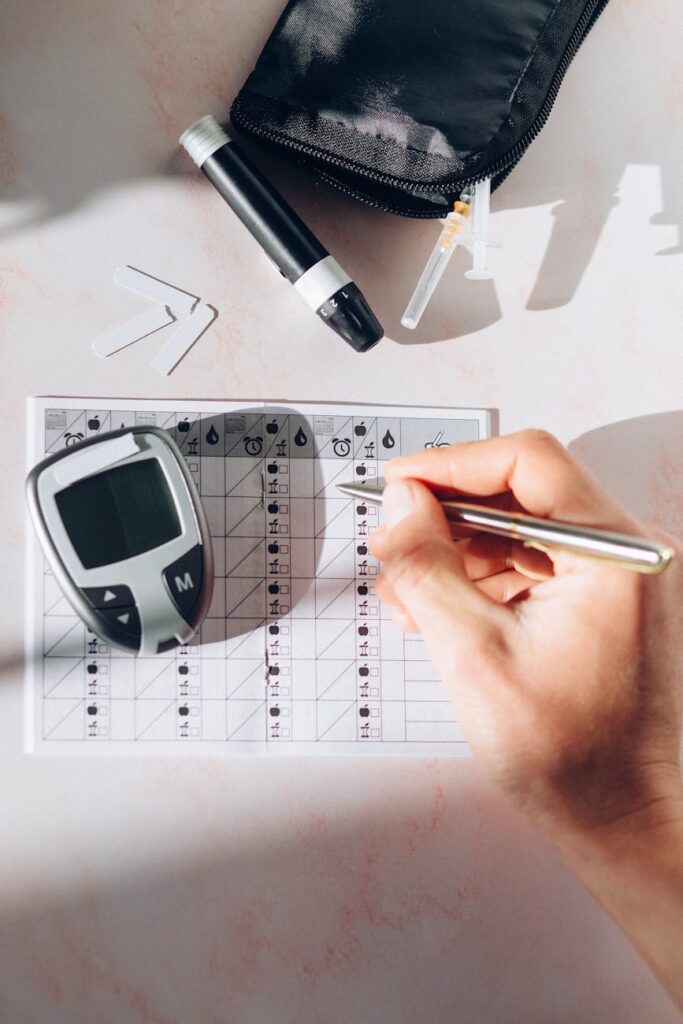
Diabetes Supplies:
- Extra insulin, pens, or oral meds (double your normal supply)
- Glucometer/CGM and chargers/batteries
- Test strips, lancets, alcohol swabs
- A detailed medication list and doctor’s letter
- Low blood sugar treatments (glucose tablets, gel packs, juice boxes)
- Needles, syringes, sharps container (portable if possible)
- Extra pump supplies (infusion sets, reservoirs)
- Medical ID bracelet or card
Other Helpful Gear:
- Insulated cooling bag or travel fridge
- Healthy, carb-counted snacks
- Reusable water bottle
- Travel insurance that covers chronic conditions
- Local phrase translations for diabetes and medical needs
- First-aid kit
Important Documents:
- Doctor’s travel letter and prescription copies
- List of your medications (including generic names)
- Emergency contact numbers (doctor, travel insurance, embassy)
- Translation cards for explaining your condition to others
Handling Medications and Devices: Practical Guidance for On-the-Go
Traveling by car, train, or plane? Each mode requires a slightly different approach:
Car Rentals and Road Trips
Renting a car in France, exploring Scottish Highlands, or driving through Nicaragua? Road trips offer flexibility but bring unique challenges.
Pro Tips:
- Keep all diabetes supplies within arm’s reach—not in the trunk, where they can overheat or freeze.
- Plan meal stops and know where supermarkets or pharmacies are on your route.
- Use navigation apps (on your travel laptop or smartphone) that show rest stops and 24-hour fuel stations.
Rail, Bus, or Public Transit
Public transportation is popular in places like Barcelona and Croatian cities. You may not have fast access to food or restrooms.
Pro Tips:
- Bring a visible snack pouch and water.
- Check schedules to avoid gaps between meal times.
- Carry documentation in case you need to explain your supplies.
Flights and Airports
- Always declare your medical needs at check-in.
- Use a medical bag for all diabetes equipment—most airlines don’t count it towards your carry-on limit if it’s medically essential.
- Research airport amenities ahead of time for food options and quiet places to check your blood sugar.
- Set your clock to the destination’s time zone once on board and adjust medication schedules as appropriate.
Navigating International Destinations: Diabetes-Related Considerations
Dreaming of a poolside Bali villa or a tour of Scotland’s top sights? Here are extra steps you should take:
Learn About Local Healthcare
Before departure, know where local urgent care centers, hospitals, or pharmacies are. In Europe, for instance, pharmacies are generally well-equipped, but in parts of Central America or Southeast Asia, supplies may be harder to find.
Helpful Steps:
- Download offline maps highlighting hospitals and pharmacies.
- Carry a phrase card for “I have diabetes. I need a doctor/pharmacy/insulin.”
Get Travel Insurance with Chronic Disease Coverage
Standard policies may not cover diabetes-related emergencies. Specifically ask for coverage that includes chronic conditions, medical evacuation, and medication replacement.
Adapt to New Schedules and Meals
Frequent time changes can disrupt medication timing. If you’re not sure how to adjust, consult your healthcare provider before travel.
Technology Tools for the Modern Diabetes Traveler
Laptops, smartphones, and apps can make travel simpler. For instance:
- Use a reliable travel laptop to keep health records accessible.
- Download glucose tracking apps that adapt to new time zones.
- Set up cloud backup for prescriptions and emergency contacts.
- Find local restaurants with diabetic-friendly meals using review sites or translator apps.
Staying Confident, Safe, and Healthy Abroad
At the heart of every diabetes journey is the confidence to handle the unexpected. Preparation is key, but so is flexibility and self-kindness. Remember that you can:
- Ask for help when you need it—most people are understanding and willing to help.
- Adapt your plans if your body needs rest or your blood sugar fluctuates—nothing ruins a trip faster than ignoring your health.
- Connect with local diabetes communities online for insider tips and emergency advice.
- Celebrate each successful step—you’re living your dreams and managing diabetes with courage.
Your Questions, Answered: Common Concerns for Diabetic Travelers
Q: What if I run out of insulin or lose my supplies?
A: Keep spares split between your luggage and that of a companion if possible. Use local pharmacies for prescription refills—your backup documents are essential. In case of major loss, contact your embassy or travel insurer.
Q: How do I handle hypoglycemia in a foreign country?
A: Always carry easy-to-access glucose. Teach your companions the signs of low blood sugar and have a printed phrase card to alert bystanders if you need help.
Q: How do I keep my supplies safe in hot climates?
A: Use cooling bags and avoid leaving any meds in direct sunlight or in hot vehicles. Most hotels and vacation villas (such as those in Croatia or Bali) can provide a mini-fridge upon request.
Q: Can I really go anywhere with diabetes?
A: With preparation, confidence, and some flexibility, yes! Countless travelers living with diabetes explore remote and urban destinations every day.
Final Encouragement—and Next Steps
Traveling with diabetes is uniquely challenging, but never impossible. The Diabetic Travel Guide is here for every part of your journey: from planning your Barcelona itinerary to dealing with the practicalities of meal choices, airport security, and relationship questions while on the road. Let each trip build your confidence and inspire others in the diabetes community.
Ready to plan your next adventure?
Explore all of our in-depth resources, checklists, and real-life stories at The Diabetic Travel Guide. Sign up for our newsletter to stay updated on the latest diabetes travel tips and community events. Your journey is only just beginning—travel safe, prepared, and empowered!
The Diabetic Travel Guide: Where every journey is possible—because you deserve the world.