


How to Travel Safely with Diabetes: Practical Tips, Real Experiences, and Confident Planning for Diabetic Travelers
- Preparation is key: Schedule pre-travel medical check-ups and organize diabetes documents.
- Packing smart: Bring extra supplies and temperature-controlled storage for medications.
- Manage blood glucose: Monitor levels frequently and adjust for routine changes.
- Cultural awareness: Learn key phrases in the local language for emergencies.
- Stay connected: Use online support groups and tools for a smoother experience.
- Why Safe Diabetes Travel Preparation Matters
- Setting the Foundation: Planning Your Trip with Diabetes in Mind
- Navigating Common Diabetes Travel Challenges
- Confident International Travel: Customs, Insurance, and Emergency Care
- Unique Concerns: Intimate Relationships and Diabetes While Traveling
- Top Destinations and Activity Tips for Diabetic Travelers
- Psychological Well-being and Confidence While Traveling
- Frequently Asked Questions (FAQs) for Diabetic Travelers
Why Safe Diabetes Travel Preparation Matters
“Traveling with diabetes,” “diabetes travel tips,” and “safe diabetes travel” are essential keywords for any diabetic traveler searching for reliable, up-to-date guidance.
Managing diabetes on the move comes with its own set of hurdles—varying meal times, time zone shifts, activity changes, and temperature fluctuations can all impact blood sugar and overall health.
But, as countless travelers have discovered, the world opens up when you use preparation as your passport. This article synthesizes insights from expert sources and experienced diabetics to help you anticipate, plan for, and gracefully navigate the most common travel scenarios.
Let’s break down how you can confidently manage diabetes, avoid pitfalls, and maximize enjoyment on your next journey.
Setting the Foundation: Planning Your Trip with Diabetes in Mind
1. Pre-Trip Preparation: Checklists and Health Documents
- Schedule a Pre-Travel Medical Check-up. Visit your healthcare provider 4–6 weeks before departure. Discuss itinerary details, review prescriptions, and ask for any required vaccinations. Ensure your diabetes management plan works for the kinds of meals and activities you’ll be engaging in.
- Gather Essential Diabetes Documentation:
- Written prescriptions for insulin, oral medications, or supplies
- A letter from your doctor explaining your diabetes and the need for medication and devices (very useful for TSA and international customs)
- Emergency medical identification (bracelet or card)
- Medical insurance and travel insurance details
2. Packing Wisdom: Diabetes Supplies and Comfort Items
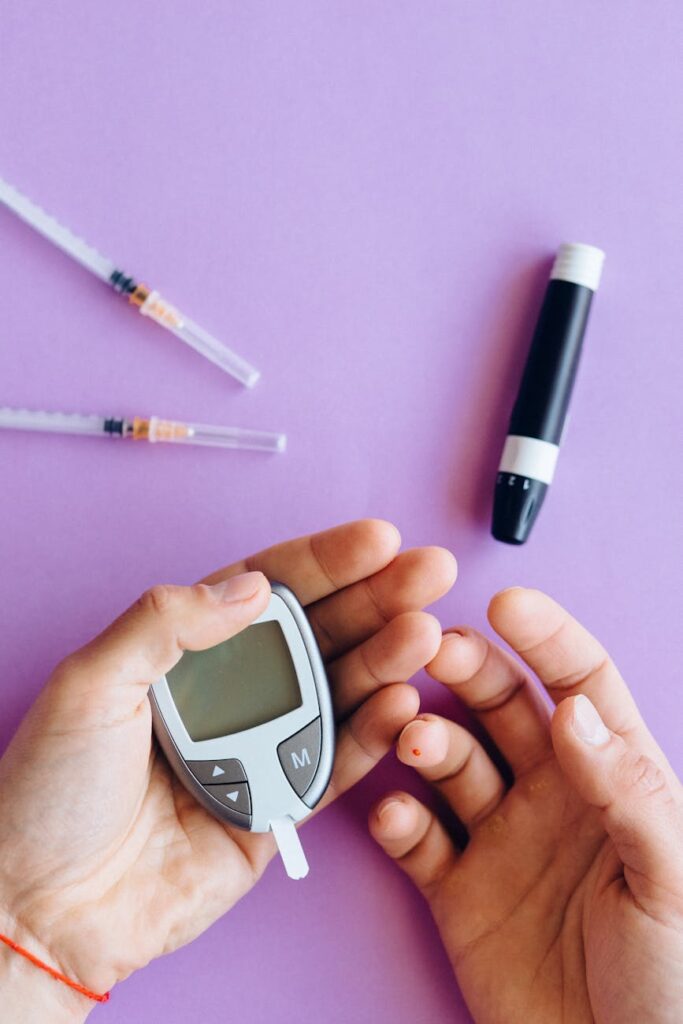
- Bring Twice as Much Diabetes Medication and Supplies as You Need. Pack insulin, oral meds, testing strips, continuous glucose monitoring (CGM) sensors, syringes, pens, glucose tablets/gels, batteries, and any cleaning disinfectant.
- Split Your Supplies. Keep half in your carry-on and half in your checked bag (or trusted companion’s bag, if traveling with others).
- Temperature Matters. Use insulated medication travel cases or medical-grade cooler bags specifically designed for insulin (The Diabetic Travel Guide) to keep medications within temperature range, especially when exploring sunny Bali or the remote corners of Scotland.
- Treats on Hand. Carry snacks, drinks, and fast-acting carbs where they’re always accessible.
- Passport and visas
- Travel insurance with diabetes coverage
- Doctor’s letter and prescriptions
- Medical ID and emergency contact info
- Glucometer/CGM + spare batteries
- Insulin/medicine—twice as much as you expect to use
- Hypo treatments (glucose tabs, juice boxes, gels)
- Alcohol wipes and hand sanitizer
- Portable sharps container
- Travel cooling pouch
- Reusable water bottle
Ready-to-Use Packing Checklist:
Navigating Common Diabetes Travel Challenges
1. Blood Glucose Management on the Move
- Stick to your regular meal and medication times as much as possible, adjusting for local time zones slowly if traveling east or west.
- Set reminders on your phone for medication and testing.
- Always have snacks for low blood sugar emergencies.
- Check your glucose more frequently, particularly before and after activities.
- If you’re taking a guided tour (for instance, visiting the Glenfinnan Viaduct), inform your leader or travel companion about your diabetes in case you need help.
- Drink plenty of water, even on flights (bring an empty bottle and fill it after security).
- Limit caffeine and alcohol.
2. Medication Storage and Security
- Pack all supplies in their original packaging.
- Present your doctor’s letter proactively at security.
- Separate medical devices in a clear pouch for easy inspection.
- Don’t store insulin in checked baggage—it can freeze in the hold.
3. Eating Out, Local Foods, and Dietary Surprises
- Choose accommodations with kitchenettes (like a villa in Croatia with a pool!) so you can prepare some of your own meals.
- Research typical local dishes in advance and identify “safe bets” for mealtimes.
- When ordering, ask how dishes are prepared, and don’t hesitate to request nutrition info or substitutions.
- Pack a portable food scale if you’re strict about carb counting—there are compact travel-friendly options.
Confident International Travel: Customs, Insurance, and Emergency Care
1. Customs and Security
- Check embassy or government travel health sites for medication import rules.
- Leave pills and devices in labeled, original packaging.
- Inform security staff you’re carrying medical supplies.
2. Travel Insurance and Emergency Care
- At least one pharmacy and hospital near your hotel/accommodation.
- Locations and hours of clinics in rural or remote areas (like the Scottish Highlands).
Unique Concerns: Intimate Relationships and Diabetes While Traveling
- Suggestions:
- Be honest with your partner about your needs and how you’re feeling physically and emotionally—travel fatigue and fluctuating blood sugars can affect mood and intimacy.
- Bring anything you need for comfort, whether that’s snacks, hypo treatments, or your favorite self-care items.
- Don’t feel pressured to “keep up” a hectic pace if your body needs rest—listen to your needs, and enjoy special moments at your own speed.
Top Destinations and Activity Tips for Diabetic Travelers
1. Road Trips & Car Rentals: France, Scotland, and Beyond
- Plan your driving breaks every 2-3 hours to check blood glucose and stretch.
- Bring a compact cooler for snacks and insulin.
- Stop at local bakeries or markets for healthy options.
2. City Adventures: Barcelona, Edinburgh, and More
- Chart your “diabetes-safe zones” (cafés, restrooms, pharmacies) before heading out. Many travel blogs offer useful itineraries.
- Opt for centrally located accommodations to reduce unnecessary walking or stress if a hypo strikes.
- Wear comfortable shoes and layer your medical ID.
3. Active and Nature-Focused Travel: Scotland, Nicaragua, Asia
- Pair increased activity with more frequent glucose monitoring.
- Adjust medication doses with your healthcare provider if you expect a big change in activity.
- Store supplies in waterproof, temperature-stable containers for adventures (kayaking, mountain walks).
Psychological Well-being and Confidence While Traveling
- Staying connected with online support groups for diabetic travelers while on the road.
- Practicing self-compassion if your diabetes is less predictable while you travel.
- Reminding yourself you deserve adventure, and with planning, you can have it.
Frequently Asked Questions (FAQs) for Diabetic Travelers
A: Inform security staff before screening. Devices such as insulin pumps and CGMs can go through metal detectors but should not be sent through x-ray scanners. Show your device and medical letter proactively.
A: Store half your supplies in a separate bag and keep prescriptions handy. In an emergency, visit a local hospital or pharmacy with your documentation. Purchase travel insurance that covers lost medications.
A: Shift your schedule in small increments before your departure. For long-haul flights crossing multiple zones, consult your healthcare provider for individualized guidance.
A: Many people with complications enjoy safe travel with supportive planning. Discuss your specific needs with your doctor, and select lighter activities or accessible destinations accordingly.