



Diabetes Travel Tips: How to Stay Safe and Enjoy Your Journey with Confidence
Estimated reading time: 8 minutes
- Traveling with diabetes is possible with planning.
- Pack extra supplies and medication letters.
- Control your blood sugar across time zones and new foods.
- Familiarize yourself with local healthcare and emergency procedures.
- Communicate openly with travel partners about your needs.
Table of Contents
- Why Diabetes Travel Tips Matter
- Key Foundations: Planning Your Diabetes-Friendly Trip
- Staying Healthy On the Move: Glucose Management and Self-Care
- Real-World Diabetes Travel Tips: From Car Rentals to Cultural Considerations
- Special Considerations: Relationships, Sex, and Emotional Health Abroad
- Overcoming Common Travel Challenges with Diabetes
- Sample Itineraries and Ideas to Inspire You
- At a Glance: Quick Diabetes Travel Checklist
- You Can Travel with Diabetes—And Thrive!
Why Diabetes Travel Tips Matter
Living with diabetes doesn’t mean you have to put your travel dreams on hold. In fact, with a little preparation and the right resources, you can explore the world just like anyone else. From maintaining healthy blood sugar levels to handling emergencies and navigating airport security, good planning—and a supportive community—are essential. The Diabetic Travel Guide was founded by experienced diabetic travelers, so you can rely on our evidence-based advice, reassurance, and real-world know-how.
Key Foundations: Planning Your Diabetes-Friendly Trip
1. Create Your Confident Diabetes Travel Plan
Start early. Map out not just your itinerary—like a 2-day Barcelona adventure or driving trip through France—but your diabetes management strategy for each leg of your journey. Consider factors such as:
- Meal timing and types: International travel or even a quick city break can disrupt your normal meal schedule. Identify restaurants and shops near your lodging that serve balanced meals.
- Medication and supply logistics: Will you have access to refrigeration? How will you store insulin on a day trip to the Scottish Highlands or under the Bali sun?
- Backup and emergencies: What if you lose your medication or supplies? Where is the nearest pharmacy or hospital at your destination?
Building your trip around your diabetes management needs ensures you can enjoy every adventure without unnecessary stress.
2. Packing Essentials: What Every Diabetic Traveler Needs
Packing wisely is one of the best diabetes travel tips out there. Here’s a checklist to help you prepare:
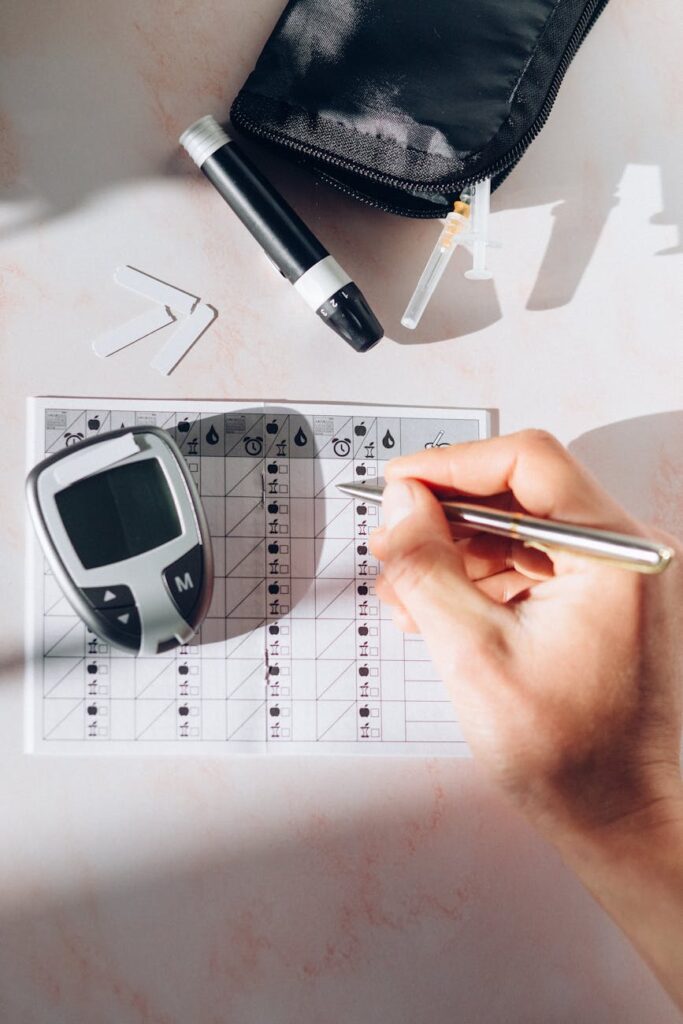
- Twice as many supplies: Bring double the insulin, testing strips, CGM sensors, syringes, and oral medication you’ll need.
- Medication letter: Ask your doctor to write a travel letter listing all your medications and medical devices. This helps with customs and airport security.
- Cooling cases or Frio packs: Essential for keeping insulin safe, especially in warmer places like Bali or southern France.
- Non-perishable snacks: Low blood sugar doesn’t rest for travel schedules. Pack quick fixes such as glucose tabs, juice boxes, granola bars, or nuts.
- Sharps container: Choose a portable one for safe disposal of used needles and lancets.
- Identification: Wear a medical alert bracelet and carry a diabetes card in the local language if headed abroad.
Staying Healthy On the Move: Glucose Management and Self-Care
1. Blood Sugar Control Across Time Zones
Crossing time zones, adjusting to new foods, and dealing with excitement or travel stress can all affect your blood glucose. Follow these strategies:
- Before You Go: Discuss your travel plans with your diabetes care team. Confirm your insulin or medication schedule for your destination’s time zone.
- During Transit: Check your glucose more often during flights and layovers, since airplane food may not match your usual carb count, and long periods of sitting can affect your body’s insulin needs.
- After Arrival: Give your body a day or two to adjust and continue frequent checks as you adapt to new routines and food choices.
2. Diet and Hydration Abroad
- Plan: Use online menus, apps, or local guides to research diabetes-friendly restaurants before you travel. Make good use of kitchens or local grocery stores when possible.
- Hydrate: Travel can lead to dehydration, especially on flights or in hot climates like Bali. Carry a refillable water bottle everywhere.
- Snack Smart: Have emergency snacks handy at all times—keep them in purses, backpacks, and rental cars.
3. Exercise Fun: Activity and Glucose
Walking the cobbled streets of Barcelona, hiking the Fairy Glen in Scotland, or swimming in a Croatian villa’s pool can all impact your glucose. Check before, during, and after longer activities, and have a quick-acting carb nearby.
Real-World Diabetes Travel Tips: From Car Rentals to Cultural Considerations
Renting a Car with Diabetes: France and Beyond
Renting a car—especially in sprawling countries like France—can give you more flexibility and make blood sugar management more convenient. The guide to best car rentals in France suggests:
- Pick a rental agency that offers flexible pick-up and drop-off options.
- Request a vehicle with good air conditioning and space for your medication cooler.
- Plan rest stops around meal and testing times.
Driving can also minimize exposure to germs (in comparison to public transportation) and let you store supplies securely.
International Destinations: Language and Local Healthcare
- Learn key phrases in the local language (“I have diabetes,” “I need sugar,” “Where is the nearest hospital?”).
- Carry a printed card explaining your condition and emergency instructions.
- Research nearby healthcare facilities ahead of time (for example, before embarking on an Isle of Skye or Nicaragua adventure).
- Know your insurance coverage and consider travel medical insurance that covers pre-existing conditions.
Air Travel and Airport Security
- Alert security staff that you wear a medical device or have injectable medication. Always carry medication in your hand luggage, alongside your prescription letter.
- Understand international security policies. Some countries may require extra screening for diabetic supplies, especially liquids or sharps.
- Pre-cut food if you need to eat during a flight, and bring wipes or hand sanitizer for safe testing and injecting.
Technology on the Road
Your devices—from glucometers to travel laptops—need to be reliable. Referencing the Best Travel Laptops 2026 list, select electronics with:
- Long battery life (for tracking readings, connecting with health apps, or video doctor calls)
- Lightweight, compact design
- Worldwide charging compatibility
Special Considerations: Relationships, Sex, and Emotional Health Abroad
Traveling can bring people closer—whether with a partner, friends, or family. Living with diabetes adds a layer of complexity to relationships, especially when you’re outside your comfort zone. The article Sex and Diabetes: From Her Point of View highlights some unique emotional and practical challenges women with type 1 diabetes face, such as:
- Communicating openly about diabetes management needs and insecurities
- Planning for intimacy by keeping glucose tabs nearby and checking blood sugar before sexual activity (especially important after a busy travel day)
- Supporting each other through stress or interruptions in routine
Don’t hesitate to educate travel partners or ask for help. Emotional wellness is key to enjoying your adventure and staying safe.
Overcoming Common Travel Challenges with Diabetes
1. Unpredictable Meals and Delayed Schedules
Trains may run late in Scotland, your tour in Barcelona may go over time, or a Croatian restaurant might close unexpectedly. To manage:
- Always keep a snack and glucose treatment on hand
- Use mobile apps to check restaurant hours and reviews for diabetes-friendly options
- Don’t be shy—ask your hotel or guide if you can store snacks or refrigerate medication
2. Lost or Damaged Supplies
Lost baggage or melted insulin is a traveler’s nightmare. Protect yourself by:
- Splitting supplies between multiple bags and companions
- Using cooling pouches as insulation, even for brief periods on hot buses or during hikes
- Making photocopies of your prescriptions, insurance cards, and emergency contacts. Store digital backups on your phone and travel laptop
3. Social Pressures and Cultural Differences
Some cultures may not understand diabetes or dietary restrictions. Overcome these barriers by:
- Carrying explanation cards in the local language
- Politely declining food or drinks that you know will disrupt your glucose control
- Joining online diabetic traveler forums for destination-specific tips
4. Hospital and Emergency Situations
Know the nearest emergency rooms—not just attractions like the Glenfinnan Viaduct or Fairy Glen. Research if insulin types and emergency care are available locally. Always have an emergency plan, even in remote places.
Sample Itineraries and Ideas to Inspire You
From the bustling streets of Barcelona to the peaceful villas of Bali, the world is open to diabetic travelers. For example:
- Barcelona: Use this two-day itinerary and plan for tapas sharing—an excellent way to control portion sizes and try local flavors.
- Scotland: According to the 20 Best Places to Visit in Scotland, many attractions are in remote areas, so plan for scenic but food-sparse stretches.
- Croatia or Bali Villas: Having access to a kitchen (as featured in Croatia’s villa guide) means you can prepare meals that support your glucose management.
- Nicaragua: Getting around Nicaragua is accessible, but rural areas may lack specialized healthcare, so come extra-prepared.
At a Glance: Quick Diabetes Travel Checklist
- Doctor’s appointment before you go—review your travel plan and get extra prescriptions.
- Packing: Double the supplies, cold storage, snacks, documentation.
- In-country: Learn local emergency numbers, language, and pharmacy locations.
- Communication: Talk openly with travel partners about your diabetes management.
- Flexibility: Expect the unexpected and pack extra supplies and snacks.
- Emergency Plan: Know what to do if you lose medications, or experience severe hypo/hyperglycemia.
- Insurance: Consider policies that cover your needs internationally, including medical evacuation if necessary.
You Can Travel with Diabetes—And Thrive!
Feeling nervous before a trip is normal, but with preparation and the right support, you can discover the world safely and joyfully with diabetes. The Diabetic Travel Guide was created to empower you with the trustworthy information and community you deserve, from packing lists to personalized destination advice.
Ready to start your adventure? Explore our full library of diabetes travel tips, destination guides, and community resources at The Diabetic Travel Guide. Join our community newsletter, share your own stories, and let’s make confident, healthy travel possible for everyone living with diabetes!
Safe travels—and remember: the world is yours to explore!
FAQ
1. How can I manage my diabetes while traveling internationally?
To manage diabetes internationally, it’s essential to plan your meals, carry sufficient medications, and familiarize yourself with local healthcare resources.
2. What should I pack for a diabetes-friendly trip?
Pack extra supplies, a medication letter from your doctor, snacks, a sharps container, and your medical alert identification.
3. How can I handle unexpected meal plans while traveling?
Always keep snacks and glucose treatments on hand, and don’t hesitate to ask for food that meets your dietary needs.