


Smart Travel Planning for Diabetics: Expert Safety Tips for Confident, Healthy Adventures
Estimated reading time: 7 minutes
- Proper planning prevents challenges while traveling with diabetes.
- Stay prepared with smart packing and medication storage solutions.
- Manage blood sugar levels effectively even in new environments.
- Have a toolkit of practical tips to ensure a confident trip.
- Explore additional resources for diabetic travelers.
Table of Contents
- Traveling with Diabetes: What You Need to Know
- Blood Sugar Management On The Go
- Smart Packing and Medication Storage
- Navigating Airports and Security
- International Travel: Time Zones, Language, and Food
- Tips for Car Rentals, Laptops, and Modern Travel Gear
- Self-Care, Mental Health, and Sex: Personal Wellness on the Road
- Overcoming Common Challenges
- Your Confidence Toolkit: Practical Tips to Apply Now
- Explore More with The Diabetic Travel Guide
Traveling with Diabetes: What You Need to Know
Your experience as a diabetic traveler is unique, but preparation levels the playing field. According to Diabetes Health Type 1: Sex and Diabetes: From Her Point of View, living with diabetes is an ongoing learning process—especially in new environments or shared experiences, such as travel. Unexpected energy fluctuations, meal timing, and emotional ups and downs are common but can all be managed with thoughtful strategies.
Key Takeaway: Start planning early, learn local customs and healthcare options, and keep communication lines open—with travel companions and your healthcare providers.
Practical Step:
Before you book your next adventure, let your healthcare team know your travel plans. Ask for advice on insulin adjustments, vaccinations, and any necessary documentation.
Blood Sugar Management On The Go
Monitoring, Adjusting, and Responding
Travel disrupts routines—especially meal times, levels of physical activity, and sleep—all of which can impact blood glucose control. New foods and higher activity levels while sightseeing (think the steep hills of Barcelona or dreamy walks in the Scottish Highlands) make self-monitoring crucial.
Actionable Travel Tips:
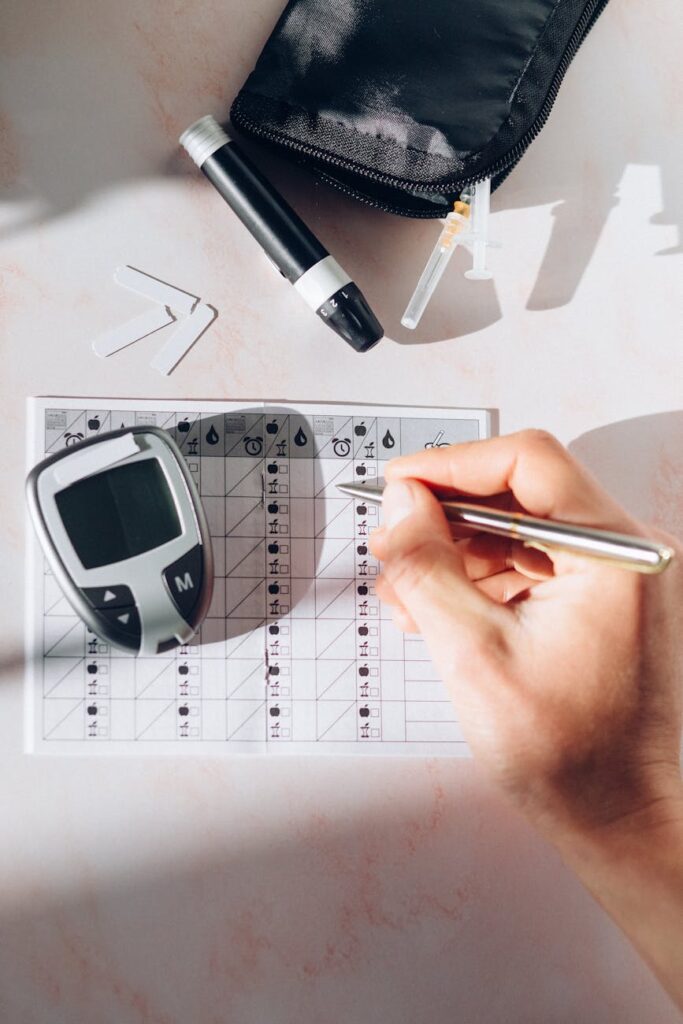
- Pack Two (or More) Glucose Meters: Luggage can get lost or delayed. Bring backup supplies.
- Keep Test Strips and Snacks Within Reach: Airports, long bus rides in Nicaragua, or connecting flights often mean you can’t get to your checked bag. Always have fast-acting carbs and water in your carry-on.
- Continuous Glucose Monitors (CGMs): If you use a CGM, bring extra sensors and check device compatibility in your destination country. Download logs to your travel laptop for easy review.
- Time Zone Transitions: When flying across time zones, adjust medication and monitoring schedules gradually based on guidance from your healthcare provider.
Pro Tip:
Take regular breaks during sightseeing or car trips—walking the Fairy Glen or exploring the Glenfinnan Viaduct in Scotland is wonderful, but listen to your body and check your blood sugar before and after any hike or walking tour.
Smart Packing and Medication Storage
Keeping Insulin and Supplies Safe
Temperature-sensitive medications like insulin require special care. Hot climates (like Bali and Croatia) and cold environments (such as the Scottish countryside) can both affect medication quality.
Must-Haves for Diabetic Travelers:
- Insulin Storage: Use insulated, TSA-approved medication coolers or Frio packs. Never put insulin in checked luggage—it could freeze or overheat.
- Backup Prescriptions: Carry a paper and digital copy of your prescriptions and a doctor’s note explaining your diabetes supplies.
- Sharps Disposal: Bring a travel-size sharps container. Know how and where to safely dispose of needles—research ahead for your destinations.
- Medication Management Apps: Log dosages and times, set reminders, and keep detailed lists of all products and doses on your travel laptop or phone.
Packing Checklist:
- Extra insulin, oral medications, and testing supplies (bring at least 1.5 to 2 times your usual amount)
- Glucose tablets, gels, or emergency snacks
- Medical ID bracelet or necklace
- Copy of insurance cards and emergency contact numbers
Navigating Airports and Security
Confidently Clearing Security with Diabetes Supplies
Airports are a common stress point for diabetic travelers, especially when it’s time to explain syringes, pumps, or CGMs. The key: know your rights, come prepared, and stay calm.
Before Your Flight:
- Research Security Policies: Review the TSA and your airline’s rules regarding diabetic supplies.
- Pre-Sorting Medications: Keep all items together in a clear pouch labeled with your doctor’s note and prescription.
- Declare, Don’t Hide: Always inform security officers about your medical devices and supplies before screening.
- Pat-Downs and Device Safety: Politely request hand-inspection of pumps or CGMs if you prefer to avoid X-ray machines.
In-Flight Tips:
- Carry all diabetes supplies in your personal item or carry-on.
- Stash snacks within easy reach for unexpected delays.
- Pack moist towelettes or hand sanitizer to keep hands clean before checking blood glucose.
International Travel: Time Zones, Language, and Food
Mastering Meals, Medicine, and Culture Changes
Every new place is a chance to learn, but it also introduces unpredictability in food, schedules, and healthcare access. It’s important to be proactive about language barriers, local cuisine, and medical resources.
Managing Time Zone Shifts:
- Adjust medication and meal times—gradually, if possible—before and after long-haul flights.
- Use world clock apps and alarms on your travel laptop or phone to keep on schedule.
Exploring Local Cuisine:
- Barcelona’s tapas or France’s baguettes might tempt you—choose wisely and monitor carbs.
- Don’t shy away from new foods, but keep portion sizes and carb counts in mind.
- Use translation cards or apps to communicate dietary restrictions in restaurants.
Finding Healthcare While Abroad:
- Research the location of the nearest clinic or hospital before arrival.
- Know useful phrases in the local language related to diabetes (“I have diabetes,” “Where is a pharmacy?” etc.).
- Have travel insurance that covers pre-existing conditions.
Tips for Car Rentals, Laptops, and Modern Travel Gear
Embracing Tech and Convenience for Diabetic Travelers
Travel gear has evolved to make diabetic travel more organized, safer, and enjoyable.
Car Rentals:
If you’re renting a car in France, Scotland, or any new country, ensure cars have climate control to help safeguard insulin. Keep your supplies in a cooler, especially on road trips between the best places to visit or during day tours.
Travel Laptops:
The right travel laptop lets you store medical documents, log your readings, and communicate with healthcare providers. Choose light, durable models with long battery life—so you’re always prepared, no matter how remote your destination.
Modern Essentials:
- Universal outlet adapters for charging devices
- Portable Wi-Fi hotspots for reliable access to telemedicine or prescription refills
- Battery banks to keep CGMs, pumps, and phones charged during day trips
Self-Care, Mental Health, and Sex: Personal Wellness on the Road
Travel is more than logistics—it’s an emotional and sensory experience. As noted in Diabetes Health Type 1: Sex and Diabetes: From Her Point of View, self-advocacy and clear communication are core components of diabetic wellness, especially in intimate or high-stress travel situations.
Prioritize Self-Compassion:
- If energy is low, it’s okay to rest rather than push through a tight itinerary.
- Talk openly with travel companions about your needs and how they can help.
- Stress and jet lag can impact blood sugar—use meditation apps, gentle exercise, or journaling to center yourself.
Relationships and Intimacy Abroad:
- Discuss travel plans with your partner before departure, especially if either of you is anxious about diabetes management on the move.
- Carry supplies discretely, plan for privacy, and listen to your emotional needs.
Overcoming Common Challenges
Real-World Solutions to Travel Hurdles
- Lost or Delayed Luggage: Always pack essentials in your carry-on. Split backup supplies between bags and, if traveling with others, ask a companion to carry extra for you.
- Unexpected Illness: Look up emergency clinics and carry a bilingual diabetes information card. If you become ill, check blood sugar more often and stick to simple, familiar foods.
- Accessibility: Whether exploring historic sites in Croatia or modern cities like Barcelona, research accessibility for walking, dietary options, and medical support ahead of time.
- Daily Routine Disruptions: Pre-fill pill organizers, set alarms, and build in rest breaks. Flexible planning keeps you healthy and allows for spontaneous fun.
Your Confidence Toolkit: Practical Tips to Apply Now
It’s the little things that lead to confident, enjoyable travel with diabetes. Here’s a quick-reference checklist you can put into practice today:
- Prepare a Personalized Packing List: Start early, check off essential supplies, and anticipate local conditions.
- Create an Emergency Plan: Share your itinerary and medical needs with family, friends, or travel companions.
- Stay Connected: Keep all medical contacts and The Diabetic Travel Guide’s resources handy.
- Document Everything: Take photos or digital copies of prescriptions, medical ID, and key contacts.
- Rest and Recharge: Prioritize sleep, mental health, and self-care.
Explore More with The Diabetic Travel Guide
You deserve to discover the world without limits. For more diabetes travel planning tips, destination guides, expert gear reviews, and a supportive community, visit The Diabetic Travel Guide.
Ready to plan your next adventure with confidence?
Subscribe to our newsletter, browse our blog for country-specific advice, and join our global network of diabetic travelers. Your next safe, inspired journey starts here—because travel, like diabetes, is more manageable with the right guidance and a dose of adventure!
FAQs
1. Can I travel internationally with diabetes?
Yes, with proper planning and preparation, traveling internationally can be safe and enjoyable for diabetic travelers.
2. What should I bring to manage my diabetes while traveling?
Always bring extra medications, testing supplies, snacks, a medical ID, and your doctor’s contact information.
3. How can I find healthcare while abroad?
Research local clinics and hospitals before your trip, and learn key phrases in the local language related to diabetes care.
4. How do I manage blood sugar changes due to travel?
Monitor your blood sugar closely, adjust your meal timings, and consider the effects of new foods and activities.
5. What should I do if my luggage is lost?
Avoid keeping all essential diabetes supplies in checked luggage, and have a plan for accessing backup supplies if needed.