



How to Travel with Diabetes: Safe and Smart Vacation Planning Tips for Diabetic Travelers
Estimated reading time: 8 minutes
Key takeaways:
- Prepare a “Diabetes Go Bag” with all essential supplies.
- Research transportation options and plan rest stops in advance.
- Stay hydrated and maintain regular meal times while traveling.
- Establish a medical action plan for emergencies.
- Engage with the diabetes travel community for support and tips.
Table of contents:
- Why Diabetes Travel Planning Matters
- Preparing for Your Trip: Diabetes Care Essentials
- Navigating Transportation Challenges
- Managing Blood Sugar on the Go
- Handling Emergencies and Seeking Care Abroad
- Overcoming Common Diabetes Travel Challenges
- Embracing the Joy of Travel: Favorite Destinations for Diabetic Travelers
- Building Community and Confidence
- Practical Diabetes Travel Tips—Ready to Use!
- Explore More with The Diabetic Travel Guide
Why Diabetes Travel Planning Matters
Safe and smart diabetes travel planning starts long before you board a plane or hop in a car. Managing your diabetes while traveling involves unique challenges, like varying meal times, different climates, unexpected delays, and exposure to new cuisines. But with foresight and a few practical steps, you can enjoy destinations like France, Barcelona, Scotland, and beyond—without sacrificing your health or peace of mind.
The good news? You are not alone. The Diabetic Travel Guide is your companion, offering accessible, actionable information every step of your journey.
Preparing for Your Trip: Diabetes Care Essentials
Pack a “Diabetes Go Bag”
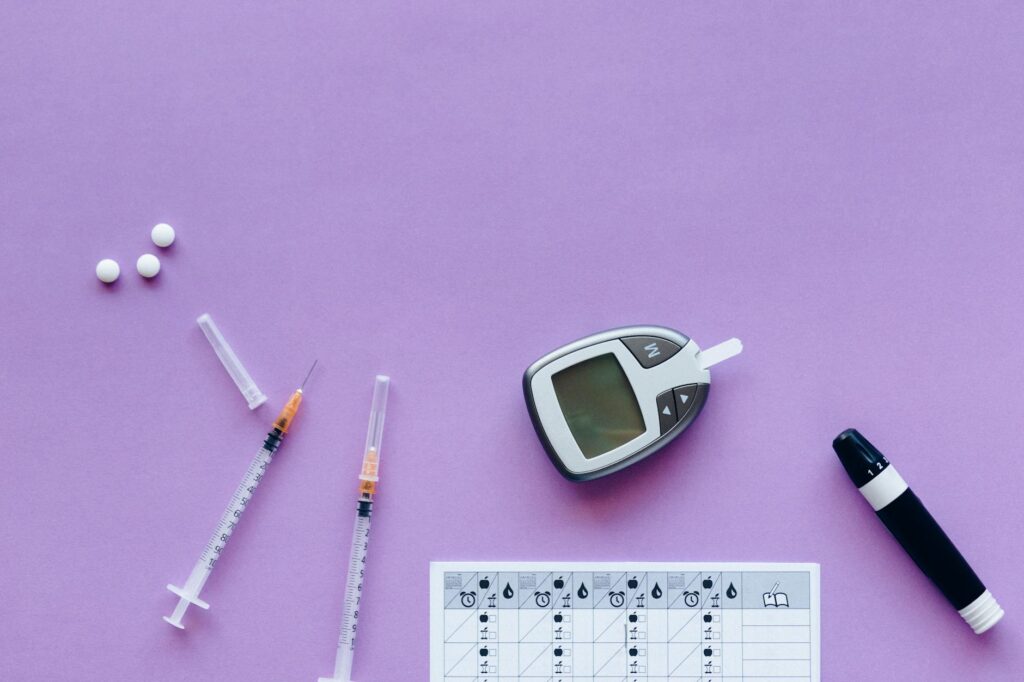
When it comes to diabetes management, being overprepared is always wise. Create a dedicated travel kit that holds:
- Blood glucose meter, continuous glucose monitor (CGM), or test strips
- Insulin pens, vials, syringes, or pump supplies (include more than you think you’ll need!)
- Glucagon emergency kit
- Oral medications, scripts, and copies of prescriptions
- Sharps container (small, travel-sized for flights)
- Fast-acting glucose snacks (glucose tabs, juice boxes, gummies)
- Medical identification (bracelet, card, or necklace that notes your diabetic status)
- Doctor’s contact information and a letter describing your condition and treatment plan
Pro Tip: If you’re traveling internationally, consider bringing a translation card with phrases related to diabetes in the local language.
Organize Your Medications and Supplies
- Carry-on Only: Always keep your essential diabetes medications and supplies in your carry-on luggage. Checked bags can be lost or delayed.
- Temperature Control: Insulin and some other diabetes medications can be damaged by extreme heat or cold. Use cooling pouches, insulated cases, or Frio packs to maintain a safe temperature—even on long-haul flights.
- Documentation: International destinations such as France or Spain may require proof of prescription medications at customs. A doctor’s letter (with medication brand/generic names) can smooth security checks and support emergency care if needed.
Tech Makes Travel Easier
The latest travel laptops (see recommended options here) and smartphones let you track blood sugar data, communicate with your healthcare provider, and manage itineraries in one place. Choose a lightweight, durable laptop that fits in your bag and won’t tax your energy or add bulk.
Navigating Transportation Challenges
Air Travel and Airport Security
Flying is often one of the biggest concerns for people with diabetes. Rest assured, with thoughtful planning and awareness, you can breeze through airport security:
- Security Screening: TSA and international security agencies allow diabetes supplies, including insulin, pumps, glucometers, and snacks. Declare your items before screening. Request a private screening if you prefer.
- Pump/CGM Check: If using an insulin pump or CGM, carry documentation from your device manufacturer stating that items should not go through X-ray or full-body scanners.
- Meal Timing: Flight schedules and delays can disrupt meal times. Carry easily accessible snacks (nuts, whole-grain crackers, fruit bars) and glucose tablets to prevent lows.
- Hydration: Airplane cabins are dehydrating—drink plenty of water and avoid excess caffeine or alcohol.
Road Trips and Car Rentals
Renting a car while traveling (for example, across France—see top rental options) gives flexibility to stop for meals and rest breaks as needed.
- Pack Cooler Bags: Store medication, snacks, and water within easy reach.
- Plan Rest Stops: If possible, map out rest areas in advance. This helps with scheduled medication or insulin doses and glucose checks.
- Local Pharmacy Access: Research local pharmacy chains and their operating hours before you go, especially in rural regions or foreign countries.
Getting Around in New Destinations
Whether exploring Nicaragua’s vibrant cities or renting a car on the Isle of Skye in Scotland, know your transportation options. Accessible transportation, direct bus or train routes, and nearby clinics can make a big difference in a diabetes emergency. Check this complete guide to Nicaragua travel for practical inspiration.
Managing Blood Sugar on the Go
Adapting to New Routines
Time zone changes, exotic foods, and adventure activities affect blood sugar control. Here’s how to stay balanced:
- Adjust Medication Times Gradually: Shifting time zones? Gradually adjust insulin or medication times a few days before travel. Your healthcare provider can help you create a plan.
- Frequent Checks: Test blood sugar more often than usual when routines change. Keep a simple log (paper or digital) to spot trends.
- Activity Level: Sightseeing on foot or climbing up to the Glenfinnan Viaduct in Scotland? Increased physical activity can cause blood sugar to drop, so carry quick-acting carbohydrates at all times.
- Monitor for Patterns: Heat, altitude, and stress can all impact blood sugar. Tracking your responses gives you confidence and helps with adjustments on future trips.
Eating Well While Traveling
Experiencing local cuisine is a highlight of travel, but can feel daunting for those watching carb intake or allergens.
- Research Menus: Before you go, check online menus for healthy choices or look for hotels (like Croatia villas) where you can prepare your own meals.
- Portion Control: Sample new foods in smaller portions. Pair carbohydrates with protein or fiber-rich options to minimize blood sugar spikes.
- Pack Healthy Snacks: Nuts, seeds, trail mix, dried chickpeas, or diabetes-friendly snack bars travel well and offer peace of mind if options are limited.
- Don’t Skip Meals: Travel delays are common—be proactive about meal times to avoid lows or erratic readings.
- Food Labels and Ingredients: When possible, ask about ingredient lists, especially if language barriers exist. Translation apps can help bridge gaps.
Handling Emergencies and Seeking Care Abroad
Have a Medical Action Plan
- Emergency Info Card: At all times, carry a card listing your medical history, medications, allergies, your doctor’s contact information, and details about your diabetes.
- Local Emergency Numbers: Know the local 911 equivalent and the address of the nearest hospital or urgent care wherever you’re staying.
- Insurance Coverage: Check that your travel insurance covers diabetes (including hospitalization, emergency evacuation, and prescription refills).
Sex, Relationships, and Diabetes
Emotional and intimate relationships can be affected by diabetes, especially during travel when routines are upended and privacy is at a premium. As explored in the Diabetes Health article, open communication with your partner, planning for intimacy, and addressing concerns about blood sugar control or medical devices are all important. Plan private time, take comfort measures, and adjust as needed to ensure you can fully enjoy your traveling experiences together.
Overcoming Common Diabetes Travel Challenges
Problem: Medication Storage on Extended Journeys
Solution: Use personal, battery-operated or ice-based cooling pouches, request refrigerator access from hotels, and keep medications out of direct sun and heat.
Problem: Language Barriers with Medical Professionals
Solution: Download translation cards or apps for key medical phrases, and have written instructions about your diabetes in the local language.
Problem: Unexpected Delays or Lost Supplies
Solution: Always travel with double the amount of medication and supplies you’d typically need, and separate them between bags when possible.
Problem: Managing Blood Sugar During Long Tours/Excursions
Solution: Schedule rest breaks, take blood sugar checks, and ensure tour leaders or companions understand basic diabetes first-aid if traveling in a group.
Problem: Anxiety about Emergency Care Abroad
Solution: Register with local embassies and utilize online directories to pinpoint nearby hospitals and English-speaking physicians before you leave.
Embracing the Joy of Travel: Favorite Destinations for Diabetic Travelers
With the right preparation, travel can be as adventurous and fulfilling for people with diabetes as for anyone else. Picture exploring the colorful markets and Gaudí landmarks in Barcelona (see this 2-day itinerary), hiking the atmospheric Fairy Glen on the Isle of Skye (easy travel guide here), or relaxing in a private Bali villa with your own pool (find your dream stay).
Every destination offers a chance to build new memories, deepen your self-confidence, and live well with diabetes.
Building Community and Confidence
Traveling with diabetes can feel lonely at times, especially when navigating unfamiliar places or dealing with setbacks. But remember: There is a vibrant global community of diabetic travelers, caregivers, and advocates who are here to support and inspire you.
At The Diabetic Travel Guide, our mission is to empower you to travel fearlessly—through expert guides, destination reviews, technology recommendations, and shared personal experiences. Together, we make the world more accessible and help you thrive, wherever your adventures take you.
Practical Diabetes Travel Tips—Ready to Use!
- Book Direct Flights When Possible: Fewer layovers mean less stress about medication access and disrupted meals.
- Set Alarms for Medication and Glucose Checks: Time changes and sightseeing can distract—your phone can keep you on schedule.
- Pack Backup Power: Bring battery packs for diabetes devices and phones, especially in rural areas or busy travel days.
- Know Where to Buy Supplies: National pharmacy chains or hospital clinics are often easiest for refills and emergency supplies.
- Practice Self-Care: Give yourself extra time for rest, hydration, and low-impact activity. Don’t cram too much in one day!
Explore More with The Diabetic Travel Guide
Traveling with diabetes doesn’t mean giving up your dreams of exploring the world. With practical planning, open communication, and a positive mindset, you can visit iconic places from Scotland to Bali—and everything in between—while staying healthy and happy.
Ready to plan your next journey? Discover more diabetes travel tips, detailed destination guides, and empowering stories at The Diabetic Travel Guide. Our resources are designed to help you travel safely, confidently, and joyfully—no matter where you’re headed.
Let us be your travel companion, every step of the way. Safe travels!