



Smart Diabetes Travel Planning: Practical Advice for Managing Diabetes While Exploring the World
Estimated Reading Time: 8 minutes
- With the right support and preparation, individuals with diabetes can travel confidently.
- Planning for healthy eating while on the move is essential.
- Work closely with your diabetes healthcare team for tailored logistics and support.
- Stay proactive about blood sugar management, especially when traveling internationally.
- Being prepared for common challenges makes traveling with diabetes less stressful.
Table of Contents
- Why Diabetes Travel Planning Matters
- Healthy Eating on the Go: Choosing the Right Foods Abroad
- Blood Sugar Management While Traveling
- Working With Your Diabetes Healthcare Team
- Essential Medication Storage for Travelers With Diabetes
- Meal Planning Hacks for Diabetic Travelers
- Navigating Airport Security and Travel Rules
- International Travel Considerations for Diabetes
- Overcoming Common Travel Challenges With Diabetes
- The Confidence to Travel With Diabetes: You’re Not Alone
- Start Your Next Journey With The Diabetic Travel Guide
Why Diabetes Travel Planning Matters
Managing diabetes while travelling requires a little extra planning but shouldn’t hold you back from exploring new destinations. The focus keyword, diabetes travel planning, isn’t just about detailed to-do lists—it’s about building your confidence, understanding your needs, and putting your safety first, so you can enjoy your trip at every step.
Travel brings excitement but also challenges, such as changes in time zones, differences in cuisine, unpredictable meal times, and varying activity levels. For people with diabetes—or their caregivers—anticipating these challenges makes all the difference between stress and success.
Healthy Eating on the Go: Choosing the Right Foods Abroad
A key factor in successful diabetes travel planning is sticking to a healthy eating routine—even when you’re faced with tempting bakery displays, unfamiliar meals, and language barriers. According to the Diabetes Care Community Should people with diabetes avoid processed and ultra-processed foods?, it’s important to limit processed and ultra-processed foods, as these can lead to quick spikes in blood sugar and may make it harder to manage your diabetes.
What can you do?
- Plan Ahead: If your itinerary takes you off the beaten path—like on the North Coast 500 or a Baltic road trip—pack healthy snacks (nuts, whole grain crackers, fruit) so you’re never forced into unhealthy choices just because it’s “what’s available.”
- Research Local Cuisine: Before you travel, scan local menus online, or use translation apps to identify diabetes-friendly dishes.
- Balance is Key: Don’t worry if some meals don’t go perfectly to plan; aim for overall balance instead of perfection. Focus on vegetables, lean proteins, and whole grains when you can.
- Beware of Hidden Sugars and Salts: Many processed and restaurant foods contain extra sugar and sodium. Ask for sauces on the side, skip sugary drinks, and add fresh fruit for dessert.
Practical Tip: Make a list of three local dishes that fit your plan and three healthy snacks you enjoy, so you’re never without options.
Blood Sugar Management While Traveling
Traveling means changes in schedule, activity, and sometimes, stress—all of which can impact blood sugar. Smart diabetes travel planning means being ready for these ups and downs.
Know Your Numbers
- Pack Extra Supplies: Bring twice as much test strips, lancets, and sensors as you think you’ll need, plus batteries for your glucometer or continuous glucose monitor.
- Keep Everything Together: Use a travel kit or pouch for your diabetes gear (The Diabetic Travel Guide recommends a pouch that stays at room temperature for short trips and an insulated bag or cooling gel packs if you’ll be in warm areas or carrying insulin).
- Monitor Regularly: Check your blood glucose more often, especially when changing time zones, after extra activity (like walking tours or hiking), or if you feel unwell.
Responding to Highs and Lows
- Hypoglycemia (Low Blood Sugar): Always carry rapid-acting glucose (such as glucose tablets, fruit juice, or hard candy). Keep some in your pocket, daypack, and suitcase. Tell your travel companions where to find it in case you need help.
- Hyperglycemia (High Blood Sugar): Know your sick day plan. Carry extra water, monitor for ketones if you’re at risk, and have a plan in place for contacting emergency services.
Practical Tip: Set an alarm to check your blood sugar at key times (before breakfast, before bed, before big excursions) so the excitement of travel doesn’t throw off your routine.
Working With Your Diabetes Healthcare Team
Feeling overwhelmed with all the moving pieces of travel and diabetes management? You’re not alone. A strong relationship with your diabetes healthcare team—diabetes educators, nurses, dietitians, pharmacists, and your doctor—can be your best travel asset.
According to the Diabetes Care Community, there’s lots of support available for people with diabetes. Don’t hesitate to ask for help or advice when travel plans are in motion.
How can your team help?
- Travel Letters and Documentation: Ask for a letter from your doctor explaining your need for medications, devices, and supplies. This helps with airport security and in emergencies.
- Medication Adjustments: Discuss any time zone changes or increased activity, which might affect how and when you take your medicines or insulin. Get clear advice tailored to your itinerary.
- Vaccinations and Safety: Ask about travel vaccinations and check if your destination requires any extra preparations.
- Local Emergency Contacts: Your healthcare team can help you find out where the nearest clinics or pharmacies are in your destination—crucial for peace of mind.
Practical Tip: Write down your main diabetes team contact info and carry a printed copy with you (plus a digital copy on your phone) in case of emergencies.
Essential Medication Storage for Travelers With Diabetes
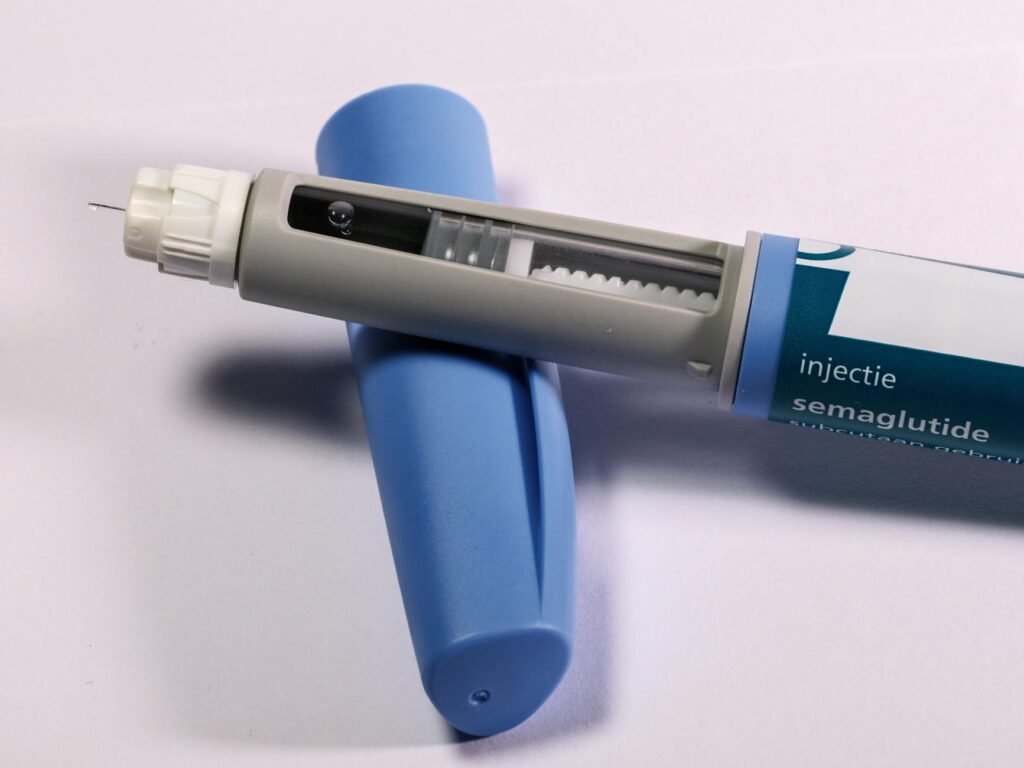
Keeping diabetes medications safe—especially insulin and other injectable drugs—can be tricky while traveling. Heat and cold both impact how well insulin works, so smart diabetes travel planning should always include storage solutions.
Tips for Medication Storage:
- Invest in an Insulated Case: For long journeys, road trips in warm climates, or destinations without reliable refrigeration, an insulated bag or cooling pack is essential.
- Keep Meds With You: Always store medications and supplies in your carry-on—not checked baggage—so you’re always prepared and avoid the risk of lost luggage.
- Watch Airport Security: If asked, show your letter from your healthcare provider and keep meds in their original packaging (with prescription labels attached).
- Double-Check Expirations: Before leaving, make sure your medications are in date, and make a checklist to avoid last-minute packing stress.
Practical Tip: Use pill organizers or weekly medication boxes to simplify daily management on the road.
Meal Planning Hacks for Diabetic Travelers
Meal planning can seem daunting, especially if local customs, time differences, or hotel breakfasts disrupt your normal routine. Stay calm—diabetes travel planning just means getting a little creative.
Solutions for Every Meal:
- Breakfast: Many hotels offer high-carb pastries and juices. Opt for eggs, yogurt, fruit, and whole-grain bread instead. For budget travelers using the Cheapest Countries in Europe guide, shop at local markets for fresh options.
- Lunch and Dinner: Look for grilled meats, fish, salads, or veggie-heavy dishes. Portion control is key—split dishes or save half for later if servings are large.
- Snacks On the Go: Carry roasted chickpeas, seeds, or dried coconut. In places like Sweden or Finland, try local berries—a diabetes-friendly option that tastes like a treat.
Practical Tip: Keep single-serve peanut butter, cheese sticks, or packets of tuna for emergencies—and always have a bottle of water handy.
Navigating Airport Security and Travel Rules
Airports and security checks can be a challenge, but a little prep can make the process smooth and stress-free.
What to Know:
- Declare Your Supplies: At security, explain what you’re carrying. Most agents are familiar with insulin, glucose monitors, and syringes, but your doctor’s letter helps.
- Separate Your Supplies: Remove diabetes supplies from your bag so they’re easy to inspect.
- Liquid Rules: Medications and gels (such as insulin) can be brought in quantities over the usual liquid restrictions, but make sure they’re properly labelled.
Practical Tip: Arrive early so you can go through security without rushing. If you use a medical device (like an insulin pump), check in advance about walk-through scanners—they may interfere with your equipment.
International Travel Considerations for Diabetes
Traveling abroad brings additional things to consider, especially when it comes to time zones, language barriers, and unfamiliar foods.
Before You Go:
- Time Changes: Changing time zones? Set alarms to help remind you of medication times, especially if your schedule is thrown off.
- Know Where to Go: Find out where the nearest hospital or pharmacy is in each city. Learn a few key phrases in the local language (for example, “I have diabetes” or “Is there sugar in this?”).
- Pack Extras: Bring double your supplies—unexpected travel delays happen more often than you might think!
At Your Destination:
- Stay Hydrated: Especially in warmer climates or when walking a lot—dehydration can worsen blood sugar swings.
- Eat Adventurously, but Thoughtfully: New flavors and foods are part of the adventure, but stick to what you know works when possible. Seek out local vegetables and grilled meats as healthy staples.
Practical Tip: Carry a card in the local language listing your condition and emergency instructions.
Overcoming Common Travel Challenges With Diabetes
Traveling with diabetes is entirely possible, but being prepared for these common challenges is key:
- Lost Luggage: Always pack all your diabetes essentials in your carry-on.
- Accessing Medications Abroad: Know generic names of all medications and have a list of equivalents in the local language if traveling internationally.
- Unpredictable Schedules: Group tours or busy itineraries may mean you don’t eat at your usual times—carry snacks and glucose tabs at all times.
- Unfamiliar Healthcare Systems: Research emergency numbers and how to access emergency care before you leave.
Practical Tip: Make daily checklists (either on an app or on paper) for each step—from blood sugar checks, to packing snacks, to checking insulin temperature. Organization reduces stress so you can focus on enjoying your trip.
The Confidence to Travel With Diabetes: You’re Not Alone
Living with diabetes might seem isolating, especially when navigating unfamiliar places or new challenges on the road. But you’re surrounded by a global community of diabetic travelers, health professionals, and supportive organizations like The Diabetic Travel Guide. Remember, asking for help—whether from travel companions, local healthcare providers, or your diabetes team—is a sign of strength and wisdom, not weakness.
Start Your Next Journey With The Diabetic Travel Guide
Planning travel as a person with diabetes does take extra effort, but it’s absolutely worth it. There’s a whole world out there to explore, and with smart diabetes travel planning, a dash of creativity, and the right support, you can go anywhere you dream.
At The Diabetic Travel Guide, we’re dedicated to providing trusted travel tips, in-depth planning resources, and inspiring stories from real diabetic travelers to help you feel safe, confident, and ready for adventure. Explore more of our resources, download checklists, or join our supportive newsletter community.
Want more diabetes travel knowledge, checklists, and encouragement? Visit us at The Diabetic Travel Guide and unlock a world of safe, healthy journeys—one confident step at a time. Your adventure starts today!
Frequently Asked Questions
- What should I pack for traveling with diabetes? Pack extra supplies, a travel kit for medications, and emergency snacks.
- How can I manage my blood sugar on long trips? Monitor your blood sugar frequently and plan regular meals and snacks.
- What should I do if my luggage is lost? Always keep essential diabetes supplies in your carry-on and know how to refill prescriptions abroad.