



Safe Travel with Diabetes: Expert Travel Tips, Common Challenges, and How to Stay Healthy Abroad
Estimated reading time: 8 minutes
- Preparation is key to a safe travel experience with diabetes.
- Understand your destination and any local medical regulations that may apply.
- Pack essentials and double-check your supplies to avoid issues on the road.
- Monitor your blood sugar regularly and adjust for activity while traveling.
- Seek support and communicate your needs with your travel companions.
Table of Contents
- Diabetes Travel Tips: Why Preparation Matters
- Key Steps Before You Go
- Packing Essentials for Diabetic Travelers
- Navigating Transportation Safely
- Managing Blood Sugar Away from Home
- International Travel with Diabetes
- Tips for Eating Well While Traveling
- Unexpected Travel Challenges – and Solutions
- Safety and Confidence for All Travelers
- Discover More with The Diabetic Travel Guide
Diabetes Travel Tips: Why Preparation Matters
If you’ve ever wondered how to travel with diabetes safely or what diabetes travel tips experts recommend, you’re not alone. With millions of travelers managing diabetes each year, there’s a wealth of shared experience and helpful strategies available.
Travel can disrupt routines, eating schedules, and medication timing. Altitude, new foods, busy schedules, and time zone changes can all impact blood sugar levels. As highlighted by many diabetic travelers and the research from Diabetes Health, planning ahead is the best way to keep both your mind and your body in balance while exploring the world.
Whether you’re road-tripping through France with a rental car, sightseeing in Barcelona, or trekking the Scottish Highlands, these expert travel tips for diabetics will help you feel confident—no matter where your adventures take you.
Key Steps Before You Go
Successful trips start well before your departure date. Here’s how to lay the groundwork for stress-free travel with diabetes:
1. Talk to Your Health Care Provider
- Schedule a pre-travel appointment. Discuss your itinerary, ask about necessary vaccinations, and review your diabetes management plan, especially if crossing time zones.
- Get additional prescriptions. Request a letter confirming your diabetes diagnosis, medications, and medical devices; this can be crucial at airports or border crossings.
- Check local regulations. Research how your diabetes medications and supplies are regulated at your destination (for example, insulin packing requirements or blood glucose meter approval).
2. Insurance and Medical Documentation
- Don’t leave home without double-checking your travel insurance. Make sure it includes pre-existing condition coverage for diabetes.
- Carry copies (paper and digital) of important documents: prescriptions, doctor’s note, insurance policy, emergency contacts, and translations if necessary.
3. Research and Plan Your Route
- If your trip involves car rentals (like those in France—tips can be found here), ensure your route includes regular stops for rest, food, and access to restrooms or medical care.
- Look for accommodations with kitchenettes or refrigerators, which help with medication storage and meal preparation.
Packing Essentials for Diabetic Travelers
When packing for travel with diabetes, organization and redundancy are key. Use this checklist based on advice from diabetes experts and seasoned travelers:
Must-Have Supplies:
- Double your usual supply of diabetes medications, insulin pens, and syringes.
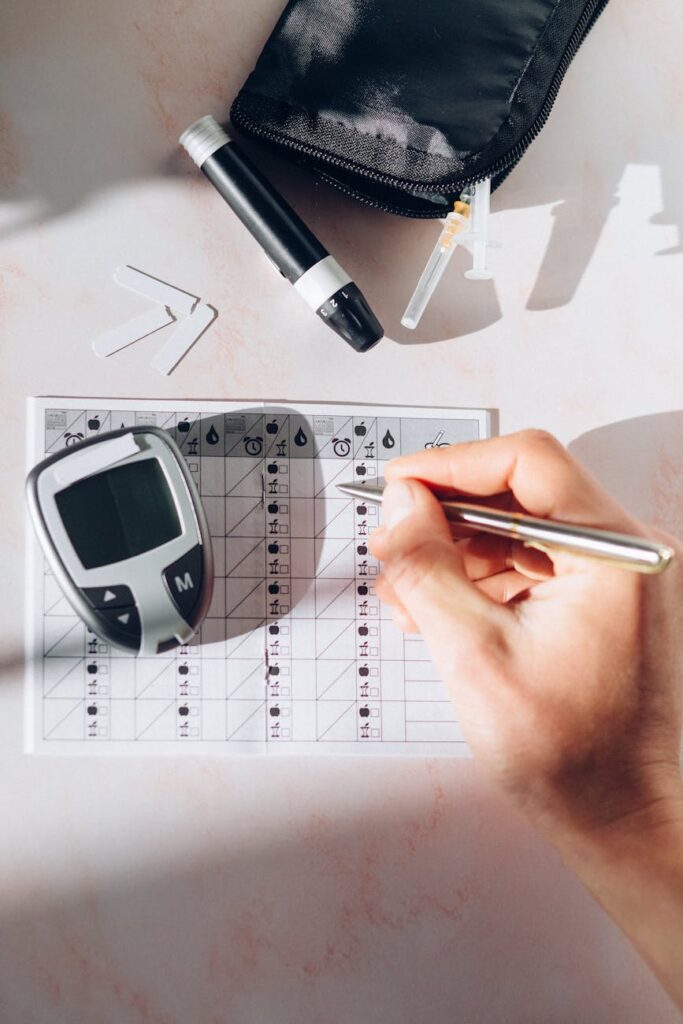
- Blood glucose monitor, lancets, and test strips (plus batteries or chargers if needed).
- Insulin cool pack or travel fridge to keep insulin at a safe temperature (this is vital if staying in warm climates or places without a fridge).
- Continuous glucose monitor (CGM) sensors and transmitter if you use one.
- Low blood sugar treatments—tablets, gels, juice boxes, or granola bars, spread throughout your luggage and day bag.
- Sharps container (travel-size) for safe disposal.
- Alcohol swabs and hand sanitizer.
Extras That Make a Difference:
- Waterproof document pouch for prescriptions and medical info.
- Portable snacks for long travel days or delays, especially if you’re unsure of the food options at your destination.
- Wearable medical ID bracelet or necklace.
Practical Packing Tip: Divide your supplies between bags. That way, if a bag is lost or delayed, you’ll still have what you need.
Navigating Transportation Safely
Air Travel:
- Before You Fly: Inform the airline of your condition ahead of time if special meals, early boarding, or luggage exemptions are required.
- Airport Security: TSA and equivalent agencies recognize diabetes supplies and devices but communicating early helps. Carry medication, insulin, and glucose monitoring devices in your hand luggage with documentation.
- In Flight: Cabin pressure and schedules may alter your blood sugar. Set alarms for testing, take insulin as advised, and keep snacks on hand.
Car, Train, and Bus Travel:
- Bring a cooler for car travel—especially useful in destinations like France or Scotland ([tips here]).
- Plan pit stops for blood sugar checks, meals, and bathroom breaks.
- For day trips: Always carry your medical kit in your day bag.
International and Long-Distance Travel:
Jet lag and time zone changes can affect your diabetes management. Gradually adjust your schedule before travel, and always record when medication is due in local time.
Managing Blood Sugar Away from Home
Routine is your friend—even on vacation: Disruptions to eating and activity schedules can cause unexpected highs and lows. Here’s how to stay steady:
- Monitor frequently. Travel stress, excitement, or unusual foods can make blood sugar unpredictable. Test often, especially if you feel “off.”
- Adjust for activity. Sightseeing, hiking, or swimming (think the Fairy Glen in Skye or villa stays in Bali) can lower your blood sugar. Have glucose tabs handy.
- Know your symptoms. Fatigue, sweating, or irritability might be travel-related—but could be signs of hypoglycemia or hyperglycemia.
- Communicate with travel partners. Make sure at least one person knows how to help if you need assistance.
Personal Experiences Matter: Voices from real diabetic travelers, like those shared in the Sex and Diabetes: From Her Point of View article, remind us that open communication and self-advocacy—whether about intimacy, health, or travel—are essential to living well with diabetes both at home and abroad.
International Travel with Diabetes
International trips require extra diligence, especially where language or healthcare systems differ.
- Language Barrier: Prepare a card or app that explains, in local language, “I have diabetes and need medical assistance” or “My medication is for diabetes.”
- Plugs, Power, and Technology: If you use a CGM or insulin pump, research local electricity standards and bring the right travel adaptors (see tech packing guide).
- Insulin Handling: Never pack insulin in checked bags—temperature and handling are unpredictable.
- Local Foods: Embrace new cuisines (Barcelona’s tapas, Scottish stews, Bali’s fruits) but remember portion control, unknown carb counts, and asking how dishes are made.
- Health Systems: Familiarize yourself with local emergency numbers, hospital locations, and, if possible, identify clinics that can support diabetes care (especially for longer stays).
Tips for Eating Well While Traveling
Trying local delicacies is a travel highlight! Here’s how to enjoy meals while protecting your health:
- Portion Control: When possible, share plates or sample a little of several dishes.
- Timing: Maintain your usual eating schedule as much as possible to prevent blood sugar swings.
- Carb Counting: Learn the basic carb content of local staples (bread in France, rice in Bali, potatoes in Scotland).
- Backup Snacks: Carry carb-appropriate snacks for times when healthy or familiar options aren’t available.
- Hydration: Traveling can be dehydrating. Always keep water handy and avoid excessive alcohol, which can disguise symptoms of low blood sugar.
Meal Planning Pro-Tip: If you’re staying in a villa or rental with a pool (see Croatia or Bali options), stock up on fresh produce and prepare simple, balanced meals—a fun way to both experience local markets and manage your health.
Unexpected Travel Challenges – and Solutions
Every traveler with diabetes should expect the unexpected; being prepared transforms surprises from emergencies into manageable hiccups.
- Delayed or Missed Meals: Carry meal replacement snacks or glucose gels at all times.
- Stress and Changes in Activity: Travel can increase stress hormones, which may hike your blood sugar. Schedule downtime and relaxation.
- Lost or Damaged Supplies: Split your supply between separate bags, and always keep a core kit in your carry-on.
- Illness on the Road: Bring medication for common travel ailments. If fever or digestive issues arise, monitor your blood sugar more often, as illness may make management more complex.
- Relationship Challenges: Emotional health is part of physical health. As shared in the Diabetes Health article on sex and diabetes, open conversation with travel companions reduces stress and builds understanding—vital for a partnership, family trip, or group tour.
Safety and Confidence for All Travelers
Smart preparation lets you focus on what matters most: the joy of discovery, new cultures, and quality time with loved ones. Here’s what The Diabetic Travel Guide recommends for a confident journey:
- Medical ID: Always wear a medical ID—bracelet, necklace, or wallet card—especially important in emergencies if you cannot speak for yourself.
- Know Your Rights: Research the legal status of traveling with medication, both at home and abroad.
- Keep Tech Working: Bring spare batteries, charging cables, and backup meters.
- Share Your Story: Educate those you’re traveling with about what diabetes is, what to look out for, and how they can help you.
- Stay Positive: Remember, most diabetes-related travel issues can be solved or sidestepped with planning and awareness.
Discover More with The Diabetic Travel Guide
At The Diabetic Travel Guide, we know that travel with diabetes requires knowledge, resilience, and support. Our mission is to empower you to explore the world, whether you’re planning a European road trip, relaxing at a villa in Bali, or discovering the beauty of Scotland’s Highlands.
Ready for more personalized diabetes travel tips, checklists, destination guides, product reviews, and real-world advice? Explore our extensive resources at TheDiabeticTravelGuide.com—your trusted partner for every journey.
Join our community, share your story, and travel empowered—because your next adventure awaits, and together we’ll make it safe, confident, and unforgettable.
Travel well, travel safe—with diabetes, anything is possible!