



Traveling Safely with Diabetes: Your Trusted Guide to Stress-Free Adventures
Estimated Reading Time: 8 minutes
- Key Takeaways:
- Prepare in advance by consulting your diabetes care team.
- Build a comprehensive travel diabetes kit tailored to your needs.
- Learn local healthcare options and essential medical phrases for emergencies.
- Use technology to stay organized and manage health while traveling.
Table of Contents
- Planning Your Diabetes-Safe Adventure
- Navigating Transportation: Cars, Planes, and Beyond
- Blood Sugar Management on the Road
- Medication Storage and Safety
- Health, Sex, and Wellness on the Go
- Overcoming Common Travel Challenges for Diabetics
- Staying Connected: Travel Tech for Diabetics
- Sample Itinerary: Diabetes-Friendly Adventure in Barcelona
- Building Confidence Through Knowledge and Support
Planning Your Diabetes-Safe Adventure
Preparation is Key for Diabetic Travelers
The cornerstone of traveling safely with diabetes is preparation. Before you even book flights or consider which of Croatia’s stunning villas you’ll relax in, take time to think through your medical needs:
- 1. Consult Your Diabetes Care Team.
Schedule a pre-travel checkup. Share your itinerary and ask for advice specific to your medications, time zone changes, and anticipated activities. Get extra prescriptions, a doctor’s note detailing your condition, and copies of your insulin and equipment prescriptions. - 2. Build a Travel Diabetes Kit.
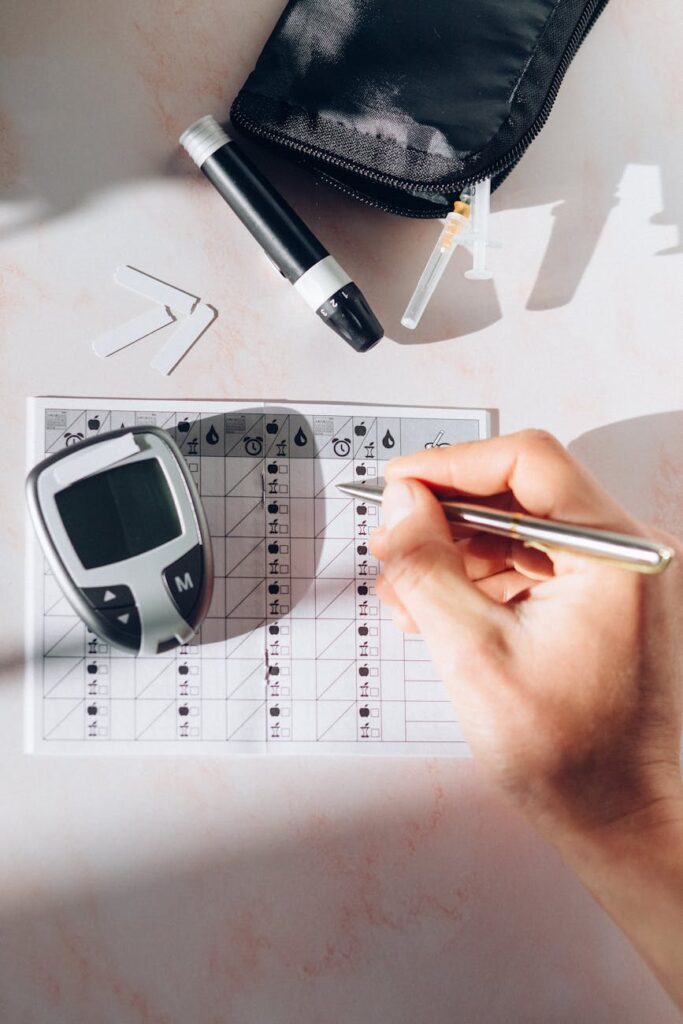
Create a sturdy kit with:- 2-3x your usual supply of insulin/pills, test strips, CGM sensors (if applicable), syringes, pump supplies, and glucose tabs.
- Quick-acting sources of sugar for hypoglycemia (glucose gels, fruit snacks).
- Sharps disposal container (check destination country’s disposal regulations).
- Extra batteries and a portable power bank for electronic diabetes devices.
- 3. Organize Medical Documentation.
Store your written prescriptions, a physician’s letter, and emergency contact card—preferably in both English and the language of your destination. - 4. Research the Local Healthcare System.
Know the location of the nearest hospitals, diabetes clinics, and pharmacies at every destination.
Navigating Transportation: Cars, Planes, and Beyond
Safe Travel with Diabetes by Car in France and Beyond
Deciding between public transport and car rentals is a major travel decision, especially if you need accessibility, flexibility for meals, or cool storage for insulin.
Car Rentals in France:
Based on recent research (like the “10 Best Car Rentals in France in 2026”), many car rental agencies are now familiar with the needs of travelers requiring ice packs or cool boxes for medication. When booking, ask if they offer vehicles with refrigerators or let you use your own coolers.
- Long Drives: Plan for regular pit stops (every 2–3 hours) to check blood glucose.
- Pack snacks and glucose drinks in the car, since European rural areas may not have 24/7 shops.
- Emergency kit: Keep it within arm’s reach, not in the trunk.
Tips for Public Transport and Taxis:
- Alert drivers to your diabetes (in case of emergencies).
- Carry a translated diabetes information card in your wallet.
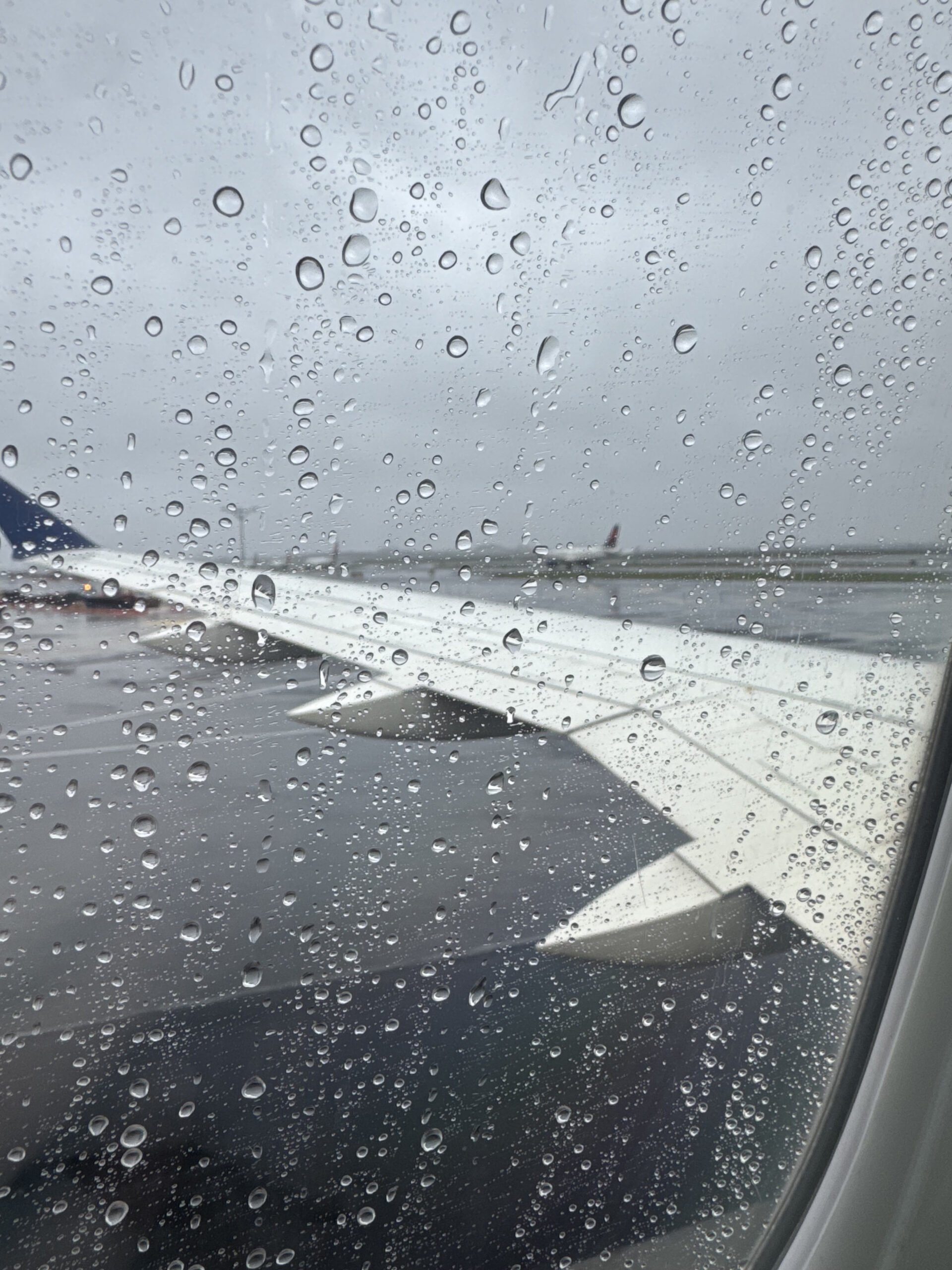
Flying with Diabetes: Airport Security and In-Flight Care
- Airport Security:
People with diabetes often worry about airport security checking their insulin or devices. Here’s how to avoid problems:- Declare your medical supplies at security. Carry them in their original packaging.
- Present your doctor’s letter and prescription.
- TSA and most international security staff are trained to handle medical devices delicately, but always insist that your CGM or insulin pump is patted down rather than x-rayed if you have concerns.
- In-Flight Tips:
- Always keep medication in carry-on (never checked luggage—cargo holds can freeze medications!).
- Adjust your meal schedule in advance if flying across time zones. Discuss with your care team how to adjust insulin/medication timing appropriately.
- Move around and stretch every hour to promote circulation and reduce clot risk.
Blood Sugar Management on the Road
Dealing with Time Zones, Activity Levels, and Foreign Foods
One of the biggest diabetes travel challenges is unpredictability—different meal times, foods, and daily rhythms. Here’s how to stay in control:
- Managing Blood Sugars Across Time Zones:
When crossing time zones, use a travel log to record when you last took insulin or other medications. Adjust your timing slowly over a day or two, checking with your provider if unsure. - Staying on Top of Activity Levels:
Travel often means walking more than usual—say, on a scenic 2-day itinerary in Barcelona or hiking to the magical Fairy Glen on the Isle of Skye. Increased activity can lower blood sugar unexpectedly, so:- Monitor frequently with a glucometer or CGM.
- Carry extra quick-sugar snacks.
- Wear a visible medical ID bracelet, especially when hiking or exploring rural landscapes.
- Dealing with Restaurant & Foreign Foods:
Adventures in places like Barcelona or Bali offer tempting cuisine—but unusual foods can affect blood sugar. Some tips:- Ask about ingredients if menus aren’t clear, and don’t be shy—many restaurants accommodate dietary needs.
- Estimate carbs carefully at new restaurants, or bring your own carb-friendly food (nuts, protein bars, cut-up veggies).
- If possible, stay in self-catering accommodation (villas, apartments) to prepare or supplement meals yourself.
Medication Storage and Safety
Keeping Insulin and Supplies Cool
Warm climates—from France’s Riviera to Bali’s poolside villas—call for extra planning around medication storage. Heat can damage insulin, while freezing can ruin it too.
- Carry a Frio or similar evaporative cooling wallet for short excursions.
- For longer journeys:
- Request a mini-fridge when booking hotel rooms or villas.
- Change your ice packs at accommodations daily.
- Never leave medication in a hot car—temperatures can spike dangerously even on mild days.
- When staying at accommodations from guides like “16 Best Croatia Villas With a Pool In 2026” or “22 Best Private Pool Villas In Bali,” call ahead and confirm refrigeration options.
Health, Sex, and Wellness on the Go
Travel is about more than logistics—wellness and self-confidence matter too. Topics like intimacy and living fully with diabetes apply to travel as much as daily life.
Sex and Diabetes on the Road:
Drawn from “Sex and Diabetes: From Her Point of View”, remember that diabetes management doesn’t pause on vacation. Factors like increased activity, changes in eating and drinking, or even nerves can impact blood sugars before intimacy. Some helpful reminders:
- Plan for privacy and have supplies handy (glucose tabs, water).
- Communicate openly with your partner about your needs and boundaries.
- If using pumps or CGMs, consider placement for comfort during intimacy.
Emotional wellness is equally important. If you’re feeling stressed about sticking to routines or traveling with a partner, remember you’re not alone. Join traveler forums, or connect with others at The Diabetic Travel Guide community.
Overcoming Common Travel Challenges for Diabetics
Language Barriers & Emergency Planning
Getting ill or running out of supplies while abroad is a common worry. Here’s how to prepare:
- Learn essential medical phrases in the local language (“I have diabetes and need sugar” or “Where is the nearest pharmacy?”).
- Download medical translation apps.
- Keep emergency contacts and copies of your travel insurance details on your person.
- Know how to reach local health services—especially in remote destinations like parts of Nicaragua or the Scottish Highlands.
Staying Connected: Travel Tech for Diabetics
From the “12 Best Travel Laptops” review, we know technology can make life on the road easier for diabetics:
- Use portable chargers to keep CGMs, pumps, and phones powered.
- Travel laptops or tablets are perfect for logging readings or reviewing doctor emails.
- Check with airlines and accommodations for available power outlets or charging stations before departure.
Sample Itinerary: Diabetes-Friendly Adventure in Barcelona
Let’s put these diabetes travel tips into action:
Say you’re spending two days in Barcelona (using the suggested 2-Day Barcelona Itinerary):
- Mornings:
Test blood sugars before heading out. Eat a balanced breakfast and pack light snacks (fruits, cheese, nut bars). - Mid-morning at Sagrada Familia:
Plan for time to sit and treat any lows. Visit bathrooms regularly—diabetes can impact urgency! - Afternoon Park Güell Hike:
Monitor your activity level and glucose closely in the heat. Use cooling pouches for insulin. - Evening Tapas:
Choose protein-based tapas with veggies; ask staff about sugar content in sauces. If sipping wine, have with food and check sugars more often.
General Note:
Carry your medical documentation and contact info in Spanish, even if most Barcelonans speak English. Use local pharmacy apps to locate supplies if you run low.
Building Confidence Through Knowledge and Support
At The Diabetic Travel Guide, our mission is to make your travel not just possible, but enjoyable and empowering. Wherever you’re headed—a quiet Scottish glen, Bali’s luxurious pools, or the bustling streets of Barcelona—having diabetes doesn’t have to limit your adventures.
- To Recap:
- Always keep medications and snacks close by.
- Use technology to your advantage—track your glucose, translate languages, and stay connected.
- Take time for wellness—physical and emotional—on the road.
Your Next Steps
Explore our full library of resources on The Diabetic Travel Guide, where you’ll find destination-specific advice, supply checklists, forums, travel stories, and supportive community. Sign up for our newsletter for up-to-date content and connect with other adventurous, health-conscious travelers who understand life on the move with diabetes.
Travel doesn’t have to be intimidating when you’re prepared. With the right tips, support, and inspiration, living with diabetes can unlock a world of possibilities—one safe, confident journey at a time.
Ready to plan your next adventure? Visit The Diabetic Travel Guide and start exploring with confidence today!