



Safe Travels with Diabetes: Expert Tips for Confident Diabetic Travel and Health Management
Estimated reading time: 8 minutes
- Traveling with diabetes is achievable with careful planning.
- Bringing snacks and preparing beforehand can prevent blood sugar swings.
- Understanding medication storage and travel rules is essential.
- Meal planning and local resources help maintain healthy eating abroad.
- Confidence and self-advocacy are vital for a successful travel experience.
Table of Contents
- Travel Planning With Diabetes: Where Safety Meets Adventure
- Nutrition on the Move: Smart Choices for Healthy Blood Sugar
- Medication Storage and Airport Security: Staying Safe on the Go
- Blood Sugar Management During Travel: Preventing Highs, Lows & Surprises
- Diabetic Meal Planning Abroad: Finding Healthy Food on a Budget
- Overcoming Common Diabetes Travel Challenges
- Diabetic-Friendly Road Trips: Inspiration for Your Next Adventure
- International Travel Considerations for People with Diabetes
- Building Confidence: Mindset and Self-Care On The Road
- Quick Reference: The Diabetic Traveler’s On-the-Go Checklist
- Your Diabetic Travel Journey Starts Here
Travel Planning With Diabetes: Where Safety Meets Adventure
Traveling with diabetes—whether for a weekend getaway or a month-long international adventure—requires thoughtful planning, but it’s completely doable. Many people with diabetes and their caregivers worry about unexpected blood sugar swings, finding carb-counted meals, safely storing medication, or navigating foreign pharmacies and unfamiliar foods. These worries are common, but they never have to stop your journey.
Let’s examine the real-life concerns people face and actionable steps you can take to enjoy #safe travels with diabetes.
Nutrition on the Move: Smart Choices for Healthy Blood Sugar
Research, including the article Should people with diabetes avoid processed and ultra-processed foods?, shows that eating healthy is one of the foundations of managing diabetes—especially on the road. However, airports, train stations, and highway food stops rarely make it easy.
Why Limit Processed & Ultra-Processed Foods While Traveling?
Processed and ultra-processed foods (like chips, packaged pastries, and sugary drinks) are everywhere when you travel. They tend to contain simple sugars, unhealthy fats, and low fiber. For diabetics, these foods can cause quicker swings in blood sugar and make diabetes management challenging in unfamiliar environments.
Practical tips for healthy eating while traveling:
- Pack Portable Snacks: Choose easy-to-carry foods like unsalted nuts, sliced veggies, seed crackers, or low-sugar protein bars.
- Scout Food Stops Ahead: Use apps or blogs to find supermarkets and restaurants with healthy options along your route.
- Portion Control: If you must eat something processed (sometimes it’s unavoidable!), have a small portion and balance it with a fiber-rich fruit or veggie.
Remember, perfection is not the goal—consistency and preparation are your friends for confident diabetic travel.
Medication Storage and Airport Security: Staying Safe on the Go
One of the top diabetic travel tips is making a medication checklist and knowing the rules to avoid surprises. If you’re traveling by air, knowing how to carry, declare, and safely store your diabetes medication and supplies will prevent last-minute stress or delays.
Essential Steps for Medication Safety
- Keep Medication in Your Carry-On: Never put your insulin, glucose meter, or other diabetic supplies in checked luggage—a lost bag could upend your travel health.
- Use a Cooler Pack: Insulin and some oral medications are temperature-sensitive. Use portable insulin travel cases or gel packs to keep medications at safe temps.
- Carry Doctor’s Notes & Prescriptions: Always bring a letter from your healthcare provider explaining your diagnosis and medications, especially if you use injectable meds, insulin pumps, or devices.
- Separate Supplies: Packing some medication in a separate bag (in case your main carry-on is lost or delayed) can be a smart backup.
Navigating Airport Security
You’re allowed to carry diabetic supplies, extra snacks for emergencies, and gel packs through airport security. Declare your medical items before screening for an efficient process. Prepare for hand-inspection if you have a continuous glucose monitor (CGM), insulin pump, or other electronic medical device.
Blood Sugar Management During Travel: Preventing Highs, Lows & Surprises
Changes in meal times, time zones, and physical activity can all affect blood sugars. The unpredictability of travel makes preparation essential.
Key blood sugar management tips for diabetic travelers:
- Check Before You Go: Monitor your blood sugar more frequently on travel days.
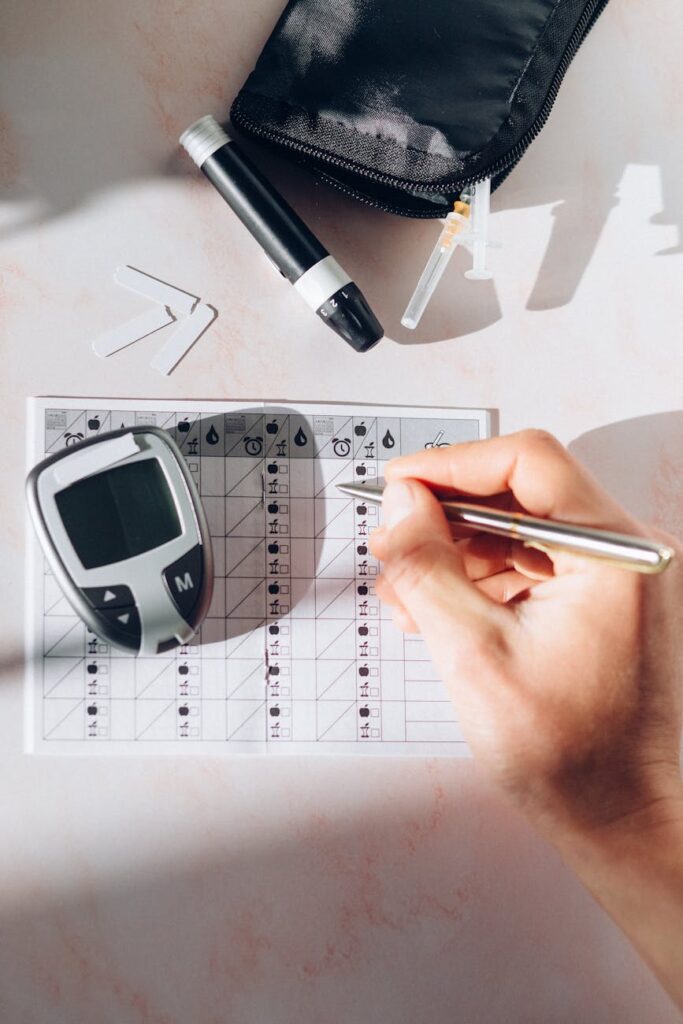
- Pack Extra Supplies: Bring more test strips, sensors, and emergency glucose than you think you’ll need—at least double.
- Keep Hypoglycemia Treatments Handy: Always have quick-acting glucose (like tabs or gel) within reach. Delays or increased activity (like walking with luggage through airports or sightseeing) can trigger lows.
- Know Food Availability: Carry snacks, especially if you’re unsure of your next meal (or if there are limited healthy options).
Diabetic Meal Planning Abroad: Finding Healthy Food on a Budget
Worried about nutritious diabetic meal planning while exploring budget destinations or off-the-beaten-path areas? Research from 18 Cheapest Countries In Europe To Visit In 2026 shows there are affordable, diabetic-friendly foods across Europe’s most wallet-friendly countries (think Poland, Hungary, Portugal, and beyond).
How to eat smartly in new places:
- Visit Local Markets: Fresh fruit, veggies, dairy, and whole grain breads are often much cheaper—and healthier—than restaurant fare.
- Learn Local Cuisine: Many regions offer naturally low-carb dishes—like Greek salads, grilled meats in Eastern Europe, and Scandinavian rye breads.
- Self-Cater When Possible: Booking accommodations with a kitchenette or fridge gives you control over your meals.
- Stay Hydrated: Especially when traveling in new climates—proper hydration helps prevent blood sugar spikes and keeps you feeling your best.
Overcoming Common Diabetes Travel Challenges
Successfully managing diabetes on the road means knowing—and overcoming—common hurdles. Here’s how to tackle the biggest challenges confidently:
Time Zone Changes & Medication
Jet lag and time zone jumps can confuse your usual medication schedule. Before you travel, speak to your healthcare provider about how to adjust insulin or oral meds. Using smartphone alarms or travel apps can help you stick to your schedule while minimizing confusion.
Unexpected Illness or Lost Supplies
Always pack a “diabetes travel kit” with backups: extra medication, prescriptions, glucose tabs, ketone strips, and a list of emergency contacts (and their phone codes if roaming internationally). Keep a digital copy of your prescriptions on your phone, and learn some basic phrases in the local language to describe your condition if needed.
Language Barriers
Print a diabetes information card in the local language—or download a translation app—to explain your medical needs to hotel staff, restaurant servers, or emergency responders.
Unpredictable Daily Routines
From new places or busy conference schedules to long drives like the North Coast 500 itinerary, unpredictable routines can throw off your blood sugar plan.
- Plan for Breaks: Schedule regular meal and checking times into your itinerary.
- Build in Downtime: Give yourself time to recover from long days or new environments.
- Communicate: Let travel companions know about your needs and what to do if you have a low or high episode.
Diabetic-Friendly Road Trips: Inspiration for Your Next Adventure
Many of this year’s most popular travel itineraries—like the scenic North Coast 500 in Scotland or the vibrant streets of Java, Indonesia—are perfect for diabetes-friendly road trips. Why? You have control over stops, snacks, and activities.
Planning a diabetic-friendly road trip:
- Map Out Medical Facilities: Before hitting the road, check for hospitals and pharmacies along your route.
- Stock Your Car: Keep a cooler for medications and snacks, a water bottle for hydration, and an insulated bag for used sharps if needed.
- Hydrate and Move: Long car rides can sap your energy, so stop and move every 2-3 hours to keep your blood circulation healthy and help blood sugars stay steady.
International Travel Considerations for People with Diabetes
Traveling abroad? Here’s how to stay healthy and worry-free while managing your diabetes from France to the Philippines.
Research Before You Go
- Vaccines & Health Care: Know if you need additional vaccinations or if your destination has different medication availability.
- Travel Insurance: Choose a policy that covers urgent diabetes care and emergency evacuation.
- Prescriptions & Refills: Bring a list of your meds (both generic and brand names) and their dosages—helpful if you need a refill at a foreign pharmacy.
- Electricity: If you use an insulin pump or CGM, check that you have the right power adapters/voltage.
Eating Well Wherever You Go
Resources like The Diabetic Travel Guide and destination-specific blogs help you learn about local food culture so you can enjoy meals without stress. Don’t hesitate to ask for dietary modifications—it’s more common than you might think!
Building Confidence: Mindset and Self-Care On The Road
At The Diabetic Travel Guide, we know that confidence is just as important as preparation. Traveling with diabetes means being your own best advocate, treating your body kindly, and knowing you’re capable of seeing the world with safety and joy.
Tips for staying positive and empowered:
- Practice Self-Compassion: Slip-ups happen—if you end up eating something processed or miss a BG check, forgive yourself and focus on what you can control.
- Share Your Plans: Tell close travel companions about your diabetes and how they can help if you need support.
- Celebrate Small Wins: Each flight boarded, city explored, or beautiful meal enjoyed is a victory worth celebrating.
Quick Reference: The Diabetic Traveler’s On-the-Go Checklist
- Diabetes Supplies: Meds, testing kit (with extras), sharps container, and backup prescriptions.
- Documentation: Doctor’s letter, travel insurance, diabetes identification (bracelet, app, or card).
- Travel Snacks: Non-perishable, low-sugar options; quick glucose for lows.
- Emergency Contacts: In the local country’s language if needed.
- Power Adapters and Chargers: For pumps, CGMs, or mobile health apps.
- Medication Cooler or Insulated Bag: To keep insulin safe.
Your Diabetic Travel Journey Starts Here
Safe travels with diabetes are absolutely possible—wherever your passport (and curiosity) takes you. With good diabetic travel tips, smart planning, and a spirit of adventure, you can explore the world with confidence and ease.
If you’re looking for more expert guides, meal planning ideas, road trip inspiration, or international travel resources tailored for people with diabetes, we invite you to explore our hub at The Diabetic Travel Guide. Join our community, share your story, and discover how to make every trip a safe, healthy, and joyful one.
Ready to travel the world with confidence? Get more diabetic travel tips, recipes, and expert advice by subscribing to The Diabetic Travel Guide today!
Safe travels—and remember, the world is yours to explore!