




Safe Adventures with Diabetes: Expert Travel Tips for Confident, Healthy Journeys
Estimated Reading Time: 7 minutes
- Planning and preparation are key to safe diabetes travel.
- Common travel challenges can be managed with knowledge and resources.
- Emergency preparedness and self-advocacy are essential on the road.
- Utilize technology for easier diabetes management while traveling.
- Build confidence to enjoy adventures without letting diabetes hold you back.
Table of Contents
- Why Safe Diabetes Travel Starts with Preparation
- Understanding Diabetes & Travel Risks: Empowering, Not Limiting
- Essential Pre-Trip Planning Tips for Safe Diabetes Travel
- How Travel Destinations and Activities Impact Diabetes Management
- In-Transit: Navigating Airports, Planes, and Cars with Diabetes
- Healthy Meal Planning on the Go
- Staying Safe with Diabetes on International Trips
- Real-Life Perspectives: Relationships, Mental Wellbeing, and Diabetes While Traveling
- Overcoming Common Travel Challenges for Diabetic Travelers
- Tech Solutions for Easier Diabetes Travel
- Quick Reference: Diabetes Travel Do’s and Don’ts
- Ready, Set, Explore: Build Confidence for Safe Diabetes Travel
- FAQ
Why Safe Diabetes Travel Starts with Preparation
One of the most frequently searched terms—safe diabetes travel—rightly emphasizes that planning ahead is your best friend when living with diabetes on the move. From the moment you start dreaming of a trip until your safe return home, every stage can be made easier and safer with a little preparation. The Diabetic Travel Guide, founded by travelers and people living with diabetes (see our story at About Us), is dedicated to offering tools, community insights, and expert advice to make your journey smooth and stress-free.
Understanding Diabetes & Travel Risks: Empowering, Not Limiting
Travel disrupts routines. Changes in time zones, physical activity, climate, and meals can all impact blood glucose management. The good news: with knowledge and planning, diabetes should never be a barrier to exploring the world.
Common Diabetes-Related Travel Challenges Include:
- Unpredictable meal times and types
- Physical activity level changes
- Medication or insulin storage
- Navigating airport security with supplies
- Dealing with language barriers and health systems
- Managing diabetes care during illness or emergencies
This guide brings together the best evidence-based strategies, trusted resources, and community wisdom for overcoming these issues while traveling with diabetes.
Essential Pre-Trip Planning Tips for Safe Diabetes Travel
1. Consult Your Healthcare Team
Before booking your trip, talk to your diabetes care team. Discuss your travel plans and review how changes in schedules, time zones, or physical activity may affect you. Ask for:
- An updated prescription for all diabetes medications or insulin
- Medical documentation (a doctor’s note) for airport security
- Emergency instructions, such as glucagon use or what to do in case of severe lows
2. Prepare Your Diabetes Travel Bag
Here’s a practical checklist for packing your blood glucose management travel kit:
- More than enough of all medications or insulin (carry double your need)
- Blood glucose meter, continuous glucose monitor (CGM), or test strips
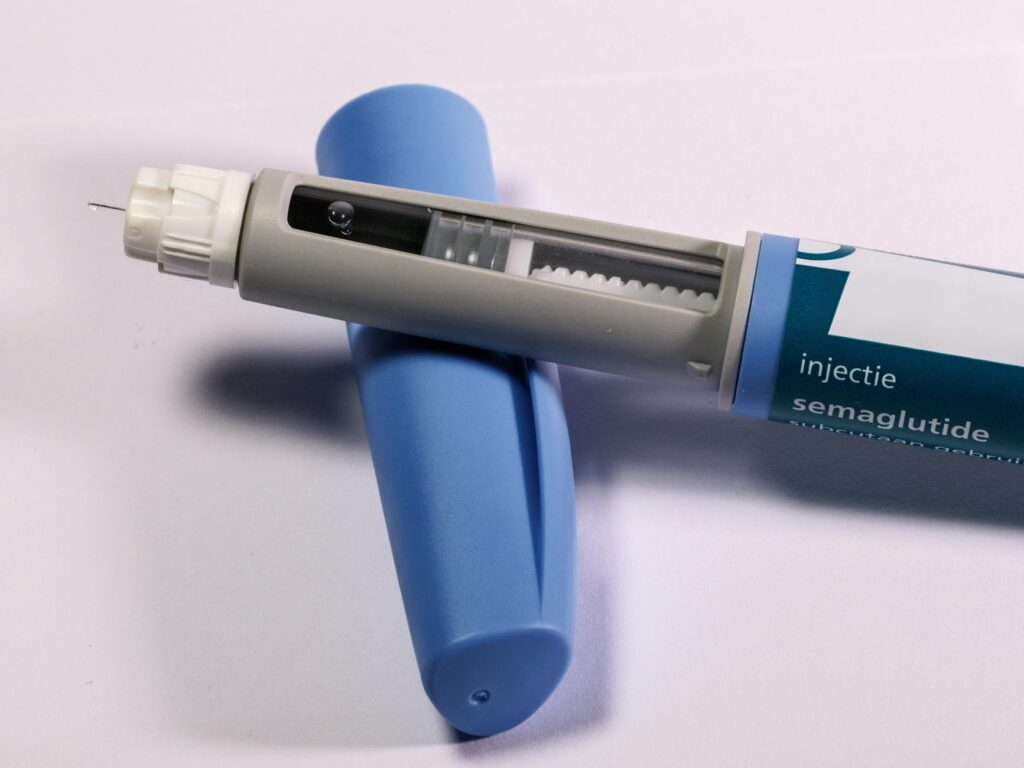
- Insulin delivery devices or pumps—plus spare batteries and chargers
- Hypoglycemia treatments (such as glucose tablets, gel packs, or snacks)
- Cooling pouches or travel coolers for insulin (vital for warm destinations)
- Alcohol wipes, syringes, lancets, sharps disposal
- Medical ID (bracelet, necklace, or card in English and local language)
- List of emergency contacts and local pharmacy/hospital info
Tip: Keep your diabetes supplies in your carry-on, not your checked luggage, in case of delays or lost bags.
How Travel Destinations and Activities Impact Diabetes Management
Whether you’re driving through France in a rental car (don’t miss these top picks), exploring ancient streets in Barcelona, or hiking to the Glenfinnan Viaduct in Scotland, the activities you choose will affect your blood sugar and energy needs.
Example Destinations & Activities:
- City Tours (like Barcelona’s Gothic Quarter): Increased walking may lower blood glucose; bring small snacks and monitor stress/excitement.
- Nature Excursions (Isle of Skye): Hiking means longer activity, greater carb needs, and possible timing challenges for meals.
- Villa Stays (Croatia, Bali): You can better control your meals, rest when needed, and store medications conveniently.
Practical tips:
- Check the local climate (extreme temperatures affect medication)
- Learn a few key phrases like “I have diabetes” in the local language
- Map out pharmacies and hospitals near your accommodation
In-Transit: Navigating Airports, Planes, and Cars with Diabetes
Airport Security & Diabetes Supplies
Diabetes supplies—especially insulin pens, pumps, and syringes—can raise questions at security checkpoints. Here’s how to breeze through airport procedures:
- Always carry medical documentation and prescriptions in your hand luggage
- Inform the security agent discreetly about your diabetes and supplies
- Request manual inspection for insulin pumps or CGMs (x-rays can damage devices)
- Carry snacks for use in case your bag is flagged or flight delayed
For updated advice, check out our Diabetes & Airport Security guide at The Diabetic Travel Guide.
Staying Safe in Transit: Long Flights, Road Trips, and Transfers
- Long Flights: Move around the cabin regularly to avoid blood clots. Keep supplies at arm’s reach. Monitor glucose more often—airplane food and time zone changes can disrupt routines.
- Car Rentals (France, Scotland, etc.): Renting a car lets you stop as needed for blood glucose checks, meals, or insulin dosing. Research the best rental options (see more), and carry snacks and plenty of water.
- Bus/Train Transport (Europe, Nicaragua): Know the stops—bring everything you need in case of unpredictable schedules or missed meal times.
Healthy Meal Planning on the Go
Finding diabetes-friendly food while traveling is easier with a little planning.
- Research local cuisine in advance
- Book accommodations with kitchenettes (villas, apartments) to prepare your own meals
- Pack non-perishable snacks: nut butters, trail mix, low-sugar protein bars
- For spontaneous street food adventures, carry carb-counting cheat sheets
Eating out? Don’t hesitate to ask about menu ingredients or request modifications for your needs.
Staying Safe with Diabetes on International Trips
International travel is exhilarating, but introduces new variables for diabetes management. Here’s how to stay ahead:
Time Zones and Insulin
Crossing time zones can affect insulin schedules. Work with your provider beforehand to adjust dosing times gradually. A general rule: keep track of the time at your home base and consult your doctor for a tailored plan.
Language Barriers
Prepare by learning essential phrases, or use translation apps. Carry a card stating you have diabetes, written in the local language, and listing allergies or emergency contacts.
Emergency & Health Care Access
- Register for traveler’s health insurance that explicitly covers pre-existing conditions
- Identify local hospitals, diabetes clinics, and pharmacies using online maps or travel forums
- The Diabetic Travel Guide community offers region-specific resources and advice
Real-Life Perspectives: Relationships, Mental Wellbeing, and Diabetes While Traveling
Travel isn’t just about logistics—it’s about connection, joy, and confidence! As highlighted in the heartfelt story “Sex and Diabetes: From Her Point of View” from Diabetes Health, living with diabetes can affect every aspect of your life, including your relationship with yourself and others. Travel might bring up additional concerns about intimacy, privacy, or communicating your medical needs.
Tips for Emotional Wellbeing on the Road:
- Share your needs openly with trusted travel companions
- Take breaks when you need to rest or recover from high/low glucose episodes
- Embrace flexibility: it’s okay if plans change for health’s sake
- Celebrate your courage and resilience—every successful trip is an achievement!
Overcoming Common Travel Challenges for Diabetic Travelers
1. Hypoglycemia in Unexpected Places
- Always have fast-acting carbs at hand
- Inform your travel companions about low blood sugar symptoms and what to do
2. Medication Storage Without a Fridge
- Use portable insulin coolers, gel packs, or even insulated water bottles as makeshift cold storage when fridges aren’t available
- Many modern insulins tolerate room temperature for limited periods—check manufacturer guidance
3. Finding Diabetes Supplies in Foreign Countries
- Pack double the amount you need, plus backup glucose-monitoring supplies
- Research pharmacy chains and online diabetic supply shops at your destination
- The Diabetic Travel Guide’s destination pages frequently include pharmacy locator tips
4. Staying Active While Preventing Blood Sugar Highs/Lows
- Test often—activity can make you more sensitive to insulin
- Wear a medical ID in case of emergencies during exercise
Tech Solutions for Easier Diabetes Travel
Travel can be smoother thanks to diabetes-friendly gadgets and travel tech:
- Travel Laptops/Tablets: Use them for meal tracking, telemedicine appointments, or to store emergency diabetes documents (best models reviewed here).
- Glucose Monitoring Apps: Many integrate with smartphones/tablets and offer data backup in case your device is lost.
- Portable Chargers: Keep your devices ready for longer day trips.
Quick Reference: Diabetes Travel Do’s and Don’ts
| Do’s | Don’ts |
|---|---|
| Carry extra supplies & snacks | Pack all meds in checked baggage |
| Learn local diabetes phrases | Assume you’ll find everything you need |
| Wear a medical ID | Skip self-care due to busy itinerary |
| Plan for time zone changes | Wait until arriving to plan your meals |
| Inform others about your needs | Keep diabetes a secret—support matters |
| Use tech for tracking & emergencies | Travel without a health insurance policy |
Ready, Set, Explore: Build Confidence for Safe Diabetes Travel
Traveling with diabetes does not mean missing out on world adventures. In fact, it can foster resilience, independence, and stronger self-awareness. As the stories and guides above show, whether you’re climbing the hills of Scotland, renting a car in France, or relaxing in a Bali villa, you have the tools and knowledge to make every journey both enjoyable and safe.
Remember, at The Diabetic Travel Guide, our mission is to enable people with diabetes and their loved ones to travel securely, confidently, and joyfully. We provide resources, destination-specific guidance, technology tips, and real-life stories that empower you to explore the world on your own terms.
Looking for more support?
Visit The Diabetic Travel Guide for personalized travel checklists, destination guides, and community forums. Connect with experienced diabetic travelers, share your stories, and let us know where your next adventure will take you!
With the right knowledge and a supportive network, safe diabetes travel is not just possible—it’s open to you, today and always.
Happy and healthy travels from your friends at The Diabetic Travel Guide!
FAQ
Q: What should I bring when traveling with diabetes?
A: Always carry extra supplies, snacks, medical documentation, and your insulin storage solutions.
Q: How can I manage insulin on long flights?
Monitor your blood sugar more frequently and keep your medications easily accessible.
Q: What if I get sick while traveling?
Know where local hospitals and clinics are located, and have emergency contacts at hand.
Q: Can I travel internationally with diabetes?
Yes, with proper planning, including insurance coverage and language preparation for emergencies.