



Safe Diabetes Travel Planning: Top Safety Tips & Confidence Boosters for Diabetic Travelers
Estimated Reading Time: 8 minutes
- Travel confidently with practical strategies for managing diabetes.
- Learn to navigate common challenges of diabetes travel seamlessly.
- Discover essential packing tips to ensure you’re prepared for any situation.
- Empower yourself with a positive mindset and community support.
- Access valuable resources for your unique travel needs as a diabetic.
Table of Contents
- Why Safe Diabetes Travel Planning Matters
- Key Travel Planning Challenges for Diabetic Travelers—and How to Overcome Them
- Essential Packing Checklist for Diabetic Travelers
- Sex, Self-Care, and Emotional Wellness on the Road
- Where Adventure Meets Safety: Choosing Accommodations and Lifestyles That Fit
- Technology Tools to Make Diabetes Travel Easier
- Creating a Confident Mindset: Your Safety Net While Traveling
- FAQs: Quick Answers to Common Diabetes Travel Questions
- Ready to Explore the World Safely?
Why Safe Diabetes Travel Planning Matters
Managing diabetes on the road comes with unique challenges—unpredictable meal times, changing activity levels, new environments, and language barriers. A study published by Diabetes Health reveals that even personal relationships, stress levels, and daily habits shift during travel, all of which can impact blood sugar control. But these challenges don’t have to keep you home! With thoughtful safe diabetes travel planning, you can enjoy your journey, keep your diabetes routine steady, and handle surprises with confidence.
Key Travel Planning Challenges for Diabetic Travelers—and How to Overcome Them
Let’s tackle the most common hurdles and provide solutions you can use right away.
1. Maintaining Steady Blood Sugar Levels on the Move
Challenge: New routines, erratic meal times, and extra walking can make blood sugar harder to predict.
Solutions:
- Pack extra snacks. Tuck low-carb and fast-acting sources of glucose (like glucose tabs or juice boxes) into your day bag. If you’re on-the-go in Scotland or exploring Barcelona’s historic streets, having easy-access snacks is vital when meal timing is unpredictable.
- Monitor more often. Check your blood sugar before, during, and after high-activity outings. Use travel-friendly meters or continuous glucose monitors. Record readings in your phone or a journal—this creates an extra layer of security if patterns start changing.
- Stay hydrated. Carry a refillable water bottle. Dehydration can elevate blood sugar and is common when traveling.
- Communicate with travel partners. Let your companions know signs of hypoglycemia so they can help if needed.
Practical Tip: Set reminders on your phone for blood sugar testing and meals, especially in new time zones!
2. Safe Medication & Insulin Storage
Challenge: Medications and diabetes supplies require specific temperature ranges. Carrying them through busy airports, hot beaches, or chilly highlands poses real risks.
Solutions:
- Use portable coolers or FRIO packs. These are compact, TSA-approved, and ideal for keeping insulin at a safe temperature.
- Pack meds and supplies in your carry-on. Never check them in case of lost luggage.
- Stock up before your trip. Bring extras—double what you think you’ll need for strips, needles, sensors, and medications.
- Bring prescriptions and a doctor’s letter. This helps you get through customs quickly and buys peace of mind if you need to refill anything while abroad.
Practical Tip: Divide supplies between bags in case something gets lost, and familiarize yourself with local pharmacies at your destination.
3. Navigating Airport Security, Road Trips, and International Travel
Challenge: Security rules, long lines, and travel delays can be stressful and interrupt routines.
Solutions:
- Inform security about your diabetes. Show your doctor’s note, keep a medical ID bracelet visible, and alert TSA or equivalent staff about medical devices.
- Request a pat-down if needed. Insulin pumps or continuous glucose monitors may not go through scanners safely. Ask for a manual check.
- Stay calm if questioned. Rules differ globally, but keeping supplies organized in a transparent bag and staying polite streamlines the process.
- For car rentals—choose vehicles with adequate storage, temperature controls, and easy access to emergency services or major roads.
Practical Tip: For long road trips, review the car rental agency’s roadside assistance options and plan refueling stops in areas near healthcare facilities.
4. Food, Meal Planning, and Dining Out Safely
Challenge: New cuisines, unfamiliar carbs, and eating out can disrupt your meal plan.
Solutions:
- Research local menus. If you’re following a “2 Day Barcelona Itinerary”, look up restaurants ahead of time and learn basic food terms in the local language.
- Pack portioned snacks. Bring nuts, jerky, or wholegrain crackers—especially for day trips where finding diabetes-friendly foods may be tricky.
- Don’t skip meals. Skipping increases risk of hypoglycemia.
- Watch portion sizes. Use the “plate method” when access to nutrition info is limited.
- Carry carb counts for common dishes. Use a translation app to help you guess carbs for international foods.
Practical Tip: Consider booking villas or apartments with kitchens so you can prepare some meals and have reliable control over ingredients.
5. Adjusting to Different Time Zones and Activity Levels
Challenge: Sleep disruption, increased activity, and time zone changes can lead to unpredictable blood sugar swings.
Solutions:
- Adjust your medication timing before you travel. Consult your diabetes care team to adapt dosages as needed for time differences.
- Set local time on devices. Change the time setting on pumps and glucose meters after arrival to avoid mis-dosing.
- Monitor energy expenditure. If you’re hiking or walking extensively, check blood sugar before and after extended activity.
Practical Tip: Build rest days into your itinerary and listen to your body’s cues—travel is a marathon, not a sprint!
Essential Packing Checklist for Diabetic Travelers
Here’s a travel-tested checklist to ensure you don’t leave home without your essentials:
For Your Carry-On:
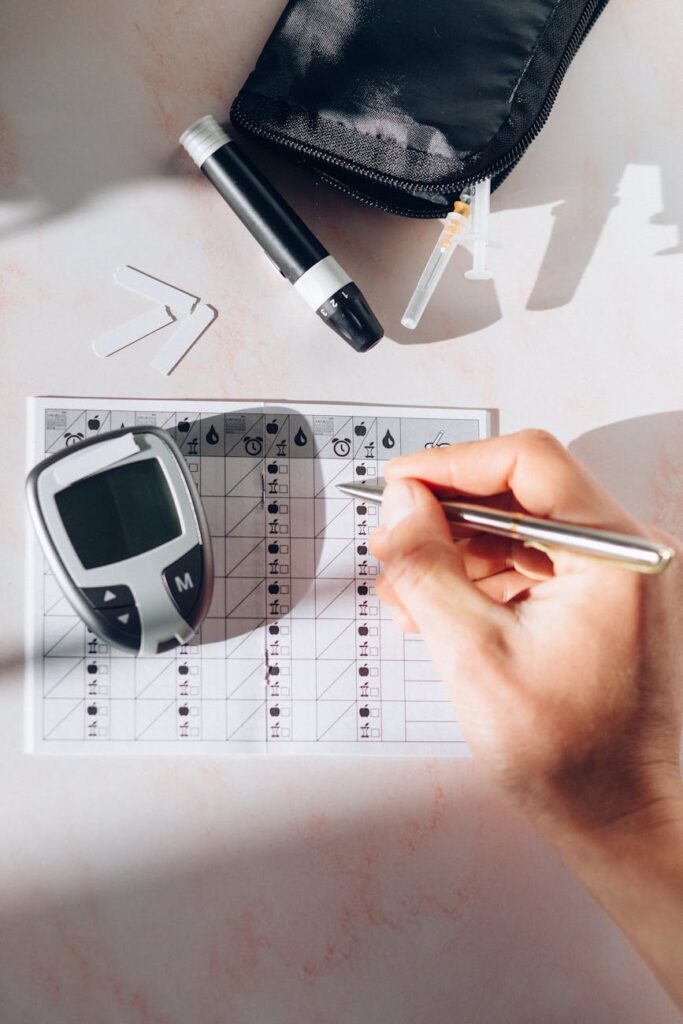
- Primary and backup blood glucose meters, extra batteries
- Test strips, lancets, alcohol swabs, sharps container
- Insulin pens/vials, syringes, insulin pump supplies
- Medication (oral/injectable), including extras
- Glucose tablets, juice boxes, portable low snacks
- Doctor’s note, prescriptions, emergency contacts list
- Medical ID bracelet/necklace and card in wallet
- Portable cooling case (such as FRIO pack)
- Waterproof bag for swimming or outdoor activity days
For Your Checked Luggage:
- Backups for everything above (as supplies allow)
- Cooler or insulated bag for medication transport
- Healthy snacks for day trips and unexpected delays
Travel Pro Tip: Keep electronic copies of prescriptions and your diabetes action plan on your phone or email for peace of mind if documents are lost.
Sex, Self-Care, and Emotional Wellness on the Road
Diabetes affects every part of your life—including confidence and relationships while you travel. Insights shared in “Sex and Diabetes: From Her Point of View” highlight how awareness, preparation, and open communication can help individuals with diabetes feel empowered while away from home.
Travel Tips for Self-Care and Intimacy:
- Prioritize rest. Travel fatigue impacts libido and blood sugars—schedule downtime.
- Keep lines of communication open. Talk about your needs, signs of low/high blood sugar, and ways partners can support you.
- Embrace flexibility. Sometimes, diabetes throws curveballs—practice self-compassion.
Practical Tip: Knowing your unique triggers and communicating openly relieves stress and adds joy to your travel experience—whether solo or with a companion.
Where Adventure Meets Safety: Choosing Accommodations and Lifestyles That Fit
Staying in new places can be invigorating—and sometimes overwhelming. To maximize comfort:
- Book diabetes-friendly stays. Villas or apartments with kitchens allow you to control ingredients and create a relaxing routine.
- Look for nearby pharmacies and supermarkets. Before booking, check how close you’ll be to essential services.
Pro Tip: If you’re planning a scenic adventure, double-check emergency healthcare access, and consider portable cell service or GPS devices in case of emergencies.
Technology Tools to Make Diabetes Travel Easier
From managing your blood sugar to planning your perfect itinerary, technology can be your best friend.
- Best travel laptops can store health data, emergency docs, or connect to telemedicine services.
- Travel apps help locate pharmacies, translation tools, carb counting guides, and local emergency numbers.
- CGMs and insulin pumps make tracking easier—just ensure all devices are charged and bring international adapters.
Practical Tip: Before you fly, download offline maps and carb counting apps that work without cell service.
Creating a Confident Mindset: Your Safety Net While Traveling
Travel is about so much more than logistics—your mindset matters. Here’s how to nurture confidence:
- Visualize success. Imagine yourself handling travel ups and downs with skill.
- Plan—but stay flexible. Having backup plans means hiccups won’t throw you off balance.
- Connect with other travelers. Online communities allow sharing stories and getting tips for specific destinations.
- Celebrate your wins. Every successful walk, meal, or adventure is an achievement worth acknowledging!
FAQs: Quick Answers to Common Diabetes Travel Questions
Q: Can I travel by plane with my insulin and supplies?
A: Yes—keep everything in your carry-on, bring a doctor’s note, and notify airport security staff of your medical devices.
Q: What if I run out of supplies or lose medication?
A: Bring extra prescriptions and research local pharmacies ahead of time. If needed, contact the community for on-the-ground advice.
Q: How do I keep blood sugar stable with time zone changes?
A: Gradually shift medication schedules leading up to your trip, and set alarms to help adjust after arrival.
Ready to Explore the World Safely?
At The Diabetic Travel Guide, our mission is to help travelers with diabetes move through the world with confidence, armed with reliable information, expert tips, and community support. We know firsthand that safe diabetes travel planning isn’t about fear or limits—it’s about empowering you to live your fullest, healthiest, happiest life—wherever your journey leads.
Take Action Now: Start Planning Your Next Adventure!
- Visit our website for comprehensive destination-specific guides, checklists, and expert Q&As.
- Download your free diabetes travel checklist and join our supportive community.
- Share your story: Let us know your favorite diabetic travel tips and questions for future newsletters!
Pack your dreams, prep your supplies, and give yourself permission to thrive as you explore the world. Safe travels from The Diabetic Travel Guide—your trusted authority in healthy, confident, and joyful diabetes travel!