

Before I tell you about another adventure, I want to tell you about the journey that made all of these adventures possible.
I was diagnosed with Type 1 diabetes on October 25, 2001, when I was just five and a half years old. For most of my childhood, diabetes was simply part of everyday life. It meant fingersticks, insulin injections, visits to the nurse’s office, and learning to navigate a world that often felt different from the one my friends experienced.
For many years, I believed diabetes would limit what I could do. I worried about traveling, being away from home, and managing emergencies on my own. What if my blood sugar went low? What if my insulin pump failed? What if I didn’t have the supplies I needed?
Over time, I learned that while diabetes requires planning, it doesn’t have to stop you from living your life. Today, with my Dexcom, Omnipod, a well-stocked diabetes supply bag, and plenty of backup plans, I’ve discovered a freedom I never thought possible.
As Steven and I build The Diabetic Travel Guide, we want to share real experiences—the successes, the challenges, and everything in between—to help other people with diabetes feel confident enough to travel and explore the world.
Steven recently asked me a series of questions about my life with Type 1 diabetes, travel, and what this journey has meant to me. Here are my answers.
The Interview
How old were you when you were diagnosed with Type 1 diabetes? I was diagnosed on October 25, 2001, at the young age of five and a half years old.
What do you remember most about being diagnosed? I was diagnosed at Lafayette General Hospital (now Ochsner Lafayette General Medical Center), but spent several weeks at Tulane Hospital in New Orleans. One of my strongest memories is still being in the hospital on Halloween. The nurses organized a floor-wide trick-or-treat, but I remember being less than thrilled about the sugar-free candy they handed out. I also remember walking into my room and seeing another child’s name on the window, followed by “has left the building!” I became determined to have my own name on that window when it was finally time to go home. More than twenty years later, I still have one of the hospital gowns I wore during that stay.
Growing up, did diabetes ever make you feel different from other kids? Absolutely! I spent a lot of time in the nurse’s office at school, and my mom practically had a permanent visitor’s badge because she came every day to give me insulin injections until I was about eight years old. While my classmates were focused on recess and field trips, I was counting carbs, checking blood sugars, and managing something most kids couldn’t understand.
Have you ever had a diabetes-related issue while traveling? The most recent issue happened when my Dexcom sensor failed during its warm-up period while we were traveling. Thankfully, I had packed a backup sensor and was able to replace it right away. It reinforced one of my biggest travel rules: always pack more diabetes supplies than you think you’ll need.
What was your biggest fear when you first started traveling independently as an adult? Before I met Steven, most of my travel involved flying alone between Louisiana and South Carolina. My biggest fear was, “What happens if I have a severe low or high blood sugar and no one knows how to help me?” Before every flight, I would tell the gate agents that I was traveling alone with Type 1 diabetes. As I boarded, I would often mention it to a flight attendant, too. Looking back, I realize I was hoping someone would remember in case something happened during the flight.
Before traveling somewhere new, what thoughts immediately go through your mind? I immediately think about the worst-case scenarios. Where is the nearest emergency room? Is there a 24-hour pharmacy nearby if I need supplies? If we’re traveling internationally, I also ask myself whether I need a letter from my endocrinologist explaining the medical equipment and medications I’m traveling with. While most travelers are thinking about attractions and restaurants, I’m usually making sure I have a backup plan in case something diabetes-related happens.
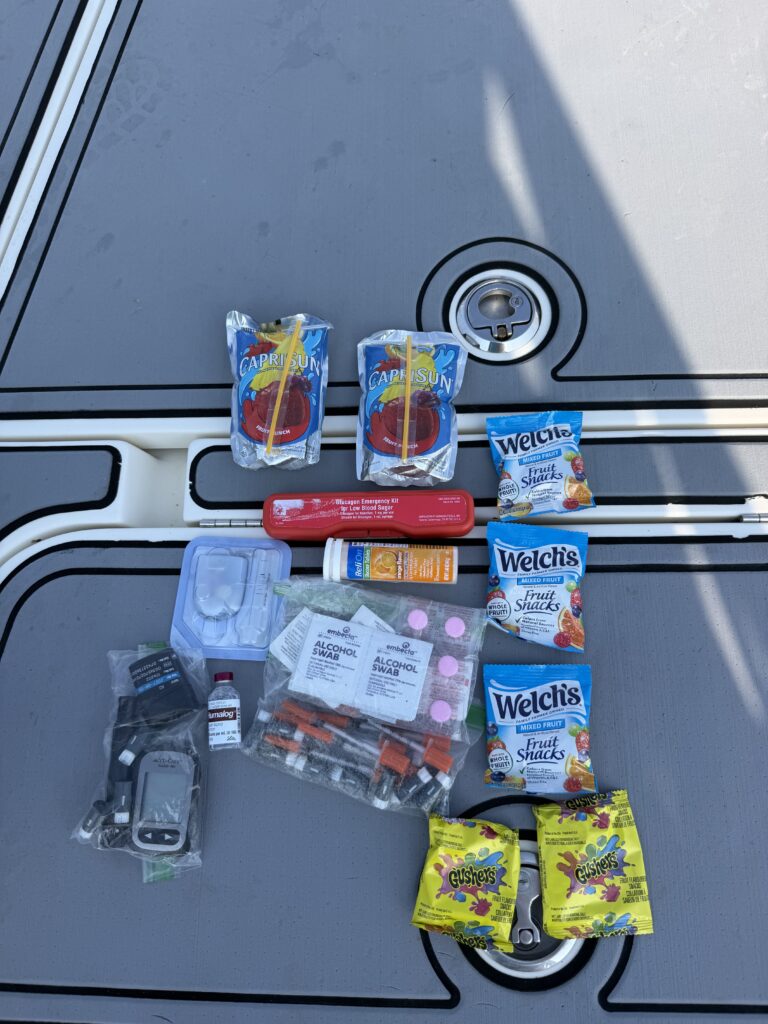
What are the biggest diabetes-related concerns you have when preparing for a trip? My biggest concerns are making sure I’ll have access to everything I need if an unexpected diabetes issue comes up. I always think about whether I’ll have easy access to low-blood-sugar snacks, whether the hotel room has a refrigerator to keep my backup insulin cool, and whether I’ve packed enough supplies to handle a pump or sensor failure. Most of my travel planning revolves around making sure I have a backup plan for my backup plan.
What diabetes supplies do you absolutely never leave home without? I never leave home without my Accu-Chek Guide meter, test strips, lancing device, and extra lancets. Even though I wear a Dexcom CGM, I always want a way to manually check my blood sugar if my sensor isn’t working properly. I also carry a vial of Humalog insulin, an extra Omnipod, alcohol swabs, and glucose tablets for low blood sugars. Over the years, these supplies have become just as essential as my phone, wallet, and keys.
What has surprised you most about traveling with diabetes? Honestly, the freedom. When I was younger, I thought diabetes would make travel difficult or even impossible. Instead, I’ve discovered that good preparation creates freedom. The more confident I’ve become in managing my diabetes, the more comfortable I’ve become exploring new places and saying yes to new adventures.
Do you wear a medical alert bracelet or necklace? Instead of a traditional medical alert bracelet or necklace, I wear a MyID Sleeve on my Apple Watch. It has a QR code that can be scanned to access my medical profile, including important information about my Type 1 diabetes. I also keep a medical alert tag attached to my seat belt that first responders can open to view my emergency medical information if I’m involved in an accident. Having both gives me peace of mind that important medical details are readily available if I’m ever unable to communicate them myself.
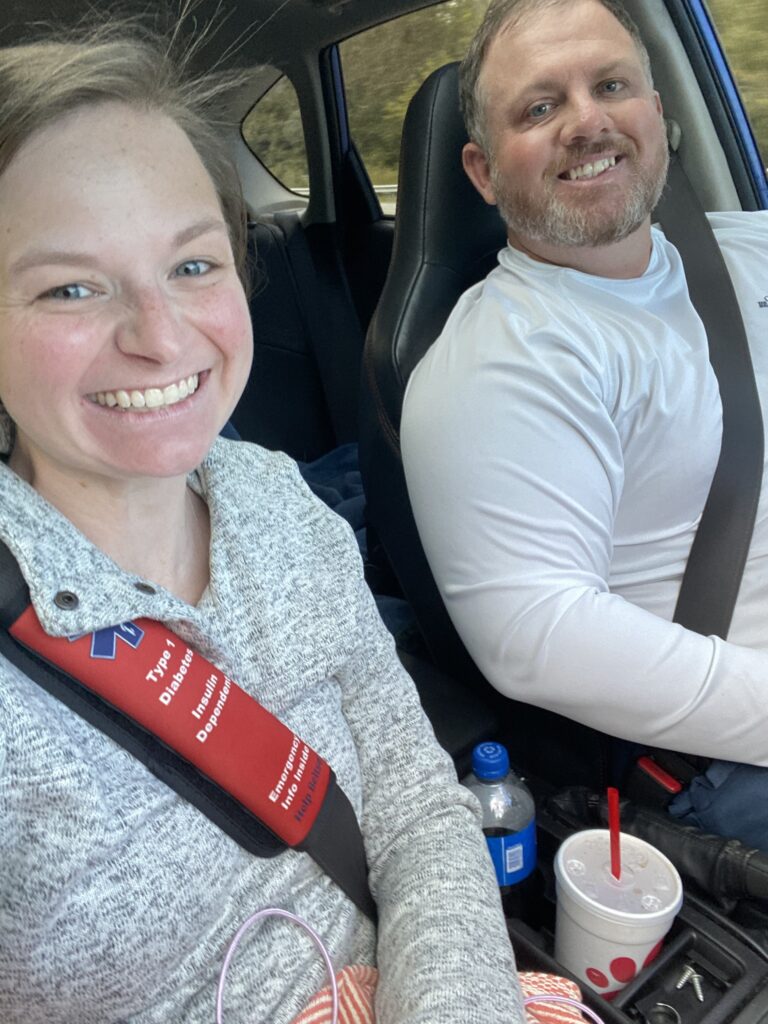
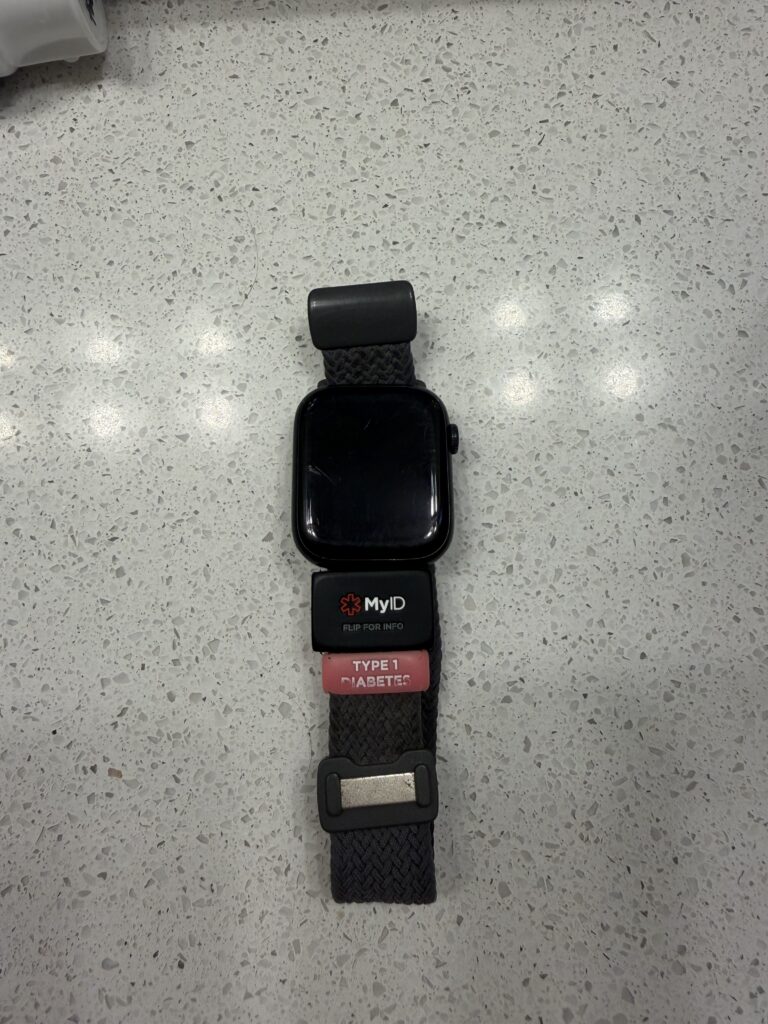
How does wearing a Dexcom and Omnipod change the way you travel today compared to when you were younger? The difference is night and day. When I was younger, managing diabetes while traveling meant frequent finger sticks, scheduled insulin injections, and a lot of guessing. Today, my Dexcom and Omnipod allow me to see my blood sugar trends in real time and make insulin adjustments much more easily. They don’t remove the work of living with diabetes, but they give me more confidence and flexibility when we’re exploring somewhere new. https://www.getmyid.com/
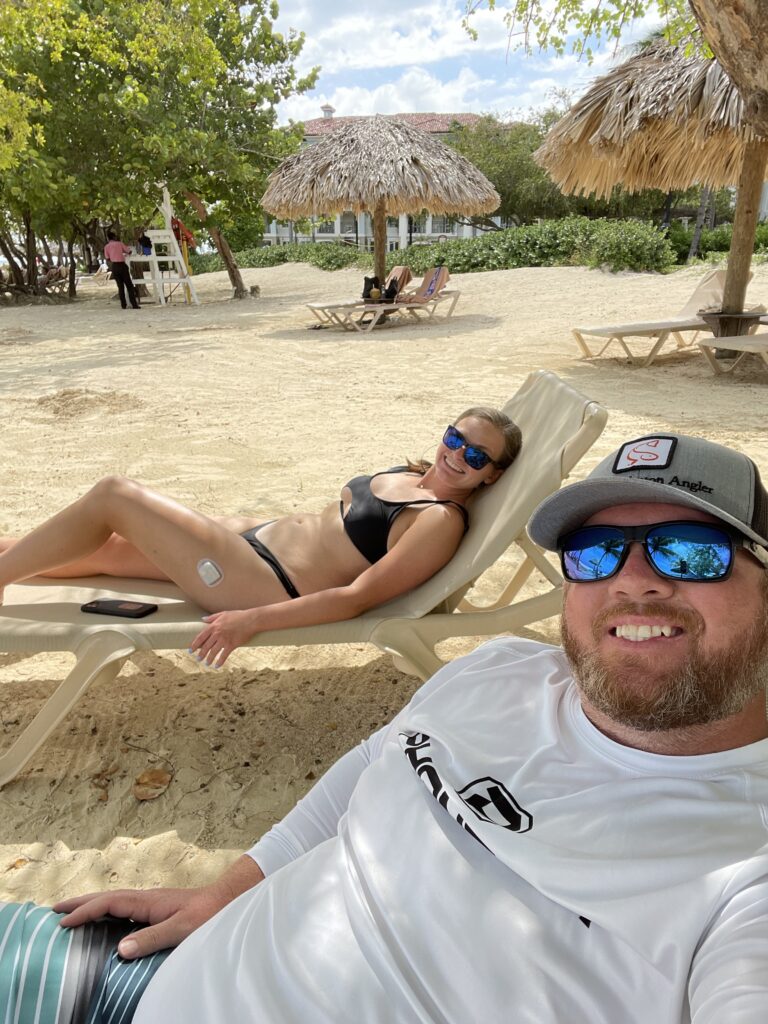
If a newly diagnosed Type 1 diabetic asked whether they could still travel, what would you tell them?
I would tell them absolutely. Traveling with Type 1 diabetes may require more planning, but it should never stop you from seeing the world. Start with shorter trips if that makes you feel more comfortable. Learn what supplies you need, create backup plans, and trust yourself. Every trip builds confidence. Diabetes may be something you travel with, but it doesn’t have to determine where you can go.
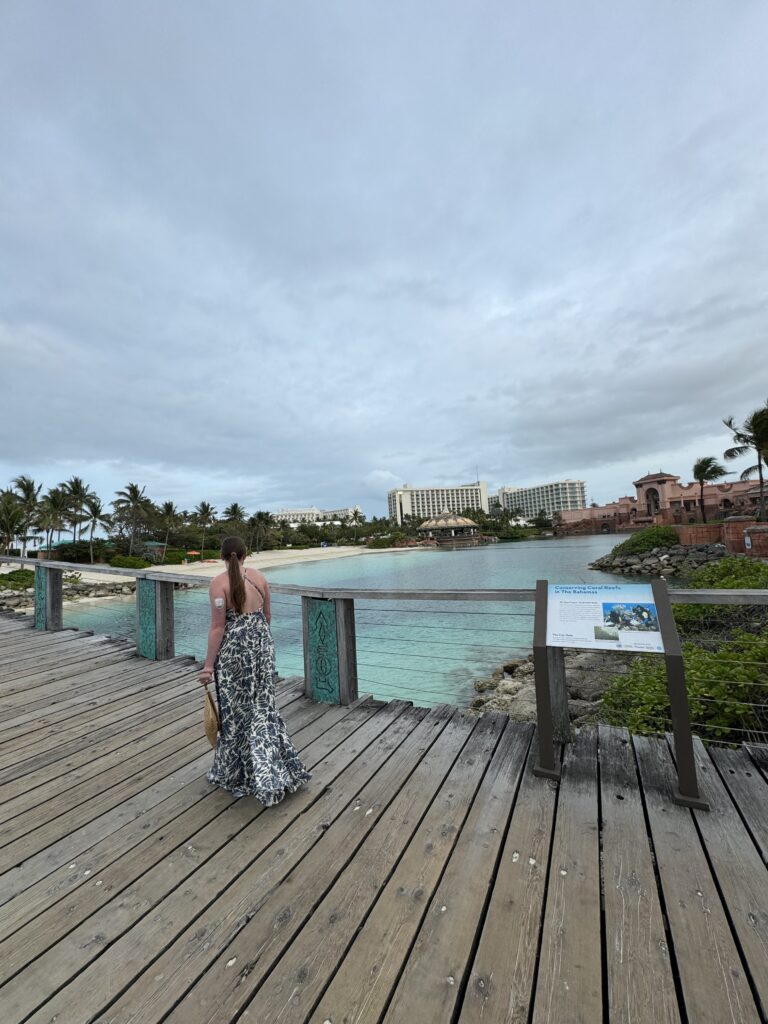
Did diabetes ever stop you from doing something you wanted to do? Growing up, I often heard people talk about diabetes as if it were a life sentence. I started believing there were things I couldn’t do simply because I had diabetes. There were opportunities I talked myself out of because I thought, “People with diabetes don’t do things like that.” Looking back, I realize the biggest limitations weren’t always diabetes itself—they were the fears I had built around it.
What does “The Diabetic Travel Guide” mean to you personally? To me, The Diabetic Travel Guide is about showing people that life doesn’t stop because of diabetes. I want to share our experiences—the good, the challenging, and everything in between—so that someone else living with Type 1 diabetes feels confident enough to book the trip, take the adventure, and make the memories they’ve been dreaming about.
As I look back on the little girl who spent Halloween in a hospital room, worried about sugar-free candy and hoping to see her name on the discharge board, I never could have imagined where life would take me.
Type 1 diabetes has been a part of my story for more than two decades. It has challenged me, frustrated me, and taught me lessons in resilience that I carry with me every day. For a long time, I believed diabetes would limit my life and determine what I could and couldn’t do. Thankfully, I was wrong.
Today, diabetes still requires planning, preparation, and plenty of backup supplies, but it no longer decides where I can go or what I can experience. Whether Steven and I are exploring a new city, relaxing at a resort, or simply taking a weekend road trip, I’ve learned that diabetes is something I travel with—not something that holds me back.
My hope is that by sharing our experiences through The Diabetic Travel Guide, someone else living with diabetes will feel a little less nervous, a little more prepared, and a lot more confident about taking their own adventure.
Because the world is too beautiful to let diabetes keep you from exploring it.