





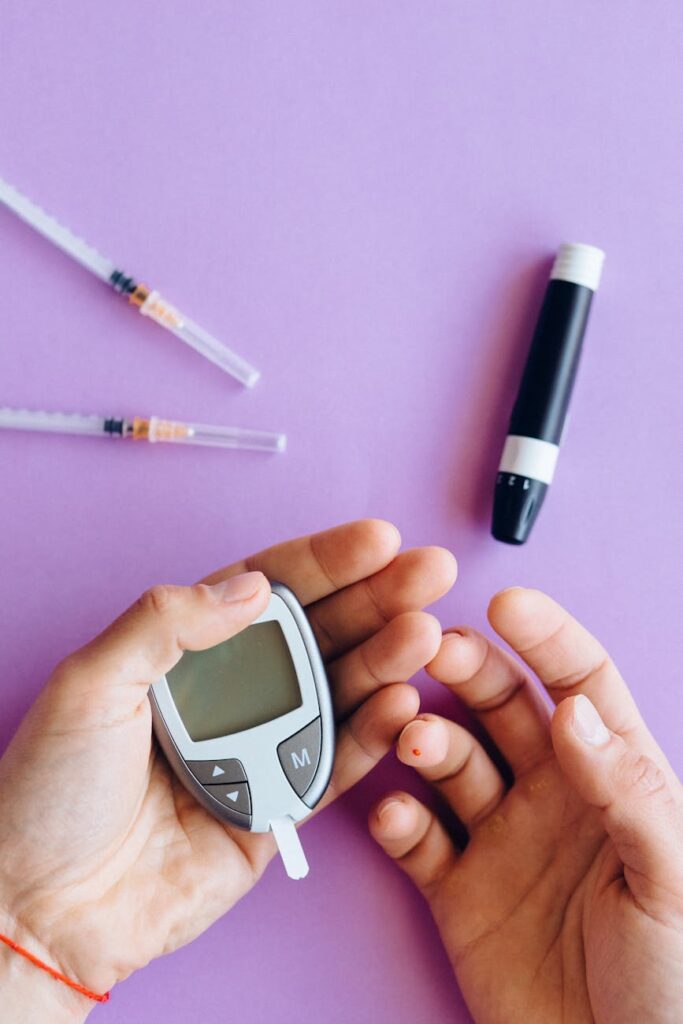
Traveling With Diabetes: Essential Safety, Planning, and Confidence Tips for Diabetic Travelers
Estimated Reading Time: 6 minutes
- Effective planning and preparation are essential for maintaining health while traveling with diabetes.
- Pack double the necessary medications and supplies and always carry a diabetes travel kit.
- Understand local cuisines and meal timing to navigate dietary challenges.
- Communicate your diabetes management plans with travel companions and seek community support.
- Stay flexible and adapt plans as necessary for unexpected situations.
Table of Contents
- Why Traveling With Diabetes Requires Special Planning
- Getting Ready: Diabetes Travel Planner Essentials
- On the Move: Getting Around Europe, Latin America, and Beyond
- Managing Blood Sugar on the Go: Key Strategies
- Overcoming Common Travel Challenges for People With Diabetes
- Confidence, Flexibility, and Safety: The Key to Traveling With Diabetes
- Empowering All Travelers: Diabetic, Caregiver, or Health-Conscious
- More Resources & Next Steps
- FAQ
Why Traveling With Diabetes Requires Special Planning
Managing diabetes while traveling includes unique challenges: regulating blood sugar, maintaining medication routines, adapting to new foods, and handling any unexpected health issues that may arise far from home. “Traveling with diabetes” as a key phrase is about much more than logistics—it’s about your wellbeing, peace of mind, and freedom to explore. As the team behind The Diabetic Travel Guide, our commitment is to help you make every trip a positive experience.
Getting Ready: Diabetes Travel Planner Essentials
Before you set out, thoughtful preparation will keep you healthy and help prevent common hassles. Here’s what to focus on:
Medications & Supplies: Double Check and Pack Smart
- Bring Extra: Always pack more diabetes medication and supplies than you think you’ll need. Aim for at least double your planned duration, split between your carry-on and checked luggage.
- Prepare a Diabetes Travel Kit: Include insulin, syringes/pens, test strips, blood glucose meter, pump supplies, oral medications, and glucagon. Don’t forget alcohol swabs, snacks for hypo episodes, and a doctor’s note describing your regimen.
- Temperature Management: Insulin must not freeze or overheat. Use insulated travel pouches or cooling wallets—these are travel-tested solutions in every climate.
Travel Documentation
- Diabetes Identification: Wear a medical alert bracelet and carry a translated medical letter if traveling internationally.
- Doctor’s Note & Prescriptions: Bring a current letter from your healthcare provider and original prescription labels to avoid complications at airport security or pharmacies.
- Travel Insurance: Choose coverage that accounts for your diabetes, medical evacuations, and emergencies abroad.
On the Move: Getting Around Europe, Latin America, and Beyond
Drawing inspiration from travel guides on places like France, Spain, Scotland, and Nicaragua, you’ll see how travelers can explore the globe with diabetes—by car, public transport, or foot.
Airport Security & International Travel With Diabetes
- Going Through Security: Inform TSA or security officers that you have diabetes and will be carrying insulin and medical devices. Medication and supply vials less than 100ml are allowed.
- Pump and CGM Devices: Always check latest guidance, but most pumps, CGMs, and backup supplies can go through standard X-ray machines. Consider opting out of full-body scanners and requesting a hand inspection if you have concerns.
- Time Zones & Meal Adjustments: When flying across time zones, keep a written record of your medication schedule. Set alarms and adjust meal/med timing to avoid confusion, especially on long or overnight flights.
Car Rentals & Road Trips
According to curated reviews (Best Car Rentals in France 2026), flexibility matters:
- Flexible Stops: Plan to stop every 2-3 hours to check your blood sugar, especially for long European drives or rural routes in Latin America.
- Food Prep: Pack a cooler with low-GI snacks and plenty of water. Learn key phrases in local languages for emergencies if traveling in unfamiliar countries.
- Navigation Tools: A reliable travel laptop or smartphone ensures you stay aware of medical facilities and pharmacies en route (Best Travel Laptops 2026).
Urban Adventures: Barcelona, Scotland, Bali & More
From Barcelona itineraries to outdoor excursions in Scotland (Places to Visit in Scotland 2026), or villa stays in Croatia and Bali, keep these tips in mind:
- Walkability: European and Southeast Asian cities often mean more walking. Estimate your increased activity so you can adjust insulin and snack intake accordingly.
- Meal Timing: In some countries, meal times may not match your usual routine; carry fast carbs to bridge gaps.
- Meals Out: Don’t hesitate to ask about ingredients or request meal modifications. Many destinations are familiar with diabetes dietary needs.
- Staying Cool or Warm: If staying in villas or areas without consistent refrigeration, use portable coolers or ask hosts for freezer space for insulin storage (Croatia Villas with Pools, Bali Private Villas).
Managing Blood Sugar on the Go: Key Strategies
Staying Stable in Changing Environments
- Routine Checks: Frequent blood glucose testing is essential—changes in diet, activity, or even altitude can affect levels in unpredictable ways.
- Be Ready for Lows: Always have glucose tablets, hard candies, or juice boxes within easy reach.
- Hydration: In new climates, especially hot places like Bali or humid regions of Spain and France, increased sweating can impact your hydration and sugar balance.
Eating Local: Navigating New Foods and Meals
- Research Ahead: Use online resources and diabetes apps to read up on local cuisines. Many cities have “diabetes-friendly” or “low-carb” options, especially in tourist hotspots.
- Control Portions: Serving sizes abroad may differ from home. Start small, monitor your blood sugar, and adjust as needed.
- Self-Catering: If you stay in apartments or villas (like those in Bali or Croatia), make use of the kitchen for a few meals to maintain your routine, and reduce the temptation to overindulge.
Overcoming Common Travel Challenges for People With Diabetes
Jet Lag, Sleep Disruption, and Time Zones
- Adjusting medication schedules across time zones is tricky. Speak with your diabetes educator or doctor before you leave to work out a plan.
- Sleep deprivation can impact insulin sensitivity and glucose response; try to rest on flights and ease into new routines.
Activity Level Surprises
- Hiking Fairy Glen in Scotland or walking the streets of Barcelona? Increased movement means you may require less insulin or more snacks.
- Check blood sugar before and after major activities, and never underestimate the impact of even moderate sightseeing.
Stress and Emotional Wellbeing
- Travel can bring excitement, but also stress (navigating airports, language barriers, managing new routines).
- The Diabetes Health article on Sex and Diabetes reminds us that diabetes impacts both physical and emotional wellbeing. Open communication with your travel companions and mindful self-care are vital.
- Emotional fluctuations can affect blood glucose. Plan moments for relaxation, meditation, or just a quiet break in your hotel or villa.
Confidence, Flexibility, and Safety: The Key to Traveling With Diabetes
Traveling with diabetes isn’t just about “managing” your condition—it’s about thriving. Here’s how to ensure you move through the world with confidence:
Trust Your Preparation & Ask for Help
- Leverage Community: The Diabetic Travel Guide’s community and resources help you connect with others who’ve traveled the same path. Don’t hesitate to reach out for support or recommendations.
- Share Your Plan: Make sure those you’re traveling with understand your needs, your signs of hypo/hyperglycemia, and how to help in an emergency.
Stay Flexible
- Plans can change due to weather, trains, or your own energy levels. Go easy on yourself. If your blood sugar isn’t cooperating for that 5-mile hike, pivot to a gentle walk or a scenic drive—it’s still your vacation!
Practical Safety Tips for Diabetic Travelers
- Emergency Readiness: Know the local emergency number and hospital locations. Identify pharmacies in advance.
- Backup Supplies: Keep low supplies in multiple locations (main bag, daypack, jacket pocket).
- Adjust for Climate: In tropical or cold destinations, check how temperature extremes might impact your medication and supplies.
Empowering All Travelers: Diabetic, Caregiver, or Health-Conscious
Whether you’re a person with diabetes, a traveling companion, or just inspired to learn, understanding these strategies means a safer, happier, more rewarding journey. At The Diabetic Travel Guide, we’re committed to providing the tools, support, and up-to-date information you need for every stage of the travel process. From packing your bag to exploring the hills of Scotland or the beaches of Croatia, your experience matters—and together, we can make travel with diabetes better for everyone.
More Resources & Next Steps
Feeling inspired to plan your next adventure? We invite you to:
- Visit The Diabetic Travel Guide for more tips, downloadable checklists, travel itineraries, and real-world stories: Read more here.
- Join our Community for access to forums, expert Q&As, and destination-specific advice from fellow diabetic travelers.
- Download Our Essential Packing List to make sure you never forget a critical item on your next trip!
You can travel with confidence, health, and joy. Let The Diabetic Travel Guide be your trusted companion wherever you go. Explore, dream, and discover—a world of safe travel with diabetes awaits you!
FAQ
Q: What should I pack for a trip with diabetes?
A: Always pack extra medications, supplies, a diabetes travel kit, and snacks for low blood sugar. Consider your destination’s climate for insulin storage needs.
Q: How can I manage blood sugar levels while traveling?
A: Frequent monitoring is necessary. Adjust your insulin as needed based on changes in activity and food intake.
Q: What should I do if I have a low blood sugar while traveling?
A: Always have fast-acting carbohydrates within reach and inform your travel companions of how to recognize symptoms and assist you.
Q: Are travel insurance policies available for people with diabetes?
A: Yes, look for insurance that covers specific needs related to diabetes and medical emergencies abroad.