


How to Travel Safely with Diabetes: Top Diabetes Travel Tips for Confident and Healthy Adventures
Estimated Reading Time: 6 minutes
- Plan thoroughly with your healthcare team.
- Pack essential supplies and manage your medications wisely.
- Stay informed about your rights at airports and in foreign countries.
- Embrace local cuisines while being mindful of your dietary needs.
- Utilize technology to assist in your diabetes management on the go.
Table of Contents
- Why Preparation is Key: Diabetes and Travel Planning 101
- Smart Packing: What Every Diabetic Traveler Should Bring
- Getting Through Airports and Security with Diabetes
- On the Move: Managing Diabetes While Sightseeing
- International Travel and Blood Glucose Management
- Nutrition and Meal Planning While Traveling
- Staying Healthy with Physical Activity and Rest
- Relationships, Intimacy, and Diabetes on the Road
- Technology and Diabetes: Travel Tools to Make Life Easier
- Overcoming Common Challenges for Diabetic Travelers
- Final Thoughts: Embrace the World with Diabetes—You’re Ready!
Why Preparation is Key: Diabetes and Travel Planning 101
Traveling anywhere—across your city, your country, or to the other side of the world—means shaking up your routine. For people with diabetes, that means extra planning and a thoughtful approach to maintain stable blood glucose. Changes in time zones, food, physical activity, and even weather can all affect your body’s needs. But careful preparation is the best travel insurance: by taking a few extra steps before you leave home, you can reduce stress, tackle unexpected situations calmly, and soak up more of the magic that travel brings.
Here’s how to start your travel planning:
- Talk to your healthcare team. Share your itinerary and ask if they recommend any adjustments to your medication, supplies, or management plan.
- Get travel documentation. Request a letter confirming your diabetes diagnosis and list of medications, especially if you’re taking insulin or injecting other medications. Keep digital and paper copies handy.
- Order extra supplies. Always pack double the necessary insulin, pens, syringes, test strips, CGM sensors, infusion sets, and hypo treatments. This prepares you for travel delays or lost luggage.
Related resource: About Us—Our Mission: Learn why practical, patient-focused planning is at the core of every Diabetic Travel Guide tip.
Smart Packing: What Every Diabetic Traveler Should Bring
Packing well means bringing enough diabetes supplies and making smart choices about food, medication, and documentation. Here’s a checklist that frequent travelers with diabetes rely on:
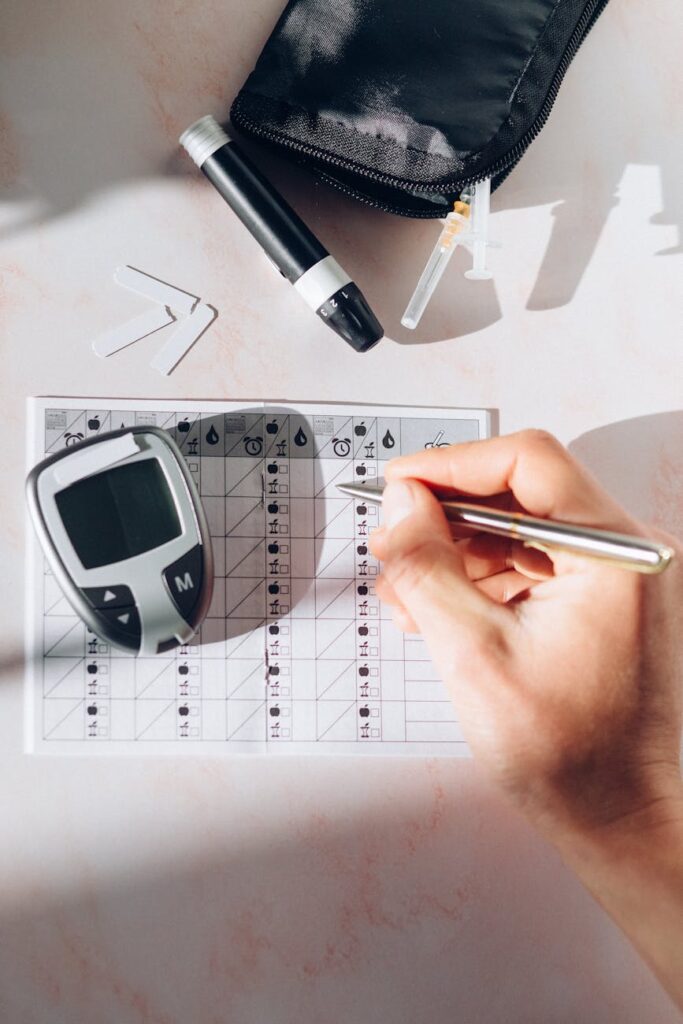
- All medications and devices: Insulin, oral meds, pens, syringes, test strips, meters, CGMs, and batteries (plus USB chargers for smart meters).
- Hypoglycemia supplies: Fast-acting glucose gels or tabs, juice boxes, and snacks with a mix of complex carbs and protein (like nut bars).
- Cooling cases: For temperature-sensitive insulin or CGM sensors—especially if visiting warm climates.
- Medical ID: Bracelet, necklace, or wallet card clearly stating your diabetes diagnosis and emergency contacts.
- Carbohydrate-rich snacks: Granola bars, crackers, or travel-friendly foods for days with uncertain meal times.
- First aid: Small kit with antiseptic wipes, plasters, and any other personal-first aid essentials.
- Travel insurance details: Printouts and digital copies listing your medications, coverage, and important numbers.
Packing tip: Always pack all critical supplies in your carry-on, never checked luggage. Airlines, trains, and buses can delay, misroute, or lose bags, and diabetes management can’t wait.
Getting Through Airports and Security with Diabetes
Navigating airport security, customs, and long-haul journeys can be daunting, but it’s perfectly manageable with diabetes—especially when you know your rights and come prepared with clear documentation.
Diabetes Travel Tips for Airports
- Notify security staff early. Let staff know you’re carrying medical equipment and supplies. Show your doctor’s letter if needed.
- Carry documentation. Security agents are generally well-trained, but carrying a letter (and a prescription) clarifies that syringes, sharps, and liquid medications are for health reasons.
- Avoid X-rays for pumps and CGMs. Most continuous glucose monitors and insulin pumps should not be put through X-ray machines. Hand-carry them and request visual inspection.
- Stay hydrated. Airplanes can be dry. Drink water, avoid excess caffeine and alcohol, and aim to move around the cabin to reduce your risk of clots.
- Check time zones for insulin timing. If you’re traveling a long distance, talk to your healthcare team about how to adjust your medication schedule to new time zones.
Bonus tip: Review our post on car rentals in France for tips on organizing your ground transportation with easy access to supplies—10 Best Car Rentals in France for All Budgets.
On the Move: Managing Diabetes While Sightseeing
Whether it’s a two-day immersion in Barcelona’s sights (read our 2-day itinerary), a road trip through Scotland’s castles, or exploring villages in Bali, flexible diabetes management is key.
Here’s how to enjoy sightseeing—without stress:
- Test often, especially with extra physical activity. Walking, hiking, or swimming more than usual? Check your blood glucose before, during, and after strenuous activity to spot unexpected drops.
- Keep easy-access snacks on hand. Carry several options—both for speedy treatment of lows and slow-burning carbs to keep energy up.
- Wear a visible medical ID. Adventures can lead to separation from your group. A medic alert helps in emergencies.
- Know local emergency numbers. Learn how to call for help in your destination’s language.
- Adjust meal timing if needed. Seek local foods, but also keep some packaged snacks in case restaurant schedules don’t match your usual routine.
Related inspiration: Explore favorite places in Scotland with travel tips for managing chronic conditions—20 Best Places to Visit in Scotland.
International Travel and Blood Glucose Management
Crossing borders adds exciting new flavors, cultures, and challenges. For people with diabetes, every country has its own “best practices.” Some places offer easy access to pharmacies and familiar foods; others may require more pre-planning.
Diabetes Travel Tips for International Success
- Research in advance. Check local names for your medications, emergency numbers, and diabetes support organizations.
- Bring a phrase card. Note essential phrases (“I have diabetes,” “I need sugar quickly,” etc.) in the local language.
- Check prescription laws. Some countries have restrictions on bringing insulin or syringes in. Look up embassy guidance well before your trip.
- Travel health insurance is essential. Make sure it covers pre-existing conditions, lost medication, emergency evacuation, and hospital stays.
- Know your rights. Many countries protect travelers carrying life-saving medications and devices—documentation helps smooth customs checks.
Nutrition and Meal Planning While Traveling
Trying new foods is one of the great joys of travel. For people with diabetes, it’s also a source of anxiety: Will you be able to find suitable meals? Will labels be in your language? What if meal times change unexpectedly?
Diabetes-Friendly Eating on the Road
- Pack non-perishable snacks. Protein bars, whole grain crackers, and rice cakes help at airports, sightseeing venues, or long bus/train rides.
- Scope out grocery stores. Shopping gives you more control over meals—stock up on fruit, yogurt, and local produce.
- Learn about local cuisine. Identify staple carbs and traditional ingredients, and look for grilled, baked, or steamed options.
- Split restaurant dishes. Try a wider range of foods by sharing (and controlling portion sizes).
- Monitor portion sizes. Restaurant portions abroad can be larger (or smaller!) than you expect. Use your hand as a guide: a fist for carbs, a palm for proteins, and so on.
Travelers have found that French cuisine, for example, can be rich but often balanced in portions—opt for plenty of fresh vegetables and lean meats, skip heavy sauces when possible, and enjoy dessert in moderation.
Staying Healthy with Physical Activity and Rest
Vacations often mean more walking, longer days, and, for some, strenuous activities like hiking, swimming, or biking. All of this can impact blood glucose levels, so keep these strategies in mind:
- Test more often. Increased activity can lower blood sugar, especially if you’re exploring by foot.
- Adjust insulin or oral medications. Ask your healthcare team about safe reductions for at-risk days.
- Prioritize rest. New time zones and busy days can disrupt sleep. Naps and breaks are important for recovery and blood glucose stability.
- Protect your feet. Wear comfortable shoes and check your feet daily if you have neuropathy or circulation concerns.
Considering adventure activities? Visit our guides for travel inspiration and advice on adapting your routine in new environments, like Fairy Glen on the Isle of Skye or even Getting Around Nicaragua.
Relationships, Intimacy, and Diabetes on the Road
Travel offers the perfect backdrop for connecting with loved ones, but for many—especially women with diabetes—there are private concerns about intimacy, confidence, and blood sugar management in new environments. Research such as “Sex and Diabetes: From Her Point of View” emphasizes that open, honest communication with partners and advance planning helps foster comfort and closeness, even far from home.
Pivotal tips:
- Bring needed supplies and always keep hypo treatments close during romantic outings or energetic activities.
- Discuss diabetes openly—a trusted travel or life partner will want to help, not judge.
- Prioritize “self-care nights” and be honest with partners about your needs while adjusting to new settings, schedules, or time zones.
Technology and Diabetes: Travel Tools to Make Life Easier
The right technology makes diabetes management on the road easier than ever. Consider bringing a compact, travel-friendly laptop or smart device to:
- Monitor health data. Log blood glucose, track meals, and communicate with your healthcare team.
- Book accommodations and connect to Wi-Fi. Find lodging with refrigeration for insulin, or book villas/hotels with kitchens for meal prep (Croatia’s best pool villas or private pool villas in Bali for luxury, diabetes-friendly options).
- Research local health care options. Know where the nearest pharmacy or hospital is at each stop on your journey.
- Stay in touch. Use telemedicine or email to contact your diabetes care provider if any issues arise while traveling.
For technology suggestions, see the 12 Best Travel Laptops for Every Budget.
Overcoming Common Challenges for Diabetic Travelers
- Lost Medication or Supplies
Carry a spare set of prescriptions and a doctor’s note. Know the location of nearby pharmacies or hospitals. - Language Barriers
Use translation apps or carry cards with critical diabetes phrases. Research the local word for “diabetes,” “insulin,” “sugar,” and “emergency.” - Sick Days or Illnesses
Pack a mini sick-day kit and detailed instructions for adjusting doses. Know how and when to seek emergency care. - Unexpected Delays
Always carry extra snacks and at least a 24-hour supply of quick-access medication. - Confidence and Peace of Mind
Remember: You belong in every destination. Diabetes is a part of you, not a barrier!
Final Thoughts: Embrace the World with Diabetes—You’re Ready!
With thorough planning, the right diabetes travel tips, and the support of a committed global community, you can open your world to new places, people, and experiences—safely and confidently. From organizing your medication to savoring a new cuisine, each step you take prepares you for adventures that inspire, relax, and recharge.
You already have the tools for success. Still, knowledge is power—and support is even better.
Ready to learn more?
Stay connected with the trusted, practical resources, guides, and personal stories at The Diabetic Travel Guide. Explore our travel-specific packing lists, destination guides, tips for managing diabetes at every stage of your journey, and join our mailing list for regular wisdom, support, and community insight.
Your adventure starts now. Safe travels—and remember, you’ve got this!