



Traveling with Diabetes: Essential Safety, Planning, and Health Tips for a Confident Adventure
Estimated Reading Time: 7 minutes
- Being well-prepared ensures a smooth travel experience with diabetes.
- Understanding local healthcare options is key to managing diabetes abroad.
- Meal planning and smart snacking help maintain blood sugar levels while exploring.
- Open communication with travel companions supports better diabetes management.
- Learn to navigate travel challenges with practical solutions.
Table of Contents
- Smart Preparation: Pre-Trip Planning for Diabetics
- Medication & Equipment: Safe Storage and Smooth Security
- Nutrition on the Go: Meal Planning and Local Foods
- Staying Active & Safe: Exploring with Confidence
- Relationships, Intimacy, and Self-Care—Diabetes Beyond the Basics
- International Travel: Tips for Cars, Flights, and Cultural Differences
- Overcoming Common Travel Challenges
- Important Reminders and Your Next Steps
Smart Preparation: Pre-Trip Planning for Diabetics
Building Your Personal Diabetes Travel Checklist
Every great escape begins with a plan. For people with diabetes, preparation is key to maintaining health and peace of mind.
Top Diabetes Travel Planning Steps:
- Meet with Your Healthcare Provider: Discuss your travel plans. Update prescriptions and get a travel letter if possible, explaining your condition and all medical devices.
- Compile a Pack List: Bring at least double your needed medication, test strips, syringes, sensors, and supplies. It’s smart to split supplies between your carry-on and checked luggage (just in case one gets lost).
- Prepare Emergency Info: Carry an updated medical ID and a card or phone note in the local language explaining your diabetes needs.
- Research Local Healthcare: Find out where the nearest hospitals or clinics are at your destination.
Pro Tip: Check guidelines on insulin and device importation at your destination. Rules and labeling requirements may vary, especially outside the EU or U.S.
Medication & Equipment: Safe Storage and Smooth Security
Traveling with Insulin, Pumps, and Continuous Glucose Monitors
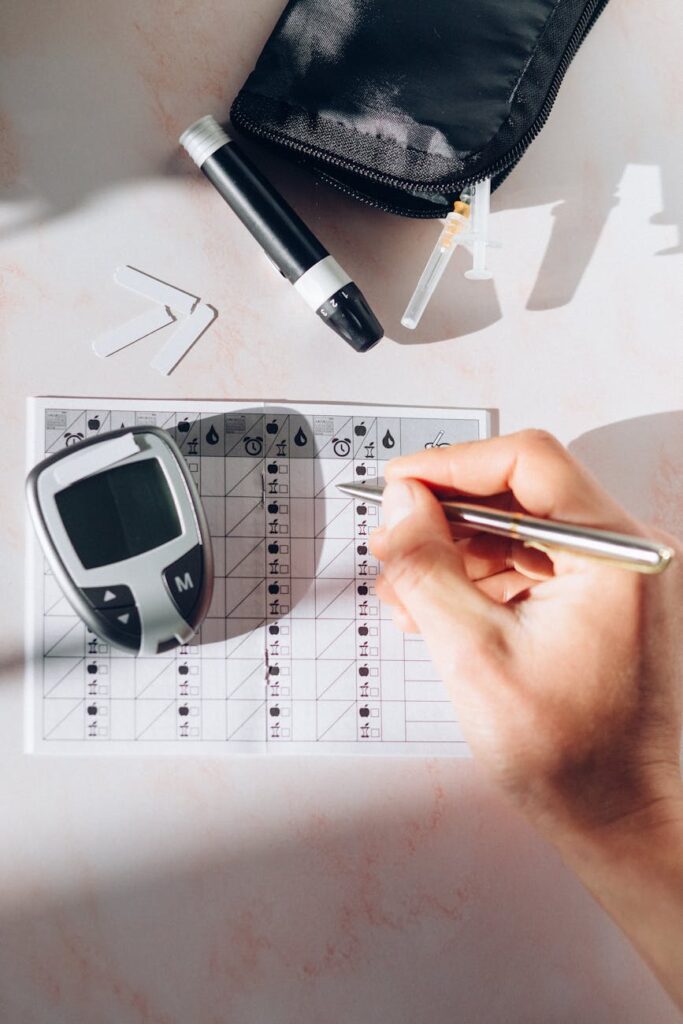
Diabetes supplies are your lifeline. Keep them safe, especially when temperatures fluctuate or when airport rules add extra hurdles.
Tips for Medication Storage:
- Keep Insulin Cool: Use a special medical cooler or insulated bag for insulin and temperature-sensitive medications, especially in hot climates like Bali or Croatia.
- Hand-Carry All Supplies: Always bring medications, glucagon kits, and testing devices in your carry-on, never checked baggage.
- TSA and Security: According to most travel authorities and personal stories on The Diabetic Travel Guide, you have the right to bring needles, insulin, medical devices, and snacks through security. Show your diabetes travel letter and verbally declare any liquids or devices.
- Battery and Charging Safety: Traveling with diabetes technology (such as CGMs or pumps) means packing extra batteries, power banks, and universal adapters, like those on recent lists of best travel laptops.
Not sure about devices at security? Be proactive and friendly. Most countries are familiar with diabetes technology, but it helps to be prepared. Politely ask for a hand inspection if you’re concerned about device X-ray safety.
Nutrition on the Go: Meal Planning and Local Foods
Healthy Eating for Diabetics on Vacation
Navigating unfamiliar menus can be one of the biggest diabetes travel challenges, whether you’re staying in a villa in Croatia or exploring street food in Barcelona. The key is to balance enjoyment and blood sugar control.
Essential Diabetes Meal Planning Tips:
- Pack Snacks: Nut bars, dried fruit, crackers, or glucose tablets are highly recommended for low-blood-sugar emergencies. They’re essential, especially when traveling by car in more remote locations like the Scottish Highlands or the Nicaraguan countryside, where meal options may be limited.
- Research Local Cuisine: Use guidebooks or online resources to learn about carbohydrate counts in traditional dishes. Mediterranean options, like those in France or Spain, often include vegetables, fish, grains, and legumes—excellent for balanced eating.
- Dining Out: Don’t hesitate to ask for nutrition information or ingredient lists when dining out. Most restaurants are happy to help, and many European countries have strong allergen labeling laws.
- Create a Routine When Possible: Try to eat meals at similar times each day to keep blood sugar steady, especially if you’re dealing with jet lag or time zone changes.
Remember: Overindulge mindfully! Check your blood sugar more often when trying new foods or changing your eating schedule.
Staying Active & Safe: Exploring with Confidence
Diabetes and Active Sightseeing
From hiking the Isle of Skye’s Fairy Glen to city walking tours in Barcelona, physical activity adds fun and flavor to your adventure! It also affects your blood sugar—sometimes in unexpected ways.
Activity Guidelines:
- Prepare for Activity-Induced Lows: Extra snacks, glucose gels, and regular blood sugar checks are crucial if you plan a lot of walking or hiking.
- Know Your Patterns: If you use insulin, you might need to adjust doses during high-activity days.
- Hydration: Always have water on hand to avoid dehydration, especially in hot or high-altitude locations.
Safety First: Wear comfortable, closed-toe shoes (to prevent blisters and wounds) and consider carrying a basic first aid kit with antiseptic, bandages, and sugar sources.
Relationships, Intimacy, and Self-Care—Diabetes Beyond the Basics
Navigating Personal Relationships on the Road
Traveling often means sharing tight spaces with partners, friends, or new acquaintances. Managing diabetes is not just practical—it’s also emotional.
Drawing on insights from personal experiences, like the “Sex and Diabetes: From Her Point of View” (Diabetes Health), here’s what matters:
- Open Communication: Be upfront with your travel companions about your diabetes and how they can support you—whether that’s helping you spot signs of low blood sugar or supporting your meal schedule.
- Romantic Travel: Intimacy can be affected by blood sugar fluctuations, exhaustion, or medication side effects. Plan for downtime, keep glucose meters handy, and talk honestly with your partner about your needs.
- Self-Care Is a Priority: Prioritize sleep, stress reduction, and alone time when needed. Vacation is your time, too!
Pro Tip: If you’re dating or sharing a new experience, remember: sharing your journey helps deepen trust and lowers stress for everyone involved.
International Travel: Tips for Cars, Flights, and Cultural Differences
From France to Nicaragua—Transportation and Culture for Diabetic Travelers
Car Rentals and Driving
- Freedom to Stop: Renting a car (see: 10 Best Car Rentals in France) gives you control over meal times, rest breaks, and temperature management—ideal for storing medication or taking care of urgent lows.
- Pack a Cooler: When road-tripping, always carry a cooler for insulin, extra water, and a snack bag.
- Know the Route: Map out potential hospitals or pharmacies along your trip, just in case.
Public Transport & Flights
- Airport Security: Arrive early and be patient. Show your diabetes travel letter and declare all supplies in your carry-on.
- In-Flight Prep: Bring all needed medications, snacks, and some extra insulin (in case delays extend your travel time). If you’re changing time zones (like flying to Spain or Scotland), talk with your doctor about how to adjust medication schedules.
- International Healthcare: Know how to access care abroad. Carry travel insurance and the contact info for local medical facilities.
Embrace Cultural Adventures, Safely
Experimenting with traditional foods or customs? It’s part of the fun! Just plan to check your blood sugar more often, and remember that a small language barrier doesn’t need to become a health barrier—use translation apps or cards explaining your diabetes in the local language.
Overcoming Common Diabetes Travel Challenges
Solutions for Real-World Scenarios
Travel is unpredictable, but that’s what makes it memorable! Here’s how to tackle challenges diabetic travelers commonly face:
- Lost or Delayed Luggage: What to do: Always keep your diabetes supplies in your personal carry-on bag. Never check essential items.
- Unexpected Low or High Blood Sugar: What to do: Check often, especially after activities, meals, or long transit. Carry plenty of fast-acting carbs (glucose tablets, juice, etc.) and know the nearest pharmacy.
- Cancelled or Delayed Flights: What to do: Travel insurance can provide peace of mind. Keep snacks, water, and meds accessible, and don’t be shy about explaining your needs to airline staff.
- Climate Change or Extreme Weather: What to do: Use insulated packs and check how your medications respond to temperature changes. Adjust your hydration and schedule to protect your health.
- Language/Cultural Barriers: What to do: Carry a diabetes translation card. Apps like Google Translate or printed cards explaining your needs in the local language help when visiting places like Nicaragua, Bali, or rural France.
Important Reminders and Your Next Steps
Putting Your Diabetes Travel Plan into Action
Traveling with diabetes is absolutely possible—millions do it every year, safely and confidently! Preparation + flexibility = success, joy, and new memories.
To Summarize:
- Consult your doctor and prepare all supplies well in advance.
- Pack more medication and snacks than you think you’ll need.
- Know your rights at airports and border crossings.
- Eat and exercise mindfully, monitoring blood sugar frequently.
- Communicate with travel companions about your needs.
- Always put your health—and your self-care—first.
Travel isn’t just about seeing new places; it’s about growing stronger, feeling empowered, and discovering just how much you can achieve. At The Diabetic Travel Guide, we believe that everyone living with diabetes deserves to explore the world with confidence and safety.
Ready to Explore More?
If you found these diabetes travel safety tips helpful, explore more articles, packing guides, and destination advice at The Diabetic Travel Guide. We’re here to be your partner on the journey—answering your questions, sharing stories, and offering tools to help you experience the world on your terms.
Sign up for our newsletter today for weekly inspiration, trusted resources, and your next favorite travel destination—all tailored for diabetic travelers, caregivers, and health-conscious adventurers like you.
Safe travels—wherever the road takes you!
FAQ Section
FAQ
Q: Can I bring my diabetes medications on a flight?
A: Yes, but always keep them in your carry-on luggage and inform security personnel when necessary.
Q: How can I manage blood sugar levels while trying new foods?
A: Monitor your blood sugar levels more frequently and ensure you have snacks on hand for emergencies.
Q: What should I do if I experience a diabetes emergency while traveling?
A: Know the location of the nearest healthcare facilities and have emergency contact information readily available.
Q: Is travel insurance important?
A: Yes, travel insurance can provide peace of mind and assistance in case of emergencies.