



Diabetes Travel Tips for Confident Adventures: Essential Planning, Safety, and Blood Sugar Management for Diabetic Travelers
Estimated Reading Time: 7 minutes
- Practical strategies to manage your diabetes while traveling
- Tips on medication storage and meal planning
- Navigating airport security with diabetic supplies
- Overcoming common travel challenges for diabetics
- Insights and inspiration for safe travel adventures
Table of Contents
- Why Diabetes Travel Tips Matter: Empowered Journeys for Every Traveler
- Mastering Blood Sugar Management on the Move
- Practical Medication and Supply Storage
- Healthy Meal Planning on the Road
- Navigating Airport Security with Diabetes
- International Travel Considerations for Diabetic Travelers
- Overcoming Common Travel Challenges for People with Diabetes
- Real-World Travel Inspiration: Diabetic Adventures Around the Globe
- Top 10 Quick Diabetes Travel Tips for Confident Adventures
- Discover More Confidence, Adventure, and Health Support with The Diabetic Travel Guide
Why Diabetes Travel Tips Matter: Empowered Journeys for Every Traveler
More than 400 million people worldwide live with diabetes—and many are passionate travelers. Yet, the thought of managing insulin, supplies, varying meal options, or unpredictable time zones can create anxiety that dampens the excitement of going abroad. That’s why diabetes travel tips for confident adventures are so vital. With accessible knowledge, the right tools, and support from your community, the world is truly within reach—regardless of your diagnosis.
At The Diabetic Travel Guide, we understand your unique needs because we’re travelers with diabetes too. Our mission is rooted in practical, real-life advice, reassurance, and up-to-date health guidance. Whether you have Type 1, Type 2, or are a caregiver, these insights are designed to help you travel safer, smarter, and with joy.
Mastering Blood Sugar Management on the Move
Keeping your blood sugar stable is crucial, especially when your routine is different from home. Here’s how you can take the uncertainty out of travel:
- Monitor More Often:
Changes in meal timing, physical activity, and stress can all impact your glucose levels. Frequent checks—especially during the first few days—will help you spot trends early. - Bring Supplies in Abundance:
Pack at least double your typical amount of strips, sensors, insulin, and other meds. Unexpected delays, climate issues, or supply mishaps do happen. Better to carry too much than too little! - Adjust for Time Zones:
Long flights, layovers, and crossing continents? Work with your endocrinologist to create a medication plan for switching time zones, especially for insulin-dependent travelers. - Prepare for Active Days:
Trips like exploring the Fairy Glen on the Isle of Skye or walking Barcelona’s Gothic Quarter can mean increased physical activity. This may lower your blood sugar, so watch for symptoms and keep fast-acting carbs on hand. - Track and Record:
Apps, smart travel laptops, or even a simple paper log will help you monitor changes and spot patterns as you adapt to climate, cuisine, and time differences.
Practical Medication and Supply Storage
One of the most common questions we get at The Diabetic Travel Guide is how to keep insulin, pens, and other medication safe on the road. Warm climates, long flights, and hotel minibars present real challenges—but with planning, you can travel worry-free.
Tips for Safe Storage:
- Use Insulated Bags: Frio cooling wallets or insulated pouches keep insulin at safe temps for hours, even in tropical heat or summer car trips in France.
- Carry a Medical Supply Organizer: A compact diabetes organizer keeps meters, emergency snacks, and paperwork in one easily-accessible spot in your daypack.
- Never Put Supplies in Checked Luggage: Always keep your medication and supplies in your carry-on. This also applies when traveling by car—don’t leave insulin in a hot trunk.
- Hotel Fridges vs. Minibars: Standard hotel refrigerators are safer than unpredictable minibars, which can get too cold or switch off unexpectedly. Ask the staff if you have concerns.
- Back-Up Prescriptions: Bring electronic and physical copies of essential prescriptions—sometimes border agents or airport security request documentation.
Bonus Tip: Battery-powered coolers, like those used by experienced travelers in Bali or Croatia, can be a lifesaver for long journeys when access to refrigeration is uncertain.
Healthy Meal Planning on the Road
Tasting local cuisine is a highlight of every trip—Barcelona’s tapas, Bali’s tropical fruits, or Scottish breakfasts. The challenge? Staying mindful of carbohydrates, fats, and serving sizes can be tricky when meals are unfamiliar. Here’s how to make it easy and enjoyable:
- Research Menus in Advance:
Use travel guides and local blogs to preview menus, or ask your host/hotel for healthy recommendations. - Pack Portable Snacks:
Nut butter packets, protein bars, unsweetened trail mixes, and glucose tablets fit any bag and can come to the rescue during unpredictable meal times. - Balance and Portion Control:
When indulging, balance rich, carb-heavy meals with lighter options during the rest of the day. Rotate between new treats and your personal staples (like nuts or cheese sticks). - Hydrate Frequently:
Different climates, high altitudes, and lots of walking can dehydrate you faster. Stick to bottled water, and limit sugary drinks or alcohol which can affect glucose levels. - Label Language Cheat-Sheet:
Keep a translation card or app handy for “no sugar”, “gluten”, “nuts”, or “diabetes-friendly” in local languages—especially when visiting small, family-run restaurants in France or Nicaragua. - Cooking When Possible:
In villas or Airbnb stays, try preparing some of your meals. Markets in Croatia, France, or Scotland can be great for fresh, healthy produce and simple, familiar meals.
Navigating Airport Security with Diabetes
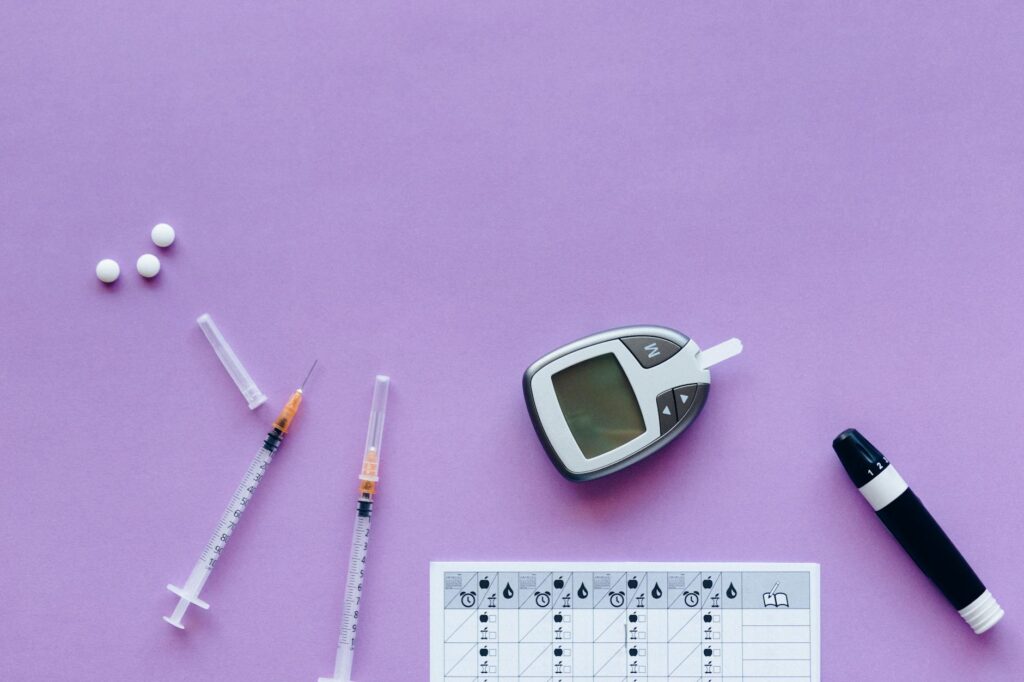
Airport security is stressful enough—add syringes, insulin pens, and continuous glucose monitors (CGMs), and it can feel overwhelming. Rest assured: people with diabetes travel internationally every day, and you have every right to bring what you need.
Easy Steps for a Smooth Airport Experience:
- Prepare Documentation:
Carry a doctor’s note and your prescriptions. Most security teams are familiar with diabetes, but written proof speeds things up. - Label Supplies Clearly:
Official pharmacy labels on insulin and medications prevent confusion at customs. - Declare, Don’t Hide:
Proactively tell security about your medical supplies, CGMs, or insulin pumps. They may need a visual check but should not ask you to remove devices attached to your body. - Request Hand Inspections:
Some screening machines (like X-rays or full-body scanners) can harm sensors or pumps. You can ask for a hand inspection instead. - Time Your Checks:
Give yourself extra time for security—don’t add unneeded stress by arriving late!
Extra Tip: Reach out to airlines in advance—some offer early boarding for medical needs or refrigerated storage options on long-haul flights.
International Travel Considerations for Diabetic Travelers
Going abroad? Each country has quirks that can affect diabetes management—currency differences, pharmacy access, healthcare quality, and even plug adaptors for your chargers.
Global Travel Essentials:
- Research Healthcare Access:
Know where the nearest hospitals or clinics are. Make a list of local emergency numbers and pharmacy hours. - Check for Local Laws on Medication:
Some countries restrict certain medications or devices (including needles). Check with your embassy or The Diabetic Travel Guide’s country-specific updates before you go. - Adaptors and Chargers:
Bring international plug adaptors, spare batteries, and power banks. This ensures continuous CGM or pump use and keeps phones ready for health apps, translation, and navigation. - Language Support:
Have an emergency diabetes translation card for each country you visit. Apps like Google Translate or local tourist offices can also assist. - Travel Insurance:
Always purchase insurance that covers pre-existing conditions. Look for policies with easy emergency support, prescription replacements, and medical evacuation if necessary.
Overcoming Common Travel Challenges for People with Diabetes
Despite the best plans, travel comes with surprises. Here’s how to handle the most common obstacles with confidence:
- Delayed or Lost Luggage:
Keep all critical medications and snacks with you at all times. If you lose or run out, pharmacies in most European countries and tourist hotspots (like Bali or Croatia) can provide help if you have prescriptions on hand. - Unpredictable Meal Times:
International flights, excursions, or car travel in rural areas can mean long gaps between meals. Keep shelf-stable snacks handy and adjust your medication as needed. - Hot or Cold Weather:
Extreme climates can impact blood sugar and medication. Insulin can spoil in high temperatures (over 86°F/30°C) or freeze if it gets too cold. Use insulated cases and protect medication from direct sunlight. - Illness and Stress:
Travel bugs, stomach upsets, or extra stress can disrupt blood sugar. Monitor more frequently and follow your sick day protocol. - Physical Activity:
Extra walking, biking, or swimming (especially at sites like the Glenfinnan Viaduct in Scotland or the beaches of Croatia) can drop glucose. Check more often and adjust carbs/insulin accordingly. - Intimate Relationships & Emotional Wellbeing:
As highlighted in the Diabetes Health feature “Sex and Diabetes: From Her Point of View”, diabetes intersects with every part of life—including intimate moments on trips. Open communication, active blood sugar management, and self-compassion allow you to nurture relationships without extra stress, no matter where your travels take you.
Real-World Travel Inspiration: Diabetic Adventures Around the Globe
From luxury villas in Croatia with private pools, to hiking the mystical Fairy Glen or road-tripping through France’s wine regions, diabetes need never limit your dreams. Take inspiration from:
- France by Car: Plan your route using the 10 Best Car Rentals in France. Self-driving means access to healthy snacks, safe storage for medication, and the freedom to rest as needed.
- Barcelona’s Tapas Culture: The 2 Day Barcelona Itinerary highlights flexible meal options and active sightseeing—ideal for balancing travel stimulation with diabetes management.
- Tech-Savvy Solutions: Choose a reliable device from the 12 Best Travel Laptops to track glucose, store travel docs, or download diabetes-friendly restaurant guides wherever you go.
- Relaxing in Style: Villas in Croatia or Bali with kitchens and pools let you manage meals, chill insulin, and enjoy downtime on your terms.
- Accessible Travel in Nicaragua: Whether you’re moving by shuttle, bus, or private car, Getting Around Nicaragua is easier than you think—with planning and extra snacks, new destinations are yours to explore.
Top 10 Quick Diabetes Travel Tips for Confident Adventures
- Pack a “Medical Go-Bag”: With all your diabetes supplies, documentation, and snacks.
- Use Digital & Paper Backups: For prescriptions, emergency notes, and medical history.
- Download Health Apps: For glucose tracking, medication reminders, and translation.
- Wear a Medical ID Bracelet: In case of travel emergencies.
- Meet with Your Healthcare Team: Well before your trip for personalized travel plans.
- Buy Insurance That Covers Diabetes: Always double check!
- Research Local Cuisine: Diabetes-friendly dishes don’t have to be boring.
- Learn Key Phrases: Like “I need help, I have diabetes” in the local language.
- Rest When Needed: Don’t over-schedule; your health comes first.
- Celebrate Your Freedom: Every successful trip builds confidence for the next.
Discover More Confidence, Adventure, and Health Support with The Diabetic Travel Guide
Diabetes never needs to limit your wanderlust or your wellness. With the right strategies—packed with care, research, and real-life wisdom—you can explore the world safely, savor new experiences, and maximize every moment. Remember: the best adventures are those where you feel prepared, supported, and confident.
Want more personalized advice, destination guides, or peer support? Visit The Diabetic Travel Guide for free checklists, detailed destination reviews, travel product recommendations, and a welcoming community of travelers just like you.
Your next adventure is waiting—pack your courage, your supplies, and your dreams. Let’s travel the world, diabetes and all!
If you found this article helpful, share it with friends, caregivers, and your travel tribe—and subscribe to The Diabetic Travel Guide newsletter for the latest diabetes travel tips, wellness stories, and inspirational journeys delivered straight to your inbox. Safe travels!
FAQ
Q: What should I do if my medication gets lost while traveling?
A: Always keep critical medications with you. If lost, local pharmacies in most countries can often assist you, especially if you have prescriptions on hand.
Q: Can I bring my diabetes supplies on a plane?
A: Yes, you can bring syringes, insulin pens, and other diabetes supplies on a plane. Always carry documentation and declare your supplies at security.
Q: How can I stay healthy while trying local foods?
A: Balance indulgent meals with healthy options and portion control. Research menus in advance and pack portable snacks for stability.
Q: What should I do in case of a diabetes emergency while traveling?
A: Have emergency contact numbers handy and ensure you know the location of local hospitals or clinics at your destination.
Q: Is it safe to travel abroad with diabetes?
A: Absolutely! With proper planning, research, and preparation, you can travel safely and confidently with diabetes.