



Diabetic Travel Tips: Manage Blood Sugar, Stay Safe, and Explore the World with Confidence
Estimated reading time: 8 minutes
- Be prepared: Schedule a pre-travel health check and research your destination.
- Pack wisely: Create a diabetes-friendly travel kit with essentials.
- Stay safe: Know how to manage blood sugar fluctuations during your travels.
- Emotional wellbeing: Keep communication open with loved ones for support.
- Explore confidently: Discover diabetic-friendly destinations around the world.
Table of Contents:
- Why Diabetic Travel Preparation Matters
- Planning Your Trip: Building a Traveler’s Diabetes Checklist
- Smart Packing for Diabetic Travelers
- Navigating Meals Abroad: Tips for Healthy Eating with Diabetes
- Blood Sugar Management on the Move
- Traveling Safely: Overcoming Common Diabetes Challenges
- Traveling with Confidence: Emotional Wellbeing and Diabetes
- Real-World Travel Inspiration: Diabetic-Friendly Destinations
- Your Diabetes Travel Action Plan: Packing List & Pro Tips
- Growing Confident: Why The Diabetic Travel Guide Is Your Essential Resource
- Ready to Travel Safely with Diabetes?
Why Diabetic Travel Preparation Matters
Managing diabetes at home can feel like second nature—but when you step into new environments, encounter unfamiliar foods, different time zones, and changing routines, your usual management strategies may need adjustment. Traveling introduces fresh challenges: airport security, medication storage, long transport times, spontaneous adventures, and the unpredictable, which can all impact blood sugar management.
According to the team at The Diabetic Travel Guide, every traveler’s needs are unique, but the essentials remain the same: Safety. Preparation. Confidence. Let’s explore how you can master these pillars and make diabetes management a seamless part of your travel experience.
Planning Your Trip: Building a Traveler’s Diabetes Checklist
Every successful trip starts long before you leave home. Careful planning not only reduces stress but also sets you up for safe, enjoyable travels. Consider these essential steps:
1. Schedule a Pre-Travel Health Check
- Consult your healthcare provider: Before booking flights or hotels, meet with your doctor or diabetes care team. Discuss your travel plans, make sure your diabetes is well-managed, and ask for advice about time zone changes, medication adjustments, and handling emergencies abroad.
- Request prescriptions: Get extra supplies of insulin, oral medications, and testing strips, plus a detailed doctor’s note describing your diabetic status and required medications. This letter will be helpful at customs, security checks, and in case of a medical emergency.
2. Research Your Destination
- Language matters: Learn key diabetes-related phrases in your destination’s language—like “I have diabetes,” “I need sugar,” or “Where is the pharmacy?” Apps and translation cards are helpful, especially in non-English-speaking countries.
- Medical resources: Note local hospitals, clinics, or pharmacies. Find out how to contact emergency services and if your travel insurance covers diabetes.
- Climate and culture: Some climates may require you to adjust insulin storage or medication plans. Warmer destinations can pose risks of overheating medical supplies; cold climates may require insulation. Check out guides to places like France, Scotland, Spain, or Bali for local travel and food customs (see best car rentals in France, Barcelona itineraries, and highlights of Scotland).
Smart Packing for Diabetic Travelers
Packing is more than a checklist—it’s your first line of defense for seamless diabetes management on the road. Here’s how to create a diabetes-friendly travel kit:
Blood Glucose Meters & Supplies
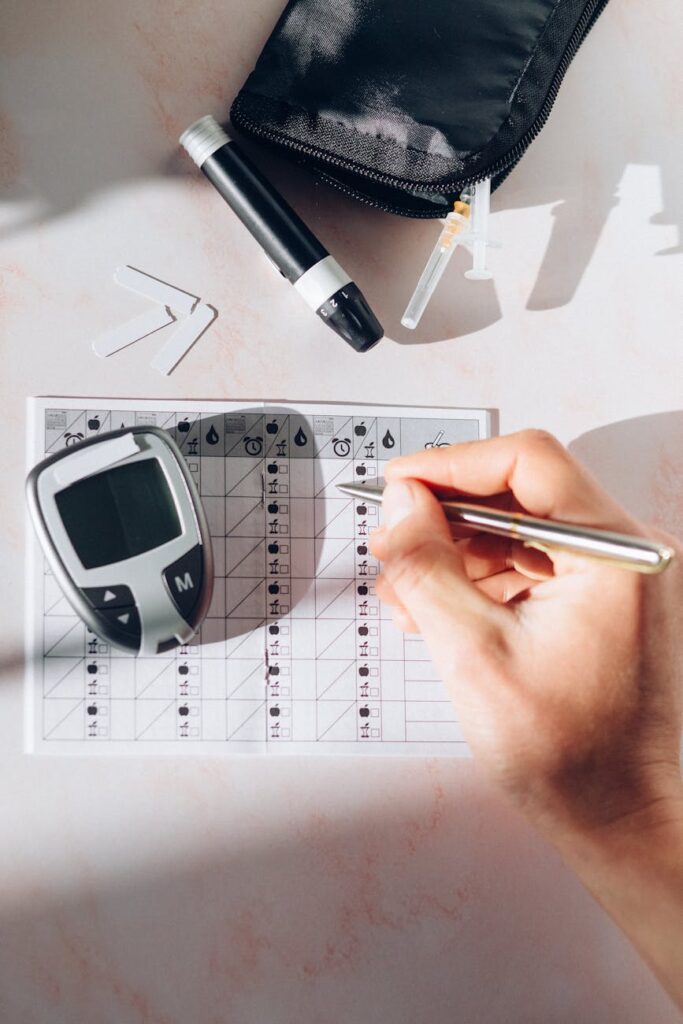
- Bring double: Always pack twice as much as you think you’ll need, including test strips, meters, lancets, continuous glucose monitors (CGMs), and sensors.
- Protect your tech: Invest in a resilient, padded bag for your diabetes devices. Consider updated accessories like travel laptops to help manage online refills or track health journals (best travel laptops for all budgets).
Insulin, Medication, and Storage
- Cool is key: Insulin must be kept cool but not frozen. Use insulated travel wallets, cooling cases, or portable fridges. If you’re exploring warm places or long trips, research temperature-resistant containers.
- Carry-on only: Always keep insulin, glucagon pens, and oral medications in your hand luggage—never check them in, as cargo holds can be too hot or cold.
- Airport security: Inform agents about your medications; provide the doctor’s note. TSA and most international security are familiar with diabetes supplies, but being proactive smooths the process.
Snacks, Drinks, and Hypo Supplies
- Emergency snacks: Pack fast-acting glucose (gel, tabs, juice boxes) and slow-release carbs like nuts or whole grain crackers. Flights, buses, and remote destinations may have unpredictable meal times.
- Hydration: Carry a refillable water bottle, especially in hot climates or on active travel days.
Navigating Meals Abroad: Tips for Healthy Eating with Diabetes
Dining out and tasting new cuisines are travel highlights, but they can create anxiety for diabetics. Here’s how to experience culture through food—without worrying about your blood sugar:
1. Research Local Food Culture
- Scan the menu: Look up popular dishes before your trip. Find meals that balance carbs, fiber, and protein, and learn about allergens or hidden sugars common in local cuisine.
- Self-catering options: If you’re staying in one place for a while, consider accommodations with a kitchen or kitchenette. Renting a villa with a pool or self-catering amenities (Bali private pool villas or Croatia villa stays) allows you to prepare some meals yourself.
2. Ordering at Restaurants
- Speak up: Don’t hesitate to ask about dish ingredients or request food modifications. “Can you serve sauce on the side?” or “Could I have whole grain bread?”
- Be portion wise: Restaurant portions can be large—don’t feel pressured to finish everything. Eat slowly, and listen to your body.
- Snack smart: Carry nutritious snacks for long tours (think high-fiber bars, nuts, seed packs). In cities like Barcelona, walking-packed sightseeing days—outlined in (Barcelona itineraries)—make healthy snacking a necessity.
3. Carb Counting on the Go
- Use apps: Download carb-counting or nutrition apps specific to your travel region; many feature local foods.
- Stay flexible: Sometimes carb calculations will be imprecise—monitor and adjust insulin or medication as you go, and always track new food reactions.
Blood Sugar Management on the Move
Whether you’re hiking the Fairy Glen on the Isle of Skye (guide here), navigating bustling European cities, or driving across Nicaragua (getting around Nicaragua), diabetes never takes a vacation.
Keeping Tabs on Your Glucose
- Check often: Travel disrupts usual patterns. Check your blood sugar more frequently during flights, bus rides, or walking tours, especially when crossing time zones.
- Monitor for symptoms: If you feel “off”—shaky, faint, thirsty, confused—always check. Stress, excitement, heat, and new foods can cause glucose swings.
- Adjust your regimen: Discuss with your doctor how to modify medication for long flights, skip times, or unusual physical activity.
Managing Time Zone Changes
- Plan ahead: Work with your healthcare team to create an hour-by-hour adjustment for medications, especially if your trip crosses multiple zones.
- Synchronize devices: Update the time settings on your glucose meter, insulin pump, and phone reminders as soon as you arrive.
Traveling Safely: Overcoming Common Diabetes Challenges
1. Airport Security and Diabetes Supplies
Security is a common worry. Here’s how to keep everything smooth:
- Arrive early: Allow extra time for screening.
- Declare supplies: Tell officers you’re carrying diabetic supplies. Show your doctor’s letter if asked.
- Be prepared for questions: Many countries permit insulin, needles, and other sharps, but they may be inspected. Keep all packaging and prescriptions handy.
2. International Destinations: Special Considerations
- Learn the local health system: Know how to get medical help if you need it.
- Travel insurance: Ensure policies cover pre-existing conditions and provide for emergency care related to diabetes.
- Backup plans: In areas with limited supplies, bring a list of diabetes-friendly resources and stock up before departure.
3. Long Travel Days and Unpredictability
Unforeseen delays are part of travel—here’s how to stay safe:
- Expect the unexpected: Delayed meals, lost luggage, or changed plans? Always have snacks, extra insulin, and backup supplies on hand.
- Stay visible: Consider a medical ID bracelet or card that lists your diabetes type, medications, and emergency contact information in the local language.
- Communicate needs clearly: Don’t feel shy about telling travel companions or guides that you may need to adjust plans for health reasons.
Traveling with Confidence: Emotional Wellbeing and Diabetes
Taking care of your mind is just as important as your body. Diabetes management can feel overwhelming, but travel is about possibility and connection—not just restriction.
The Importance of Emotional Support
- Share your plans: Keep loved ones updated on your itinerary and status. Feeling connected boosts confidence and reduces stress.
- Address relationship concerns: Traveling with a partner? Open communication about diabetes management—including topics like intimacy and stress—strengthens bonds and reduces anxieties. Resources like Sex and Diabetes: From Her Point of View offer unique insights for women with diabetes.
- Practice self-compassion: Some days, things won’t go perfectly—and that’s OK. Adjust, forgive yourself, and move forward.
Real-World Travel Inspiration: Diabetic-Friendly Destinations
Looking for your next adventure? Discover places that combine stunning sights with diabetic traveler-friendly resources:
- France: Explore with confidence—find the best car rentals for all budgets so you’re always in control of your schedule and food stops.
- Barcelona, Spain: Enjoy historic charm and accessible healthcare; see our favorite 2-day itinerary.
- Scotland: Hike jaw-dropping landscapes; check local guides to Isle of Skye’s Fairy Glen and Glenfinnan Viaduct.
- Nicaragua and Croatia: Both are welcoming for budget-friendly, independent travel—with a growing range of private villas and medical support (Croatia villas with pools).
Your Diabetes Travel Action Plan: Packing List & Pro Tips
Bring this checklist every time you travel:
Medications & Supplies:
- Prescription medications and supplies for entire trip (plus extra)
- Insulin and backup pens/pumps
- CGM sensors, test strips, lancets, batteries
- Doctor’s letter and copies of prescriptions
- Insulated bags/cool packs for insulin
Medical Essentials:
- Glucose tablets/fast-acting sugar
- Snacks for delays
- Medical ID bracelet or card
- List of emergency contacts
- Contact info for nearby clinics
Travel Readiness:
- Translating app or diabetes phrase cards
- Travel insurance documents
- Comfortable shoes and clothing for activity
- Refillable water bottle
- Technology for health tracking (laptop/tablet/phone)
Growing Confident: Why The Diabetic Travel Guide Is Your Essential Resource
As you plan your next adventure, remember: having diabetes should empower you to travel wisely, not limit your dreams. The keys are preparation, awareness, and community.
At The Diabetic Travel Guide, we’re dedicated to providing updated information, emotional support, and a library of tools that make healthy travel accessible to all. Our commitment goes beyond guides and checklists—we invite you to share your stories, ask questions, and become part of a global family of empowered diabetic travelers.
Ready to Travel Safely with Diabetes?
Start now: Browse our library for more diabetic travel tips, destination guides, and personal stories. Explore destination-specific packing list downloads, detailed airport security walkthroughs, and local food guides. Connect with fellow travelers, and never hesitate to ask questions—your journey inspires others!
Visit The Diabetic Travel Guide for everything you need to travel safely and confidently with diabetes.
Happy travels—and remember, the only thing diabetes can’t control is your sense of adventure!
FAQ
1. What should I consult my healthcare provider about?
It’s essential to discuss your travel plans, diabetes management, and adjustments needed for time zone changes or emergencies before traveling.
2. How can I prepare for meals abroad?
Research local food options, understand the cuisine, and consider self-catering accommodations to manage meals effectively.
3. How can I stay safe during airport security checks?
Declare your diabetes supplies and have your doctor’s letter ready for customs and security checks.
4. What are some tips for managing blood sugar while traveling?
Monitor your blood sugar frequently, pack emergency snacks, and adjust your medication routine according to your travel schedule.
5. Why is emotional support important when traveling with diabetes?
Sharing your plans and feelings with loved ones helps alleviate stress and keeps your support network involved in your health journey.