



Diabetes Travel Tips: How to Plan, Prep, and Explore Safely with Confidence
Estimated reading time: 8 minutes
- Preparation is key—double your supplies.
- Research medical resources at your destination.
- Stay connected with technology for health and navigation.
- Be flexible and adaptable to travel changes.
- Engage with the diabetes community for support.
Table of Contents
- Why Diabetes Travel Preparation Matters
- Smart Packing and Pre-Trip Planning for Diabetic Travelers
- Navigating International Destinations: Special Diabetes Considerations
- Addressing Personal and Emotional Well-Being on the Road
- Overcoming Common Diabetes Travel Challenges
- Destination Spotlight: Highlights for Diabetic Travelers
- Build Your Diabetes Travel Confidence: Top Takeaways
- Explore More: Your Journey Starts with The Diabetic Travel Guide
Why Diabetes Travel Preparation Matters
Travel is one of life’s great joys, but for people living with type 1 or type 2 diabetes, it comes with additional considerations. Between adjusting to new time zones, managing diet changes, packing medical supplies, and watching out for low or high blood sugar, travel can feel daunting.
But armed with the right diabetes travel tips, preparation, and a little know-how, you can embrace new places and experiences with confidence.
What Are the Common Diabetes Travel Challenges?
Before we get practical, let’s explore the shared concerns diabetic travelers face:
- Changing time zones: Disrupt routines for medications and meals.
- Meal planning and access to healthy food: Harder abroad or while sightseeing.
- Insulin and medication storage: Maintaining proper temperatures on the go.
- Airport security: Carrying supplies and avoiding hassle.
- Physical activity: Increased or unpredictable activity can trigger lows.
- Language barriers: Explaining medical needs abroad.
- Access to local healthcare: Emergency planning.
- Sexual health and relationships: New environments can cause stress or changes in routine.
Smart Packing and Pre-Trip Planning for Diabetic Travelers
Preparation is your safety net. Follow this checklist before you leave:
1. Build Your Comprehensive Diabetes Travel Kit
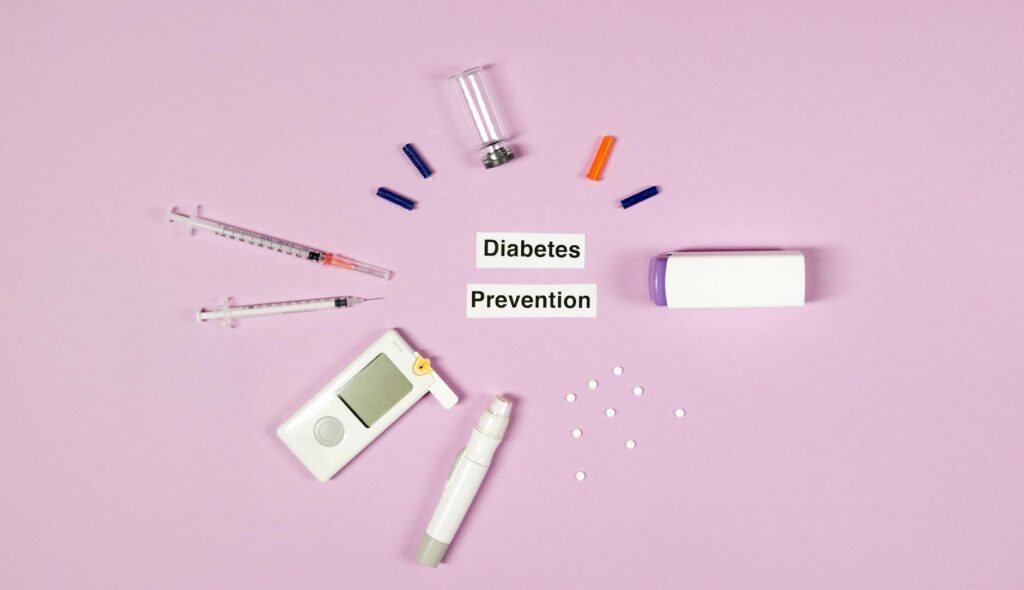
- Double your supplies: Bring more test strips, syringes, insulin pens, pump supplies, and medications than you think you’ll need.
- Storage: Use insulated pouches or cool packs for insulin/meds. Check local temperatures (warm or cold) and plan accordingly.
- Snacks for emergencies: Carry quick-acting glucose (like glucose tablets or juice boxes), protein bars, and snacks in your carry-on at all times.
- Prescription list: Have a doctor’s letter explaining your condition and medications—useful for airport security and customs.
- Medical identification: Always wear a diabetes alert bracelet or carry an ID card.
- Tech backup: Bring extra batteries and chargers for meters, insulin pumps, Continuous Glucose Monitors (CGMs), or travel-friendly monitoring devices.
2. Visit Your Healthcare Provider Pre-Trip
- Get a check-up: Discuss travel plans and get a doctor’s clearance—especially for long or complex trips.
- Prescriptions: Request extra refills, and ask for documentation in case of border checks or emergencies.
- Vaccines: Update necessary immunizations and verify which are required for your destinations.
- Emergency plan: Discuss how to handle illness or emergencies abroad, plus obtain local clinic recommendations.
3. Plan for Airport Security and Customs
- Carry supplies in original packaging with pharmacy labels.
- Declare diabetes devices and supplies up front:
- Most security officers are familiar with insulin pumps and CGMs but calmly explain their purpose.
- Insulin pumps and continuous monitors should NOT go through full-body scanners or x-rays; ask for a manual pat-down.
- Check airline policies: For example, liquid medications are permitted above standard limits when medically necessary.
- Prepare for delays: Airports can be unpredictable—bring extra snacks and hydration to avoid hypo/hyperglycemia.
4. Research Your Destination’s Medical Resources
- Know the local language for key phrases like “I have diabetes” or “I need sugar/insulin.”
- Identify hospitals, pharmacies, and local clinics near your hotel or accommodations.
- Learn about local food, customs, and time zone differences (critical for adjusting medication).
Navigating International Destinations: Special Diabetes Considerations
Whether you’re eager to explore the scenic streets of Barcelona, rent a car for a French countryside tour, or chase adventure through Scotland’s Fairy Glen—international travel adds extra diabetes planning layers.
Diabetes and Time Zones
- Adjust medication schedules: Crossing time zones can throw off insulin regimens. Speak with your healthcare provider to create a dosing plan that accounts for your travel itinerary.
- Set reminders: Use health apps or alarms on your phone or smartwatch.
Storing Medications and Insulin Safely
- Insulin must be kept between 36°F and 46°F (2°C to 8°C) while traveling. Invest in travel coolers or Frio packs.
- Hotel fridges: Always check the temperature or request a medical fridge if possible.
- Avoid freezing: Never place insulin directly on ice packs or in the freezer, as freezing will ruin it.
Meal Planning Abroad
- Research food options: Use tools like Google Translate or travel guides to learn about local dishes and carbohydrate content.
- Pack familiar snacks: Especially useful in areas where hypo treatments or standby carbs may be unavailable.
- Practice flexibility: If fresh fruit or balanced meals aren’t available, use packed snacks to stabilize your blood sugar.
Road-Tripping Safely (Car Rentals and More)
For destinations where driving is best—like a trip through France’s rolling vineyards—use rental services that accommodate medical needs:
- Car rental tip: Many larger car hire agencies allow you to request cold storage options or early boarding.
- Keep supplies within arm’s reach: Store hypo treatments and extra meds up front.
- Pull over safely: If you feel symptoms of low or high blood sugar, stop and treat them before continuing.
Tech for Travelers
Today’s travel is easier with technology. Reliable portable tech is a must for record-keeping, communication, and health monitoring while on the move.
- Travel laptops, power banks, and eSIM cards help you stay connected for medical apps, translation, and telehealth abroad.
Addressing Personal and Emotional Well-Being on the Road
Safe diabetes travel isn’t just about blood sugars and medication—it’s about your total well-being. The piece “Sex and Diabetes: From Her Point of View” highlights how daily routines and relationships can be affected on the road.
Managing Stress and Relationships
- Stay communicative: Let travel companions know about your diabetes care routines and what support you may need in case of highs or lows.
- Take breaks: Fatigue and stress can impact your blood sugar. Plan downtime for rest and recovery.
- Maintain intimacy and connection: Don’t let diabetes stop you from enjoying time with your partner. Plan private, relaxing evenings, and talk openly about how travel affects your needs.
Building Confidence for Solo and Group Travel
- Start small: If new to travel, begin with short trips to build confidence.
- Leverage international networks: Join diabetes traveler communities for support, destination tips, and advice.
- Self-advocacy: Practice explaining your needs assertively—most hospitality providers want to help if they understand your situation.
Overcoming Common Diabetes Travel Challenges
Let’s address some practical, scenario-based concerns:
1. Dealing with Unexpected Delays
- Carry extra doses: For both insulin and oral meds—unexpected travel delays do happen.
- Emergency snacks: Always have easily accessible carbs (glucose gel, candy, crackers).
2. Dining Out or Eating Unfamiliar Foods
- Smart dining choices: Look for whole grains, lean proteins, and vegetables.
- Estimate carbs: Use apps to estimate carb values of unfamiliar foods.
- Monitor more often: When eating new foods, check your blood sugar before and two hours after meals.
3. Handling Increased Physical Activity
- Sightseeing, hiking, or more walking than usual can lower blood sugar. Check your levels often.
- Adjust insulin/medication: If you’ll be much more active than usual, discuss adjustments with your provider.
- Hydrate: High activity and travel can lead to dehydration, affecting glucose control.
4. Language Barriers and Emergencies
- Download translation apps: Pre-load key phrases (“I have diabetes,” “I need sugar/insulin/police/hospital”).
- Carry a diabetes info card: In English and the local language; digital versions work, but keep a paper back-up.
Destination Spotlight: Highlights for Diabetic Travelers
We know travel isn’t one-size-fits-all. Here are practical destination-specific notes for diabetic travelers:
Barcelona
- Plan meals in advance: Spanish meal times can be later than you’re used to. Have snacks to prevent lows.
- Accessible pharmacies: Barcelona’s urban centers offer pharmacies open late or 24/7. Learn to recognize the green cross sign.
France (and Nationwide Car Rentals)
- Car accessibility: Car rentals improve access to supermarkets for picking up healthy snacks and storage options for meds.
- Supermarket tips: French supermarkets often stock fresh fruit, low-GI bread, and labeled gluten-free/diabetic food options.
Scotland (Fairy Glen, Glenfinnan Viaduct)
- Remote travel: Stock up on snacks, water, and supplies before heading into rural or scenic areas—medical help will be farther away.
- Active outings: Many Scottish attractions require substantial walking/hiking. Wear sturdy shoes, monitor your levels, and take scenic breaks.
Bali, Croatia, Nicaragua
- Private villas: Booking accommodations with a fridge or kitchenette makes meal planning and insulin storage easier.
- Research medical access: Some resort areas have English-speaking clinics; verify locations ahead.
- Local treats and cuisine: Stick with familiar foods while sampling local cuisine—enjoy but be mindful of portion and carb intake.
Build Your Diabetes Travel Confidence: Top Takeaways
Let’s recap essential diabetes travel tips:
- Preparation is key: Prep your medical kit, research your destination, and plan routines.
- Always carry identification and emergency supplies.
- Technology is your helper: Use travel-friendly devices for health, translation, and record-keeping.
- Stay flexible: Travel plans change—be ready to adapt without stress.
- Connect with your community: Online and in-person, there’s power in sharing experiences.
- Embrace life: Diabetes travels with you, but it doesn’t define or limit your sense of adventure.
Explore More: Your Journey Starts with The Diabetic Travel Guide
Whether you’re new to travel or a seasoned adventurer, The Diabetic Travel Guide is here for you. We offer trusted, up-to-date resources, destination guides, packing checklists, travel stories, and a community dedicated to empowering diabetic travelers and their loved ones.
Ready to plan your next journey?
- Browse our travel-planning tools and destination-specific diabetes tips.
- Download customizable diabetes travel checklists.
- Connect with other travelers who share your journey.
Visit The Diabetic Travel Guide for your next step toward confident, safe, and joyful travel!
Your adventure awaits—go boldly, and travel well.
FAQ
- How do I manage my diabetes when traveling internationally?
- What should I include in my diabetes travel kit?
- What are some tips for dining out while traveling?
- How can I find healthcare resources while traveling?
How do I manage my diabetes when traveling internationally?
Managing diabetes while traveling internationally involves careful planning, including adjusting medication schedules, keeping necessary supplies on hand, and knowing how to access medical assistance in case of emergencies.
What should I include in my diabetes travel kit?
Your diabetes travel kit should include insulin, test strips, glucose meters, snacks, prescription medications, and a doctor’s letter detailing your condition and needs.
What are some tips for dining out while traveling?
When dining out, choose dishes with lean proteins, vegetables, and whole grains. Use apps to estimate carbohydrate content, and monitor blood sugar levels before and after meals.
How can I find healthcare resources while traveling?
Research local healthcare facilities prior to your trip, learn key phrases in the local language, and consider carrying a diabetes information card in English and the local language.