



Safe Travel with Diabetes: Practical Tips for Confident Adventures and Healthy Journeys
Estimated reading time: 7 minutes
Key Takeaways:
- Thorough planning ensures safe travels while managing diabetes.
- Monitor blood glucose levels frequently to maintain stability.
- Carry essential diabetes supplies, including an emergency kit.
- Stay informed about local medical resources in your travel destination.
- Maintain open communication about your diabetes needs with travel companions.
Table of Contents:
- Why Safe Travel with Diabetes Matters
- Smart Planning for Diabetes-Friendly Travels
- Diabetes Management on the Move
- Navigating Common Travel Hurdles for Diabetics
- International Destinations and Diabetes – Special Tips
- Emotional Wellbeing, Relationships & Diabetes on the Road
- Practical Travel Tips for Every Diabetic Traveler
- Confidence, Preparation, and a World of Adventure Await
- FAQ
Why Safe Travel with Diabetes Matters
Managing diabetes doesn’t mean limiting your dreams or your passport stamps. In fact, thoughtful preparation can help prevent complications and let you savor your journey with as little stress as possible. At The Diabetic Travel Guide, we believe travel and diabetes management can coexist—beautifully and confidently.
Safe travel with diabetes starts well before your trip: it’s about making informed choices, managing blood sugar with changing time zones, knowing how to handle medication on the road, planning meals, and tackling unexpected challenges head-on.
Whether you live with type 1 or type 2 diabetes, or you’re a caregiver or a health-conscious traveler, these strategies are designed for all who want to explore the world without letting diabetes take the wheel.
Smart Planning for Diabetes-Friendly Travels
Traveling with diabetes requires a little more planning but the payoff is immense—fewer worries and more freedom. Here’s how you can set yourself up for a smooth trip:
1. Organize Your Diabetes Essentials
Before you leave:
- Pack double the amount of medication, test strips, insulin, and supplies you’d normally use for the time you’re away.
- Store medication safely: If you use insulin, invest in cooling pouches or portable fridges, especially on long flights or trips to hot climates.
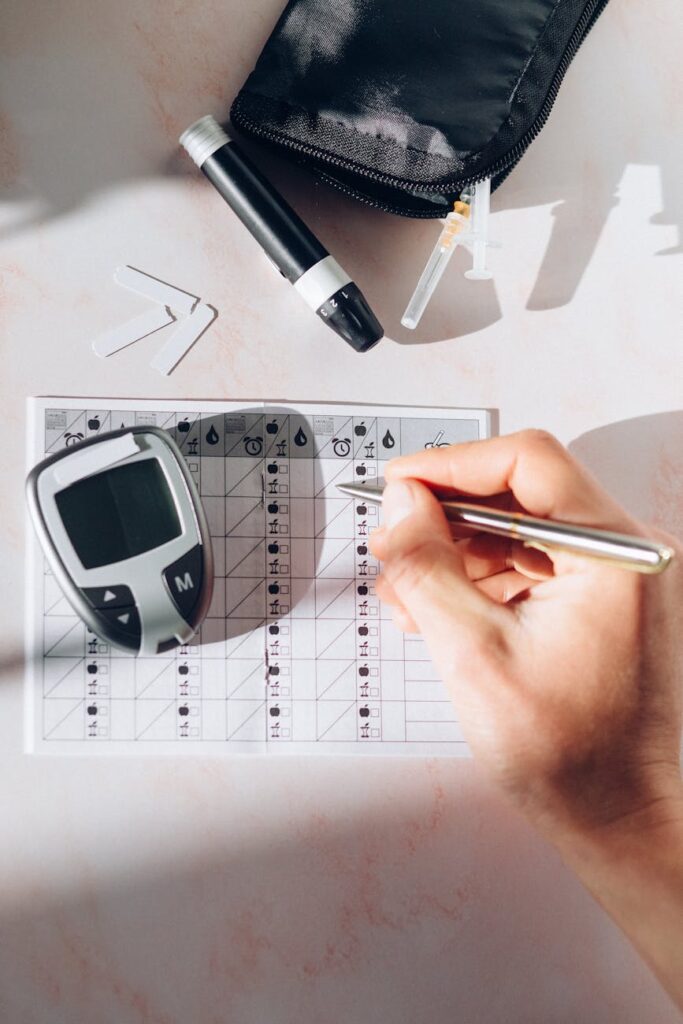
- Create an emergency kit: Include hypo treatment (glucose tablets or gels), snacks, glucagon, extra batteries for your glucose meter, and a copy of your prescriptions.
- Carry medical identification: A diabetes alert bracelet or card can speak for you in emergencies.
Pro tip: Always store medication and supplies in your carry-on bag—never in checked luggage—to prevent loss or extreme temperature exposure.
2. Get Your Travel Documents in Order
For safe travel with diabetes:
- Doctor’s letter: Request a letter stating your need for diabetes medications, needles, pumps, or continuous glucose monitors (CGMs).
- Prescriptions: Bring a list of all your medications, including generic names, in case you need a refill abroad.
- Travel insurance: Choose a plan covering pre-existing conditions, emergencies, and potential medical evacuation if needed.
Diabetes Management on the Move
No two travel days look the same, but with a flexible diabetes management strategy, you can keep your blood sugar steady and enjoy your adventures:
1. Monitor Your Blood Glucose—More Frequently
Travel brings changes in routines, meals, sleep, physical activity, and time zones, all of which can affect blood sugar. To stay safe:
- Monitor more often: Check your blood sugar before, during, and after travel days to catch patterns early.
- Adjust medications as needed: Work with your healthcare team before your trip—especially if you’re crossing time zones—to tailor your insulin or medication schedule.
- Stay alert for symptoms: New climates, foods, or physical demands can lead to both highs and lows. Don’t ignore signs—test, treat, and rest if needed.
2. Meal Planning and Smart Snacking
Foreign menus, new cuisines, and varying meal times can make carb counting and meal planning challenging. To stay prepared:
- Pack portable snacks: Non-perishable options like nuts, low-carb protein bars, jerky, and crackers help prevent hypoglycemia (low blood sugar) on the go.
- Research local cuisine: If you’re headed to Barcelona, Scotland, or Bali, look up traditional dishes and typical ingredients to help you make informed choices.
- Don’t skip meals: Plan ahead for long travel days, and always have quick-acting carbs to treat lows.
3. Stay Hydrated and Move Often
Dehydration and inactivity can spike blood sugar, especially on long flights or drives.
- Drink plenty of water: Carry a refillable bottle and avoid sugary drinks.
- Stretch and walk: On planes, get up regularly; on road trips, take movement breaks every 1-2 hours.
- Watch for swelling: Especially in the feet and legs—compression socks can help.
Navigating Common Travel Hurdles for Diabetics
No two countries—or airlines—are the same. Here’s how to take on typical travel challenges:
1. Getting Through Airport Security
Worried about diabetes supplies and airport security? You’re not alone. Here’s what helps:
- Arrive early: Give yourself extra time at the airport.
- Keep medications labeled: Original packaging helps security staff identify medical items.
- Inform officers: Let security know you have diabetes supplies (insulin, pumps, CGMs).
- Ask for hand inspections: If you’re concerned about x-ray or metal detectors, politely request a manual inspection.
2. Driving and Car Rentals Abroad
Planning a scenic French road trip or a drive in Croatia? Keep these tips in mind:
- Test before you drive: Always check your blood sugar before getting behind the wheel and at regular intervals on longer drives.
- Keep snacks and water in your vehicle: at all times.
- Know the local emergency numbers: and be aware of the nearest hospitals or clinics along your route.
For details on car hire and local regulations, check out this handy guide to the best car rentals in France.
3. Crossing Time Zones
Changing time zones affects medication schedules and biological rhythms. Here’s how to adjust:
- Plan ahead: Work with your healthcare provider to adjust insulin/medication timing.
- Set reminders: Use your phone’s alarm or a travel-friendly app to avoid missing doses.
- Eat regular meals: Aim for consistent carb intake at ‘local’ meal times to prevent swings.
4. Device and Tech Tips for Travelers
Whether you rely on glucose meters, insulin pumps, or use diabetes management apps, tech can be your ally on the road.
- Pack a backup: Bring spare batteries, charging cables, and adapters for local plugs.
- Data is a travel essential: Choose a lightweight, reliable travel laptop or tablet if you need to track health data or communicate with your care team. (Explore this 2026 travel laptop buyer’s guide for options.)
- Store downloads offline: Keep digital copies of prescriptions, travel insurance, and doctor’s letters.
International Destinations and Diabetes – Special Tips
1. Embracing European Adventures
Traveling in Europe is exhilarating but not without unique considerations:
- France: Pharmacy staff are usually knowledgeable and helpful—bring your prescriptions in French if possible.
- Barcelona & Spain: Many Spanish restaurants will modify dishes for dietary needs. Mediterranean cuisine offers plenty of fresh, diabetes-friendly options. See this detailed Barcelona itinerary for meal ideas and sightseeing.
- Scotland: The picturesque outdoors—from the Fairy Glen to the Glenfinnan Viaduct—offers ample opportunities for beautiful hikes. Balance physical activity with frequent blood sugar checks and carry fast-acting carbs on every walk. For must-see stops, explore this Scotland travel guide.
2. Choosing Accommodations and Relaxing Safely
- Private villas with pools—like those in Bali or Croatia—let you control your routine, store food, and rest when needed. If booking a villa, confirm access to a fridge, and proximity to pharmacies or clinics. Discover top picks with these guides: Croatia villas with pools and Bali private pool villas.
3. Communicating Across Borders
- Learn key health phrases: “I have diabetes”; “I need sugar/juice”; “Where is the nearest pharmacy/hospital?”
- Use translation apps: Download offline language packs for emergencies.
- Carry written notes: Have your medication list and needs in both English and the local language.
Emotional Wellbeing, Relationships & Diabetes on the Road
Travel impacts not just your body but your emotions and relationships—particularly for women managing both diabetes and new life experiences. Insights from Sex and Diabetes: From Her Point of View reveal the importance of open conversations with your partner, self-understanding, and friendly support.
- Be honest with your travel companion(s): Share your concerns, needs, and how they can help during a high or low.
- Prioritize self-care: Take downtime when needed.
- Connect with community: Support networks like The Diabetic Travel Guide and online groups can offer reassurance and real stories from travelers who “get it.”
Practical Travel Tips for Every Diabetic Traveler
Let’s wrap up with a checklist of easy, actionable steps:
- Check your destination’s medical care ahead of time: Know the location of the nearest hospital, urgent care, or pharmacy.
- Set up a travel medical appointment: Discuss your itinerary, order extra supplies, and fine-tune your management plan.
- Break up long flights/cars rides: Even—especially—if you feel fine.
- Avoid unsafe foods or water: Be selective with street food, ice, and raw produce in places with uncertain water quality.
- Pack a medical ID and translation notes: and use them.
- Have backup money & power: Carry extra cash, cards, and a battery bank for your devices.
- Document your journey: For inspiration (and accountability!), log your meals, exercise, symptoms, and happy moments.
Confidence, Preparation, and a World of Adventure Await
Safe travel with diabetes is all about knowing your needs, planning ahead, and cultivating confidence that you can handle the unknown. With every trip, you’ll gain knowledge, joy, and the freedom to live fully—wherever you roam.
At The Diabetic Travel Guide, we’re here for you every step of the way—with trusted resources, practical travel tips, real experiences, and a welcoming community. Ready to plan your next adventure? Visit The Diabetic Travel Guide for destination guides, packing checklists, health resources, and inspirational journeys from diabetic travelers around the globe.
Your next safe, empowered, and unforgettable journey starts here.
FAQ
Q: What should I pack for traveling with diabetes?
A: Pack double your medication and supplies, an emergency kit, and medical identification.
A: Pack double your medication and supplies, an emergency kit, and medical identification.
Q: How can I maintain my blood sugar while traveling?
A: Monitor your blood glucose frequently, pack safe snacks, and plan meals ahead of time.
A: Monitor your blood glucose frequently, pack safe snacks, and plan meals ahead of time.
Q: What if I need medical assistance while abroad?
A: Know the local emergency numbers and the location of nearby hospitals and pharmacies.
A: Know the local emergency numbers and the location of nearby hospitals and pharmacies.
Q: Can I travel internationally with my diabetes supplies?
A: Yes, but ensure you carry a doctor’s letter and keep your supplies in original packaging.
A: Yes, but ensure you carry a doctor’s letter and keep your supplies in original packaging.
Q: How do I handle time zone differences?
A: Work with your healthcare provider to adjust medication timing and set reminders for doses.
A: Work with your healthcare provider to adjust medication timing and set reminders for doses.