



Diabetes Travel Safety: Practical Tips for Confident and Healthy Adventures
Estimated reading time: 8 minutes
- Preparation is key to successful diabetes management while traveling.
- Understand how travel can affect your blood sugar levels.
- Plan meals and communicate dietary needs effectively.
- Stay informed about airport and transport regulations for medical supplies.
- Use technology and apps to manage diabetes on the go.
Table of contents
- Preparation: The Cornerstone of Diabetes Travel Safety
- Understanding How Travel Affects Blood Sugar
- Navigating Meals and Local Cuisines—Without Stress
- Transport Confidential: Diabetes at Airports, in Cars, and on the Road
- Staying Safe in International Destinations
- Emotional Well-Being, Sex, and Relationships on the Road
- Embracing Technology: Travel Gadgets for Diabetics
- Overcoming Common Travel Challenges for People with Diabetes
- Seven Quick Tips for Instant Diabetes Travel Safety
- The Diabetic Travel Guide: Your Trusted Companion
Preparation: The Cornerstone of Diabetes Travel Safety
Before even booking your flight or finalizing accommodations, thoughtful preparation will lay the groundwork for successful diabetes management while traveling. Preparation minimizes stress and increases your ability to respond calmly to the unexpected.
Talk to Your Healthcare Team
Schedule a pre-travel check-up well in advance. Discuss your destination, time zone changes, activity levels, and special conditions that may affect your diabetes self-management plan. Obtain:
- A detailed medical letter describing your diabetes, medications, and emergency instructions (in English and, if possible, the local language of your destination)
- Extra prescriptions for insulin and oral medications
- Written documentation for airport security regarding your supplies
Double-Check Packing Essentials
A well-stocked diabetes travel kit is non-negotiable. Include the following in your carry-on (never checked luggage):
- Enough blood glucose monitoring supplies (meter, strips, lancets) for the entire trip and some extras
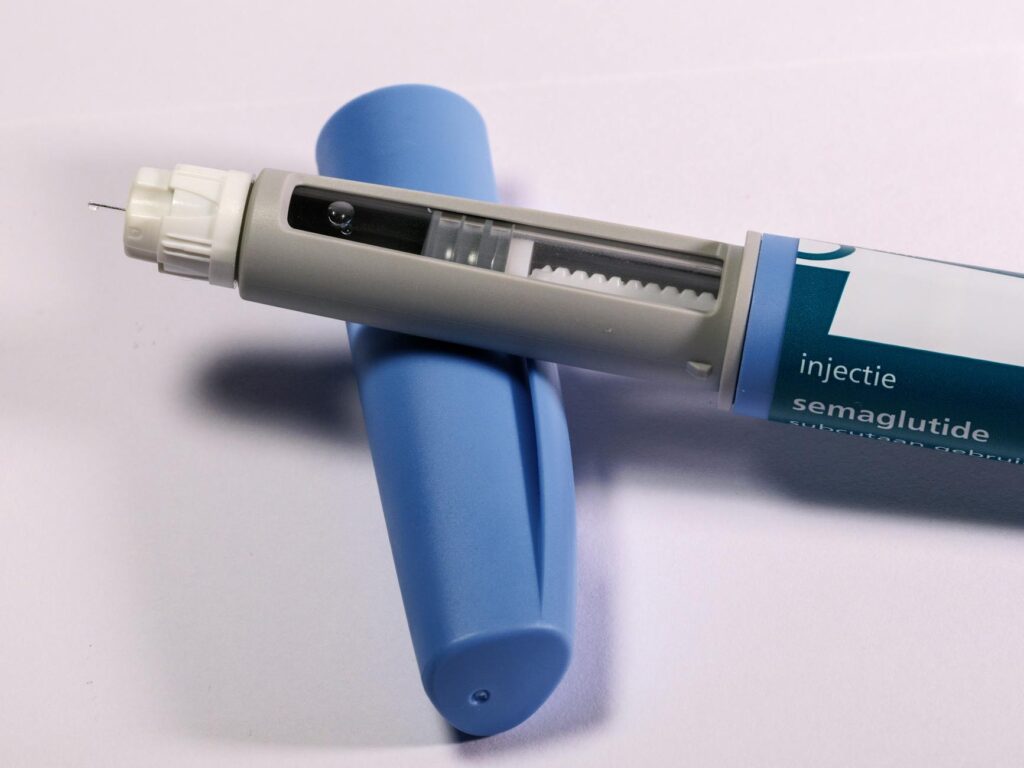
- Insulin pens, syringes, vials, insulin pump supplies, and backup pens
- Oral medications and glucagon emergency kit
- Fast-acting carbs (like glucose tabs), snacks, and protein-rich options
- Two or more cold packs for insulin (especially important in hot climates)
- Extra batteries/power bank for your devices
- Copy of prescriptions and your medical alert card
Being organized and proactive gives you an immediate sense of control and trust in your own preparedness.
Understanding How Travel Affects Blood Sugar
Travel, especially over long distances or multiple time zones, can impact your blood sugar due to new foods, increased or decreased activity, jet lag, and stress.
Time Zone Transitions
When crossing time zones, your regular medication schedule may need to adjust. For example, flying from the US to Europe advances the day, affecting basal insulin schedules. Discuss time change strategies with your healthcare team.
Changes in Activity Levels
Exploring the Fairy Glen on the Isle of Skye or walking city tours in Barcelona often means a spike in physical activity, which lowers blood sugar. Always carry quick-acting glucose and check your levels more often during physically active days.
Hot and Cold Weather
Medications and supplies are sensitive to temperature extremes. When visiting places like Bali’s sunny villas or Scotland’s cooler climates:
- Store insulin in a cool, insulated bag—ice packs or professionally designed cooling cases work best
- Don’t leave supplies in parked cars where temperature changes happen fast
- Use waterproof, dustproof bags in humid or rainy environments
Remind yourself: key to diabetes travel safety in any climate is safeguarding your medications and supplies.
Navigating Meals and Local Cuisines—Without Stress
Sampling a region’s culinary delights is one of travel’s greatest pleasures. With diabetes, this requires a little extra thought, but you don’t have to miss out.
Research and Planning
Look up menus or food customs in advance—whether at a seaside Croatian villa or Parisian bistro. For diabetes-friendly travel, check for food labels or portion sizes, and use smartphone apps to estimate carb counts.
Stick to Your Meal Schedule
Try to eat at regular intervals. Pack protein-rich snacks or nut bars for long car rides or when you’re out sightseeing in places like Barcelona, just in case healthy options aren’t available.
Communicating Your Needs
If language is a barrier, prepare translated cards that explain your diabetes and dietary needs (simple, clear phrases). In restaurants, don’t hesitate to ask about ingredients or request modifications.
Transport Confidential: Diabetes at Airports, in Cars, and on the Road
Being mindful of your needs throughout all phases of travel helps ensure you get where you’re going safely—and with less hassle.
Air Travel: Know Airport Security Rules
- TSA and most airport staff are trained to recognize diabetes devices and supplies, but always travel with your documentation.
- Place all insulin, testing supplies, pumps, and CGMs in your carry-on.
- Request hand-inspection if you’re concerned about X-ray impacts on CGMs or insulin.
Rental Cars & Road Travel
Exploring the French Riviera or Scottish highlands by car? Tips for diabetes-friendly car rentals and safe road trips:
- Choose reputable car rental companies. (See 10 Best Car Rentals in France in 2026 for ideas.)
- Pack a “car kit” with snacks, glucose tabs, water, and a cooling storage pouch for medications.
- During long drives, stop every 2-3 hours to stretch, check blood sugar, and prevent hypoglycemia.
- Know the location of nearby hospitals or clinics, especially in remote or rural destinations.
Buses, Trains, and Boats
Public and group travel often comes with set meal times and limited food choices. Carry portable, non-perishable snacks and speak to staff about any meal requests you may have.
Staying Safe in International Destinations
International travel brings the thrill of the new—different foods, customs, and sometimes unpredictable circumstances. Don’t let diabetes deter you!
Health Insurance and Emergency Resources
- Purchase travel insurance that covers pre-existing conditions and carries emergency medical evacuation.
- Identify the nearest hospitals, pharmacies, and diabetes clinics in your destination city.
- Have a plan for how to replace lost or damaged supplies (including contact information for embassies or major diabetes organizations).
Adapting to Local Environments
- Bottled or filtered water is best in many countries—packing water purification tablets is also wise.
- In hot climates, such as Bali or the Mediterranean, dehydration can quickly lead to blood sugar swings, so increase your water intake.
- In rural areas like Nicaragua’s less-developed tourist spots, plan how you’ll store medications safely—cooling cases are your ally.
Emotional Well-Being, Sex, and Relationships on the Road
Life on the road isn’t only about logistics. For many, travel brings couples closer or sparks new relationships. Resources like Sex and Diabetes: From Her Point of View discuss how open communication, mutual understanding, and preparation can ease anxieties about diabetes in intimate settings.
Practical travel tips for couples include:
- Ensuring you both know your emergency plan
- Sharing your health needs openly before stressful events (like customs or new hotel routines)
- Packing supplies discretely, so you always feel prepared and confident
Your well-being matters as much as your blood sugar numbers. Give yourself permission to experience joy and comfort, and let your travel partner know how to support you.
Embracing Technology: Travel Gadgets for Diabetics
Travel tech isn’t just about snapping photos of the Glenfinnan Viaduct or keeping up with work abroad. Having the right devices can make blood sugar management easier.
Reliable Travel Laptops and Digital Tools
If you’re working remotely or storing health records and translations, see the 12 Best Travel Laptops for traveler needs. Digital backup of your prescriptions, medication lists, and essential contacts helps ensure you’re prepared if physical documents get lost.
Diabetes Apps and Devices
Apps that track blood sugar, food intake, and activity help maintain routines even with time zone changes. Many CGMs and pumps now sync to smartphones, letting you monitor trends on the go.
Always travel with a universal adapter and backup charging sources, especially in places where power supply may be unpredictable.
Overcoming Common Travel Challenges for People with Diabetes
From unexpected delays to new cuisines, travel comes with its share of obstacles. Here’s how to overcome some of the most common:
1. Airport Delays or Missed Meals
Challenge: Stuck in transit with no food?
Solution: Keep both fast-acting sugar (like glucose tablets) and protein snacks in your personal bag. Look for airport vending machines or convenience stores, and don’t be shy about asking airline staff for extra water or snacks if you explain your needs.
2. Allergic Reactions or Illness
Challenge: New foods or environments trigger symptoms.
Solution: Carry a translated allergy/medical card. Make sure your travel insurance covers allergy and other medical emergencies. Know the emergency number for your destination country before arriving.
3. Lost, Stolen, or Damaged Supplies
Challenge: Supplies (like insulin) go missing or are spoiled by temperature.
Solution: Divide supplies between bags and traveling companions. Ask local pharmacies (European or large city pharmacies often have English-speaking staff) for emergency replacements.
4. Language Barriers
Challenge: Communicating your diabetes needs in a new language.
Solution: Use diabetes translation cards, downloadable from diabetes health organizations. Practice common phrases before you go.
5. New Relationships or Travel Partners
Challenge: Explaining your diabetes and building trust.
Solution: Be open about your needs and routines upfront—this builds confidence and strengthens relationships.
Seven Quick Tips for Instant Diabetes Travel Safety
- Wear your medical ID: Always, everywhere, especially alone or in nature spots like the Isle of Skye.
- Monitor often: New foods and time zones can cause surprises. Check your blood glucose more frequently.
- Snack smart: Carry both fast and slow-acting carbohydrate options at all times.
- Hydrate: Especially important in hot climates—always carry a refillable water bottle.
- Divide supplies: Store medications and snacks in multiple bags, not all in one place.
- Download critical info: Copies of prescriptions, insurance, and emergency numbers on your phone and in your bag.
- Relax: Preparation is powerful. Give yourself grace to enjoy your trip, knowing you’re ready for anything.
The Diabetic Travel Guide: Your Trusted Companion
Diabetes travel safety is about more than just medications—it’s about empowering you to see the world on your terms. At The Diabetic Travel Guide, our mission is to provide every person living with diabetes, as well as caregivers and health-conscious travelers, with trusted resources, in-depth guides, and supportive community insights.
Ready for more expert tips, destination guides, and customized diabetes travel advice? Explore our full range of resources at The Diabetic Travel Guide—and never let diabetes hold you back from your dreams.
Wherever you go, travel safely, confidently, and joyfully—because the world is yours to explore.