



Traveling with Diabetes: Smart Safety Strategies and Practical Planning Tips for Confident Diabetic Travelers
Estimated reading time: 7 minutes
- Empower your travels with essential diabetes management tips.
- Prepare a comprehensive travel checklist to avoid last-minute stress.
- Navigating airports and medication rules can be smooth with the right knowledge.
- Make informed food choices to keep your blood sugar stable while exploring.
- Overcome common travel challenges with proven strategies and proper planning.
Table of Contents
- Why Diabetes Travel Safety Tips Matter
- Preparing for the Journey: Packing and Planning Essentials
- Navigating Airports and Border Security with Diabetes
- Managing Blood Sugar on the Move
- Food, Meals, and Eating Well While Traveling
- Staying Active—And Safe—During Travel Adventures
- Overcoming Common Travel Challenges for Diabetic Travelers
- Special Considerations: Renting Cars, Staying in Villas, and Unique Destinations
- Building Travel Confidence: Support, Resources, and Next Steps
- Ready to Explore the World—Safely and Confidently?
- FAQ Section
Why Diabetes Travel Safety Tips Matter
The phrase “diabetes travel safety tips” isn’t just another set of rules—it’s the foundation for making any trip easier and more enjoyable. Many people with diabetes worry about things like blood sugar swings, medication storage, unfamiliar foods, and disrupted routines when they travel. But in truth, with simple steps and mindful preparation, you can prevent problems before they start.
As explained in a variety of travel resources and firsthand accounts—from practical car rentals in France to exploring Scotland’s most beautiful spots—safe, confident travel is possible for diabetics of all ages. Whether you’re traveling with a group, with your spouse (including making room for relationship needs, as discussed in Diabetes Health Type 1: Sex and Diabetes, From Her Point of View), or on your own, planning for diabetic needs helps reduce stress and improve your travel experience.
Preparing for the Journey: Packing and Planning Essentials
The Diabetic Travel Checklist
Preparation is the most empowering thing you can do to ensure diabetes doesn’t hold you back. Here’s what to include in your diabetic travel kit and pre-trip planning:
- Medical Identification: Wear a diabetes medical ID bracelet and carry a card that lists your diagnosis, medications, allergies, emergency contacts, and doctor’s information.
- Prescriptions & Documentation: Bring more medication and supplies than you think you’ll need (at least double). Pack copies of prescriptions, doctor’s letters (especially for insulin, syringes, or pumps), and pharmacy contact details.
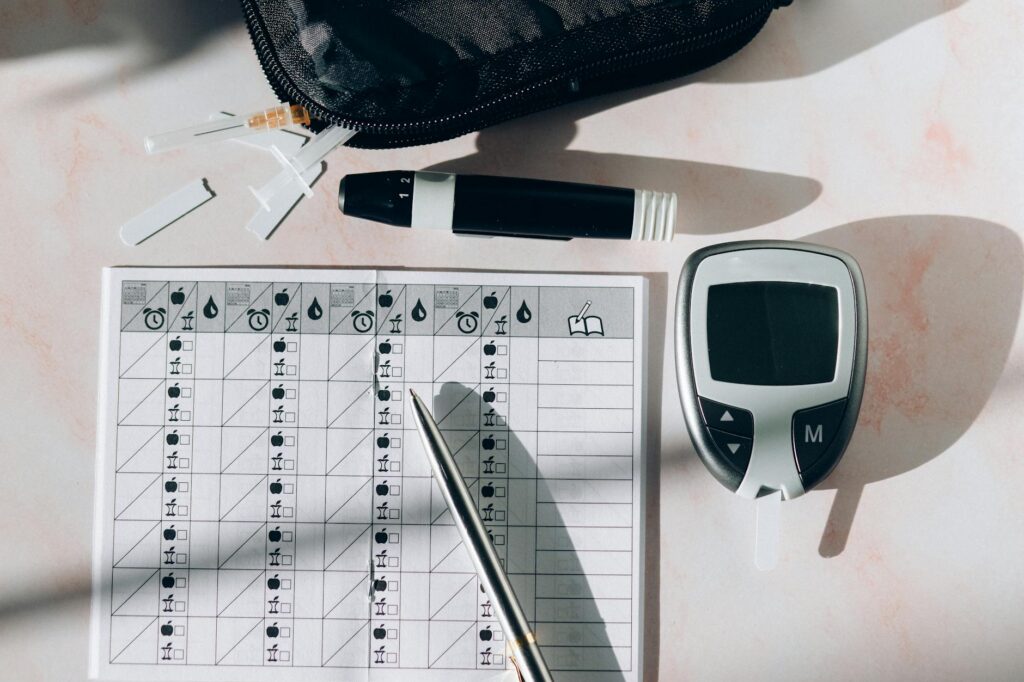
- Blood Sugar Supplies: Carry your glucometer, continuous glucose monitor (CGM) supplies, extra batteries, charging cables, a backup meter, and plenty of test strips.
- Medications & Snacks: Store insulin, oral medications, and glucagon pens in original packaging and keep long-acting and rapid-acting insulins clearly labeled. Don’t forget carbohydrate snacks for lows (fast-acting glucose tabs, fruit juice boxes, or hard candy).
- Temperature Control: Use gel packs, insulated pouches, or Frio bags to keep insulin at the right temperature during flights or on hot days.
- A Plan for Tech: If you rely on technology—like insulin pumps or CGMs—bring all compatible chargers, backup devices, and, if possible, a simple pen and paper system for manual tracking in case electronics fail (browse trusted travel laptops if you’ll need to manage data or telehealth calls abroad).
Pro tip: Use printable checklists from reliable resources such as The Diabetic Travel Guide to ensure nothing gets left behind.
Navigating Airports and Border Security with Diabetes
What to Know about International Travel and Medication Rules
Airport security processes can feel intimidating, but diabetic travelers have the right to bring needles, insulin, and other supplies through security. Here are some simple, actionable tips:
- Tell Security Early: Before your bag is scanned, inform agents of your diabetes and show your medical letter if needed.
- Organize Supplies: Keep medication and devices together in a clear, separate bag to speed up inspection.
- Ask for Hand Inspection: If you’re worried about X-ray machines (especially with insulin pumps or CGMs), you can request a hand inspection.
- International Rules: Research destination country rules in advance—some places require a doctor’s note or declaration of medication. For example, renting a car in France is easy, but you must always have your medication and documentation accessible in your car travel essentials bag (10 Best Car Rentals in France).
- Time Zones & Dosing: If you cross time zones, adjust your medication schedule before you go, especially if you use insulin. Apps or alarms can help.
Managing Blood Sugar on the Move
Staying in Control While Sightseeing
Travel disrupts regular routines, which can impact blood sugar. Factors like time zone changes, being more active than usual, or eating out can all make things jumpy. Here’s how to stay steady:
- Regular Checks: Test your blood sugar more often than usual, especially when you’re adjusting to a new activity level or cuisine.
- Plan for the Unexpected: Always pack snacks and glucose tabs in your day bag in case of lows while sightseeing (like following a packed 2-day itinerary in Barcelona).
- Know Local Food: When eating abroad, research typical meals in advance. If you’re unsure about carb counts or ingredients, ask local staff or use a carb-counting app on your travel laptop or phone.
- Stay Hydrated: Carry a refillable water bottle—dehydration can cause blood sugar spikes and is more likely when you’re moving around all day or in hotter climates.
Practical application: Before starting your day, map out where you can stop for snacks, meals, or quick blood sugar checks. When using rental cars in France or exploring Scotland’s remote gems (20 Best Places to Visit in Scotland), keeping your supplies accessible is key.
Food, Meals, and Eating Well While Traveling
Making Smart Food Choices Abroad
One of the biggest joys of travel is discovering new foods—but for travelers with diabetes, it requires attention and planning.
- Stick to Regular Meal Times: Try to keep to a similar eating schedule as home to manage blood sugar swings, but bring portable low-carb snacks for delays.
- Understand Local Cuisine: Research ahead of time—know which dishes are higher in carbs, and look up ingredient lists for traditional meals (e.g., paella in Barcelona, cheese plates in France).
- Grocery Shopping: When you can, buy local fruits, veggies, yogurts, nuts, and proteins to build diabetes-friendly meals. Many villas or rentals (like Croatia villas with a pool) have kitchens so you stay in control.
- Dining Out: Don’t be afraid to ask for substitutions or off-menu changes (swapping rice for extra greens, holding the bread, etc.).
- Carb Counting on Vacation: If you’re unsure, estimate on the higher side and check one to two hours after eating, making adjustments as needed for next time.
Tip: If you don’t read the local language, use translation apps or carry a small guide with common food terms to identify sugars and starches.
Staying Active—And Safe—During Travel Adventures
Fun Movement and Blood Sugar Balance
From walking tours to sightseeing, you’ll likely be more active than at home—which can lower your blood sugar unexpectedly.
- Always Carry Quick Carbs: Keep fast-absorbing carbohydrates within arm’s reach.
- Learn the Signs: Know your own symptoms of low blood sugar (shakiness, sweating, confusion) and educate your travel companions.
- Balance Activity and Meals: Eat a small carb-based snack before extended activity. For strenuous days, consider decreasing your usual insulin dose—but consult your diabetes care team before your trip to develop a plan.
- Remember Rest: Prioritize downtime, especially if you’re feeling jet-lagged or fatigued, and travel with a flexible schedule where possible.
Travelers’ favorite: Visiting scenic outdoor spots (like the Fairy Glen on the Isle of Skye) is the perfect way to enjoy movement while soaking in local beauty.
Overcoming Common Travel Challenges for Diabetic Travelers
Real Troubles, Proven Solutions
1. Unplanned Travel Delays or Cancellations:
- Solution: Always have extra supplies and snacks in your hand luggage, and never check crucial supplies in the hold. Consider travel insurance that includes medical coverage and replacement options for lost meds.
2. Lost, Stolen, or Spoiled Medication:
- Solution: Keep medications split between bags if possible, use medication tracking pouches, and carry a letter from your healthcare provider for local pharmacies or embassies in case of emergencies.
3. Hot or Cold Weather:
- Solution: Protect insulin from heat (over 86°F/30°C) and avoid freezing temperatures (below 36°F/2°C) by using insulated travel cases like Frio packs.
Example: Outdoor destinations in Scotland may warrant weatherproof storage (see Scotland experiences).
4. Changes in Sex, Relationships, and Personal Routines:
- Solution: As described in the firsthand experience linked above, open communication with partners about diabetes in daily life (including intimacy and travel stress) helps manage relationship concerns and supports emotional well-being.
5. Difficulty Communicating in Foreign Languages:
- Solution: Have a translation card explaining your diabetes, allergies, and medication in the local language. Use medical translation apps for emergencies.
6. Tech Failures Or No Wi-Fi:
- Solution: Bring printed copies of essential information and a basic paper log for blood sugar readings and insulin doses in case your phone or travel laptop runs out of battery (see best laptops for travel).
Special Considerations: Renting Cars, Staying in Villas, and Unique Destinations
Travel designers now cater more than ever to medical needs. Here’s how diabetics can thrive when booking unique travel:
Car Rentals: Always pack an “emergency kit” with backup meds, snacks, water, and a medical ID in your glove compartment, especially in countries like France where you might not reach a pharmacy quickly (Choosing the right French car rental for your needs).
Staying in Villas: Properties with kitchens (like Croatia or Bali villas with pools) let you prepare meals that fit your dietary goals and give you a calm home base to manage your health.
Island or Remote Travel: Review how to get around, nearest healthcare centers, pharmacy hours, and keep extra supplies. Use guides like Getting Around Nicaragua to plan smart.
Building Travel Confidence: Support, Resources, and Next Steps
Traveling with diabetes is about building confidence—knowing what you need, preparing well, and believing in your ability to handle new situations. At The Diabetic Travel Guide, we combine personal experiences with expert-curated resources to keep you informed, prepared, and inspired.
Why Trust The Diabetic Travel Guide?
We’re founded by diabetic travelers, for diabetic travelers—blending medical best practices, real travel stories, and a supportive voice into every blog, checklist, and resource we offer. We cover topics from blood sugar basics to advanced tips, new tech, family travel, and even navigating relationships and intimacy.
Practical Steps You Can Take Today
- Download our free Diabetes Travel Packing Checklist and Trip Planner.
- Read detailed, destination-by-destination tips (including food, transport, and activity ideas tailored for diabetics).
- Join our community for personalized support, travel stories, and the latest diabetes-friendly travel products.
Ready to Explore the World—Safely and Confidently?
Diabetes doesn’t define your travels—it prepares you to become the world’s most resourceful, resilient explorer! With good planning, awareness, and community support, every journey is possible. Start your next adventure by visiting The Diabetic Travel Guide, browsing our actionable resources, and connecting with fellow travelers. You deserve to travel safely and confidently—wherever your heart wants to go.
Call to Action:
Empower your travels today. Visit The Diabetic Travel Guide for more exclusive tips, free planning resources, destination guides, and real stories from diabetic travelers worldwide. Subscribe to our newsletter and take the stress out of travel—so you can focus on making memories, not managing worries!
FAQ Section
Q1: How can I manage blood sugar while traveling?
A1: Regularly check your blood sugar, plan for unexpected lows, and stay hydrated to maintain blood sugar balance during your travels.
Q2: What should I pack for my diabetes management while traveling?
A2: Pack extra medications, medical ID, blood sugar monitoring supplies, snacks, and a diabetes travel checklist to ensure you have everything you need.
Q3: Are there specific airport procedures for diabetic travelers?
A3: Yes, always inform airport security about your diabetes, organize your supplies for easy inspection, and research international medication rules before traveling.