



Diabetes Travel Safety: Your Expert Guide to Confident, Healthy Adventures with Diabetes
Estimated reading time: 8 minutes
- Effective planning can help diabetics travel safely and confidently.
- Blood sugar management is crucial during travel; monitor often and adjust accordingly.
- Storing medications properly and carrying documentation will ease your travel experience.
- Know how to navigate airport security and transport options with diabetes supplies.
- Maintain open communication with travel partners regarding your diabetes needs.
Table of Contents
- Understanding Diabetes Travel Challenges
- Blood Sugar Management on the Move
- Handling Medication and Equipment: Safe Storage and Travel Tips
- Navigating Airport Security and Transportation
- Destination Planning: Food, Fun, and Feeling Good
- Staying Healthy and Safe in New Environments
- Relationships, Intimacy, and Diabetes: Considerations for Traveling Couples
- Mental Health, Confidence, and Embracing Adventure
- The Diabetic Travel Guide’s Top Ten Practical Travel Tips for Diabetic Travelers
- Take the First Step: Explore More with The Diabetic Travel Guide
Understanding Diabetes Travel Challenges
Travelling with diabetes isn’t just about remembering your medication or packing your glucometer. It involves proactive planning on every level—your health, meals, documentation, medication storage, and even how to deal with unexpected issues. Our team at The Diabetic Travel Guide is here to help—think of us as your on-the-go diabetes best friend!
Let’s address some of the most common travel-related challenges diabetics face:
- Different meal times, cuisines, and access to diabetes-friendly foods
- Dealing with transportation schedules and long gaps between meals
- Maintaining medication at safe temperatures
- Handling time zone changes and disrupted routines
- Airport security and travelling with syringes, pumps, or CGMs
- Accessing medical care abroad and knowing emergency plans
- Communicating your needs—especially when language barriers arise
These hurdles are manageable with the right approach, planning, and mindset. Let’s break down the essentials.
Blood Sugar Management on the Move
Managing blood sugar while traveling can feel overwhelming, but it’s completely doable. From long flights to road trips, the key is preparation and being flexible when things don’t go exactly as planned.
Top Tips for Blood Sugar Control:
- Keep Snacks Handy: Always pack fast-acting carbohydrates (like glucose tablets or juice boxes) and longer-lasting snacks (nuts, granola bars) in your hand luggage.
- Monitor More Often: Changes in routine, time zones, or physical activity can throw off your typical blood glucose patterns. Check more frequently, especially the first few days of your trip.
- Adjust for Time Zones: If you take insulin or medications at set times, talk to your diabetes healthcare provider before your trip to develop a plan for adjusting doses across time zones.
- Hydrate, Hydrate, Hydrate: Flying or different climates can dehydrate you more quickly. Carry sugar-free hydration options and drink water regularly.
- Physical Activity: Exploring Barcelona, hiking the Fairy Glen in Scotland, or swimming at a Croatian villa all affect your blood sugar. When you’re more active, check levels often and carry plenty of supplies.
Pro Tip from The Diabetic Travel Guide: Use a travel journal or diabetes app to track your readings, meals, and activities. This information is helpful in spotting patterns and making real-time adjustments.
Handling Medication and Equipment: Safe Storage and Travel Tips
Keeping insulin, oral medications, and diabetes devices safe is a top priority for travel. Your medication is essential, so treat it like your passport—never let it out of your sight!
Essentials for Safe Medication Travel:
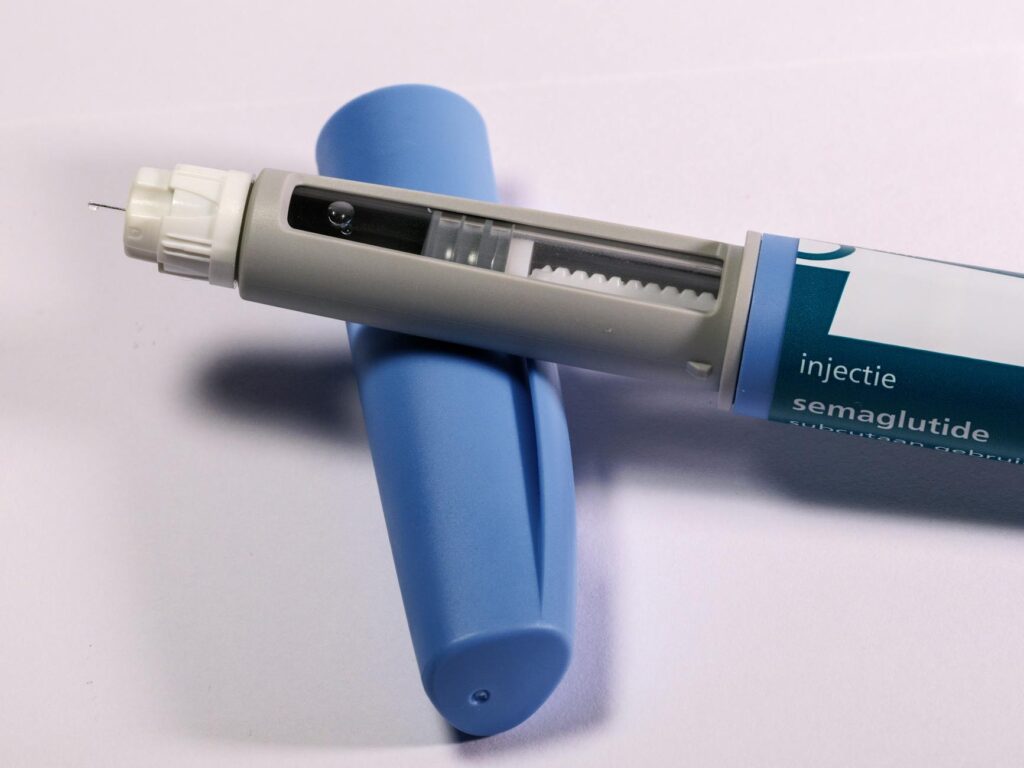
- Carry-On is Non-Negotiable: Always keep ALL diabetes supplies (insulin, CGMs, test strips, needles, pens, oral meds) in your carry-on. Checked baggage can be lost or delayed, plus cargo holds may become extremely hot or cold.
- Bring Extra: Pack at least double what you think you’ll need—for everything. This includes medication, strips, and batteries for pumps/meters.
- Organize with a Medication List: Prepare a printed and digital list of your prescriptions, dosages, generic drug names, and doctor’s contact information.
- Store Properly: Use a travel-friendly cooler or insulated bag for insulin. Temperature-controlled pouches are ideal for warm-weather destinations like Bali.
- Letter from Your Doctor: A doctor’s note explaining your condition and the medical necessity of your supplies is a must-have for airport security and customs (especially with pumps/syringes).
Technology Tip: For digital-savvy travelers, the best travel laptops enable you to store copies of important medical documents and access your data anywhere.
Navigating Airport Security and Transportation
Traveling with diabetes means learning to confidently communicate and advocate for yourself, especially at airport security and in transit.
What You Need to Know at Airports:
- TSA and International Security: Bring all documentation—your doctor’s note, prescriptions, ID, and explain your equipment. Insulin pumps and CGMs can be worn through most metal detectors, but X-rays can damage them—ask for manual inspection if needed.
- Hypoglycemia Kits: Always label your supplies. If you need juice/gels for hypoglycemia, keep them visible and explain their necessity to security staff.
- Airport Layout: Know the location of pharmacies, medical centers, and food options at your departure and arrival airports.
On the Road and Rail:
- Rental Cars: When compared in France, car rentals offer flexibility—important for meal stops, temperature control for medication, and overall comfort.
- Public Transit: In countries like Nicaragua or popular European cities, research accessibility, route lengths, and nearby dining or pharmacy options before you go.
Destination Planning: Food, Fun, and Feeling Good
Exploring a new place is the best part of any travel! With diabetes, you just need a few more checks in place.
Meal Planning, Local Cuisine, and Dining Out
- Foreign Foods: Research local dishes and typical ingredients. For instance, in Barcelona, you’ll see carbs in paella, bread, or tapas. Opt for grilled seafood, salads, and veggie-heavy sides.
- Snacking: Always have your own, especially between sightseeing. Granola, nuts, and fruit work everywhere from the Glenfinnan Viaduct in Scotland to a private Bali villa.
- Allergies and Ingredient Lists: Ask restaurant staff or use translation cards to communicate dietary needs. Apps like Google Translate or diabetic-friendly translation cards are invaluable.
- Carb Counting On-the-Go: Educate yourself in advance on portion sizes and typical carb values of popular regional foods.
Activity and Excursions
- Physical Activity Fun: Walking tours, hikes, and swimming are great for blood sugar control, but always tell someone in your group about your diabetes and symptoms of high/low blood sugar—especially when remote (Isle of Skye’s Fairy Glen, anyone?).
- Rest Days: Allow downtime to check in with your body and relax—your health comes first.
Staying Healthy and Safe in New Environments
Each destination, from Croatia’s villa pools to bustling urban centers, brings unique joys and risks.
Key Self-Care Strategies:
- Sanitation and Wound Care: Keep first-aid supplies handy. Protect your feet, especially if you’re walking more than usual or swimming.
- Sun Protection: Medications can make you more sensitive to sun. Use strong SPF, wear hats, and hydrate, especially in tropical climates like Bali.
- Emergency Access: Learn how to contact local emergency services and where the nearest medical facilities are located.
Bonus Confidence Tip: Medical identification jewelry or a smartphone medical ID can be a lifesaver—literally—if you’re unable to communicate.
Relationships, Intimacy, and Diabetes: Considerations for Traveling Couples
Diabetes impacts all aspects of life, including relationships and intimacy. The candid insights from “Sex and Diabetes: From Her Point of View” remind us to have open conversations with our partners before and during travel. This is especially important when sharing new experiences in unfamiliar places:
- Communicate Needs: Talk to your travel partner about how you feel, your routines, and any support you might need—before you’re in a stressful or emergency situation.
- Plan for Privacy: If intimacy is part of your vacation, plan your medication timings, snacks, and blood sugar checks so you can relax and be present.
- Embrace the Unexpected Together: Traveling may require quick adjustments, but being informed and supportive builds stronger bonds.
Mental Health, Confidence, and Embracing Adventure
Travel can be overwhelming—add diabetes, and it’s natural to feel stressed. Remember, diabetes shouldn’t block you from exploring new cultures, tastes, and experiences.
Confidence-Building Habits:
- Plan, But Stay Flexible: The best trips have a plan—but also enough room for spontaneity.
- Celebrate Small Wins: Managed a meal out with perfect sugars? Navigated foreign pharmacies with ease? Celebrate these triumphs!
- Reach Out: Connect with locals or online diabetic communities (like readers of The Diabetic Travel Guide) for personal tips and support.
The Diabetic Travel Guide’s Top Ten Practical Travel Tips for Diabetic Travelers
- Pack More Than Enough: Always carry twice your usual medication and supplies.
- Get Documentation in Order: Doctor’s letters, prescriptions, digital and printed lists—keep copies everywhere.
- Store Smart: Use insulated bags for insulin and keep everything in your carry-on.
- Plan Your Meals: Research your destination for diabetes-friendly options and pack extra snacks.
- Check Blood Sugar Often: Especially during and after travel days, and whenever you feel “off.”
- Know Local Emergency Info: Where’s the nearest hospital or pharmacy? Learn key phrases in the local language.
- Travel Insurance: Make sure you’re covered abroad for diabetic emergencies.
- Stay Active Safely: Tell your travel companions about your diabetes and emergency steps.
- Prepare for Security: Know the rules, have your doctor’s note, and be ready to politely assert your needs at airports.
- Enjoy the Journey: Diabetes is part of you, but it’s not the whole story. Take photos, try something new, and let yourself have fun!
Take the First Step: Explore More with The Diabetic Travel Guide
Safe, confident, and adventurous travel is absolutely possible with diabetes—with the right preparation, the right knowledge, and the right support. The world is ready for you. For even more expert advice, destination-specific tips, caregiver resources, printable checklists, and real diabetic traveler stories, visit The Diabetic Travel Guide’s official website and join our newsletter community. We’re dedicated to helping you see the world—one safe, healthy trip at a time.
Ready to plan your next trip with confidence?
Start your journey with us—browse more articles, guides, and tools at The Diabetic Travel Guide.
Happy, healthy travels!