



Diabetes Travel Planning: How to Stay Safe, Healthy, and Confident on Every Journey
Estimated Reading Time: 6 minutes
Key Takeaways:
- Proper planning is essential for a smooth travel experience.
- Monitor blood sugar levels frequently while on the move.
- Carry extra supplies and medications to handle unexpected situations.
- Communicate dietary needs clearly when dining abroad.
- Prepare for potential challenges and have backup plans in place.
Table of Contents:
- Getting Ready: Diabetes Travel Preparation Essentials
- Blood Sugar Management on the Move
- Traveling with Medication & Supplies
- Navigating Airports, Security, and Transportation
- Meal Planning and Dining Tips for Diabetics Abroad
- Physical Health, Sexual Well-being, and Stress Management on the Road
- Overcoming the Top Challenges for Diabetic Travelers
- Your Next Steps & More Resources
Getting Ready: Diabetes Travel Preparation Essentials
Proper diabetes travel planning starts well before departure. Here’s how to set yourself up for a smooth, worry-free adventure:
- See Your Healthcare Team: Have a check-up several weeks before leaving. Review your diabetes management plan and ask for a travel letter describing your condition, medications, and supplies (especially important for international travel and border controls).
- Research Your Destination:
- Learn about the local cuisine, language, and how to say key phrases like “I have diabetes” or “sugar” in the local tongue.
- Find out where the nearest hospitals or pharmacies are to your accommodation.
- Check if you need to adjust your medication schedule for time zone changes.
- Insurance Counts: Always travel with comprehensive health insurance that covers pre-existing conditions and emergency situations. Double-check what’s covered.
- Pack Smart:
- Bring double (or even triple) the amount of insulin, test strips, and supplies you think you’ll need, split into separate bags in case one is lost.
- Keep medications and supplies in their original packaging with prescription labels.
- Bring a list of all your medications, conditions, and emergency contacts.
- Technology Is Your Friend: Consider a reliable travel laptop for managing your health apps, connecting with doctors, and keeping your travel itinerary updated (see 12 Best Travel Laptops).
Quick Tip: Print emergency info cards in both English and your destination’s primary language.
Blood Sugar Management on the Move
Keeping your blood sugar in range while jet-setting requires flexibility, awareness, and a bit of advance strategy.
- Monitor More Often: Travel can bring unexpected changes—diet, activity, even stress—all of which impact blood sugar. Check your levels more frequently, especially after long flights, changes in time zones, or unfamiliar foods.
- Manage Jet Lag and Time Zone Changes:
- If crossing time zones, work with your healthcare team beforehand to adjust your insulin or medication schedule safely.
- Set reminders on your phone or travel laptop to help with new routines.
- Stay Hydrated: Being active, exposed to sun, or on long flights can dehydrate you—sometimes making blood sugar swing unexpectedly. Carry a refillable water bottle and aim to drink regularly.
- Always Carry Fast-Acting Carbs: Never be caught without glucose tablets, hard candy, or juice boxes. Delays, missed meals, or extra exercise can lead to lows—so stash these in both your carry-on and checked luggage.
Traveling with Medication & Supplies
Medications and devices don’t always travel easily—temperature swings, airport rules, and baggage loss are a few realities diabetic travelers face. Here’s how to keep your essentials safe:
- Keep Insulin and Medicines at the Right Temperature:
- Use insulated medication cases or a small travel cooler, especially in hot climates like Bali or during layovers.
- Never pack medicine in checked baggage—cabin temperature is more stable, and you’ll always know where your supplies are.
- Diabetes Tech Considerations:
- Pack spare batteries, charging cables, and adapters (especially for international travel).
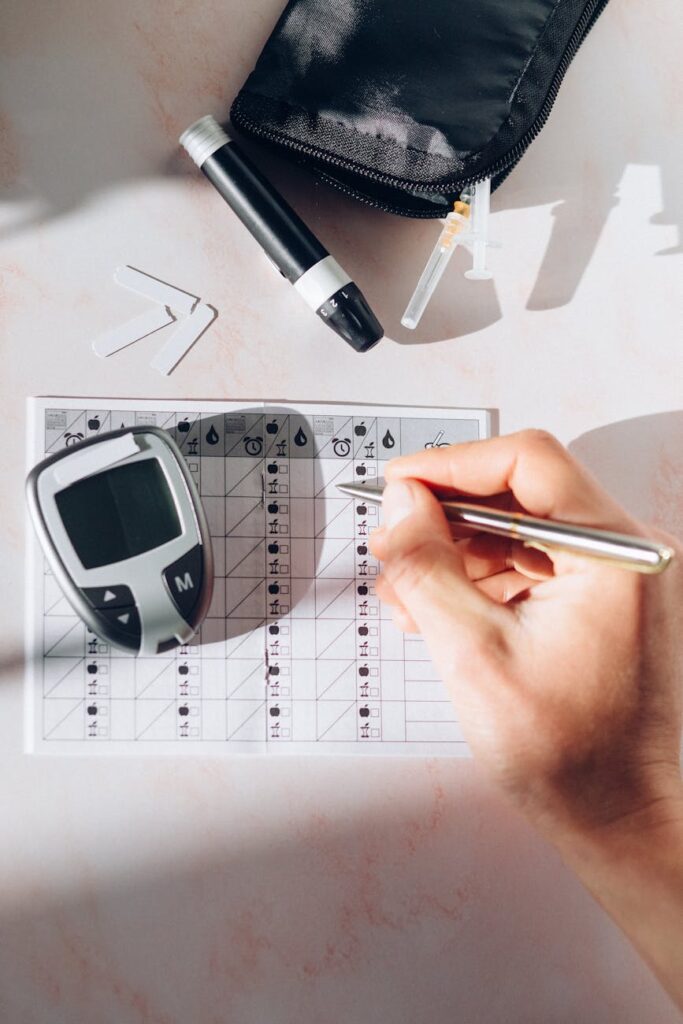
- Carry backups: traditional glucometer kits, insulin pens, paper logs—in case your continuous glucose monitor (CGM) or pump has issues.
- Backup Prescriptions: Have digital and paper prescriptions handy for emergencies or lost items. Many international pharmacies honor prescriptions with the correct documentation.
- Tip: If renting a car in France or elsewhere (see the best car rental tips here), store medications in a shaded, climate-controlled space; never in a hot glovebox.
Navigating Airports, Security, and Transportation
Airports and public transport add layers of complexity for diabetes travelers but with smart groundwork, you can sail through security.
- Security Screening:
- Inform TSA agents and security staff that you have diabetes and are carrying medical supplies, which are permitted through security.
- Place medications, liquids, and devices together for quick screening.
- Print and present your doctor’s note if needed.
- Staying Fed and Fueled:
- Pack snacks for long lines or delays.
- Buy healthy options when possible, but never rely solely on airport or in-flight meals—they can be unpredictable.
- Tips for Trains and Buses:
- If exploring places like Scotland or Nicaragua by public transport, keep a supply bag with your glucose supplies, snacks, and water easily accessible.
Meal Planning and Dining Tips for Diabetics Abroad
Foreign cuisines are part of travel’s fun, but for people with diabetes, curiosity needs balance.
- Prepare, But Stay Flexible:
- Read up on local foods ahead of time (for Barcelona, see this itinerary for eating and sightseeing tips).
- Learn carb values of popular dishes—apps or quick online searches help.
- Ask Questions: Don’t be shy: ask how foods are prepared, if sugar is added, or if substitutions are possible. Hospitality staff are used to dietary needs.
- Mind the Sauces and Breads:
- Hidden sugars and carbs lurk in sauces, condiments, breads, and rice.
- Choose grilled, baked, or steamed options and ask for dressings on the side.
- Cooking for Yourself: Booking a hotel with a kitchenette or staying in a villa (like those recommended in Croatia or Bali) lets you control meals and portions (see Croatia villas or Bali villa tips).
Physical Health, Sexual Well-being, and Stress Management on the Road
Travel isn’t just about blood sugar—it’s about all facets of health, including your emotional and sexual well-being.
- Physical Activity:
- Sightseeing and excursions count as extra exercise. Always carry supplies for treating lows and monitor blood sugar before and after new activities.
- Plan rest breaks—diabetes can make you more prone to fatigue, especially if you’re walking more than usual.
- Sexual Health and Relationships: Travel can ignite intimacy and bring new challenges. As the Diabetes Health article highlights, women especially may encounter changes in blood sugar, energy, or emotions that affect sexual well-being. Open communication with your partner and planning (like carrying supplies in the bedroom!) can help you enjoy intimacy while traveling.
- Managing Stress and Anxiety:
- Maintain routines for mindfulness, breathing, or meditation when you can.
- Accept that not everything will go according to plan—be kind to yourself, and have backup plans.
Overcoming the Top Challenges for Diabetic Travelers
No matter how well you plan, travel throws curveballs. Here are common challenges and practical solutions:
- 1. Missed Meals or Delays: Carry extra snacks and quick carbs. Opt for non-perishable options like granola bars, nut packs, or trail mix.
- 2. Lost or Damaged Supplies: Split your supplies between carry-on and another bag. Research pharmacies at your destination and know how to reach your doctor at home.
- 3. Language Barriers: Carry medical ID in the local language and use translation apps for communication. Flashcards with key phrases can be a literal lifesaver.
- 4. Unfamiliar Foods: Test your blood sugar before and after meals to learn how your body reacts. Don’t be afraid to leave food if you’re unsure—health comes first.
- 5. Unpredictable Schedules: Set reminders for meals and medication with your smartphone or travel laptop. Keep a small backup alarm (wristwatch, for example) in case devices fail.
- 6. Low Blood Sugar During Activities: Have supplies on hand before hikes or walks (like to Scotland’s Fairy Glen or the Glenfinnan Viaduct—see visitor tips here and here). Let companions know what to do in an emergency.
Final Words: Travel Far, Live Well—You’ve Got This
Preparation leads to freedom. With smart diabetes travel planning, you are not only prepared for the unexpected—you’re also empowered to embrace every joy travel brings. The world is waiting, and so are unforgettable adventures—from the romantic hills of France to Bali’s serene pools.
At The Diabetic Travel Guide, we believe that diabetes should never limit your dreams. Explore our library of destination guides, product reviews, and expert advice.
Ready to travel safely, confidently, and joyfully? Start exploring today and let us help you turn every trip into a safe, memorable adventure—one step, one snack, and one smile at a time.
Stay prepared. Stay safe. Live well—and happy travels!