



Traveling with Diabetes: Essential Safety Tips, Confident Planning & Inspiring Destinations for Health-Conscious Adventurers
Estimated reading time: 8 minutes
- Effective planning can make your travels enjoyable and safe.
- Understand how to manage blood sugar levels on the road.
- Know the essentials for air travel with diabetes.
- Explore diabetes-friendly destinations around the world.
- Overcome common travel challenges to enjoy peace of mind.
Table of Contents
- Why Safe, Confident Travel with Diabetes Is Within Your Reach
- Practical Diabetic Travel Prep: Planning Your Journey for Peace of Mind
- Savoring Local Flavors: Healthy Meal Planning for Diabetic Travelers
- Transportation & Getting Around: Safe, Flexible Options
- International Travel Considerations: Crossing Borders with Confidence
- Destinations That Welcome Diabetic Travelers
- Facing and Overcoming Common Travel Challenges for Diabetics
- Extra Comfort: Wellness-Focused Accommodations
- Empowering Yourself: Build Confidence & Create Lasting Memories
- Ready for Your Next Journey? Explore More with The Diabetic Travel Guide
Why Safe, Confident Travel with Diabetes Is Within Your Reach
Global travel can be exhilarating, but it also comes with unique challenges for those managing diabetes—including medication storage, meal planning, navigating unfamiliar foods, managing blood sugar fluctuations, dealing with time zone changes, and passing through airport security with medical supplies. These hurdles are real, but they are absolutely manageable with information and preparation.
The Diabetic Travel Guide reflects decades of real travel experiences and up-to-date research. As a trusted authority for diabetic travelers, we are committed to helping you thrive on the move—ensuring your health, safety, and confidence are always your constant travel companions.
Practical Diabetic Travel Prep: Planning Your Journey for Peace of Mind
Preparing for a trip when you have diabetes involves a bit more strategy, but the rewards are tremendous. Here’s how to transform common travel anxieties into well-handled plans so you can set off stress-free:
1. Medical Essentials: Checklist & Documentation
- Consult Your Physician: Before booking, have a travel checkup. Discuss your itinerary, obtain a doctor’s letter explaining your condition and prescriptions, update vaccinations, and request extra medication and supplies for your journey.
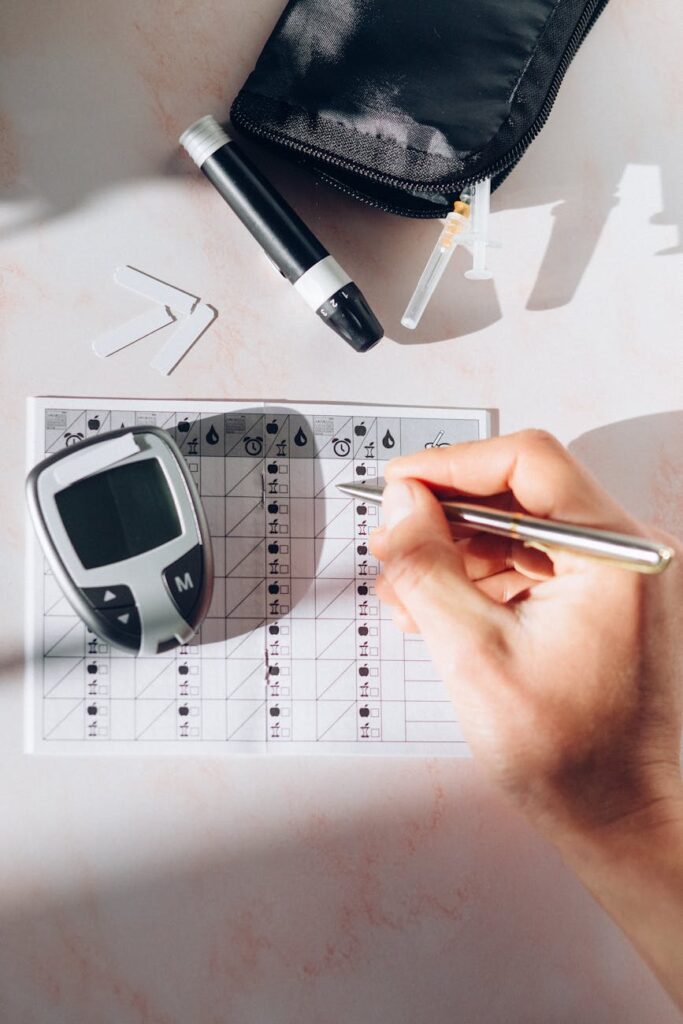
- Pack Smart: Build a “medication bag” that you keep with you at all times—never in checked luggage. Include:
- Wise supply of insulin, oral meds, pen needles, syringes, testing strips, continuous glucose monitor (CGM) supplies, backup batteries, and alcohol swabs
- Glucagon and emergency snacks (glucose tablets, juice boxes, nut bars)
- Clearly labeled prescriptions and your doctor’s letter (useful at airport security and border crossings)
- Documentation: Carry digital and paper copies of prescriptions, supply lists, and emergency contacts—plus translation cards in the language(s) of your destination.
2. Managing Blood Sugar on the Move
Travel often means late meals, new cuisines, more physical activity, and jet lag— all of which can impact your blood sugar. To stay steady:
- Stick to Your Schedule: Try to keep medication timings as consistent as possible, adjusting for time zones using your doctor’s input.
- Monitor More Frequently: Time changes, different foods, and spontaneous activity can mean surprises for your glucose numbers. Use a travel-ready glucose meter or CGM and check your levels often, especially on travel days and when trying new foods.
- Prepare for Emergencies: Always have fast-acting carbs on hand. Store them in easy-to-reach spots—your bag, coat pocket, even your passport wallet.
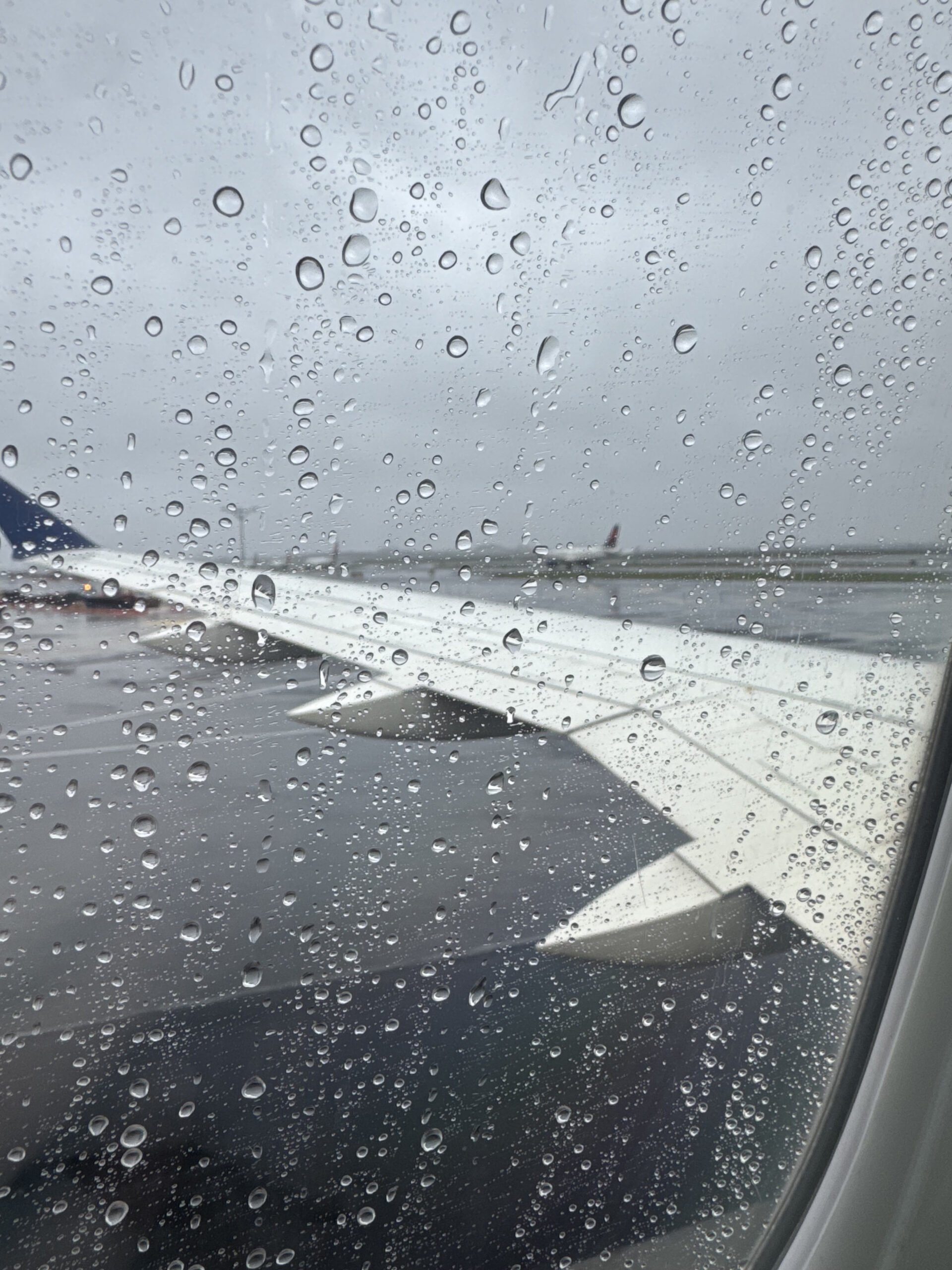
3. Airport Security & Medication Storage
Flying with diabetes can be smooth with a few savvy moves:
- TSA & Security: Inform TSA agents you have diabetes and are carrying medical devices or supplies. Show your prescriptions and doctor’s note. Insulin and other injectable meds are allowed in hand luggage (never in checked bags).
- Temperature Control: Insulin must not freeze or overheat. Insulated medication travel cases and cooling wallets keep your supplies at a safe temperature, even during long airport waits or scenic train rides.
- Device Safety: If you use a CGM or insulin pump, ask the security staff for a hand inspection rather than sending it through X-ray or full-body scanners, as electronic devices can sometimes be affected.
Savoring Local Flavors: Healthy Meal Planning for Diabetic Travelers
One of the joys of travel is culinary exploration! Diabetes doesn’t have to mean missing out—just a few adjustments can help keep your blood sugar steady:
- Research Local Cuisine: For example, Barcelona offers bountiful fresh seafood, vegetable dishes like escalivada, and low-carb options such as grilled meats and tapas. Know what’s available and plan ahead—restaurants are usually happy to accommodate dietary needs.
- Regular Snacks: Always keep a balanced snack handy. On day trips or long drives (like a scenic car rental journey through France), portable options like mixed nuts, cheese sticks, or sugar-free protein bars can bridge gaps between irregular meals.
- Smart Indulgence: Try new treats mindfully—sample small portions and monitor blood sugar to learn your body’s response in unfamiliar environments.
Transportation & Getting Around: Safe, Flexible Options
Your mode of getting around can shape your travel experience—and your diabetes management routine.
Renting Cars & Road Travel
- Rental Car Pros: Renting a car (such as in France, per this car rental guide 10 Best Car Rentals in France in 2026) gives you complete control of your schedule, lets you store snacks and supplies in the vehicle, and allows for spontaneous rest or meal stops.
- Preparation: Map out pharmacies, clinics, and supermarkets along your route. Use a cooler bag for meds and munchies, and always plan bathroom breaks to check your blood sugar.
Public Transport & Tours
- Bulk Up Your Day Pack: Keep at least one full set of diabetes supplies in your carry-on when using trains, tour buses, or boats.
- Identify Local Support: Research clinics, pharmacies, and local emergency numbers before you go.
Travel Tech: Staying Organized
Choosing the right travel tech is very useful for diabetics. According to 2026’s best travel laptop rankings, lightweight laptops or tablets help store medical documents, contact info, and even log your blood sugar readings—all while keeping you connected via telemedicine if needed.
International Travel Considerations: Crossing Borders with Confidence
Crossing cultures means adapting your diabetes management to new environments. Here’s how to stay empowered and worry-free:
- Language Barriers: Download translation apps or carry phrase cards for medical emergencies.
- Time Zones: When traveling east or west, adjust your medication schedule according to your healthcare provider’s plan—an hour shift can make a meaningful difference.
- Local Healthcare: Before traveling, research how to access local health services at your destination. The Diabetic Travel Guide’s community pages and curated country resources are great starting points.
- Food & Water Safety: Stick to bottled water if recommended, and be mindful of fresh fruits without peels or street foods in some countries.
Destinations That Welcome Diabetic Travelers
Your diabetes management is as individual as your travel style—but some destinations offer unique joys and easy accommodations:
Barcelona: Accessible, Healthy, Inspiring
Barcelona’s efficient public transport, abundance of supermarkets, and traveller-friendly restaurants make it a stress-free city for people with diabetes. Use this 2-day itinerary to maximize your visit—walkable neighborhoods, fresh Mediterranean cuisine, and plenty of shaded rest spots.
Scotland: Natural Beauty & Flexible Exploration
From the mystical Fairy Glen on the Isle of Skye to the cinematic Glenfinnan Viaduct, Scotland’s natural wonders are easy to enjoy by car, train, or group tour. Reference this transportation guide for the best routes and ways to plan your personal medical stops and meals.
France & Beyond: Beauty at Your Own Pace
Whether you’re enjoying a road trip through Provence or unwinding in a private villa in Croatia or Bali, flexibility is key. Self-catering accommodations let you control your meals, organize your medications in the fridge, and craft routines that feel like home away from home.
Facing and Overcoming Common Travel Challenges for Diabetics
- Travel Challenge #1: Medication & Supply Loss
- Solution: Split supplies into two bags. Use a belt pouch for basics, and leave a backup set in your hotel room safe.
- Travel Challenge #2: Different Foods & Blood Sugar Swings
- Solution: Log meals and responses in a travel journal or smartphone app. This builds confidence for future trips and supports your long-term management.
- Travel Challenge #3: Exhaustion & Routine Disruption
- Solution: Schedule downtime into every day. Be realistic about your energy levels and avoid jam-packed itineraries. Choose a mix of active and restful activities—many health-conscious travelers find that a short daily walk, gentle stretching, or meditation helps maintain balance on the road.
- Travel Challenge #4: Managing Intimate Relationships on the Go
- Solution: Open communication is key. As pointed out in Sex and Diabetes: From Her Point of View, understanding your unique needs and being honest with your partner fosters intimacy on your travels—especially in new settings where privacy and routines may be different.
- Travel Challenge #5: Weather & Environment
- Solution: Stay hydrated, protect your supplies from extreme temperatures with insulated cases, wear medical ID at all times, and always have a backup power bank for electronic medical devices.
Extra Comfort: Wellness-Focused Accommodations
- Villas with Private Pools: For long stays, consider diabetic-friendly villas as featured in Croatia Villas with a Pool and Bali Pool Villas. These offer refrigeration for medication, personalized kitchens, and relaxing settings—great for restoring energy after a day of sightseeing.
- Strategically Located Hotels: Choose spots near pharmacies, clinics, and healthy dining options.
Empowering Yourself: Build Confidence & Create Lasting Memories
Traveling safely with diabetes is about safety, but it’s also about confidence. The more you plan, the more relaxed and empowered you’ll feel—translating into a more joyful trip. Celebrate your milestones, learn from each adventure, and remember: each journey refines your skills while rewarding your curiosity.
Ready for Your Next Journey? Explore More with The Diabetic Travel Guide
Whether you’re a solo explorer, a family caregiver, or a globe-trotting retiree, having diabetes should never limit your world. Every trip is different—and so is every solution. The Diabetic Travel Guide is here for you, with expert advice for medical planning, destination inspiration, and real-world tips that put you in control.
Feeling inspired? Visit The Diabetic Travel Guide for full packing lists, country-specific tips, downloadable checklists, community support, and so much more.
Start planning your next diabetes-friendly adventure today—with confidence, safety, and the freedom to explore!
FAQ
Q: Can I travel with diabetes?
A: Yes, with proper planning and preparation.
Q: What should I bring when traveling with diabetes?
A: Bring enough medication, snacks, and documentation.
Q: Are there safe travel destinations for diabetics?
A: Yes, many cities offer accommodations and food options for diabetics.
Q: Should I inform the airline about my diabetes?
A: Yes, inform them if you have medical supplies or need special accommodations.
Q: How can I manage blood sugar while traveling?
A: Monitor your levels regularly and stick to your meal plan as much as possible.