


November 1st is here, which means it’s officially National Diabetes Awareness Month!
For some people, November means Thanksgiving, cooler weather, Christmas decorations slowly making their way out of storage, and the beginning of the holiday season. But for me, November has always meant something a little different.
It’s a month dedicated to something that has been part of my life for almost as long as I can remember: Type 1 diabetes.
And this year, November feels a little extra special.
Just one week ago, on October 25th, I celebrated my 25th diaversary. That’s 25 years of finger pricks, insulin injections, insulin pumps, blood sugar checks, continuous glucose monitors, highs, lows, and everything in between.
Twenty-five years!
Sometimes I still can’t believe I’ve been living with diabetes for that long.
But after all these years, one thing I know for certain is that diabetes awareness is about so much more than wearing blue or sharing a post on social media.
It’s about helping people understand what living with diabetes actually looks like.
A Little Background on My Diabetes Journey
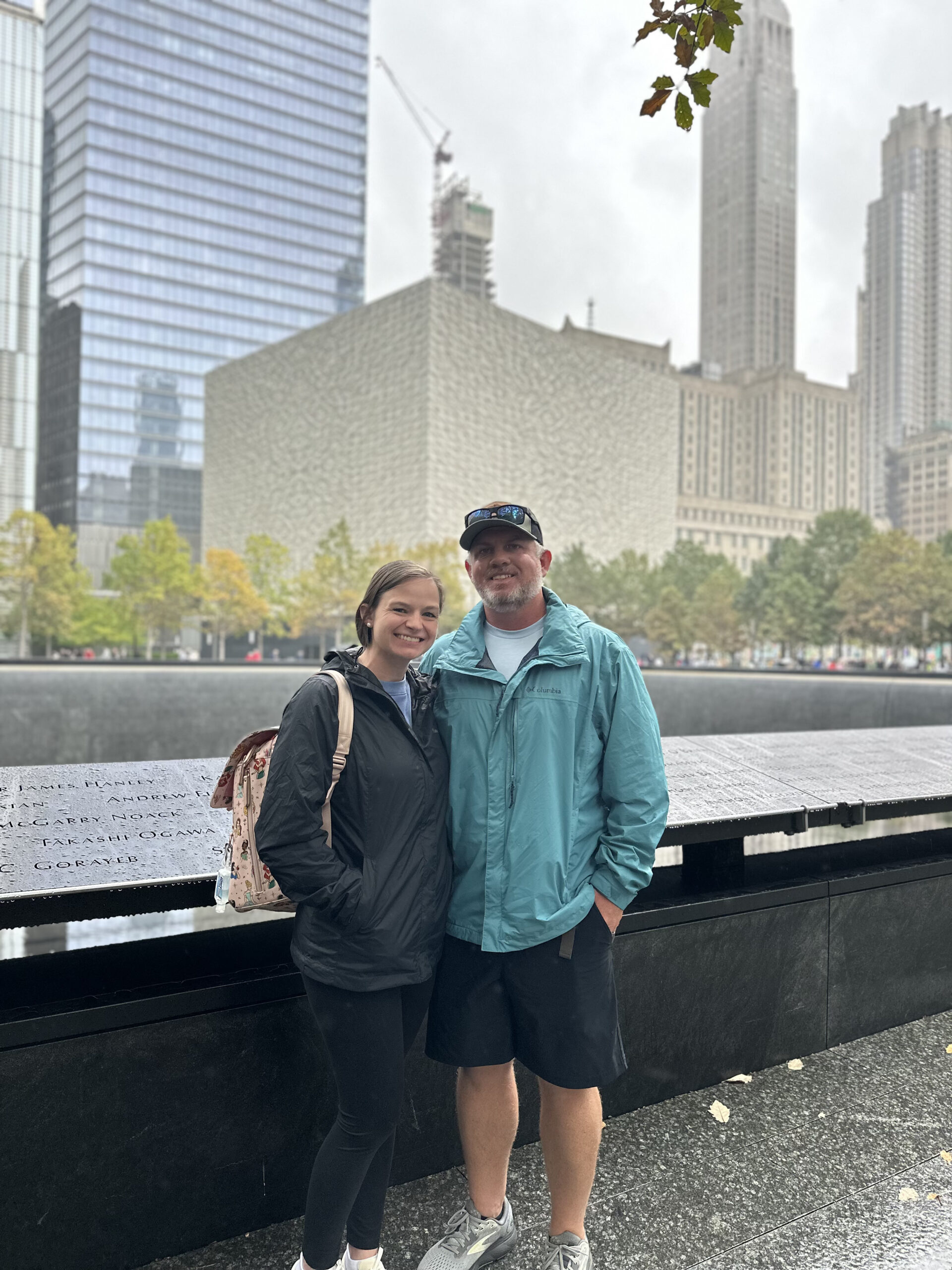
For those who are new around here, hi! I’m Harriet, one half of The Diabetic Travel Guide, which my husband, Steven, and I created together.
I was diagnosed with Type 1 diabetes on October 25, 2001, when I was just five and a half years old.
At an age when most kids were thinking about Halloween costumes, candy, and what they wanted for Christmas, my family was learning about insulin, blood sugar checks, and how to manage a lifelong medical condition.
But I’m not the only one in my family living with Type 1 diabetes.
My older brother was diagnosed in 2006 when he was 12 years old, just five years after my own diagnosis. By that point, our family had already spent several years learning how to navigate life with diabetes, but now my parents had two children living with the same condition.
My first cousin was also diagnosed with Type 1 diabetes when she was just three years old, and she has now been living with it for an incredible 47 years!
Between the three of us, that’s more than 90 years of combined experience living with Type 1 diabetes. That’s a whole lot of blood sugar checks, insulin, highs, lows, and everything else that comes with diabetes!
Even though we share the same diagnosis, we’ve each had our own experiences, challenges, and ways of managing it.
And I think that’s something really important to remember during National Diabetes Awareness Month. No two people experience diabetes exactly the same way, even when they’re part of the same family.
Over the years, I’ve watched diabetes technology change tremendously. I went from finger pricks and insulin injections to wearing an insulin pump and continuous glucose monitor. Today, I use the Omnipod 5 and Dexcom G7, two devices that help me manage my blood sugars while working, traveling, and going about everyday life.
Technology has certainly made things easier in many ways, but it hasn’t made diabetes disappear.
And that’s something I wish more people understood.
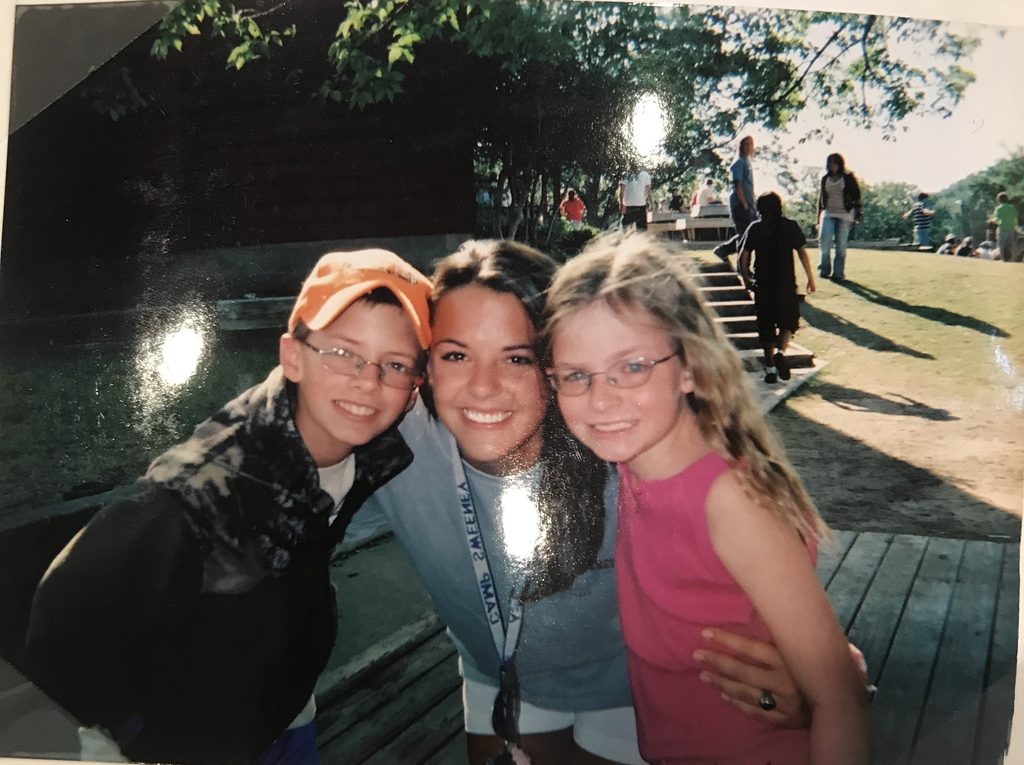
13 Summers at Camp Sweeney: More Than Just Diabetes Camp 💙
When I think about growing up with Type 1 diabetes, there’s one place that will always hold a special place in my heart: Camp Sweeney.
I started attending Camp Sweeney in 2006, and over the years, I spent 13 summers there. My older brother also attended for 11 summers, so needless to say, Camp Sweeney was a pretty big part of our childhood!
For those who aren’t familiar with it, Camp Sweeney is a summer camp for children living with diabetes in Texas. But to those of us who were lucky enough to spend our summers there, it was so much more than just a diabetes camp.
It was a place where having diabetes was completely normal.
I wasn’t the only kid checking my blood sugar, counting carbohydrates, wearing an insulin pump, or having to stop what I was doing to treat a low.
Everyone around me understood.
And when you’re a kid growing up with a condition that makes you feel a little different from everyone else, that means more than you might realize.
Camp Sweeney also played such an important role in my diabetes education. Throughout my years as a camper, I learned more about managing my blood sugars, understanding how different activities affected my diabetes, and becoming more independent and confident in taking care of myself.
Those lessons didn’t stop being important when I left camp. They’re things I’ve carried with me into adulthood.
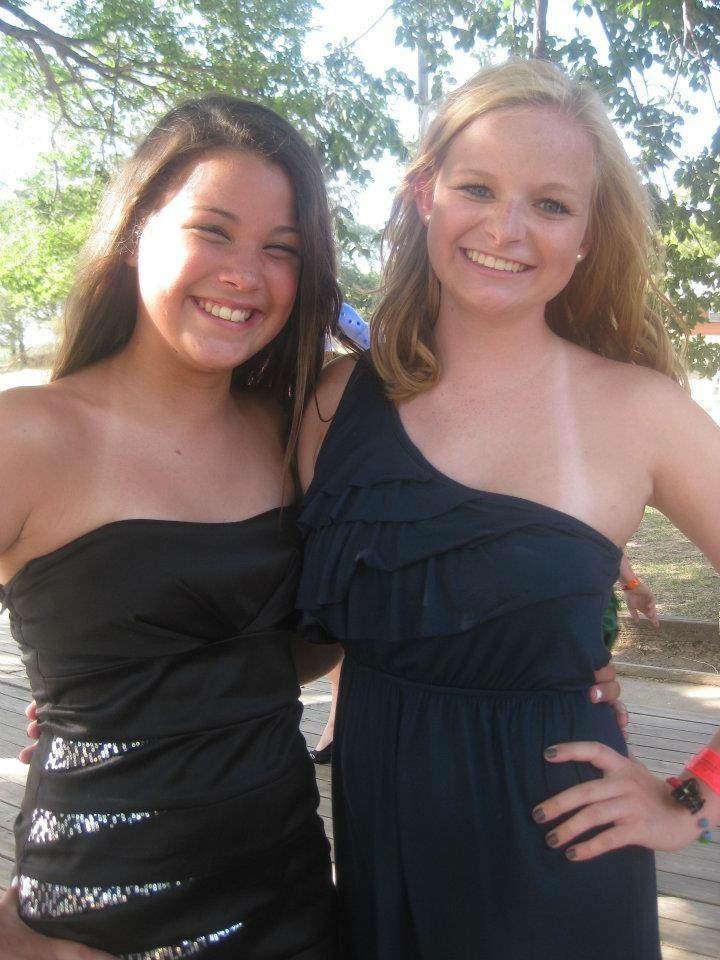
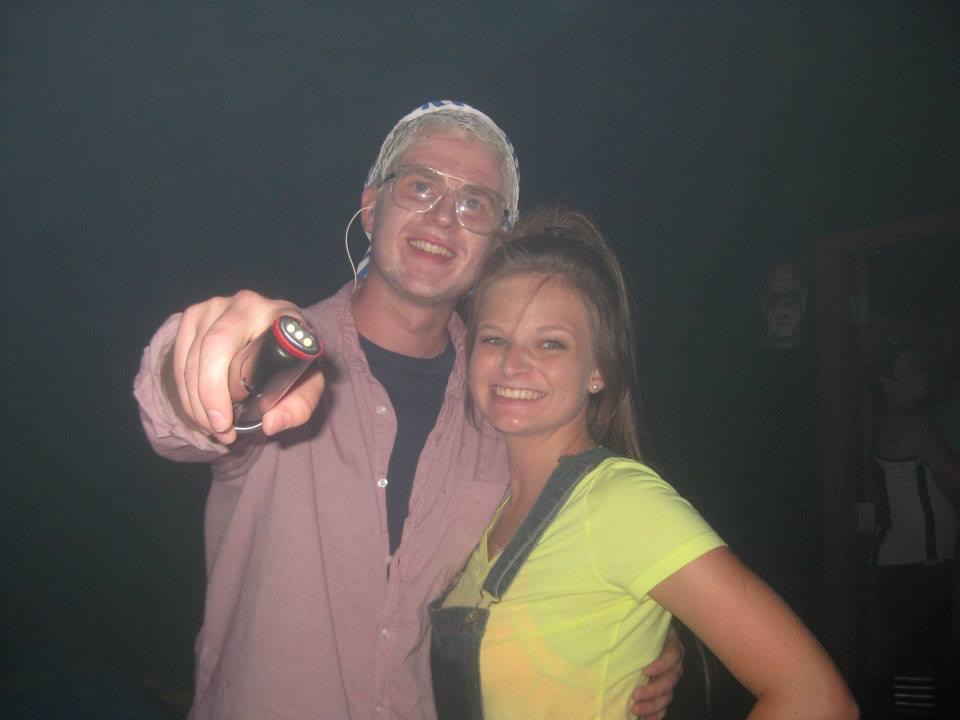
But if you ask me what some of my favorite things about Camp Sweeney were, I’d have to say the friendships.
I met so many wonderful people over those 13 summers, and some of those friendships have lasted a lifetime.
There’s something special about having friends who don’t need an explanation when your blood sugar goes low or when your insulin pump starts beeping in the middle of a conversation. They just get it.
Looking back, I’m incredibly thankful that my parents gave my brother and me the opportunity to experience Camp Sweeney year after year.
I’m thankful for the education, the memories, the friendships, and all the people who helped make those summers so special.
Camp Sweeney didn’t just teach me how to manage Type 1 diabetes. It helped me realize that diabetes didn’t have to keep me from enjoying my childhood, making friends, and having adventures.
And honestly, I think that’s one of the reasons I’m so passionate about sharing our adventures through The Diabetic Travel Guide today.
Because long before Steven and I started traveling together and sharing our experiences, Camp Sweeney was already teaching me that life with diabetes could still be full of incredible memories.
Camp Sweeney: https://campsweeney.org/



Type 1 Diabetes Isn’t Just About Sugar
One of the biggest reasons I love National Diabetes Awareness Month is that it gives us an opportunity to educate others.
There are still so many misconceptions about Type 1 diabetes.
I’ve heard people ask whether I got diabetes from eating too much sugar, whether I can eat certain foods, or whether I’ll eventually grow out of it.
The answer to all three? Nope!
Type 1 diabetes is an autoimmune condition in which the immune system destroys the insulin-producing beta cells in the pancreas.
It wasn’t caused by eating too much candy as a child, and it isn’t something I could have prevented.
And yes, I can absolutely enjoy a piece of birthday cake, a Mickey-shaped treat at Disney World, or some delicious pasta in Italy!
I just have to account for the carbohydrates and manage my insulin accordingly.
Having Type 1 diabetes doesn’t mean I can’t enjoy food or live a normal, adventurous life. It just means I have a few extra things to think about along the way.
The Side of Diabetes People Don’t Always See
One thing I’ve learned over the last 25 years is that people often see the devices we wear, but they don’t necessarily see everything that goes into managing diabetes.
They see my Dexcom sensor on my arm or my Omnipod attached to my body.
What they don’t always see are the middle-of-the-night alarms, the stubborn high blood sugars that don’t seem to want to come down, or the unexpected lows that interrupt whatever I’m doing.
They don’t see me double-checking my blood sugar with my meter because my Dexcom reading doesn’t match how I’m feeling.
They don’t see me packing extra insulin, backup pump supplies, syringes, low blood sugar treatments, and emergency medication every time we travel.
And they certainly don’t see all the mental calculations that happen throughout the day.
How many carbohydrates am I eating? How much insulin do I need? Am I going to be walking more than usual? Is the heat going to affect my blood sugar? Do I have enough supplies with me?
Sometimes, it’s exhausting.
There have been times at work when I’ve had to step away from caring for my patients because my blood sugar was low. As a nurse, that’s frustrating because I want to be there for my patients. But I also know I can’t safely take care of someone else if I’m not taking care of myself.
And there have been plenty of times when Steven and I have been out exploring somewhere, only for my blood sugar to decide it has other plans.
But there’s another side of diabetes that I don’t think gets talked about nearly enough: dealing with insurance companies.
The countless phone calls, prior authorizations, prescription issues, and trying to figure out whether the medical supplies you depend on will even be covered.
In fact, I’ve been dealing with this exact situation just this past week.
Beginning January 1, 2027, CVS Caremark is changing its coverage of continuous glucose monitors under my prescription insurance plan. I’ve been informed that the Dexcom G7 system will no longer be covered under my plan’s standard coverage, with FreeStyle Libre becoming the preferred system.
Now, for someone who doesn’t live with Type 1 diabetes, that might sound like a simple switch from one glucose monitor to another.
But it’s not always that simple.
I currently use the Omnipod 5 insulin pump and Dexcom G7 continuous glucose monitor. These devices work together through an automated insulin delivery system, often called a closed-loop system, that uses my glucose readings to help adjust insulin delivery.
This technology has become an important part of how I manage my diabetes.
So when my insurance company tells me that my current sensor will no longer be covered, I can’t necessarily just pick up a different sensor at the pharmacy and go about my day.
I have to figure out whether the alternative is compatible with my specific pump setup, whether I need different equipment, or whether there’s a way to get my Dexcom covered through an exception.
I’ve already spent time on the phone with CVS Caremark multiple times this past week, trying to figure out my options before the new coverage changes take effect.
And it’s frustrating.
Not because I’m unwilling to consider different technology, but because the devices I currently use work together to help me manage a condition I’ve lived with for 25 years.
Managing Type 1 diabetes is already a full-time responsibility. Having to fight for coverage of the supplies that help us stay healthy shouldn’t feel like another full-time job.
And that’s something I wish more people understood.
Diabetes isn’t just checking your blood sugar and taking insulin. It’s keeping track of prescriptions, ordering supplies before you run out, navigating insurance coverage, and making sure you always have a backup plan.
It’s a lot of work that happens behind the scenes.
And despite all of that, we still have jobs to go to, families to spend time with, vacations to plan, and lives to live.
That’s just part of living with Type 1 diabetes.
It doesn’t mean I stop doing the things I love. It means I learn to adapt, advocate for myself, and keep going.
Why Steven and I Started The Diabetic Travel Guide
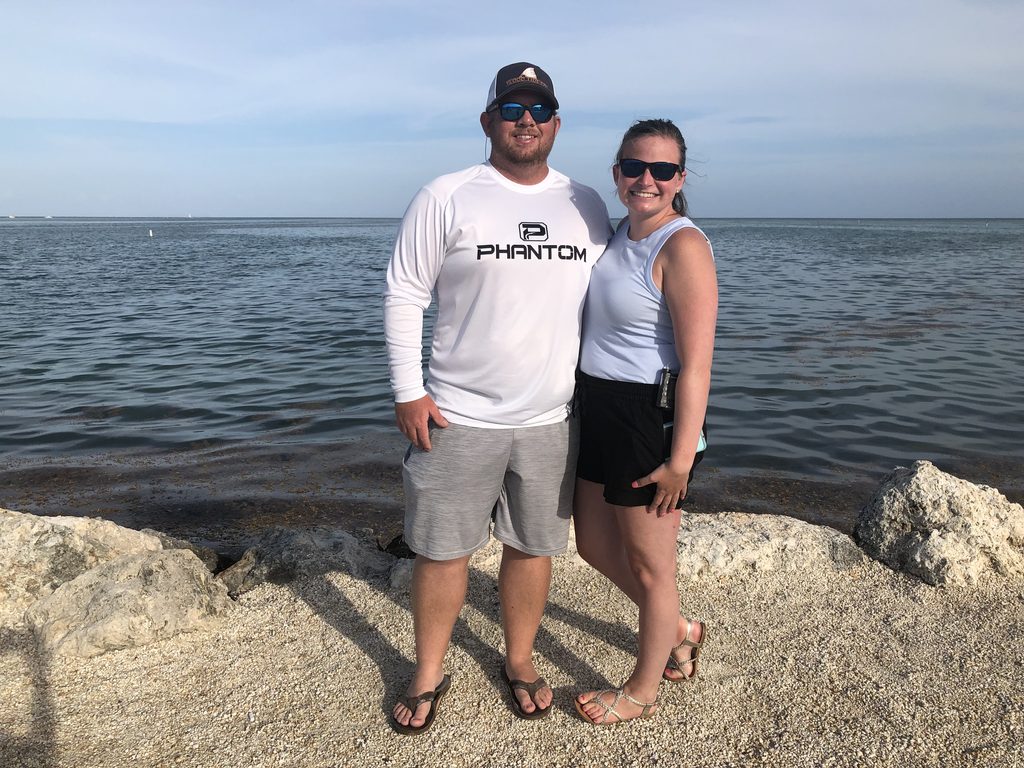
When Steven and I created The Diabetic Travel Guide, we wanted to share our adventures while showing others that having diabetes doesn’t mean putting your life on hold.
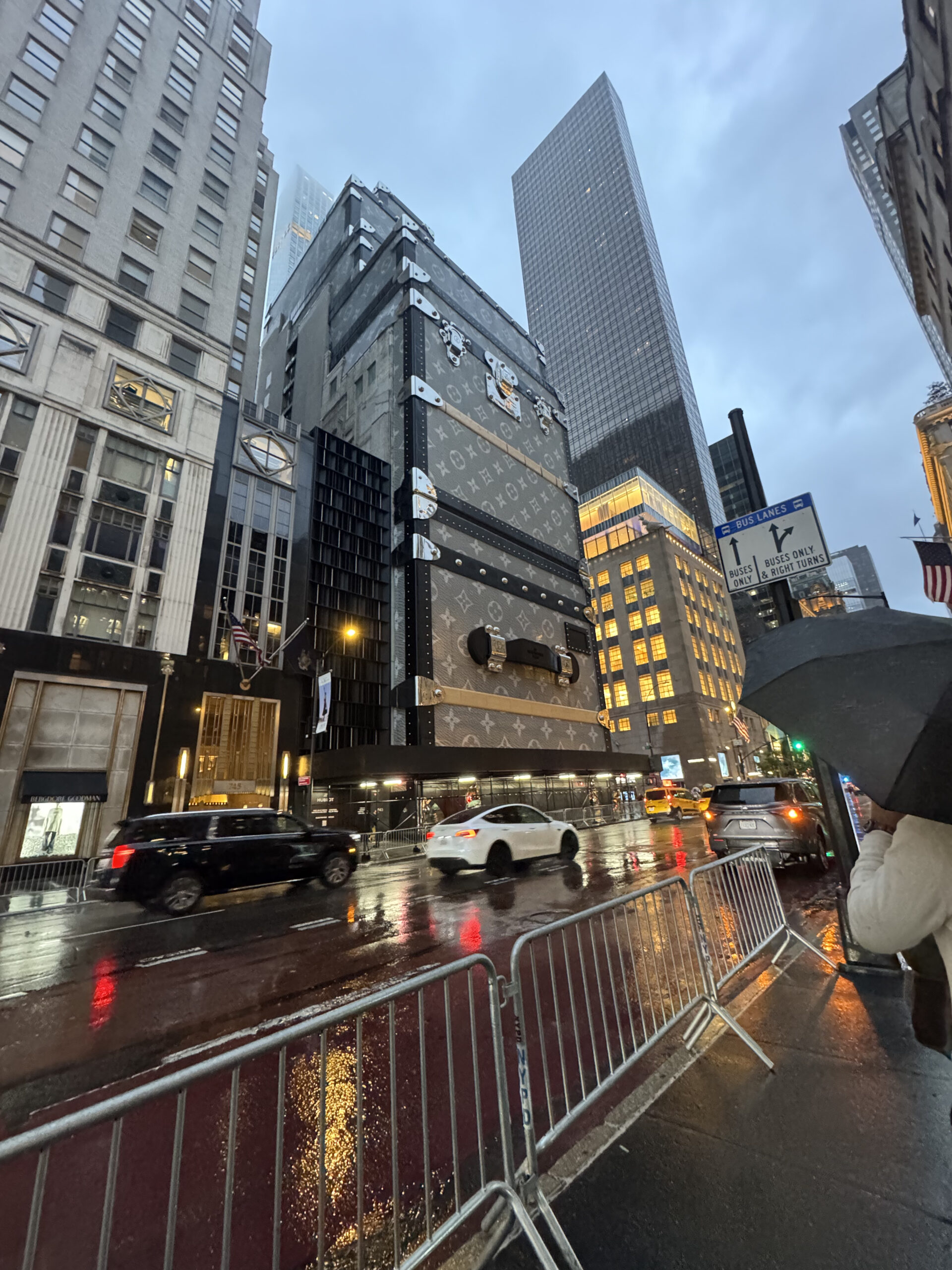
I love traveling. Whether we’re spending a weekend at Disney World, exploring New York City, boating around the Florida Keys, or traveling across Italy, I don’t want diabetes to be the reason I miss out on making memories.
But I also know traveling with diabetes requires extra preparation.
I can’t just throw a few outfits into a suitcase and head to the airport.
I have to think about insulin storage, backup supplies, airport security, blood sugar treatments, and what I would do if one of my devices stopped working while we’re away from home.
And that’s exactly why we share our experiences.
We want someone who has recently been diagnosed, or a parent whose child has Type 1 diabetes, to come across our blog and realize that life doesn’t stop after a diagnosis.
There may be some extra planning involved, but the adventures are still waiting.
And if sharing our experiences helps even one person feel more confident about traveling with diabetes, then this little blog of ours is doing exactly what we hoped it would.
What I Wish More People Knew About Type 1 Diabetes
If there’s one thing I hope people take away from National Diabetes Awareness Month, it’s that diabetes is different for everyone.
Even within my own family, I’ve seen that firsthand.
My cousin has been managing Type 1 diabetes for 47 years, I’ve just reached 25 years, and my brother is approaching 20 years since his diagnosis in 2006.
We’ve experienced diabetes during different stages of life and through different generations of diabetes technology. From the days when finger pricks and insulin injections were the primary way we managed our blood sugars to today’s continuous glucose monitors and insulin pumps, so much has changed.
But one thing hasn’t changed: Type 1 diabetes still requires attention every single day.
And after 25 years, there are a few things I really wish more people understood.
Type 1 diabetes is insulin-dependent.
My pancreas no longer produces the insulin my body needs to survive. That means I depend on insulin every single day, and unless a cure or another effective treatment becomes available, I will need insulin for the rest of my life.
It doesn’t matter how healthy I eat, how much I exercise, or how well I manage my blood sugars. My body still needs insulin.
Insulin isn’t optional for someone living with Type 1 diabetes. It’s life-sustaining.
I did not get Type 1 diabetes from eating too much candy or not exercising enough.
I was five and a half years old when I was diagnosed. My diagnosis wasn’t caused by eating too much Halloween candy, drinking sugary drinks, or not being physically active enough.
Type 1 diabetes is an autoimmune condition where the body’s immune system mistakenly attacks the insulin-producing cells in the pancreas.
It’s not something I caused, and it’s not something I could have prevented by changing my diet or exercising more.
And while we’re on the subject of food, yes, I can still eat carbohydrates and enjoy dessert! I just have to manage my insulin accordingly.
And no, cinnamon will not cure my Type 1 diabetes!
Yes, you read that correctly.
Over the years, I’ve heard all sorts of suggestions about things that supposedly cure diabetes. Cinnamon seems to be one that just keeps making its rounds.
Don’t get me wrong, I love a good cinnamon roll (gluten-free, of course!), but sprinkling cinnamon on my food isn’t going to magically make my pancreas start producing insulin again.
Neither will drinking a special tea, taking a supplement, or following some miracle diet someone found on the internet.
If only it were that easy!
The reality is that there is currently no widely available cure for Type 1 diabetes.
Good blood sugar numbers don’t mean my diabetes has gone away.
Some days my blood sugars cooperate beautifully, and other days I feel like I’m doing everything right and they’re still all over the place.
Even when my blood sugar is perfectly in range, it’s usually because of all the work happening behind the scenes: insulin delivery, carbohydrate counting, glucose monitoring, and making adjustments throughout the day.
Technology has made managing Type 1 diabetes easier in many ways, but it hasn’t taken away the responsibility of managing it.
And that’s okay.
Diabetes isn’t always predictable, and it’s certainly not as simple as taking insulin and going about your day.
I don’t expect everyone to know everything about Type 1 diabetes. Before I was diagnosed, my family had plenty to learn about it, too.
But I do hope people are willing to listen, ask questions, and learn rather than make assumptions.
Because awareness isn’t just about knowing that diabetes exists. It’s about understanding what living with it actually means.
Until there’s a cure, I’ll continue counting carbohydrates, monitoring my blood sugars, changing pump sites, treating lows, and doing everything else that comes with managing this condition.
And I’ll continue living my life, making memories, and enjoying a little dessert along the way! 💙
How You Can Support Diabetes Awareness This November
You don’t have to live with diabetes to make a difference during National Diabetes Awareness Month.
Sometimes, the simplest things mean the most.
- Learn the difference between Type 1 and Type 2 diabetes. Both deserve awareness, understanding, and respect, but they are different conditions.
- Ask questions instead of making assumptions. Most of us would much rather explain something than have someone assume they know what we’re going through.
- Be understanding. If someone needs to stop what they’re doing to check or treat their blood sugar, give them the time and space they need.
- Share someone’s story. You never know who might need to hear that they’re not alone.
- Wear blue! Blue is the color associated with diabetes awareness, and November 14th is World Diabetes Day.
Most importantly, remember that diabetes awareness shouldn’t stop when November ends.
For those of us living with diabetes, it’s something we manage 365 days a year.
Here’s to 25 Years and Many More Adventures 💙
As I head into November, just one week after celebrating my 25th diaversary, I can’t help but think about how much life has changed since that little five-year-old girl was diagnosed in October 2001.
I’ve grown up with diabetes. I’ve gone through school, graduated from nursing school, become a registered nurse, married my best friend, and traveled to places I once only dreamed about visiting.
And through every single chapter, diabetes has been right there with me.
I also think about my brother and cousin, who have their own diabetes stories to tell. Between the three of us, we’ve spent decades navigating this condition, and our family knows firsthand that a diabetes diagnosis doesn’t just affect one person. It becomes part of the lives of the people who love and support us, too.
It hasn’t always been easy, and I’m sure there will be plenty more unexpected highs, lows, and Dexcom alarms in my future.
But I’m not going to let diabetes keep me from living my life.
So here’s to National Diabetes Awareness Month, to everyone living with diabetes, to the families and friends who support us, and to continuing to share our stories.
Diabetes is part of my story, but it will never be my entire story.
Happy National Diabetes Awareness Month! 💙
— Harriet
Harriet’s Diabetes Travel Notes 💙
Since this month is all about awareness, I wanted to share a few reminders that I think are especially important for anyone living with Type 1 diabetes who loves to travel.
Always have a backup plan. Insulin pumps and continuous glucose monitors are wonderful, but technology can fail. I always travel with extra supplies and a backup way to administer insulin.
Keep low blood sugar treatments close. Whether it’s Welch’s Fruit Snacks, glucose tablets, or a juice pouch, I make sure I have something readily available wherever we go.
Don’t rely solely on your CGM. I love my Dexcom, but I’ve experienced times when my sensor reading and finger-stick blood sugar were very different. If my symptoms don’t match what my Dexcom says, I check with my meter.
Prepare for the unexpected. Travel days, extra walking, heat, and changes in routine can all affect blood sugar levels. I try to prepare for those situations before we leave home.
And most importantly, enjoy the adventure! Diabetes may require a little extra preparation, but it doesn’t have to keep you from exploring the world.
Here’s to more adventures, more memories, and spreading a little extra diabetes awareness along the way! 💙