
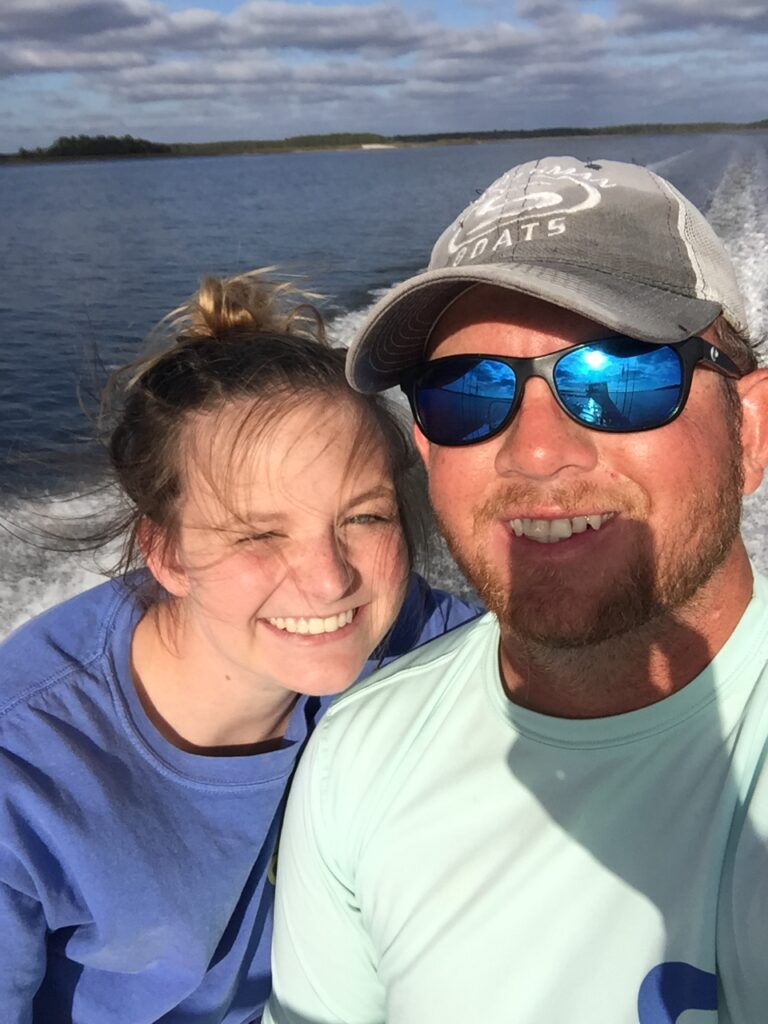
When Harriet and I met, I was probably 24 years old.
If I’m being honest, I knew practically nothing about Type 1 diabetes.
Actually, I might have known less than nothing.
Like a lot of people, I assumed diabetes was mostly related to diet, food choices, or lifestyle. I had heard terms like “juvenile diabetes” and “Type 2 diabetes,” but I couldn’t have explained the difference if someone had asked me.
Then I met Harriet.
One of the things I respected immediately was how upfront she was about being a Type 1 diabetic. Early on, she sat me down and explained what that meant, what it looked like day to day, and some of the things I might see or experience.
Honestly?
At the time, it sounded terrifying.
But Harriet also had a perspective that immediately put me at ease.
She had been diagnosed when she was five years old.
She had already lived with diabetes for sixteen years by the time we met.
As she put it, she’d made it this far already. She’d probably make it a few more years.
That helped.
The First Time Diabetes Felt Real
One of the first moments that really showed me the reality of Type 1 diabetes happened at a restaurant.
Our food was taking longer than expected, and Harriet’s blood sugar started dropping quickly because she had prebolused for her dinner.
Suddenly, we weren’t just waiting for dinner anymore.
We were trying to get someone’s attention so we could get a regular Coke to the table as quickly as possible.
Then, almost immediately, the challenge shifted.
Now the question became: “How much Coke is enough to bring her blood sugar back up without sending it too high once dinner arrives?”
That was probably the first time I realized diabetes is rarely about one decision.
It’s balancing one decision against the next one.
Then there were all the little things that I had never considered before.
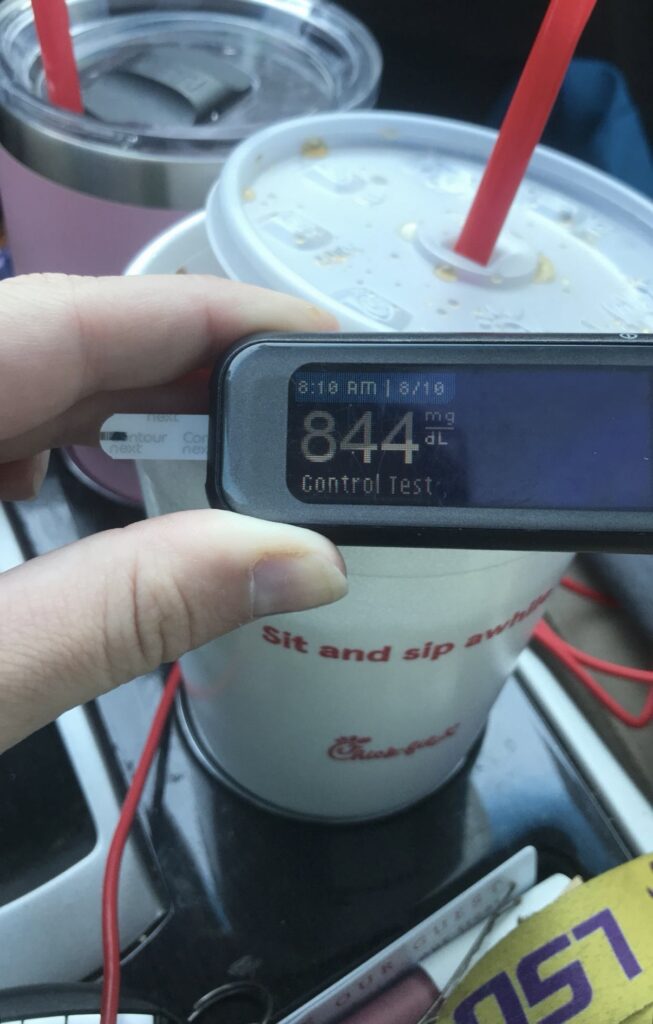
Like stopping at a fast-food restaurant and having Harriet use her glucose meter to test the drink because there was no way to know if the employee had accidentally given her regular soda instead of diet.
For most people, getting the wrong drink is an inconvenience.
For someone with Type 1 diabetes, it matters.
A lot.
The Biggest Thing That Surprised Me
The thing that surprised me the most wasn’t how difficult diabetes could be.
It was how little it actually stopped her from doing.
Before meeting Harriet, I probably would have assumed diabetes came with a long list of limitations.
Instead, I met someone who traveled, worked hard, went on adventures, and lived an incredible life.
Diabetes didn’t stop her from doing any of those things.
It just meant she had to think about them differently.
Food wasn’t just food.
Drinks weren’t just drinks.
Every meal came with math.
Every snack came with planning.
Every dessert came with a decision.
Meanwhile, I could simply decide I wanted something and go eat it.
I didn’t have to count carbs.
I didn’t have to think about insulin timing.
I didn’t have to wonder how long it would take my body to process something or what my blood sugar would look like in an hour.
She did.
It Became Our Thing, Not Her Thing
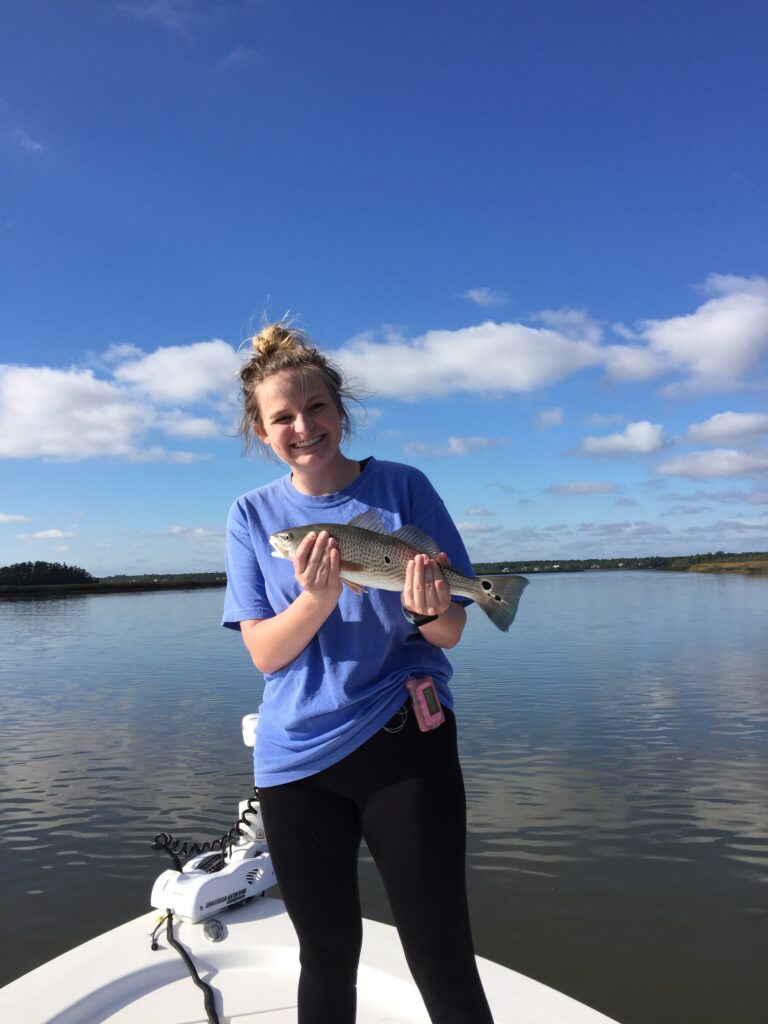
Pretty early in our relationship, diabetes stopped being “Harriet’s thing” and became something we managed together.
Part of that is probably my personality.
I’m big on health, routines, and prevention.
It’s much easier to keep something under control than it is to fix it once it’s already gone sideways.
That’s one reason I’m a huge believer in manually checking blood sugars even with a CGM.
Technology is incredible, but it isn’t perfect.
We’ve had days where a sensor said Harriet was over 400, only for a finger stick to show she was actually closer to 150.
That’s the difference between making a small correction and stacking insulin on top of insulin.
Those moments matter.
Over the years, I genuinely believe being involved and paying attention has helped Harriet improve her control and lower her A1C to a healthier range.
Dexcom Follow Changed Everything
One of the biggest changes in our relationship came with the Dexcom Follow app.
Having access to her blood sugars throughout the day completely changed the way I worried.
It doesn’t mean I’m watching every number all day long.
But it does mean I know if something is wrong.
Funny enough, I’ve gotten pretty good at noticing patterns.
Sometimes I can tell she’s had a rough day at work before she ever tells me.
A difficult patient.
A stressful situation.
An emergency at the hospital.
Stress affects blood sugar, and after enough years together, you start to recognize it.
Travel Brings Out My Inner Dad
Travel probably brings out my “diabetes husband mode” more than anything else.
At home, you have routines.
You know where everything is.
You know how your body reacts.
Vacation changes all of that.
Meals happen at weird times.
You’re more active than normal.
The weather changes.
Sleep changes.
Everything changes.
Because of that, I naturally become the responsible one.
Which is funny because outside of diabetes, I’m usually the king of questionable decisions.
But when we’re traveling, I want to know where her blood sugar is.
I want to know she has low snacks.
I want to know she has supplies.
I’d rather prevent a problem than solve one.
The Little Things Become Big Things
Over time, diabetes has changed what I notice.
I pay attention to how many carbs are in fruit snacks.
I know exactly how much sugar is in a Capri Sun.
I know how many carbs are in a Dole Whip at Disney.
Years ago, those were just random facts.
Today, they matter.
One thing that surprised me over the years was how many little moments around diabetes eventually became normal parts of our relationship.
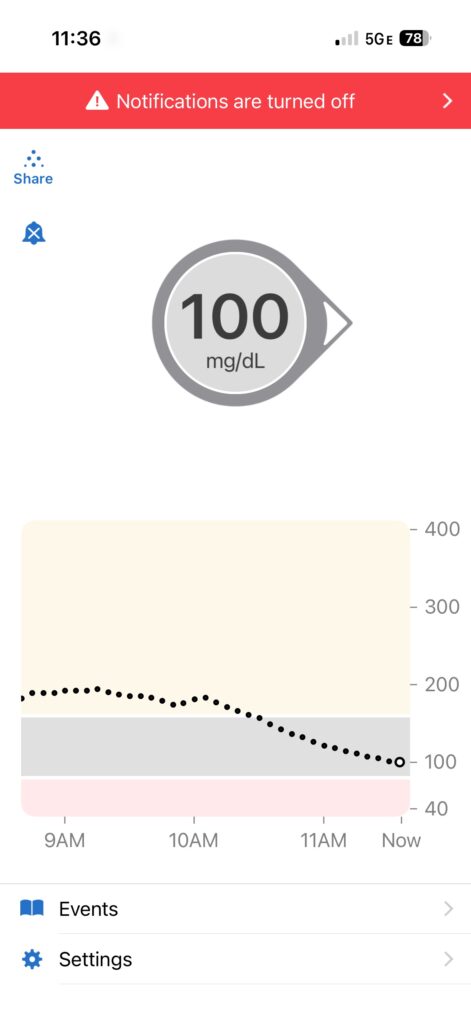
For example, whenever Harriet’s blood sugar lands exactly at 100 mg/dL, it’s basically a holiday.
Seriously.
We’ll high-five each other like we just won the lottery.
For most people, 100 is just a number.
For us, it’s a unicorn.
It’s that perfect number you’re always chasing but rarely see stay around for very long.
It might sound silly to someone outside the diabetes world, but those little victories matter.
They’re moments of normalcy in a disease that rarely gives you perfect numbers.
Diabetes Finds Diabetes
Another thing I never expected was how quickly Type 1 diabetes became something you start noticing everywhere.
Now it’s almost like an accidental game of I Spy.
We’ll be walking through an airport, Disney, the grocery store, or the beach and suddenly one of us will quietly say:
“Dexcom,” or “Omnipod.”
You start recognizing the outline of a sensor through someone’s shirt or the shape of a pump clipped to a pocket.
A few years ago, I never would have noticed any of it.
Now I spot them everywhere.
One of my favorite examples happened recently while Harriet and I were walking on Sullivan’s Island.
We noticed a guy wearing a Dexcom and an Omnipod that had clearly survived a day in the ocean.
Instead of just walking by, we stopped and talked to him.
What started as a quick conversation turned into twenty minutes talking about pumps, sensors, technology, and life with Type 1 diabetes.
Nobody wants to join the diabetes club.
But once you’re in it, people look out for each other.
What I Wish I Knew
If I could go back and tell the younger version of myself one thing before dating someone with Type 1 diabetes, it would probably be this:
Don’t be afraid of it.
Respect it.
Learn about it.
Take it seriously.
But don’t be afraid of it.
Because the biggest lesson Harriet taught me wasn’t how hard diabetes can be.
It was how normal life can still be with it.
You can still travel.
You can still chase big dreams.
You can still build a career.
You can still go on adventures.
You can still live an incredible life.
You just have to do it with a little more planning, preparation, and caution than most people realize.
And honestly?
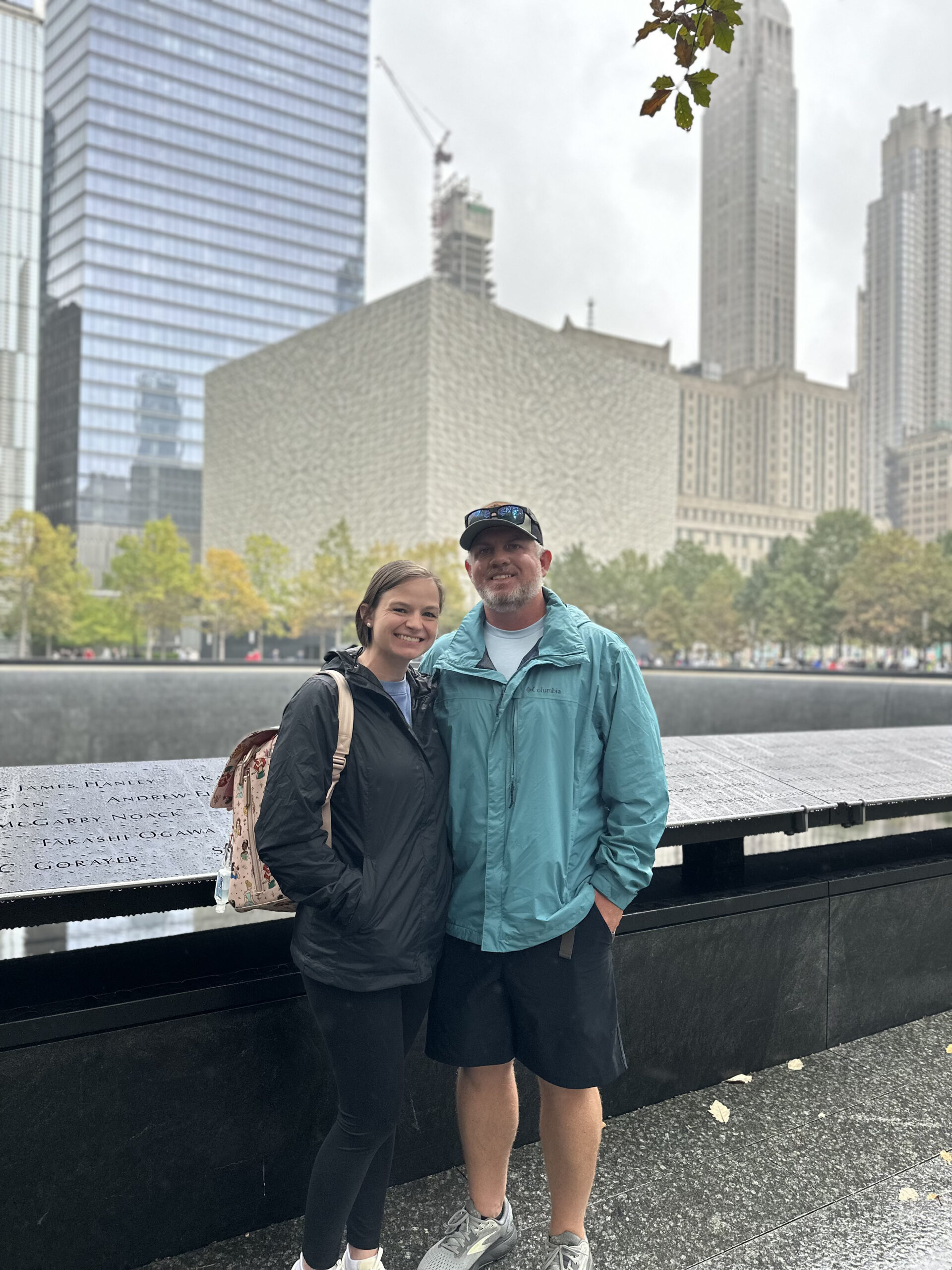
Watching Harriet do that for the last eight and a half years has been pretty incredible.