



Safe and Confident Travel With Diabetes: Practical Tips for Every Diabetic Traveler
Estimated reading time: 8 minutes
- Preparation is essential for safe travel with diabetes.
- Monitor your blood sugar closely while on the move.
- Research local cuisine to maintain a balanced diet.
- Pack essential diabetes supplies in your carry-on.
- Embrace flexibility and confidence during your travels.
Table of Contents
- Planning Ahead: The Secret to Safe Travel With Diabetes
- Smart Strategies for Smooth Travel Days
- Picking the Right Accommodation & Local Transportation
- Meal Planning and Healthy Eating Abroad
- Managing Diabetic Sexual Health & Relationships While Traveling
- Overcoming Common Travel Challenges for Diabetic Travelers
- Embracing Confidence and Enjoying the Journey
- Start Your Next Adventure With The Diabetic Travel Guide
- FAQ
Planning Ahead: The Secret to Safe Travel With Diabetes
Preparation is key for any successful trip, but for diabetic travelers, thoughtful planning is essential for ensuring health and safety on the go. From choosing destinations and accommodations to understanding your insulin and medication storage needs, here’s what to consider before you hit the road:
Research Your Destination
Start by learning about your chosen destination’s healthcare systems and pharmacy access. For instance, if you’re eyeing picturesque France (check out this expert guide to car rental options), make note of hospitals and pharmacies in your travel area. Download a translation app or learn how to say “I have diabetes” and “I need insulin/sugar” in the local language, especially if you’re headed somewhere non-English speaking.
Assemble Your Diabetes Travel Kit
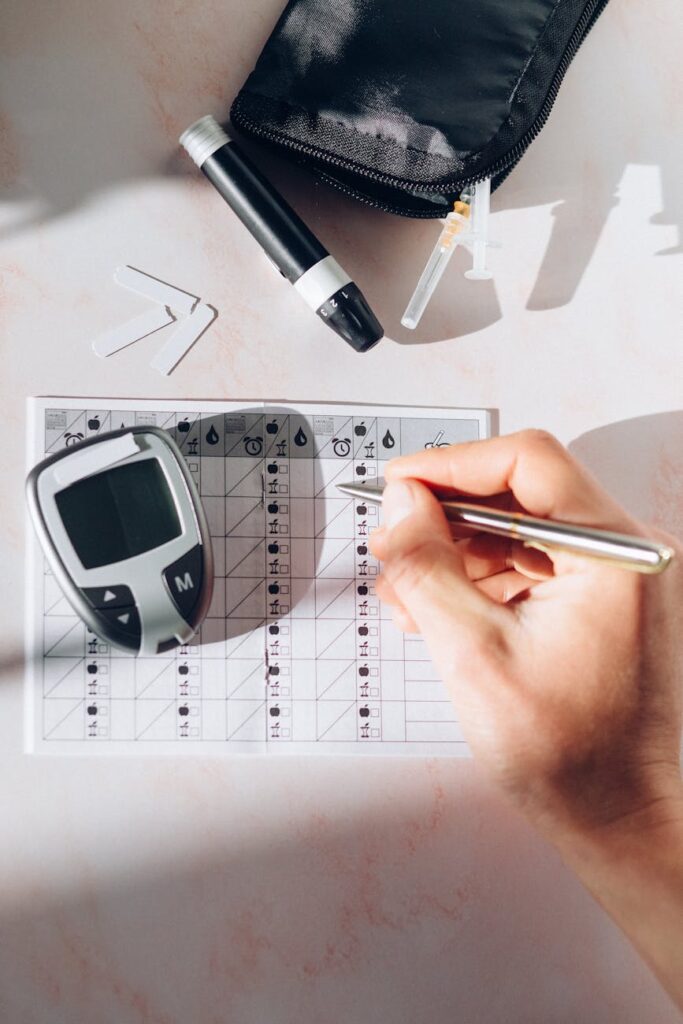
Pack extra supplies: At least double the amount of insulin, oral medications, test strips, CGM sensors, lancets, and pump supplies you might need. Place all diabetes supplies in your carry-on to avoid lost luggage disasters. Include a backup glucose meter and batteries—a must if you’re planning on using technology for monitoring (see suggestions for choosing the right travel laptop for medical records, connectivity, and more).
Don’t forget snacks for low blood sugar (hypoglycemia), such as glucose tabs, juice boxes, or granola bars. And always carry a sharps container or use a puncture-resistant travel alternative (like an empty hard plastic bottle for used needles).
Obtain Doctor’s Letters and Prescriptions
Before departure, ask your healthcare provider for a letter listing your diabetes diagnosis, medications (with generic names), insulin type, and necessary supplies. This is invaluable at airport security or if you need medical help abroad. Scan or store copies on your phone and in the cloud—digital access can be a lifesaver if documents are lost or stolen.
Travel Health Insurance
Invest in comprehensive travel insurance that covers pre-existing conditions like diabetes, and be sure it reimburses for lost medication or emergency treatment abroad.
Smart Strategies for Smooth Travel Days
Travel days—whether by plane, train, or car—present unique challenges for people with diabetes. Proper planning makes all the difference.
Blood Sugar Management On The Move
- Monitor Closely: Traveling can disrupt your usual eating, activity, and sleep patterns. Keep a log and check your blood sugar more frequently, especially during time zone changes or long stretches of inactivity (like on flights or bus rides).
- Stay Hydrated: Dehydration can affect blood sugar levels. Drink plenty of water, and avoid excessive caffeine or alcohol, which can lead to dehydration or mask low blood sugar symptoms.
- Snack Smarter: Bring more low-GI snacks than you think you’ll need, especially for delays (study airport and layover options if you’re passing through major hubs—like on your way to Barcelona or Scotland).
Navigating Airport Security With Diabetes Supplies
Security procedures can feel intimidating with medical gear and supplies. Here’s how to ease the process:
- All medications, insulin, and related supplies are allowed in carry-on bags, even if over the usual liquid limits. Present doctor’s notes and supplies separately at the security checkpoint.
- Let security personnel know you’re carrying diabetes supplies and wearing a medical device (such as an insulin pump or CGM). Most pumps and CGMs shouldn’t go through X-ray machines or full-body scanners; ask for a hand inspection.
- Wear a medical ID (bracelet or necklace) at all times, clearly stating your diabetes diagnosis and emergency contact information.
Handling Time Zone Changes & International Travel
When crossing time zones (say, on a flight to France or Bali), your body clock, insulin schedule, and mealtimes can get disrupted.
- For trips of 2-3 time zones, gradually adjust medication times before you leave.
- For longer changes, consult your diabetes care team for a personalized plan—timing is especially important for those on insulin regimens.
- Keep a watch or phone set to your home time zone until you’ve settled in and adjusted your dosage/meal routine.
More tips for safe diabetes medication management abroad can be found here.
Picking the Right Accommodation & Local Transportation
Where you stay and how you get around matter. Choose accommodations that allow for easy diabetes management. Whether it’s a villa in Croatia with a pool (find the top picks here), a hotel with a kitchenette for flexible meal prep, or an apartment near a supermarket, plan ahead:
- Prioritize a refrigerator or mini-fridge for insulin storage.
- Check for local grocery stores or markets for healthy food options.
- If traveling to remote or rural areas (such as the Fairy Glen in Scotland—explore tips on reaching this mystical destination), pack sufficient supplies and map out the nearest medical facilities.
- Renting a car in regions like France or Scotland can offer flexibility, a private and hygienic space, and control over travel pace, which reduces stress for diabetics (read more about car rental tips for France).
Getting Around Locally
For regions where transit is varied (like Nicaragua or Bali), research local transport ahead of time. Always carry a small medical kit and confirm whether buses, trains, or taxis can accommodate your medical needs. If language barriers exist, an emergency phrasebook or translation app can offer peace of mind.
Meal Planning and Healthy Eating Abroad
Dietary routines can get thrown off on the road, but with a little planning, you can maintain balance:
- Research Local Cuisine: Learn which dishes are diabetes-friendly. For instance, Mediterranean diets (like those in Barcelona and France) often feature fresh vegetables, lean proteins, and healthy fats. When possible, choose whole foods over processed options.
- Stay in Charge of Your Carbs: Use your smartphone to calculate carbs in unfamiliar dishes or ask restaurant staff about ingredients. Don’t hesitate to request substitutions or smaller portions.
- Self-Catering: Booking private accommodations (see best villas in Bali or Croatia) with kitchens lets you prepare your own meals, manage portion sizes, and eat on your own schedule.
Pro Tip: Pack a small portable food scale for carb counting, or use a global food database app.
Managing Diabetic Sexual Health & Relationships While Traveling
Travel can bring exciting new experiences, including for couples. But diabetes can impact sexual health and intimacy—especially under the stress of travel. “Sex and Diabetes: From Her Point of View” reveals how self-awareness, open communication, and support are vital for intimacy.
- Communicate with Partners: Share how your diabetes affects you emotionally and physically. Travel can intensify fatigue or blood sugar fluctuations.
- Plan Ahead: Pack adequate supplies, plan downtime, and don’t hesitate to pause for self-care—your comfort and health come first.
- Stay Flexible: Don’t let a hypo or unexpected high interrupt your experience; have fast-acting sugar nearby and take breaks as needed.
Overcoming Common Travel Challenges for Diabetic Travelers
Even the best-laid plans hit snags. Here are some typical challenges and how to handle them:
1. Lost or Delayed Luggage
Always carry all essential diabetes supplies—including insulin, monitoring devices, and food for lows—in your carry-on. Divide supplies between bags if possible. Ask local pharmacies about temporary refills, and keep paper and digital copies of prescriptions.
2. Language Barriers
Use a diabetes translation card or medical alert phrases on your phone. Apps like Google Translate help in emergencies, but a pre-written explanation of your diabetes and insulin needs—translated into your destination’s language—can make all the difference.
3. Unexpected Blood Sugar Lows/Highs
New foods, increased activity (like sightseeing in Barcelona or hiking in Scotland’s highlands), and disrupted routines increase the risk of blood sugar swings. Carry glucose, monitor frequently, and never leave your hotel without your essentials.
4. Temperature Extremes
Insulin and some diabetes devices are sensitive to heat and cold. For hot destinations (Bali, Croatia), use insulated pouches or Frio packs to store insulin. Never leave medication in a parked car or exposed to direct sun. In cold climates (Scotland’s Fairy Glen), keep insulin close to your body for warmth.
Embracing Confidence and Enjoying the Journey
Managing diabetes while traveling doesn’t mean missing out. It means being prepared, adaptable, and confident as you explore. With the right planning, you can experience the best destinations—be it soaking in a private villa’s pool in Bali, crossing the Glenfinnan Viaduct in Scotland, or savoring the flavors of France.
Remember, you’re not alone. The Diabetic Travel Guide was created by diabetic travelers, for diabetic travelers. We understand your needs, fears, and dreams—and we’re here to help you navigate every leg of your journey.
Start Your Next Adventure With The Diabetic Travel Guide
Ready to see the world on your terms? Explore more tips, destination guides, and practical resources at The Diabetic Travel Guide. Sign up for our newsletter, connect with fellow diabetic travelers, and join a community that celebrates life’s adventures without limits.
Travel safely, travel smart, and embrace every moment—diabetes included!
FAQ
What should I pack for traveling with diabetes?
Essential supplies include your medication, glucose meter, snacks for low blood sugar, and any necessary medical documentation.
Can I take my diabetes supplies on a plane?
Yes, all diabetes-related medications and supplies can be taken in your carry-on luggage.
How can I manage my diabetes while traveling internationally?
Research your destination’s healthcare system, maintain regular blood sugar monitoring, and have a plan for meals and medication adjustments.