




Traveling with Diabetes: Your Guide to Stress-Free, Safe, and Confident Adventures
Estimated reading time: 8 minutes
- Plan ahead to ensure a stress-free experience.
- Communicate your needs clearly to accommodate dietary restrictions.
- Manage blood sugars effectively while traveling.
- Organize your diabetes supplies for seamless travel.
- Stay connected with local resources and support.
Table of Contents
- Understanding Diabetes and Travel: Overcoming Unique Challenges
- Before You Go: Predeparture Planning for Diabetic Travelers
- At the Airport and Onboard: Navigating Security and Time Zones
- Eating Well Abroad: Practical Meal Planning Tips
- On the Road: Traveling with Diabetes by Car or Public Transit
- Staying Healthy and Safe: Beyond Blood Sugars
- Traveling as a Duo: Supporting Each Other
- Special Considerations: Women, Children, and International Travel
- Lifelong Confidence: Why Being Prepared Makes Every Trip Better
- Quick-Start Travel Tips for Diabetic Travelers
- Ready for Your Next Journey? Explore More with The Diabetic Travel Guide
Understanding Diabetes and Travel: Overcoming Unique Challenges
Managing diabetes—whether Type 1 or Type 2—comes with daily routines, careful monitoring, and ongoing self-care. Throw travel into the mix, and suddenly you face new obstacles: time zone changes, unfamiliar foods, medication storage, active itineraries, and even different climates. But these challenges needn’t stand in the way of your wanderlust.
Common Travel Challenges for Diabetics:
- Maintaining stable blood sugars during irregular schedules and meals.
- Storing insulin and medications safely in changing temperatures.
- Navigating airport security with medical supplies and devices.
- Coping with language barriers when explaining dietary needs or health issues.
- Sourcing healthy, diabetes-friendly food options.
- Managing stress, fatigue, or illness while away from home.
Each challenge can be managed with preparation and the right information. Let’s break down the best ways to address these issues so you can travel safely with diabetes and enjoy every moment.
Before You Go: Predeparture Planning for Diabetic Travelers
1. Work with Your Healthcare Team
Schedule a Pre-Travel Checkup: Before you book those tickets to France or chase sunsets in Bali, talk to your diabetes care team. Discuss your itinerary, expected activities, and check if any itinerary adjustments are recommended. Your provider can:
- Review your medications and make changes if needed.
- Help you plan for time zone changes—and how they affect insulin or medication schedules.
- Provide a letter for airport security explaining your medical supplies.
2. Gather and Prep Your Diabetes Supplies
Always pack more supplies than you think you’ll need. Delays, lost luggage, or unexpected changes can happen.
What to bring:
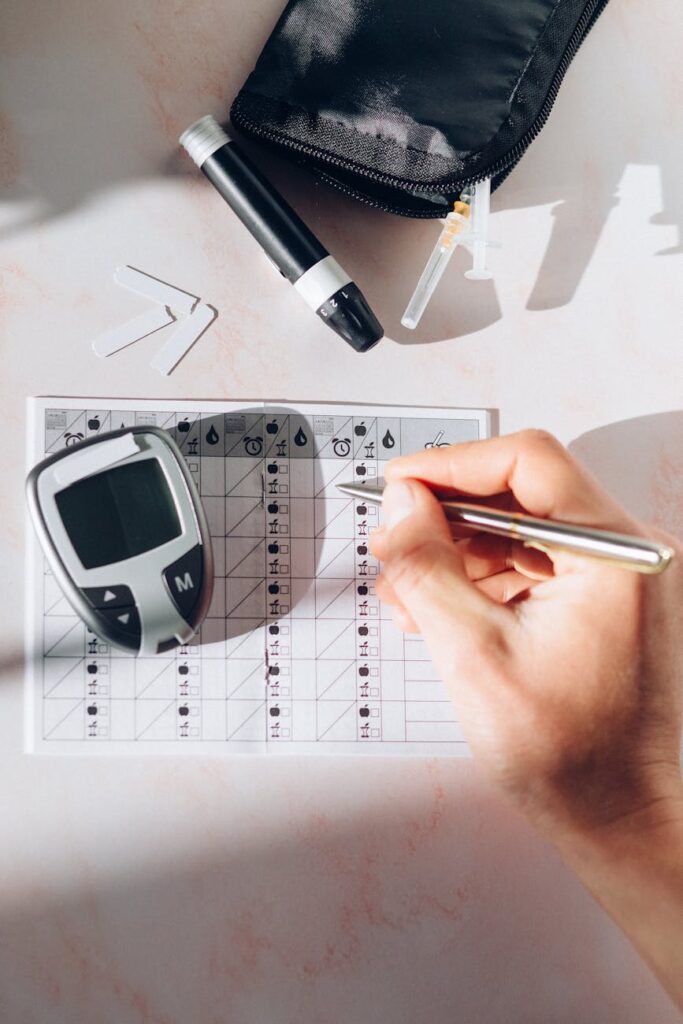
- Blood glucose meter, test strips, lancets, and backup batteries.
- Continuous Glucose Monitor (CGM) supplies.
- Insulin pens, pumps, syringes, and enough insulin for your entire trip—plus extra.
- Fast-acting glucose (tablets/gels/snacks) for hypoglycemia.
- Written prescription copies and an emergency plan.
Pro tip: Use a travel checklist from The Diabetic Travel Guide to make packing foolproof. We’ve created resources tailored to different trip styles—road trips, city breaks, or long-haul adventures.
3. Consider Medication Storage
Some insulins and diabetes medications require refrigeration. Devices like Frio coolers, insulated medical pouches, or portable mini fridges can keep your meds at a safe temperature on the go. Always keep insulin and essential medications in your carry-on bag to avoid loss or exposure to extreme temperatures in checked luggage.
4. Organize Important Documents
Keep these with you at all times:
- Doctor’s letter (preferably translated if traveling abroad).
- Emergency contacts and a card identifying you as a person with diabetes (include type and treatment).
- Travel insurance details—ensure your plan covers pre-existing conditions.
- Copies of prescriptions.
At the Airport and Onboard: Navigating Security and Time Zones
1. Prepare for Security Checkpoints
Airports are busy and can cause anxiety, especially when carrying medical equipment. The good news? Both TSA and international security agencies are used to people traveling with diabetes.
- Carry all supplies in original packaging.
- Present your doctor’s letter at security and state you’re carrying medical supplies.
- Insulin pumps and CGMs may set off alarms; you can request a pat-down instead of going through x-ray/body scanners if you prefer.
- Liquids, gels, and sharps are allowed in reasonable quantities for medical needs.
2. Manage Time Zone Changes
Crossing time zones can disrupt your medication schedule. Before your trip, create a plan with your healthcare provider. Many travelers gradually adjust their doses or timing in the days before departure.
If using insulin, take note of the time difference and set alarms as needed. Long flights? Keep your watch set to your home time zone until you land so you can keep track of your regular routine.
Eating Well Abroad: Practical Meal Planning Tips
1. Research Food Options Before Traveling
From croissants in France to spicy dishes in Bali, local foods are part of the adventure. But not all meals are diabetes-friendly. Here’s how to make better choices:
- Review menus online for restaurants near your destination.
- Download a translation app or travel phrasebook to communicate dietary needs.
- Pack healthy snacks like nuts, granola bars, and glucose tabs.
2. Eating Out with Confidence
Don’t be afraid to ask for meal adjustments—most restaurants will be happy to help. Ask for sauces and dressings on the side, opt for grilled proteins, and choose whole grains and vegetables when possible.
Pro tip: Eat regularly to avoid blood sugar swings, especially if your daily routine is more active than usual.
On the Road: Traveling with Diabetes by Car or Public Transit
Getting Around Safely: From Car Rentals to Buses
When renting a car (especially abroad, like in France), consider the following:
- Store insulin in a cooler if your road trip will involve hot or cold climates.
- Keep snacks and water accessible, not packed in the trunk.
- Plan rest stops for meals and medication checks.
- Use navigation and itinerary apps to locate pharmacies en route.
If you’re exploring places like Nicaragua or taking the train to see Scotland’s beautiful Glenfinnan Viaduct, always map out where you can access food, medical care, and supplies.
Staying Healthy and Safe: Beyond Blood Sugars
1. Managing Stress and Energy
Travel can disrupt sleep and routine. Schedule downtime in your itinerary and listen to your body—rest when you need it! Jet lag, altitude, and busy schedules can all affect blood sugar and well-being.
2. Handling Emergencies
Prepare for bumps in the road, from minor illness to disruptions like lost luggage. Know the local emergency number and where the nearest hospital is located. Don’t hesitate to seek help—hotels, tour guides, and local embassies can help in a pinch.
3. Staying Connected: Tech Tools for the Modern Traveler
Take advantage of travel technology:
- Use diabetes apps to track sugars and medication.
- Bring a reliable travel laptop for research, communication with your healthcare team, or emergency needs.
- Keep chargers, battery banks, and adapters for different countries.
Traveling as a Duo: Supporting Each Other
Traveling with a partner or friend? The Diabetes Health article, “Sex and Diabetes: From Her Point of View,” highlights the importance of open communication in relationships affected by diabetes. The same holds true for travel. Share your health information, teach your travel companions how to spot and treat hypoglycemia, and create a support plan together. Emotional well-being is just as important as physical health on the road.
Special Considerations: Women, Children, and International Travel
1. Women and Diabetes on the Move
Hormonal changes, menstruation, and stress can affect blood sugars in women. Carry extra supplies for period care, and communicate with your provider about how travel may interact with your cycle.
2. Traveling with Children
Traveling with little ones who have diabetes? Bring extra snacks, fun distractions (to help with blood tests or insulin shots), and child-friendly medical ID bracelets.
3. International Destinations
Research medical care quality and pharmacy access at your destination. Bring essential information in the local language, and look up support groups or online communities ahead of time, in case you need advice.
Lifelong Confidence: Why Being Prepared Makes Every Trip Better
Travel is about discovery, new experiences, and making memories—diabetes doesn’t change that. With a little preparation, the right resources, and the support of The Diabetic Travel Guide, you can travel safely with diabetes and feel empowered, not limited, wherever you go.
Quick-Start Travel Tips for Diabetic Travelers
- Start planning early: Make a check-list, and allow time to order extra supplies.
- Prioritize communication: Reach out to accommodations ahead of time to discuss any dietary needs or storage requirements.
- Stay flexible: Travel rarely goes exactly as planned—be kind to yourself.
- Keep supplies in your carry-on: Never risk being separated from essentials.
- Share your plans: Let family or friends know your travel details and emergency contacts.
- Explore with confidence: Trust your preparation—and don’t let diabetes define your adventure.
Ready for Your Next Journey? Explore More with The Diabetic Travel Guide
With trusted advice, robust checklists, and motivational stories from fellow travelers, The Diabetic Travel Guide is here to support you on every step of your adventure. For more practical diabetes travel tips, destination guides, downloadable checklists, and up-to-date medical and travel information, visit The Diabetic Travel Guide. Sign up for our newsletter and join a global community making travel safer, healthier, and more fun for everyone living with diabetes.
Travel bold. Travel safe. Explore the world—your way.