



Diabetes-Friendly Travel Tips: How to Manage Your Health, Medication, and Meals Safely on the Road
Estimated Reading Time: 8 minutes
- Thorough planning is essential for safe travel.
- Know how to manage blood sugar on the go.
- Proper storage of medication is crucial.
- Smart meal planning can help maintain glucose levels.
- Emotional wellness is key while traveling.
Table of Contents
- Planning Your Trip: Preparation is Key for Diabetic Travelers
- Blood Sugar Management on the Move
- Storing Diabetes Medication Safely While on Vacation
- Healthy Eating for Diabetic Travelers: Meal Planning on the Go
- Navigating Airport Security and International Borders with Diabetes
- Overcoming Common Travel Challenges: Empowered Solutions
- Tips for Road Trips, City Breaks, and Special Destinations
- Emotional Wellness and Self-Care On the Road
- Handy Diabetes Travel Packing Checklist
- Build Your Confidence and Explore the World!
Planning Your Trip: Preparation is Key for Diabetic Travelers
When it comes to diabetes-friendly travel tips, thorough planning forms the foundation of a safe journey. Diabetes management doesn’t stop at home—even the most minor details, from regular glucose monitoring to medication storage, must be considered in your travel plans.
Make a Medical Checklist Before You Go:
- Consult Your Healthcare Team: Schedule a check-up a few weeks before departure. Discuss your travel itinerary, get any necessary vaccinations, and ask for an up-to-date letter explaining your diagnosis, treatment, and medication (essential for airport security checks).
- Pack Extra Medications and Supplies: Always bring at least double your usual supply of insulin, oral medications, testing strips, lancets, needles, and glucose tablets. This prepares you for delays, lost baggage, or inaccessible pharmacies.
- Carry Documentation: In addition to your doctor’s note, include prescriptions, a list of your medications, emergency contact information, and details about your insulin pump or continuous glucose monitor (CGM) if you use one.
- Check Destination Regulations: Some countries have rules about bringing medications or medical devices. Verify with their embassy or website beforehand.
Safety Tip: Always keep your diabetes medication and supplies in your hand luggage, never check them into the hold, as temperatures in cargo can destroy insulin and sensitive equipment.
Blood Sugar Management on the Move
Whether you’re on a scenic drive through France, using public transport in Nicaragua, or hiking to the Fairy Glen on the Isle of Skye, travel can disrupt your usual diabetes routine. Unpredictable meal times, increased physical activity, and even time zone changes may affect your blood sugar.
Top Blood Sugar Management Tips While Traveling:
1. Test Frequently and Adjust As Needed
Travel introduces new foods, activities, and sleep patterns—all of which can influence your glucose. Test more often than usual, especially after long walks, flights, or unfamiliar meals. Having a travel-friendly glucose meter or a reliable CGM can be a game-changer.
2. Manage Jet Lag and Time Zones
Crossing time zones? Ask your doctor how to adjust medication or insulin schedules. A written plan can help you make safe adjustments, particularly for long-haul and overnight flights.
3. Prepare for Emergencies
Always have a snack on hand—glucose tablets or jelly beans are life-savers for unexpected lows. Wear a medical ID or bracelet at all times, so that responders know you have diabetes if you’re unable to communicate.
4. Stay Hydrated
Dehydration is a hidden travel risk, especially on long flights or in hot climates. Drink plenty of water, and avoid excessive alcohol or caffeine.
Storing Diabetes Medication Safely While on Vacation
Proper storage of diabetes medication is crucial—extremes of heat, cold, and humidity can spoil insulin and other medicines.
Key Storage Tips:
- Use Insulated Bags or Cooling Cases: Specialty bags are ideal for keeping insulin cool during flights, road trips, or outdoor adventures. Many stores and online shops offer compact, TSA-friendly cooling packs.
- Check Accommodation Facilities: Choose lodging with a minibar or fridge (as suggested for villa stays in France, Croatia, or Bali) so you can store insulin at the recommended temperature (usually between 36°F and 46°F/2°C and 8°C).
- Never Leave Supplies in Direct Sunlight or a Hot Car: Even a few hours in a hot vehicle can render insulin ineffective.
Healthy Eating for Diabetic Travelers: Meal Planning on the Go
One of the best parts of travel is exploring local food, but it can challenge even the most disciplined diabetes management routine. With a little research and flexibility, you can enjoy delicious meals while maintaining safe glucose levels.
Smart Meal Planning Strategies:
- Research Local Cuisine: Knowing what to expect (for example, the bread-heavy fare in France or carb-rich foods in Barcelona) helps you plan meals that suit your carb goals.
- Pack Healthy Snacks: Nuts, whole-grain crackers, or protein bars ensure you always have blood sugar-friendly choices.
- Communicate Your Needs: Don’t hesitate to inform hotel staff or restaurant servers about your dietary needs—many destinations are well-versed in accommodating diabetic travelers.
- Monitor Portion Sizes: When dining out, choose smaller plates, share portions, or ask for half-servings to help with carb control.
- Alcohol Awareness: If you indulge, eat food with your drink, test your blood sugar often, and know that symptoms of hypoglycemia can be masked by alcohol.
Navigating Airport Security and International Borders with Diabetes
Security checks can cause anxiety for diabetic travelers, but with preparation and the right documentation, you can move through airports and borders smoothly.
Essential Tips for Diabetes Management at Airports:
- Medical Documentation: Always have your doctor’s note and original prescription labels for all medications, insulin, or medical equipment.
- Declare Your Devices: Alert security staff if you’re wearing an insulin pump or CGM. Most security procedures allow for alternative screening if scanners aren’t compatible.
- Pre-Boarding Options: For long flights, ask for pre-boarding so you can settle your supplies and take meds as needed.
- Separate Sharp Items: Use a designated, clearly labeled bag for syringes, lancets, and disposal containers.
Bonus Tip: Check specific regulations for countries you’re visiting—some require special forms or declarations for medical devices or medications.
Overcoming Common Travel Challenges: Empowered Solutions
Challenge 1: Unpredictable Meal Times
Solution: Carry snacks at all times. If a scheduled meal is delayed, you’ll have a backup plan ready.
Challenge 2: Changes in Physical Activity
Solution: Monitor your levels closely on active sightseeing days, as exercise may lower your blood sugar. Reduce your insulin dosage with your healthcare team’s advice.
Challenge 3: Language Barriers
Solution: Download a translation app and learn key phrases such as “I have diabetes” or “I need sugar quickly.” Carry a diabetes information card in the local language.
Challenge 4: Access to Medical Care
Solution: Before leaving, identify hospitals or clinics near your destination. The Diabetic Travel Guide can help you research local healthcare options and emergency protocols.
Tips for Road Trips, City Breaks, and Special Destinations
- Road Trips (France, Scotland, Croatia): Select car rentals that allow for plenty of storage space for snacks and a cooler. Plan snack or meal stops at regular intervals.
- City Breaks (Barcelona): Stay central for easier access to restaurants, pharmacies, and medical care. Carry a daypack with your basics for long sightseeing walks.
- Hotels and Villas: Choose accommodation with kitchenettes or fridges for self-catering and safe medication storage, particularly recommended for villa stays.
- Outdoor Adventures: Layer supplies in waterproof and insulated bags—accessible for hikes or tours.
Emotional Wellness and Self-Care On the Road
Managing diabetes is about more than blood sugar numbers—it’s about overall well-being. Travel can be exhilarating but also exhausting. Build in “down time,” listen to your body, and don’t be afraid to ask travel companions for support.
Open Communication is Vital: If you’re traveling with friends, family, or a romantic partner, talk openly about your diabetes management. This mutual understanding fosters confidence and ensures a fun, supportive trip for everyone. The article “Sex and Diabetes: From Her Point of View” (Diabetes Health) highlights the importance of honest communication for emotional and physical well-being—principles that apply to every aspect of travel, too.
Handy Diabetes Travel Packing Checklist
Essentials:
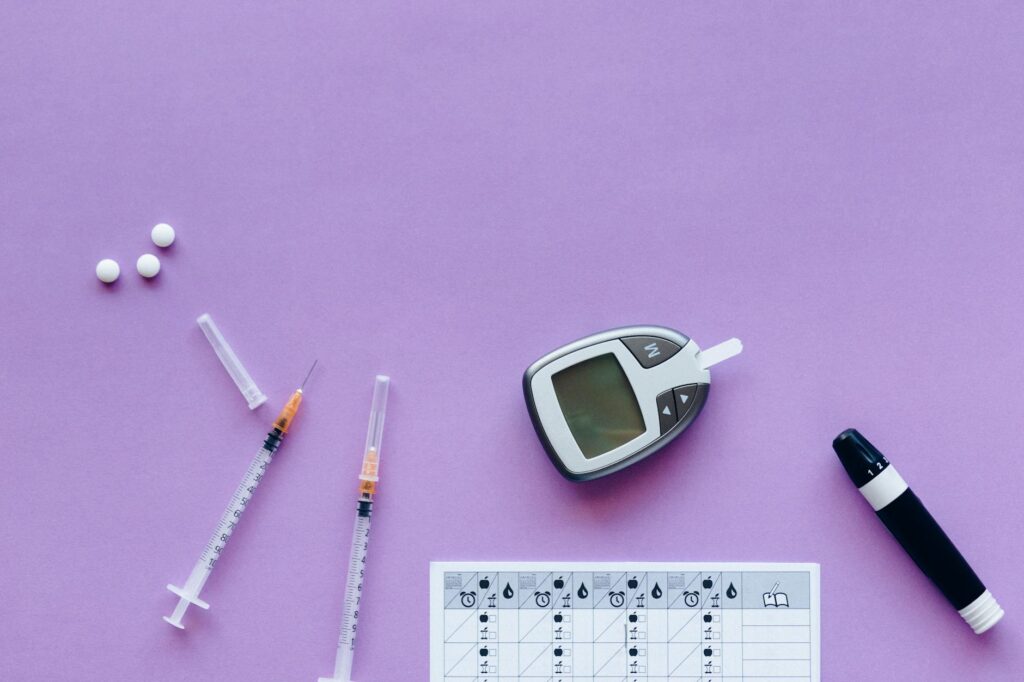
- Extra medications (insulin, pills)
- Insulin pens, syringes, lancets
- Glucose meter, CGM (plus spare batteries)
- Glucose tablets or quick-acting sugar
- Medical ID, prescriptions, doctor’s letter
- Cooling pack or insulated bag
- Sharps container (travel size)
- Healthy snacks (nuts, bars, crackers)
- First-aid kit and travel insurance
Build Your Confidence and Explore the World!
Traveling with diabetes may require extra planning, but it opens up endless possibilities for adventure, learning, and growth. By following these diabetes-friendly travel tips and prioritizing safety, you’ll feel empowered, healthy, and ready to savor every journey.
At The Diabetic Travel Guide, we believe you should never let diabetes limit your world. For more destination-specific guides (like the best car rentals in France, city itineraries for Barcelona, and reviews of diabetes-friendly villas worldwide), practical checklists, and patient stories, visit the About Us page to get to know our mission, or explore our growing collection of resources.
Ready to become a confident diabetic traveler? Start your next adventure equipped, informed, and inspired—visit The Diabetic Travel Guide today!
Safe travels and happy exploring—your health and confidence come first, wherever the road may lead.