



Planning Safe & Smooth Travels with Diabetes: Expert Advice for Confident Adventurers
Estimated reading time: 8 minutes
- Empower your travels with effective diabetes management strategies.
- Learn how to store and handle diabetes medications on the road.
- Navigate airport security with confidence and clarity.
- Discover meal planning tips for international dining.
- Get proactive packing tips for a smoother travel experience.
Table of Contents
- Traveling with Diabetes: Top Challenges—and How to Overcome Them
- 1. Blood Sugar Swings on the Move
- 2. Storing and Handling Diabetes Medications While Traveling
- 3. Navigating Airports & Security with Diabetes
- 4. Meal Planning & Eating Abroad
- 5. International Travel Considerations for Diabetics
- 6. Staying Physically and Digitally Prepared
- Feature Destination: Enjoying Europe with Diabetes—France, Spain & Scotland
- Deeper Wellness: Relationships, Emotional Health, and Coping Strategies
- Proactive Packing: Diabetes-Travel Essentials Checklist
- Real-World Success Stories & Inspiration
- Frequently Asked Questions
Traveling with Diabetes: Top Challenges—and How to Overcome Them
Travel is exhilarating, but even planning the dreamiest itinerary comes with a unique set of challenges if you’re managing diabetes. Fluctuating schedules, unfamiliar foods, varying climates, and changes in activity can all impact your blood sugars and routines. Here’s how to proactively address the most common concerns, empowering you to thrive no matter your destination:
1. Blood Sugar Swings on the Move
Why it happens:
Travel often means changes in meal times, new foods, irregular sleep, and more physical activity—all factors that can send blood sugars zig-zagging.
How to manage:
- Pack a portable blood glucose meter and continuous glucose monitor (CGM) if you use one. Bring twice as many supplies as you typically need, just in case travel delays or lost luggage arise.
- Carry easily accessible snacks, like glucose tablets, granola bars, or fruit, to quickly address hypoglycemia.
- Set alarms or reminders on your phone to check your blood sugar at intervals—especially in unfamiliar time zones.
- Keep a log (digital or written) of your readings and how you feel. Not only does this help spot trends, but it’s also valuable information if you need medical assistance abroad.
2. Storing and Handling Diabetes Medications While Traveling
Key challenge:
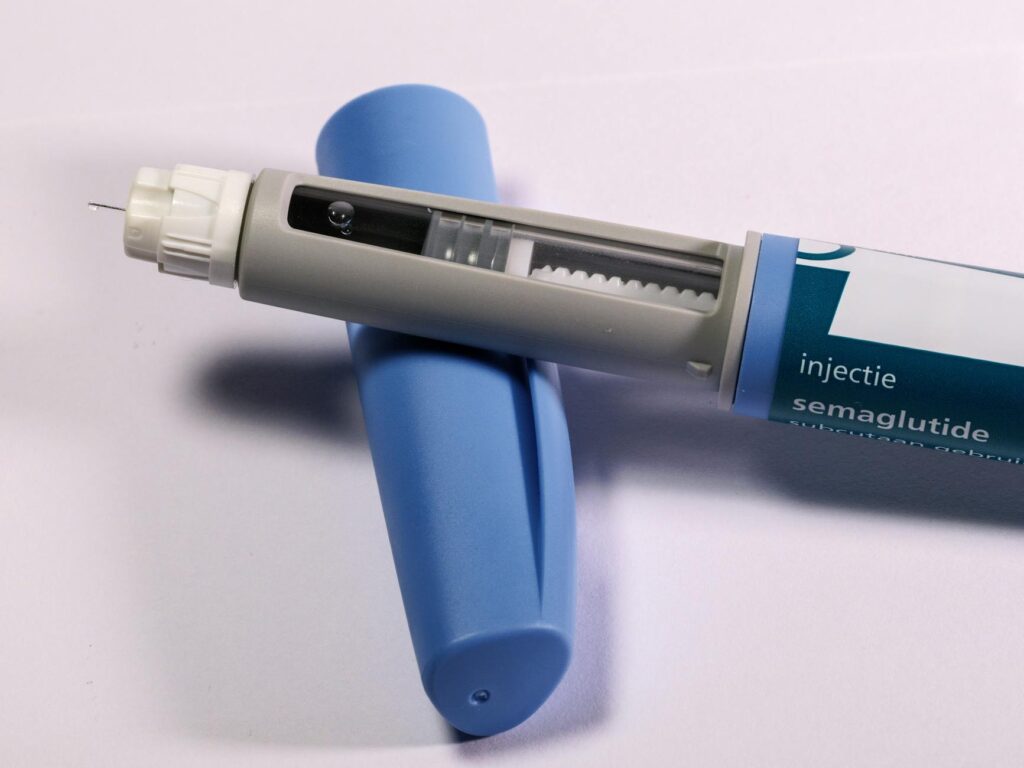
Insulin and other injectable medications often require refrigeration. Temperatures inside cars, on planes, and in hotel rooms can vary widely.
Simple solutions:
- Invest in a high-quality insulated travel case, like a Frio wallet or cooling bag, for insulin and other temperature-sensitive medications.
- Do not check diabetes supplies in luggage. Carry all medications, insulin, pumps, and back-up pens in your personal bag for carry-on.
- Bring printed prescriptions and a doctor’s note. These can be helpful for explaining your medical needs to border agents, security, or pharmacists.
- Store glucagon and backup supplies in multiple locations: In your main bag, a travel companion’s bag, and your daypack so you’re never without access.
3. Navigating Airports & Security with Diabetes
What to expect:
Airport security can make travelers with diabetes anxious—especially when dealing with insulin pumps or injectable medications.
Best practices:
- Alert the TSA or airport security staff that you have diabetes and are traveling with medical supplies. TSA allows insulin, needles, and supplies—just be ready to present them separately.
- Wear your medical ID or bracelet at all times.
- Know your rights: You do NOT have to remove an insulin pump or continuous glucose monitor for screening—request a hand inspection if needed.
- Save TSA’s official guidelines for traveling with medical supplies on your phone or print a copy, just in case you need it at the checkpoint.
4. Meal Planning & Eating Abroad
Key challenges:
Eating local cuisine is one of the joys of travel, but unfamiliar menus and unknown ingredients can make carb counting tricky.
Helpful strategies:
- Research local foods before you go. Use travel blogs (like this 2 Day Barcelona Itinerary) to preview menus and plan ahead.
- Pack carb-counting cheat sheets or use smartphone apps that help estimate nutritional content.
- Embrace flexible meal planning: Carry meal replacements or portable protein for situations where dining options are unpredictable.
- Communicate with restaurants—most places will adapt dishes for dietary needs if you ask kindly, especially with a translated allergy or medical card.
5. International Travel Considerations for Diabetics
Why it’s different:
Crossing borders means new languages, varied health systems, and in some cases, unfamiliar diabetes medication brands.
Preparation steps:
- Learn emergency phrases in the local language (e.g., “I have diabetes” and “I need sugar”).
- Know the location of local hospitals or clinics, especially in rural areas.
- Carry extra prescriptions and contact details for your healthcare provider.
- Review your travel insurance policy to ensure it covers pre-existing conditions and emergency evacuation if needed.
6. Staying Physically and Digitally Prepared
Modern health tools:
Travel tech—such as apps for blood glucose tracking or portable laptops for medical records—make thriving with diabetes on the road much easier.
- Use a secure travel laptop (see Best Travel Laptops) or smart device to store copies of your medical documents, prescriptions, and emergency plans.
- Download and update health apps before leaving home, so you can easily log readings, meals, and activity.
- Use a portable power bank to keep your devices charged during long days out.
Feature Destination: Enjoying Europe with Diabetes—France, Spain & Scotland
Europe offers stunning adventures, from driving through the lavender fields of France to marveling at Gothic architecture in Barcelona or hiking through the wild beauty of the Scottish Highlands. Here’s how to make your European dreams diabetic-friendly:
Driving Around France
- Choose the right car rental: 10 Best Car Rentals in France shows how to compare costs, rental policies, and vehicle features. Pick a vehicle with climate control to safeguard your diabetic supplies.
- Plan rest breaks: Schedule stops every 2–3 hours to check your blood sugar, hydrate, and stretch.
- Keep snacks and medical supplies within arm’s reach, not in the trunk.
Savoring Barcelona
- Bookmark a detailed 2 Day Barcelona Itinerary so you’re not stressing about logistics or missing meal times.
- Use the siesta hours as time for testing blood glucose and refreshing yourself in the shade.
- Ask hotels about mini-fridge access for insulin storage if needed.
Exploring Scotland’s Scenic Sights
- Research 20 Best Places to Visit in Scotland and check the proximity of local health services to rural destinations.
- For outdoor excursions like visiting the Fairy Glen on the Isle of Skye or the Glenfinnan Viaduct, keep a basic diabetes kit (sweat-resistant testing supplies, quick-acting glucose, water, etc.) in your daypack.
Deeper Wellness: Relationships, Emotional Health, and Coping Strategies
Travel is about so much more than logistics. As explored in the Diabetes Health Type 1: Sex and Diabetes, From Her Point of View, diabetes can impact not only your body, but also self-esteem and intimacy—especially when routines are disrupted. While her story focuses on relationships and physical intimacy, the lessons apply to every aspect of travel with diabetes:
- Communicate openly with your travel partner(s). Let them know what signs to watch for (like low blood sugar) and how they can support you.
- Give yourself permission to rest. Travel can be exhausting—pausing for a break isn’t a sign of weakness but smart diabetes management.
- Celebrate every travel achievement. Every meal enjoyed, every site seen, and every blood sugar checked is a success. Be kind to yourself and keep expectations realistic.
- Consider carrying a letter from your healthcare provider outlining your diabetes management plan. This is especially helpful if you’re newly diagnosed or using unfamiliar medications/devices.
Proactive Packing: Diabetes-Travel Essentials Checklist
Here’s what no diabetic traveler should leave home without:
- Blood glucose meter and testing strips (plus backups)
- Continuous Glucose Monitor (CGM) sensors & transmitter
- Insulin (2x what you expect you’ll need), in pen or vial form
- Insulin pens/pump supplies and extra batteries
- Sharps disposal travel container
- Glucagon emergency kit
- Fast-acting sources of glucose (tablets, juice boxes, candies)
- Sufficient medications for the entire trip, plus extras
- Prescription copies and a doctor’s letter
- Insulated medication travel case
- Medical ID bracelet or necklace
- List of local clinics, hospitals, and pharmacies
- All necessary chargers and adapters for your medical tech
- Hydration essentials (water bottle, electrolyte packets)
- Back-up meal replacements/snack bars
Pro Tip: Print several copies of this checklist and keep one in each of your travel bags!
Real-World Success Stories & Inspiration
At The Diabetic Travel Guide, we regularly spotlight stories from people living with diabetes who have successfully tackled adventures worldwide. Whether it’s journeying solo through Thailand, road-tripping across the United States, or hiking in the Scottish Highlands, our community proves that diabetic travelers are resilient, resourceful, and absolutely capable of seeing the world.
Feeling hesitant? Start small with a day trip near home, progress to a weekend getaway, and build your confidence. Each journey will teach you more about how your body responds to new routines, giving you the knowledge needed for unforgettable international adventures.
Frequently Asked Questions
Q: Do I need special paperwork to bring my medications abroad?
A: While not always required, a doctor’s note and prescriptions (translated if possible) smooth airport checks and pharmacy visits.
Q: What should I do if I run out of insulin or test strips while traveling?
A: Head to the nearest pharmacy or hospital. Most European countries have pharmacies that stock common diabetes supplies—carry your original packaging and prescriptions for reference.
Q: Can I travel to places with extreme climates?
A: Absolutely—just use extra caution with insulin storage in extreme heat or cold. Many cooling cases maintain safe temperatures even during prolonged exposure.
Your Safe, Healthy Adventure Awaits!
Traveling with diabetes requires extra steps, but the rewards—new experiences, cultures, and connections—are more than worth it. By preparing thoughtfully, advocating for your needs, and packing smart, you’re not just managing diabetes on the move—you’re embracing life to the fullest.
Ready to dive deeper?
Explore more articles, travel guides, practical checklists, and first-person inspiration at The Diabetic Travel Guide. Join our community for tailored advice, supportive connections, and confidence-building resources—no matter where you dream of going next!
Let’s journey together—where will diabetes take you?
For more detailed diabetes travel information, check our full library of tips, guides, and uplifting real stories at The Diabetic Travel Guide. Safe travels, and remember: The world is yours to explore—diabetes included!