



Traveling with Diabetes: Expert Tips for Safe, Confident Adventures Around the World
Estimated reading time: 10 minutes
- Careful trip planning and preparation can enhance your travel experience while managing diabetes.
- Always pack double your usual supplies and keep medication cool and accessible.
- Stay proactive with blood sugar management through frequent testing and smart meal choices.
- Be prepared for airport security and travel insurance considerations.
- Plan for local foods and stay informed about medical resources wherever you go.
Table of Contents
- Planning Your Trip: Diabetes-Friendly Destinations, Research, and Self-Care
- Packing with Diabetes in Mind: Medications, Supplies, and Comfort
- Managing Blood Sugar on the Go: Activity, Schedules, and Spontaneity
- Navigating Meals and Local Foods: Tasting the World, Managing Your Numbers
- Getting Through Airports and Security: What Every Diabetic Traveler Should Know
- Adjusting to Time Zones and Jet Lag: Smart Strategies for Diabetic Travelers
- Local Transportation and Moving Around: Staying Safe Between Destinations
- Special Considerations: Traveling as a Woman with Diabetes
- Emergency Preparedness: Stay Calm, Stay Equipped
- Confidence on the Journey: Overcoming Common Challenges for Diabetic Travelers
- Discover More with The Diabetic Travel Guide
Planning Your Trip: Diabetes-Friendly Destinations, Research, and Self-Care
The first step to a safe and enjoyable trip is planning: the “where, what, and how” matter more when you’re living with diabetes. From sun-soaked villas in Bali to road trips through Scotland or city hopping in Barcelona, your adventure starts with research:
- Know Your Destination: Review weather, food customs, emergency healthcare access, and local language for “diabetes” and “insulin.” For example, the best car rentals in France (full list here) make it easier to travel between pharmacies if you need extra supplies, and the best places to visit in Scotland (see recommendations) offer varied activity levels to match your fitness and blood sugar needs.
- Map Out Medical Resources: Always jot down nearby hospitals, clinics, and 24-hour pharmacies at your destination. For a city trip like Barcelona, look up English-speaking clinics in advance.
- Organize Travel Insurance: Make sure your insurance covers diabetes-related emergencies, prescriptions, and any pre-existing conditions.
- Build a Flexible Itinerary: Leave room for rest, snacks, and schedule changes in your itinerary—trust us, this makes for far better blood sugar management!
Packing with Diabetes in Mind: Medications, Supplies, and Comfort
Your luggage is your safety net. Here’s what you should always include when traveling with diabetes:
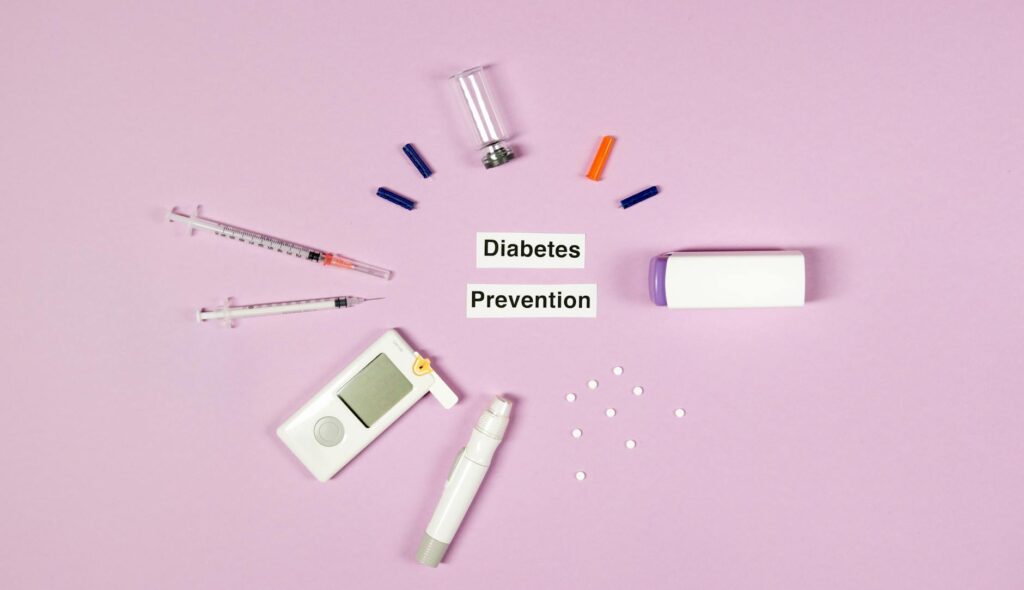
- Twice the Supplies: Pack double your usual insulin, pen needles, syringes, test strips, sensors, and pump gear. Emergency kits (glucose tablets, snacks, glucagon) should always go with you in your carry-on.
- Cool Storage: Insulin must be kept at a safe temperature. Use travel-friendly coolers, gel packs, or Frio pouches for portable cooling.
- Accessible Documentation: Carry letters from your doctor, prescriptions, and a translated note about your need for medication and supplies. Keep your medical ID visible—bracelets are great for quick identification.
- Digital Tools: Bring a travel laptop, like those listed (here) to track blood sugars, food intake, and contact your care team if needed. Backup device chargers and batteries are a must!
- Comfort Items: Don’t forget your favorite hypo snacks, a refillable water bottle, and a small pillow or blanket for long flights or bus rides.
Managing Blood Sugar on the Go: Activity, Schedules, and Spontaneity
Travel can mean new foods, unpredictable meal times, and activity spikes! Stay a step ahead of diabetes with these blood sugar management strategies:
- Frequent Testing: Check your glucose more often when traveling, especially when sightseeing, hiking the Fairy Glen in Scotland (see how), or participating in new activities.
- Adjust Insulin Doses: Time zone changes and varying activity levels may require dose adjustments. Consult your diabetes care team for specific advice before your trip.
- Keep Snacks Handy: Carry fast-acting carbohydrates (juice, glucose tabs) everywhere—train rides, walking tours in Barcelona (top attractions), boat trips in Bali, or when exploring remote areas of Croatia (check villa options).
- Monitor the Impact of Climate: Hot weather (as in Bali) can change how quickly insulin is absorbed; altitude (like at Glenfinnan Viaduct (tips here)) or cold climates may change your activity levels and needs.
- Record Your Journey: Use your travel laptop to keep a daily log of food, activity, glucose readings, and symptoms to spot trends and stay on top of patterns.
Navigating Meals and Local Foods: Tasting the World, Managing Your Numbers
Part of the fun of travel is trying new foods! With diabetes, this is absolutely possible with some added mindfulness:
- Plan Meals in Advance: Research menus or pack diabetes-friendly snacks for places with limited options. Request special meals on flights and look up grocery stores near your accommodation.
- Portion and Choices: Sample local specialties but start with small portions if they’re rich in carbs, sugar, or fat. For foods you’ve never tried, check your levels after eating.
- Stay Hydrated and Choose Wisely: Drink water throughout the day. Share meals if you want to try several dishes, and opt for grilled, roasted, or steamed foods when available.
- Cooking on Your Own: Staying in a villa with a kitchen (like many in Croatia or Bali) gives you control—shop at markets for fresh ingredients and prepare meals that fit your plan.
Getting Through Airports and Security: What Every Diabetic Traveler Should Know
Traveling with diabetes means you’ll need extra preparation for airport security and customs:
- Arrive Early: Give yourself extra time at security, especially if you use an insulin pump or continuous glucose monitor.
- Declare Medical Supplies: Tell TSA or other agents about your diabetes supplies before screening. All supplies are allowed, but regulations may differ by country—have your doctor’s note ready.
- Carrying Liquids and Needles: Insulin, liquid medications, and juice are permitted, but should be clearly labeled. Keep all supplies in original packaging.
- Protect Devices: Ask for manual inspection of pumps or sensors—they can be damaged by X-rays or full-body scanners.
- Navigating International Airports: Learn a few phrases in the local language to explain your diabetes needs, in case of any questions from airport staff.
Adjusting to Time Zones and Jet Lag: Smart Strategies for Diabetic Travelers
Crossing time zones can upset your insulin schedule, mealtimes, and blood sugar patterns. Here’s how to stay ahead:
- Pre-Trip Planning: Talk to your healthcare team about adjusting insulin or medication timing before you leave.
- Gradual Adjustments: If possible, slowly shift your schedule a few days before your flight to match your destination.
- Keep a Watch Set to Home Time: For the first 24 hours, use your watch or phone as a reminder of your home schedule, then transition to local time.
- Monitor More Frequently: Both jet lag and time changes can cause hypo- or hyperglycemia. Catch changes early by checking your blood sugar often.
Local Transportation and Moving Around: Staying Safe Between Destinations
From car rentals in France to buses, trams in Barcelona, or boat rides in Nicaragua, transportation presents challenges—especially if you’re far from supplies or food.
- Carry a Day Pack: Always have insulin, snacks, glucose tabs, a bottle of water, and your travel documents in an accessible bag.
- Plan Rest Stops: Schedule food, water, and testing breaks when driving or on tours. When possible, opt for transportation methods that offer flexibility and access to restrooms.
- Communicate Your Needs: If you’re with a guide or in a group, let someone know you might need breaks or snack times due to diabetes management.
Special Considerations: Traveling as a Woman with Diabetes
Traveling brings its own unique challenges for women living with diabetes—from hormone shifts to intimacy and self-care.
Based on insights from “Sex and Diabetes: From Her Point of View”, we know that personal relationships, body image, and diabetes care can interact in unfamiliar ways during travel.
- Be Open About Your Needs: Communicate with your partner or travel companions, especially when you’re tired, low, or need time to manage your health.
- Self-Advocacy: Don’t be afraid to pause or rearrange plans for glucose checks, rest, or self-care routines.
- Managing Intimacy and Energy: Travel (and time zone switches) can impact your energy and libido—give yourself grace, rest when needed, and keep emergency snacks nearby at all times.
- Adapt Your Routine: Menstrual cycles or hormonal changes can affect blood sugar. Pack extra supplies accordingly and watch for patterns when exploring new climates or foods.
Emergency Preparedness: Stay Calm, Stay Equipped
Unexpected events can happen anytime, especially when you’re far from home. The best defense is preparation:
- Share Your Plan: Leave copies of your itinerary, medical info, and emergency contacts with a trusted friend or family member.
- Establish a Routine: Set daily reminders for medication, testing, and checking supplies—jet lag or excitement can make these easy to forget.
- Know the Signs of Trouble: Teach your fellow travelers the warning signs of hypo- or hyperglycemia and what to do if you need help.
- Backup Everything: From extra insulin pens in your checked bag to backup test strips in your toiletry kit, redundancy means peace of mind.
Confidence on the Journey: Overcoming Common Challenges for Diabetic Travelers
All travelers with diabetes face obstacles—from unplanned layovers to delayed meals or lost luggage. The key? Be flexible, informed, and forgiving:
- Delayed Meals: Always have your own snacks and backup plans when travel throws a wrench in your schedule.
- Lost Luggage: Keep all critical supplies in your carry-on. Never check insulin, test supplies, or daily medications.
- Activity Spikes: New adventures (think hiking the Isle of Skye) may cause lows—test often, and bring more snacks than you think you need.
- Cultural Barriers: Research key phrases and customs so you can communicate your needs wherever you are.
Discover More with The Diabetic Travel Guide
At The Diabetic Travel Guide, we combine first-hand experience with expert research and up-to-date travel tips for people living with diabetes. The world is filled with breathtaking places—from the Scottish Highlands to vibrant Bali, historic Barcelona to relaxing Croatia villas. Travel is possible, safe, and incredibly rewarding, even with diabetes.
Ready to start planning your next adventure with confidence? Explore more in-depth guides, packing checklists, destination tips, and community stories at The Diabetic Travel Guide. Empower your journeys. Diabetes is only part of your story—the world awaits the rest.
Happy (and healthy) travels!
FAQ Section
- What should I pack for my trip? Always pack double your supplies, essential medications, and comfort items. Don’t forget your cooler for insulin!
- How can I manage my blood sugar while traveling? Frequent testing, adjusting insulin doses, and carrying quick snacks are key to effective management on the go.
- Do I need special documentation for my diabetes supplies? Yes, carry letters from your doctor and keep all supplies in their original packaging.
- What if I experience low or high blood sugar during travel? Make sure your travel companions know the signs of hypo- or hyperglycemia and what actions to take. Always carry snacks that can quickly counteract lows.
- How should I prepare for airport security? Declare your medical supplies, arrive early, and keep your diabetes supplies easily accessible for inspection.