



The Ultimate Diabetic Travel Guide: How to Travel Safely with Diabetes
Estimated reading time: 7 minutes
- Thorough planning is crucial for safe travels with diabetes.
- Keep medical supplies and snacks readily accessible.
- Research dining options ahead of time for diabetic-friendly meals.
- Prepare emergency plans for unexpected challenges.
- Stay hydrated and monitor blood sugar levels during increased activity.
Table of Contents
- Planning Your Trip: The Foundation of a Successful Journey
- Medication and Insulin Management: Staying on Track
- Nutritional Considerations While on the Road
- Navigating Airport Security and Airline Policies
- Preparing for International Travel
- Emergency Planning: Staying Safe and Prepared
- Emphasizing Safety, Preparation, and Confidence
- Call to Action
Planning Your Trip: The Foundation of a Successful Journey
Travel Planning with Diabetes
Before you head out on your adventure, thorough planning is crucial. Start with a checklist of must-have items to pack, including medical supplies, snacks, and personal items. Make sure you have enough diabetes medications, insulin, and supplies for the duration of your trip, plus a few extra days’ worth of supplies in case of unexpected delays.
Next, consider discussing your travel plans with your healthcare team. They can provide tailored advice on managing your diabetes while traveling, including how to adjust your diet and medication for different time zones. This support helps ensure you’re set up for success before leaving home.
Medication and Insulin Management: Staying on Track
Safe Insulin Storage While Traveling
One of the most significant concerns for those with diabetes is ensuring insulin and other medications remain effective. Ideally, insulin should be stored at temperatures between 36°F and 86°F (2°C and 30°C). While traveling, it’s vital to keep your medications cool, especially during hot weather or long travel days.
Consider investing in a travel insulin cooler or insulated pouch. These products maintain a stable temperature, allowing you to carry your medications without worry. Additionally, always pack them in your carry-on luggage to avoid potential mishaps with checked bags.
Managing Blood Sugar During Activity
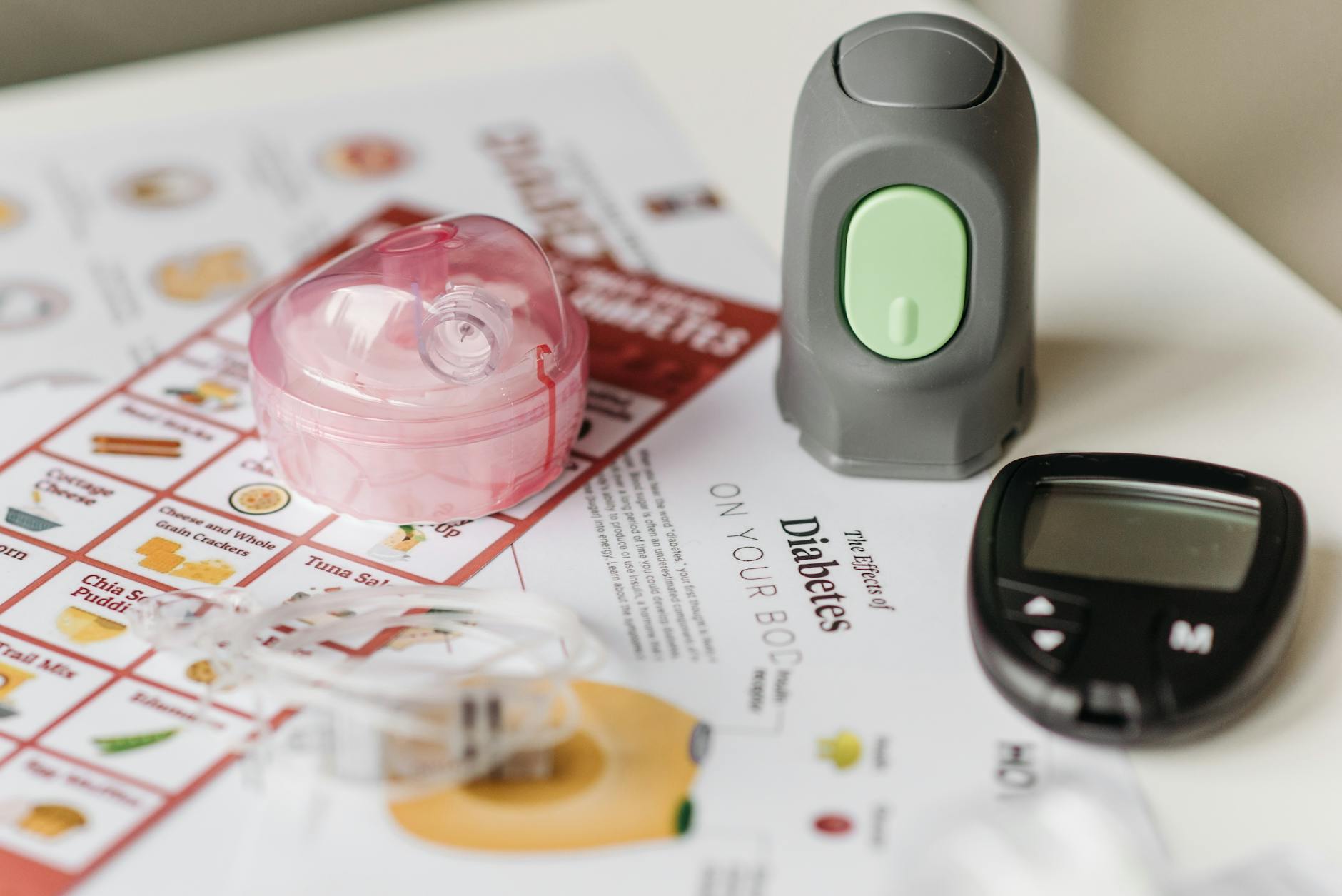
When traveling, your activity levels will likely increase. This is great for overall health but can impact your blood sugar levels. Keep your glucose monitor accessible and check your levels regularly, especially during busy tourist days filled with activities.
If you’re planning an active day, adjust your meals and snacks accordingly. Try to consume carbs that will complement your activity level without overcomplicating your day. Whole fruits, nuts, or protein bars can all serve as excellent travel-friendly snacks.
Nutritional Considerations While on the Road
Meal Planning and Nutrition on the Road
When it comes to meals, planning can help you navigate your dietary needs while enjoying the local cuisine. Before your trip, research dining options at your destination. Many restaurants now cater to health-conscious eaters, offering diabetic-friendly choices.
If you find yourself in a situation where options are limited, bringing along non-perishable snacks can ensure you have something available when needed. This preparation can also help avoid irregular meal times that can cause fluctuations in your blood sugar levels.
Navigating Airport Security and Airline Policies
Airport Security for Diabetics
Traveling through airports can lead to additional stress, but knowing what to expect can ease those worries. When going through security, inform the security personnel about your medical condition and the supplies you’re carrying. Most airports have procedures in place to assist. Keep your medications and supplies in their original packaging to simplify the process.
Inquire with your airline about their policies regarding diabetic needs before your flight. Airlines typically allow extra luggage for medical supplies, and some even provide meal accommodations if requested in advance.
Preparing for International Travel
International Travel Preparation
Traveling internationally adds layers of complexity. Research the healthcare options available in your destination country, and consider purchasing travel insurance that covers medical expenses related to diabetes. Many countries have high-quality healthcare, but it’s always better to be prepared for any situation.
You may also need to understand different healthcare practices abroad. Pack a translation card explaining your condition and any specific medication needs in the local language. This card can be invaluable during emergencies.
Time Zone Adjustments and Jet Lag
Traveling through time zones can impact your diabetes management. Allow yourself time to adjust to new schedules. Gradually shift your sleep patterns, eating times, and medication administration before your trip.
Jet lag can also contribute to irregular blood sugar levels, so monitor your glucose closely during the first few days at your destination.
Emergency Planning: Staying Safe and Prepared
Addressing Common Travel Challenges
Traveling involves the potential for unexpected challenges. Here are several common concerns and strategies to overcome them:
- Irregular Meals: Plan for snacks and meals ahead of time to minimize the risk of missed meals or unhealthy eating choices.
- Fear of Hypoglycemia in Public: Always carry fast-acting glucose sources, like glucose tablets or a small juice box. Having these on hand can alleviate anxiety about low blood sugar episodes occurring in public.
- Running Out of Supplies: Always have a backup plan. Research local pharmacies or clinics at your destination where you may obtain additional supplies if needed.
- Airport Stress: Arrive at the airport early to allow yourself plenty of time to pass through security and find your gate. Utilize any available airport services for travelers with disabilities.
- Long Flights: During long flights, get up and move around to promote circulation and prevent blood sugar spikes. Drink plenty of water and manage snacks proactively.
- Jet Lag: Give yourself a few days for your body to adapt to the new time zone. Keep your diabetes supplies well within reach for frequent checks.
- Increased Activity Levels: Stay hydrated and listen to your body. Adjust your carbohydrate intake based on your level of activity to maintain stable blood sugar levels.
Emphasizing Safety, Preparation, and Confidence
Embarking on a trip with diabetes requires thoughtful planning, but with a proactive mindset and some simple strategies, you can travel confidently. Knowing that your health and safety are secure will allow you to focus on creating unforgettable memories.
At The Diabetic Travel Guide, we’re committed to supporting you on your travels. Our comprehensive resources cover everything from travel tips to firsthand experiences from fellow travelers living with diabetes.
As you prepare for your next journey, remember that with the right preparation, you can explore the world fearlessly. Knowledge is empowering, and you hold the key to managing your diabetes while enjoying travel adventures.
Call to Action
Ready to discover more tips, resources, and inspiring stories from fellow diabetic travelers? Join us at The Diabetic Travel Guide to explore all the tools you need for safe and enjoyable travel experiences. Together, we can empower one another to see the world, embrace new experiences, and live life to the fullest—safely and confidently!