

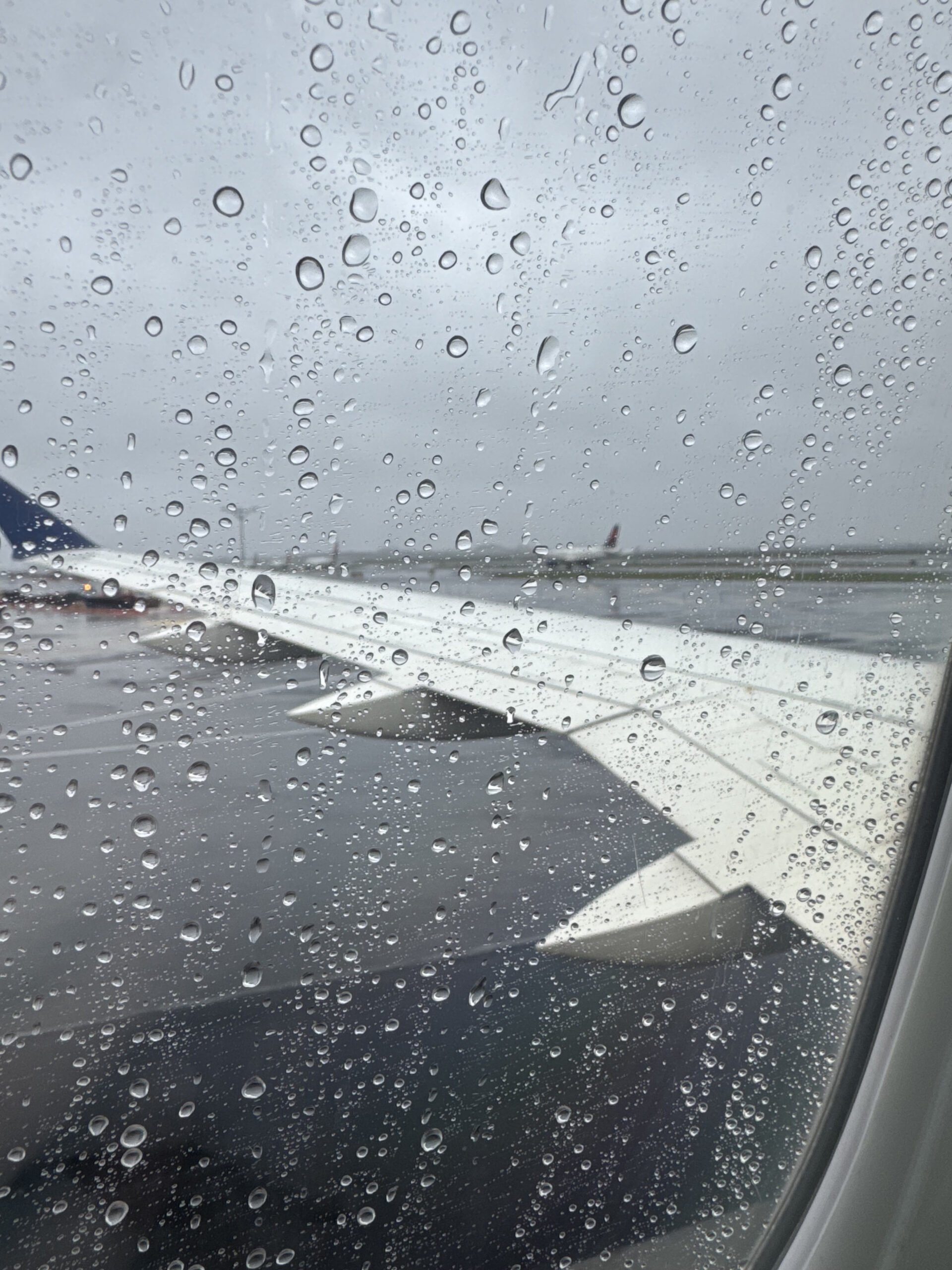



The Diabetic Travel Guide: Your Essential Companion for Safe Travel with Diabetes
- Preparatory steps to ensure safe travel with diabetes.
- Insulin management tips and meal planning strategies.
- Information on airport and airline policies.
- International travel considerations specific to diabetes.
- How to address common challenges while traveling.
Table of Contents
Planning Ahead: Key Steps for Safe Travel
Planning is key to a successful trip, especially for those managing diabetes. Below are vital steps you should undertake before you travel, keeping your health and comfort in mind:
1. Consult Your Healthcare Team
Before booking your trip, meet with your healthcare team to discuss your travel plans. They can provide personalized advice based on your health needs, medications, and travel itinerary. This consultation can help you understand how activities may impact your blood sugar levels and any necessary adjustments you may need to make.
2. Document Your Medical Information
Create a travel itinerary that includes essential medical information. This should comprise your primary healthcare provider’s contact details, a list of your medications, dosages, emergency contacts, and any allergies. Having this information at hand can be invaluable, especially if you need medical assistance while away from home.
3. Secure Enough Supplies
Always bring more diabetes supplies than you think you’ll need—extra insulin, glucose monitors, test strips, needles, and snacks. The Diabetic Travel Guide recommends bringing at least twice as much as you need for the duration of your trip. It’s also a good idea to pack these in your carry-on luggage to ensure easy access.
Insulin Management and Storage Tips
Insulin sensitivity can change when you travel due to various factors such as time zone differences or changes in eating habits. Here’s how to manage your insulin effectively:
1. Proper Storage of Insulin
Insulin should be stored at the right temperature to remain effective. Depending on your travel destination, this may involve keeping it refrigerated or using an insulated case. Remember these guidelines:
- Unopened insulin: Store it in the refrigerator.
- Open insulin: Can be kept at room temperature (under 86°F or 30°C) for up to 28 days.
- Use insulated bags or coolers for longer travel times or hotter climates.
2. Plan Your Dosing Schedule
Take into account any time zone changes. Adjust your insulin dosing schedule accordingly and maintain a consistent eating pattern to avoid spikes in blood sugar. Use your phone or a watch alarm to remind you when it’s time to check your blood sugar or take insulin.
Meal Planning While Traveling
Food choices can significantly impact your blood sugar levels. Here are tips to help you eat safely while traveling:
1. Research Dining Options
Before you travel, research restaurants that offer healthy options and can accommodate dietary needs. Many establishments now provide nutrition information on their websites. Knowing where you can find low-carb or diabetic-friendly meals can help you stick to your meal plan.
2. Smart Snacking
Pack healthy snacks that are easy to transport, such as nuts, whole-grain crackers, or protein bars. This is especially important during travel days when meal options may be limited or timing is uncertain.
3. Stay Hydrated
Traveling may lead you to neglect hydration, which is crucial in managing your blood sugar effectively. Remember to drink plenty of water and limit sugary drinks that could spike your blood sugar.
Navigating Airport and Airline Policies
Airports and airlines can present their own set of challenges for travelers with diabetes. Here’s how to be prepared:
1. Airport Security
When passing through security, inform the TSA agent that you are carrying diabetes supplies. It is usually best to let them know beforehand to avoid any complications. Keep your supplies clearly organized and accessible; having a doctor’s note can expedite the process.
2. Airline Policy on Medical Necessities
Check with your airline about their policies on carrying diabetes-related supplies. Many airlines allow additional carry-on baggage for medical equipment, but it’s essential to verify before your trip.
3. Choosing Ideal Flight Times
If possible, book direct flights to reduce stress, and avoid long layovers where your routine may be disrupted. Opt for flights in the morning or early afternoon to maintain a consistent eating and medication schedule.
International Travel Considerations
Traveling abroad requires extra planning. Be mindful of these international travel tips to ensure a smooth journey:
1. Research Healthcare Availability
Before traveling, familiarize yourself with healthcare systems in your destination country. Know where the nearest hospitals or clinics are, especially if they cater to diabetes-related emergencies. The Diabetes Care Community suggests connecting with local organizations that support diabetes management.
2. Bring Your Own Supplies
Different countries may have varying levels of access to diabetes medications and supplies. It’s wise to bring your full supply of medications and possibly a prescription to avoid difficulties in obtaining replacements abroad.
3. Stay Aware of Food Practices
Cuisine and dietary habits differ worldwide. Be cautious about street food or meals that could affect your blood sugar levels. Research common foods in your destination country to plan better and ensure you’re selecting options that support your health.
Common Challenges and How to Overcome Them
Traveling with diabetes may present challenges, but preparation can help you navigate them confidently:
1. Managing Stress
Travel can be stressful, impacting blood sugar levels. Incorporate stress-reducing practices into your trip—yoga, meditation, or simply taking a few moments to breathe deeply can make a difference.
2. Unexpected Changes to Routine
Embrace flexibility in your plans. Travel doesn’t always go as expected—flights can be delayed, or meals might not be available when you planned. Learn to adapt without straying too far from your diabetes management routine.
3. Communicate Openly
If traveling with family or friends, make sure they understand your diabetes management needs. Nobody should feel isolated or embarrassed about their health condition, and having a supportive group can relieve some travel stress.
Emphasizing Safety and Confidence While Traveling
Traveling with diabetes doesn’t have to be daunting. By planning ahead and preparing for potential challenges, you can enjoy your experiences without compromising your health. Remember:
- Stay informed and connected with healthcare professionals.
- Build a support system for your travels.
- Keep your medical supplies organized and accessible.
By following the guidance in “The Diabetic Travel Guide,” you can foster confidence in managing your diabetes while experiencing the joys of travel. No matter where your journey leads, preparation is key to ensuring a safe and enjoyable adventure.
Are you ready to explore more about how to travel confidently and safely with diabetes? Dive deeper into additional resources at The Diabetic Travel Guide and equip yourself with the knowledge you need for your next adventure! Safe travels!
FAQ Section
Q: What should I pack for my diabetes when traveling?
A: Ensure you pack extra insulin, glucose monitors, test strips, needles, and healthy snacks. It’s advisable to have double the supplies you anticipate needing.
Q: How can I manage my blood sugar while flying?
A: Plan your meal timing according to your flight schedule, stay hydrated, and monitor your blood sugar levels before, during, and after the flight.
Q: What should I do if I need medical assistance while traveling?
A: Keep a travel itinerary that includes medical information, contact details for your healthcare provider, and note the location of nearby hospitals in case of emergencies.