

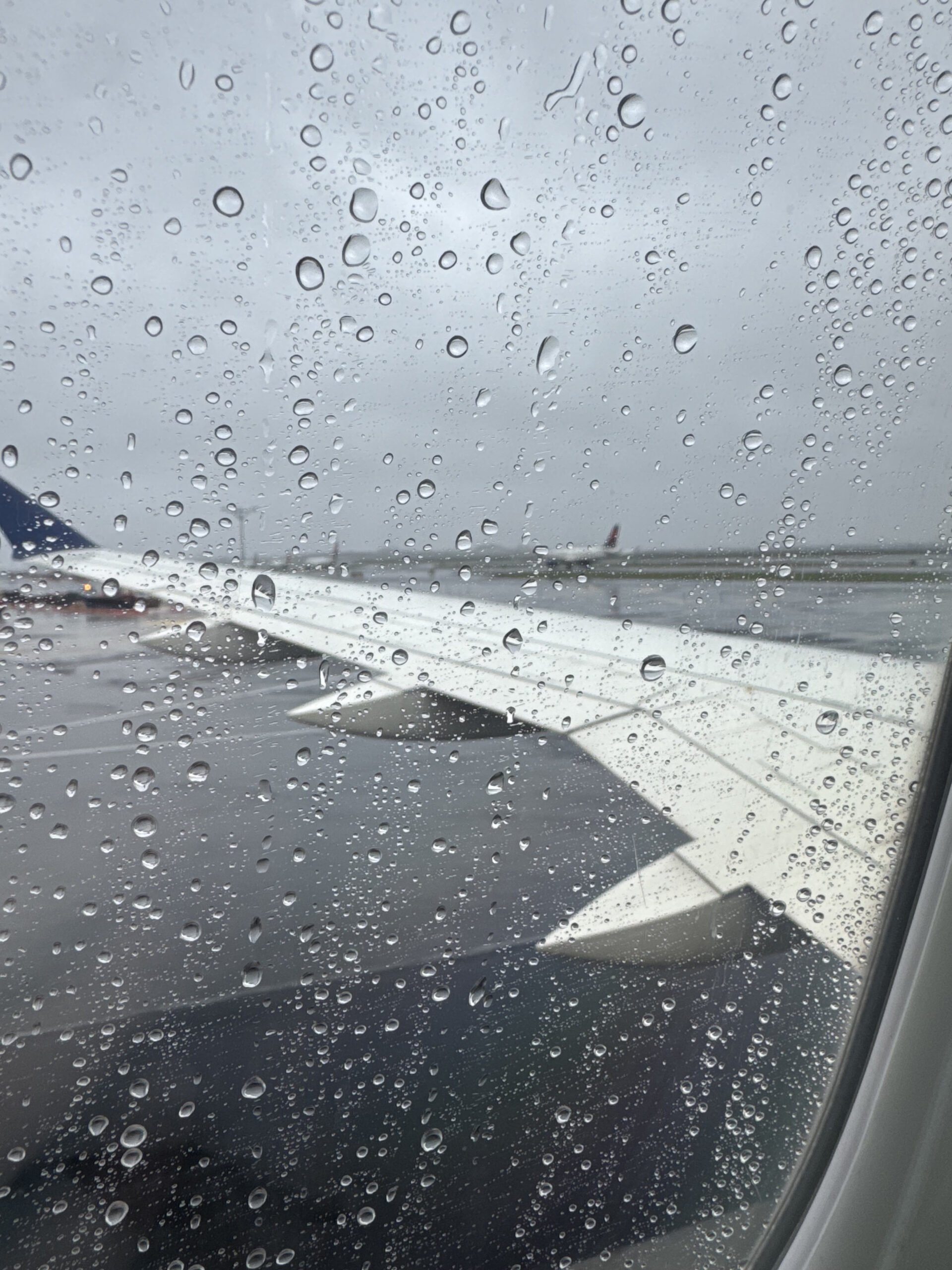




Diabetic Travel Guide: How to Manage Diabetes Safely and Confidently on the Road
Estimated reading time: 7 minutes
- Preparation is key for safe travel with diabetes.
- Understanding airport and airline rules is essential.
- Meal planning can help manage blood sugar levels.
- Know how to handle insulin storage while flying.
- Be prepared for international travel challenges.
Table of Contents:
- What Is a Diabetic Travel Guide?
- How Do Diabetics Travel Safely?
- What Are Key Diabetic Travel Tips for Meal Planning?
- How to Manage Flying with Insulin?
- What About International Travel with Diabetes?
- Overcoming Common Travel Challenges for Diabetics
- Practical Checklist: Your Diabetic Travel Essentials
- Conclusion: Traveling with Diabetes Is Possible and Enjoyable
- FAQ Section
What Is a Diabetic Travel Guide?
A diabetic travel guide is a resource that helps people living with diabetes prepare for all aspects of travel—from packing medications safely to planning meals and navigating airport security. It answers important questions about managing diabetes on trips and provides actionable advice for staying healthy wherever you go.
How Do Diabetics Travel Safely?
Traveling safely with diabetes starts early, with thoughtful preparation and understanding your unique needs. Here are essential tips to help you travel with confidence:
1. Plan Ahead with Your Diabetes Healthcare Team
- Talk to your doctor or diabetes educator before your trip.
- Update your prescriptions and get a letter explaining your medical condition and medications.
- Discuss adjustments to medication if crossing time zones.
2. Pack Medications and Supplies Properly
- Always carry extra insulin, testing strips, and devices.
- Use insulated bags or travel coolers for insulin storage.
- Keep medications in your carry-on luggage (not checked bags).
- Carry a glucagon emergency kit if prescribed.
3. Understand Airport and Airline Rules
- Notify the airline about your insulin and medical devices ahead of time.
- Keep documentation handy for security checks.
- Request special assistance if needed for boarding or seating.
4. Monitor Blood Sugar Regularly
- Check your blood sugar levels more often while traveling.
- Be mindful of symptoms of highs or lows.
- Adjust your insulin dose according to changes in activity and meal timing.
What Are Key Diabetic Travel Tips for Meal Planning?
Controlling blood sugar starts with eating well, especially when on the road. Here are practical meal tips for travelers with diabetes:
- Avoid Processed and Ultra-Processed Foods: Studies show these foods can spike blood sugar and make management harder. Opt for fresh veggies, lean proteins, and whole grains when possible.
- Pack Healthy Snacks: Nut mixes, fresh fruits, and sugar-free options keep you balanced during long waits or delays.
- Plan for Unpredictable Schedules: Eat smaller, frequent meals if your itinerary is busy.
- Research Local Food Options: When traveling internationally, take time to explore markets or restaurants with diabetic-friendly choices.
How to Manage Flying with Insulin?
Flying brings unique challenges for diabetic management, especially concerning insulin storage and timing. Here’s how to manage it smoothly:
- Storing Insulin: Insulin should be kept between 36°F and 46°F (2°C and 8°C). Use an insulin travel case with cooling packs approved for flights.
- During Security Checks: Inform TSA or security staff about your insulin and supplies before screening. You are allowed to carry insulin pens, pumps, and needles.
- Adjusting for Time Zones: Work with your healthcare team to tweak insulin schedules. Use alarms to remind you about insulin or glucose checks.
- Stay Hydrated: Airplane cabins are dry, and dehydration can affect blood sugar levels.
What About International Travel with Diabetes?
International trips require more advanced preparation. To stay healthy abroad, consider these steps:
- Research Healthcare Availability: Know where to find medical help or pharmacies at your destination.
- Bring Extra Supplies: Flights can be delayed; pack at least double the medication and supplies you typically need.
- Learn Local Emergency Numbers: Be prepared in case of an emergency.
- Prepare for Language Barriers: Carry a medical ID card in the local language explaining your diabetes condition and medicines.
- Check Vaccination Requirements: Some countries require vaccinations that may impact your health.
Overcoming Common Travel Challenges for Diabetics
Dealing With Delays and Unexpected Changes
Flight delays, missed connections, or lost luggage can disrupt your diabetes routine. Here’s what to do:
- Always keep snacks and medication with you.
- Have a backup plan for meals and glucose monitoring.
- Stay calm and contact your healthcare team if needed.
Handling Different Climates and Activity Levels
Travel may involve different temperatures and more physical activity, affecting your blood sugar.
- Adjust insulin doses as advised by your healthcare provider.
- Test blood sugar more frequently.
- Dress in layers and take breaks to avoid exhaustion.
Practical Checklist: Your Diabetic Travel Essentials
- Prescriptions and doctor’s letter
- Insulin and extra supplies (needles, pumps, glucometers)
- Blood sugar diary or app
- Healthy snacks and water
- Glucagon emergency kit (if prescribed)
- Medical ID bracelet or card
- Travel cooler or insulated bag for medications
- List of healthcare contacts at your destination
Conclusion: Traveling with Diabetes Is Possible and Enjoyable
With the right preparation, managing diabetes while traveling can be easy and stress-free. This Diabetic Travel Guide encourages you to plan ahead, make healthy food choices, manage medication wisely, and communicate openly with healthcare providers and travel staff. Your diabetes should never hold you back from exploring new places and creating unforgettable memories.
Ready to dive deeper and explore more tips and stories? Visit The Diabetic Travel Guide Blog for expert advice, travel inspiration, and community support designed just for travelers like you.
Happy and healthy travels!
FAQ Section
Q: Can I bring insulin on a plane?
A: Yes, you can bring insulin on a plane, but be sure to keep it in your carry-on luggage and inform security personnel about it.
Q: How should I store my insulin while traveling?
A: Insulin should be stored at temperatures between 36°F and 46°F (2°C and 8°C). Use an insulated travel case for keeping it cool.
Q: What should I do if I run out of supplies or medication while traveling?
A: Research local pharmacies and healthcare facilities ahead of time, and ensure you have a list of emergency contacts.